Under federal law, the AR-15 lower is the serialized firearm, not the upper. Here's what that means for buying, shipping, and background checks.
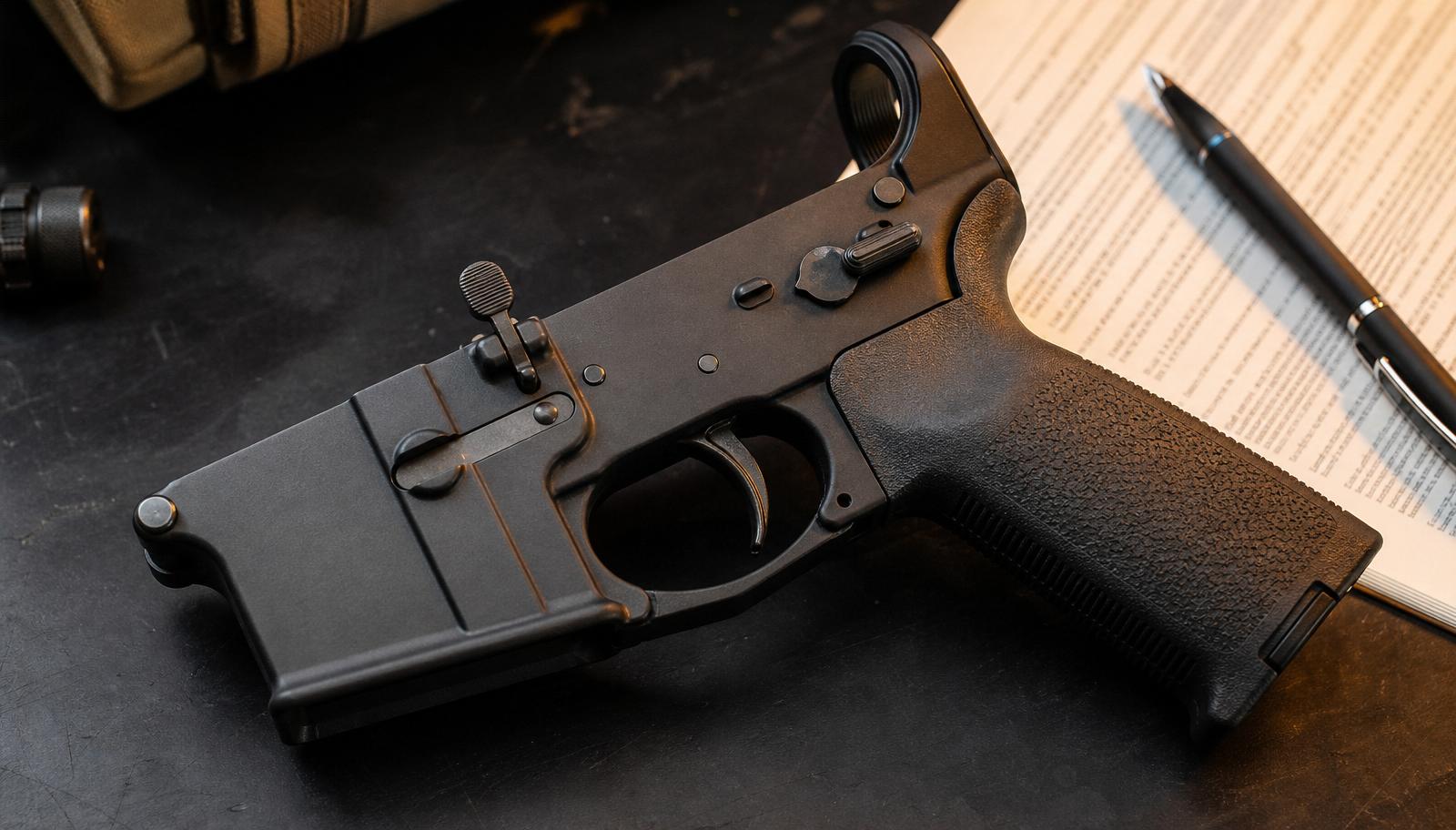
No. Under federal law, the lower receiver, not the upper, is the regulated "firearm." An AR-15 upper receiver, whether stripped or fully assembled, can be bought without a background check or FFL transfer in most states. Only the lower receiver is serialized and requires a licensed dealer to process the sale.
Why the Lower Receiver Is the Legal "Firearm"
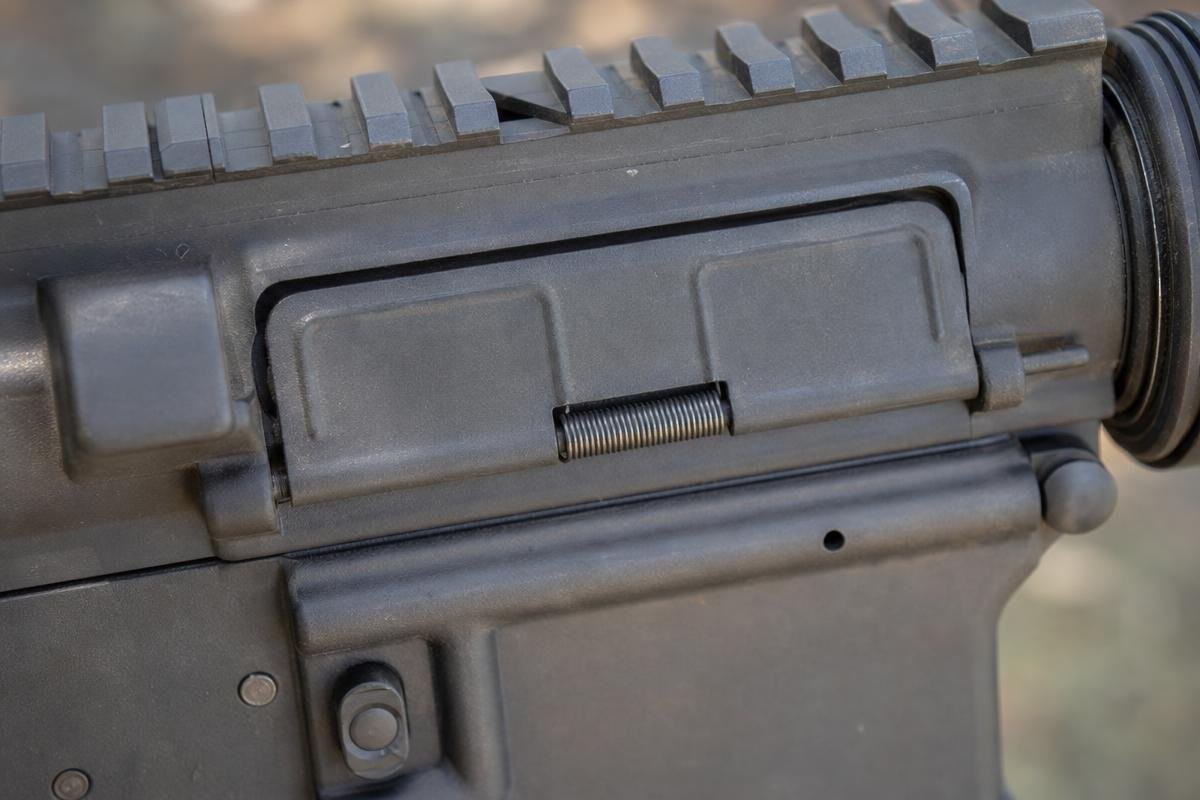
The ATF's regulatory definition of "frame or receiver," codified at 27 CFR 478.12, specifically identifies the lower portion of AR-15 and M-16 variant rifles as the part that houses the trigger mechanism and hammer, and it's this housing function that determines which component the law treats as the actual firearm.
This split-receiver design is unique to a handful of platforms (the AR-15 is the best-known example). Most firearms have a single receiver that houses the bolt, hammer, and firing mechanism together, making the "which part is the gun" question moot. The AR-15 divides those functions: the lower houses the trigger group and fire control components, while the upper houses the bolt carrier group and barrel. Because ATF's definition centers on the fire control housing, the lower is what gets serialized, tracked, and treated as the regulated article under the Gun Control Act.
This isn't a loophole or a gray area, it's been the ATF's consistent position for years, and it's the reason the AR-15 aftermarket industry (uppers, barrels, handguards) can operate the way it does. The classification has been challenged in isolated court cases over the years, but the ATF's regulatory framework and industry practice have continued to treat the lower as the serialized part.
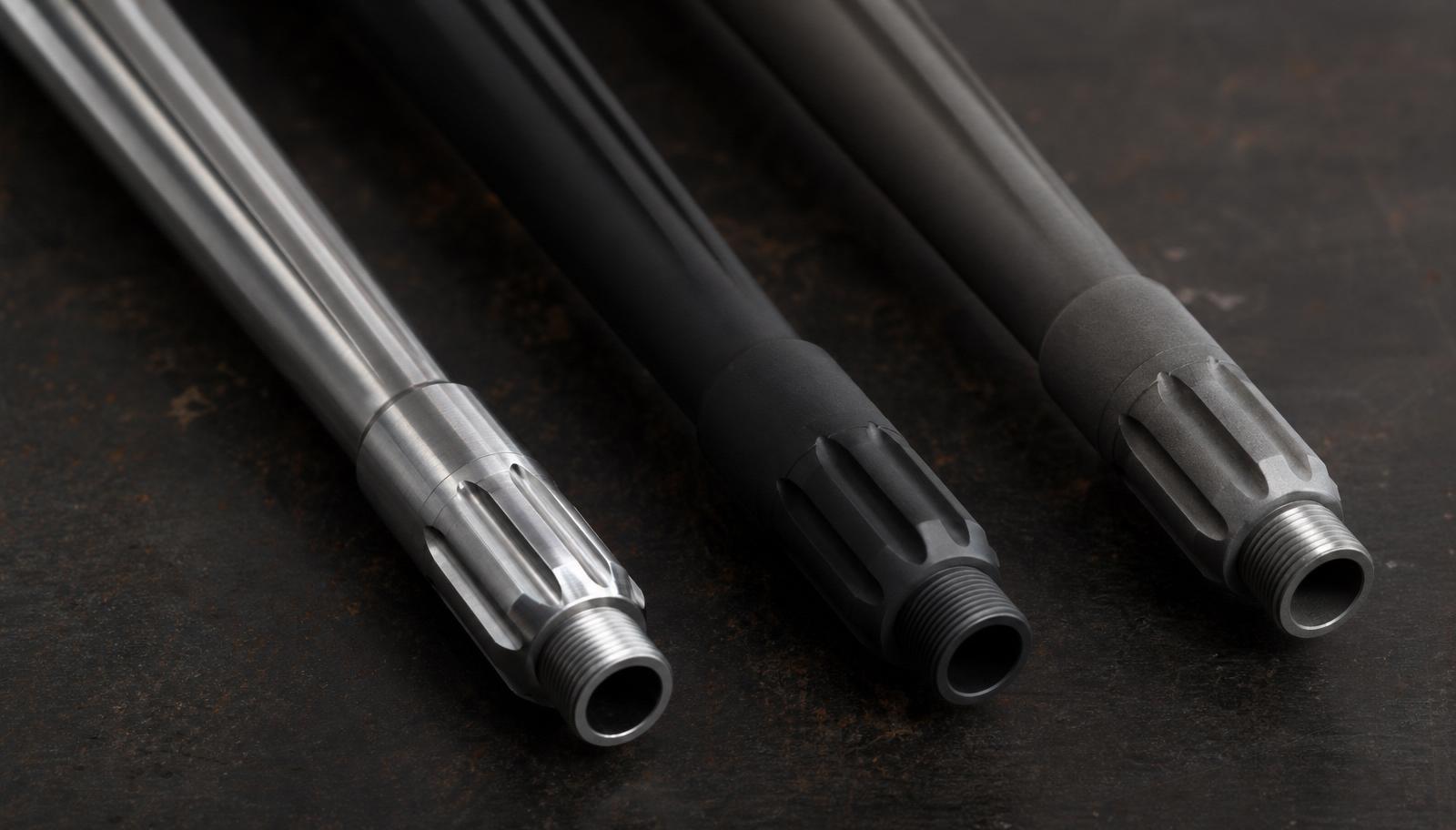
Practically speaking, this classification is why the AR-15 platform supports such an extensive parts and accessories market. Because uppers, barrels, handguards, and other components aren't legally "firearms," manufacturers and retailers can sell, ship, and stock them without the recordkeeping and transfer requirements that apply to lowers. It's also why AR-15 owners can build multiple upper configurations, different calibers, barrel lengths, or optics setups, around a single registered lower, swapping uppers without any additional paperwork or dealer involvement.
The upper isn't the firearm. That's why you can build multiple caliber configurations around a single registered lower.
Can You Buy an AR-15 Upper Without a Background Check?
Yes, at the federal level. Because an upper receiver, stripped or complete, isn't classified as a firearm, it doesn't trigger the background check and FFL transfer requirements that apply to a lower receiver purchase. This means a complete upper, including its barrel, bolt carrier group, and handguard, can generally be shipped directly to your home just like any other rifle accessory.
A few important caveats:
- This applies to the upper only. If you're buying a complete lower receiver, even an unassembled "80% lower" that's readily convertible to a functional firearm, federal rules and FFL transfer requirements do apply, particularly for kits that include the jigs and tools to complete it.
- Short-barreled configurations change the analysis. An upper built with a barrel under 16 inches, intended to create a short-barreled rifle, falls under National Firearms Act (NFA) rules and requires separate registration and tax stamp processing, a different regulatory category entirely.
- Retailers may still ask for ID or apply their own policies even when not legally required to, particularly for shipping and age-verification purposes.
It's also worth understanding what this classification does not mean. Buying an upper without a background check doesn't create a functional firearm on its own, you still need a lower receiver, which does require a background check and FFL transfer, to assemble a complete, working rifle. The upper/lower distinction affects how each part is purchased and shipped, not whether the finished rifle is legal to own or how it's regulated once assembled.
State-by-State Considerations
Federal law is only half the picture. Several states impose their own rules on receivers, magazine-fed rifles, and what qualifies as an "assault weapon" under state statute, and those rules don't always mirror the federal upper/lower distinction. States commonly cited as having stricter frameworks include California, New York, Massachusetts, and New Jersey, but the specifics (and how they apply to uppers specifically, as opposed to complete rifles or lowers) vary and change frequently through legislation and litigation.
Because state law in this area shifts often and carries real legal consequences, readers in any state with restrictive firearms laws should confirm current requirements with their state attorney general's office or a firearms attorney before purchasing.
Ready to browse compliant options? Check the full AR-15 upper catalog at ar15parts.com.
This article provides general information about federal firearms classifications and is not legal advice. Firearms laws vary by state and change frequently. Before purchasing an AR-15 upper or any related component, confirm current federal and state requirements with your state attorney general's office or a qualified firearms attorney.