
Upper Receivers Guides
Stripped and assembled receivers, forgings, billet, and specs.
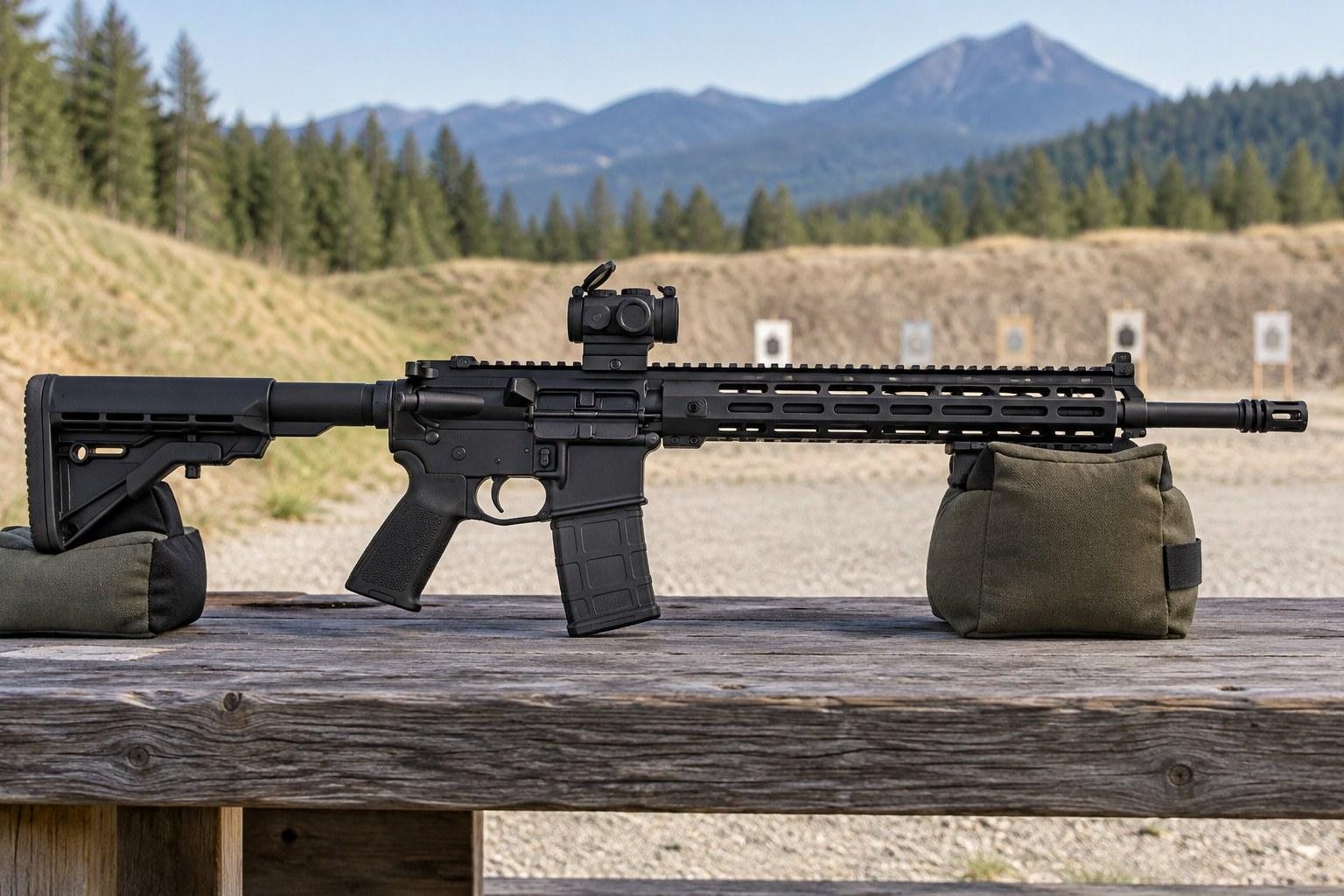
How Upper Rail Height Affects Your Cheek Weld
Learn how flat-top rail height, optic mounts and stock choice shape your cheek weld on an AR-15, plus simple fixes for a consistent, repeatable head position.
More Upper Receivers Guides
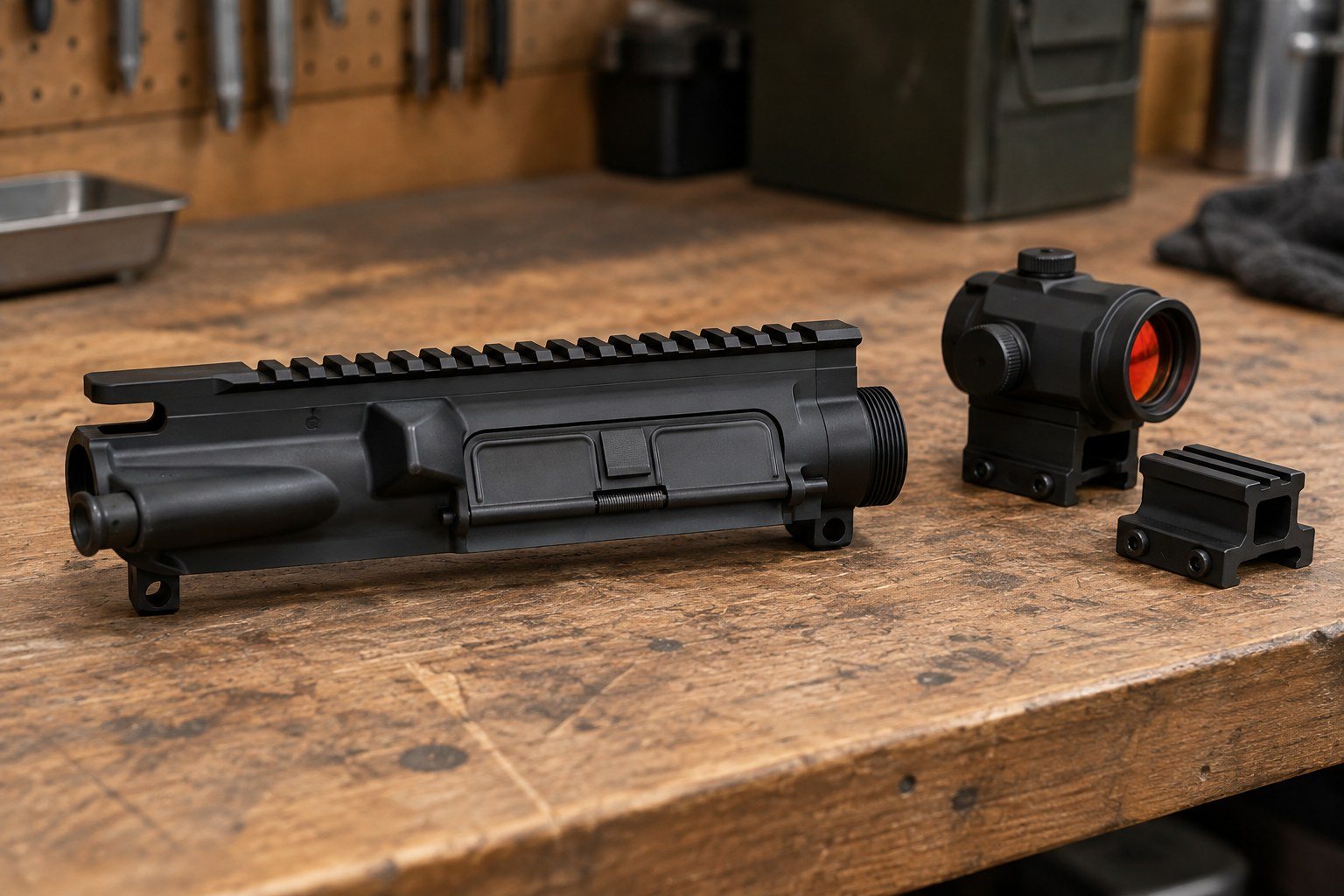
What a Flat Top Upper Means for Your Optic Choices
Learn how a flat top upper opens up red dots, LPVOs, magnified scopes and backup sights, plus what to check for rail space, height and mounts.
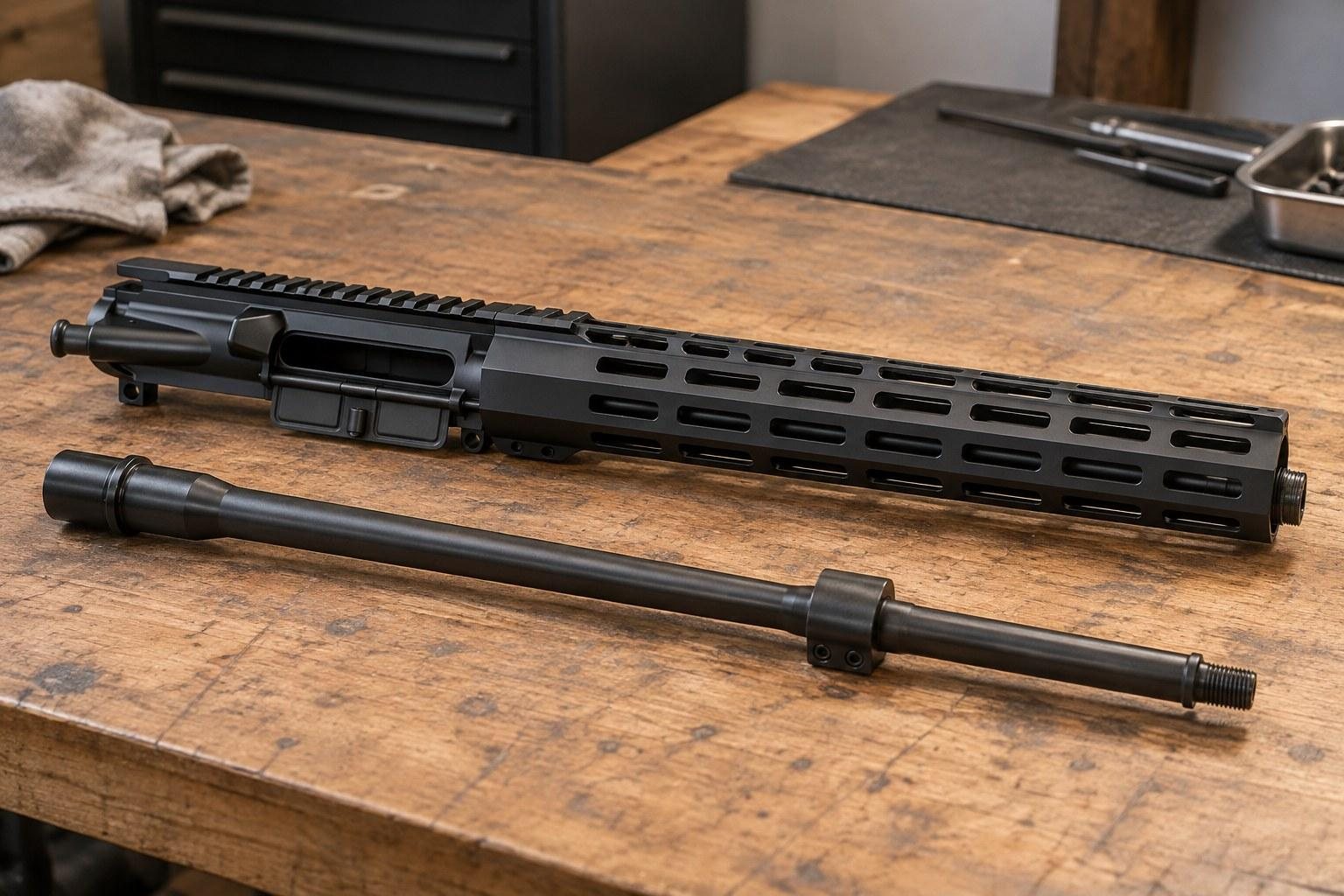
What a Low Profile Gas Block Means for Your Handguard Choice
Learn how an AR-15 low profile gas block affects handguard fit, free float clearance, journal diameter and rail length before you buy parts for your next upper.
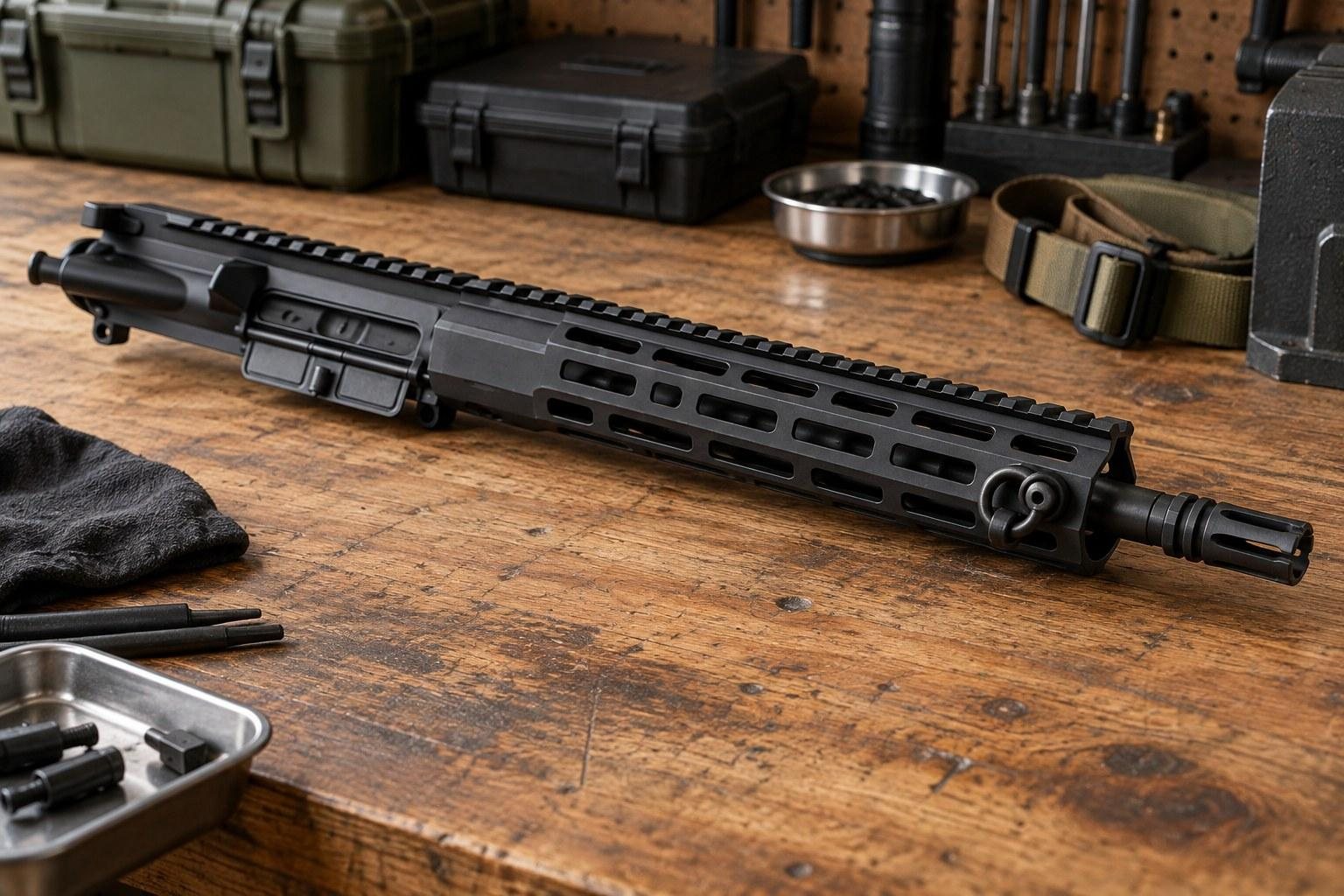
Where a QD Sling Mount Fits Best on Your Upper's Handguard
Learn where a QD sling mount works best on an AR-15 handguard, from the front of the rail to the receiver end, and how M-LOK and KeyMod affect placement.
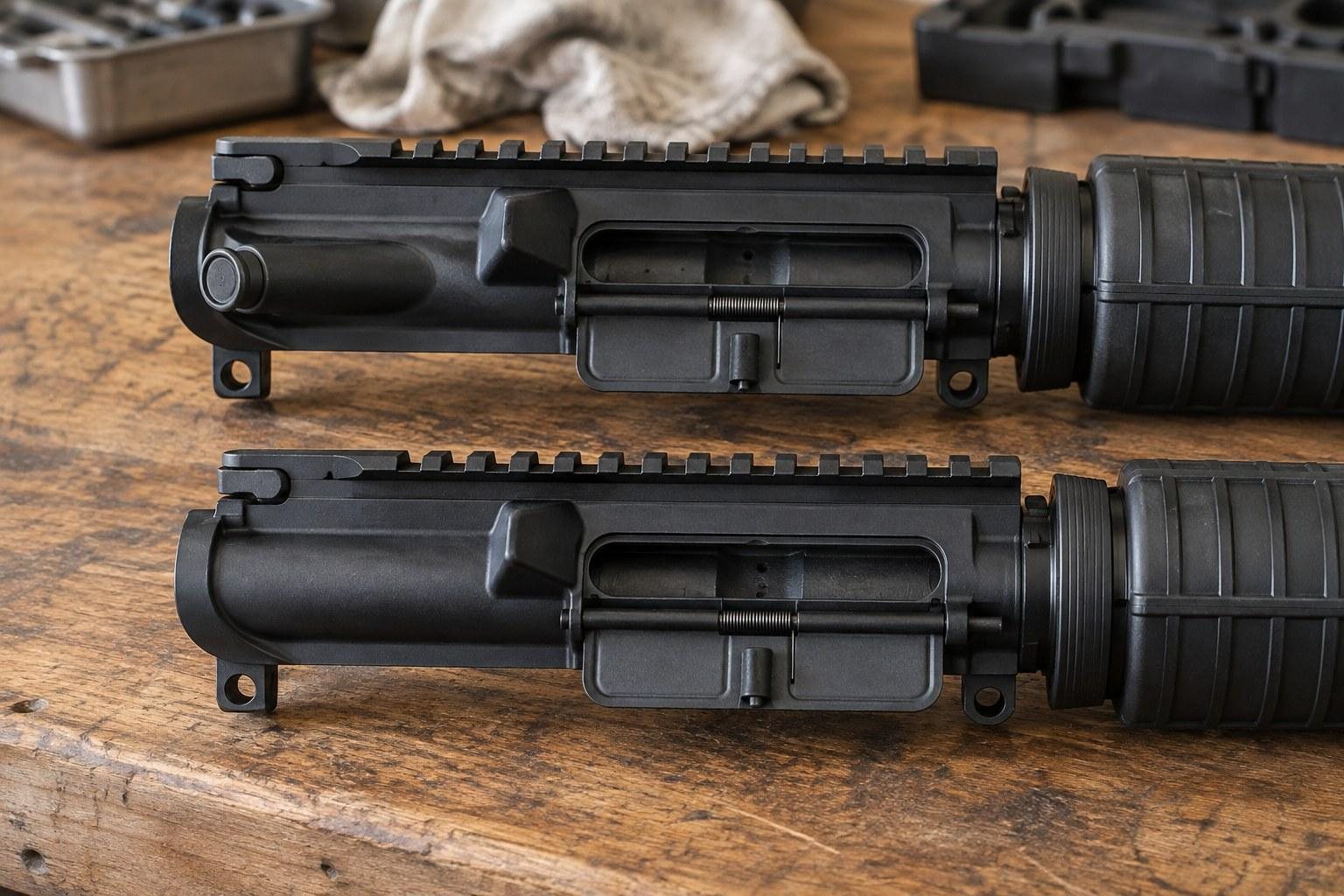
Which Upper Fits Your Needs, Forward Assist or Slick Side?
Forward assist or slick side upper? Compare function, weight, cleaning, cost and build goals so you can pick the right AR-15 upper receiver style.
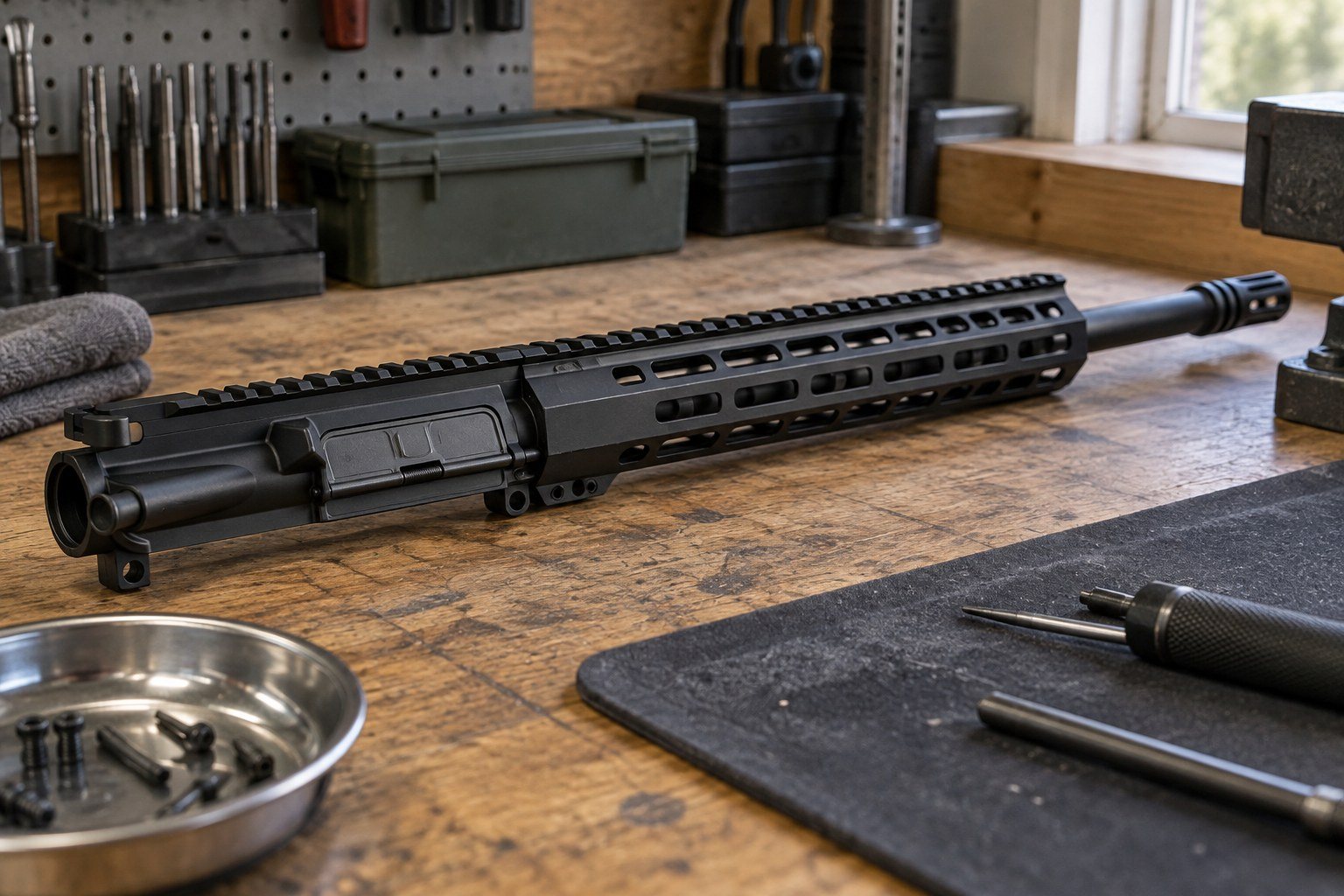
Why Barrel Nut Design Matters on Your Upper
Learn how barrel nut design affects handguard fit, gas tube alignment, accuracy and serviceability on an AR-15 upper, plus what to check before you build.
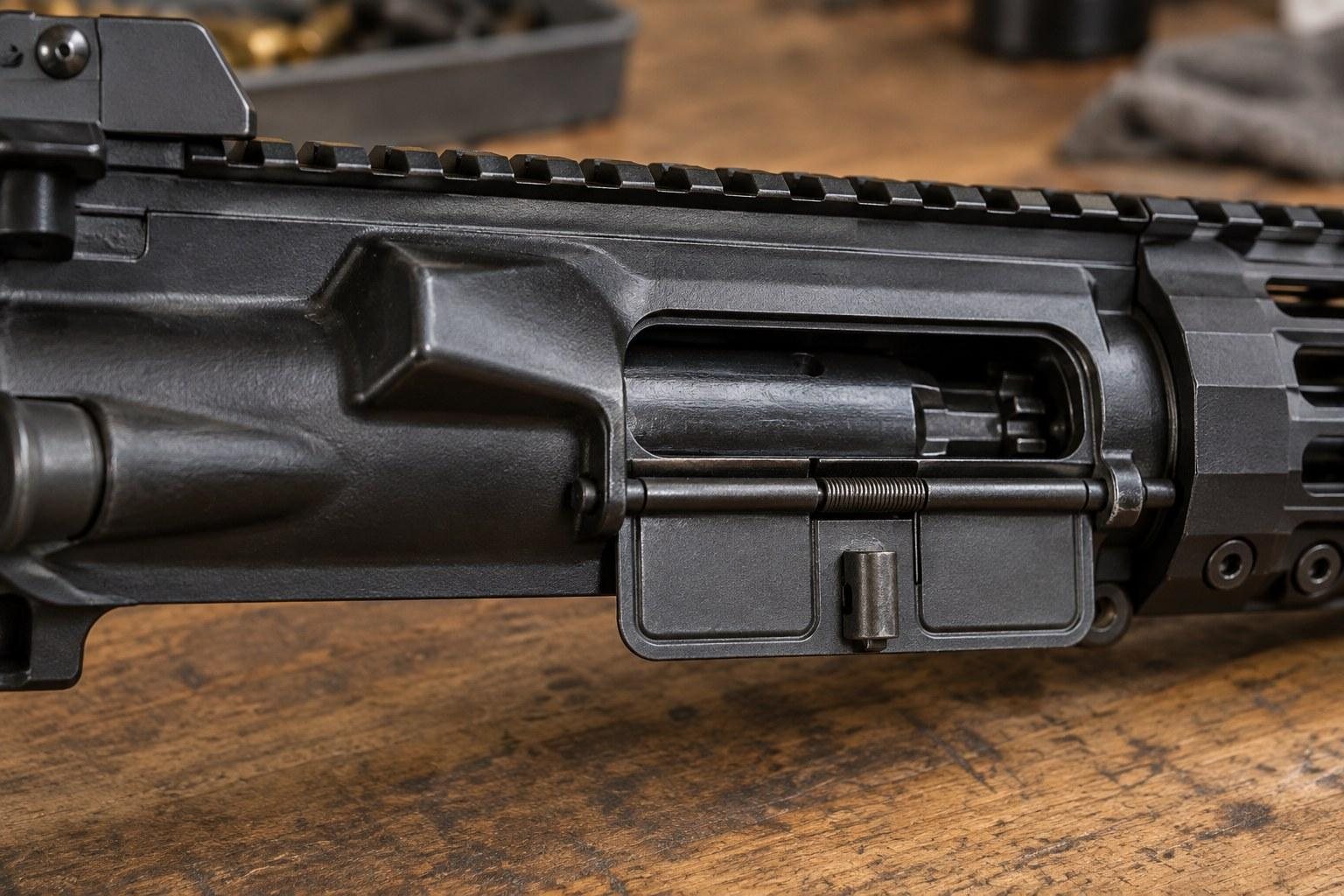
Why Your Upper Has a Brass Deflector and What It Does
Learn what the AR-15 brass deflector behind your ejection port does, why it matters for left-handed shooters, and how it fits into your upper receiver choice.
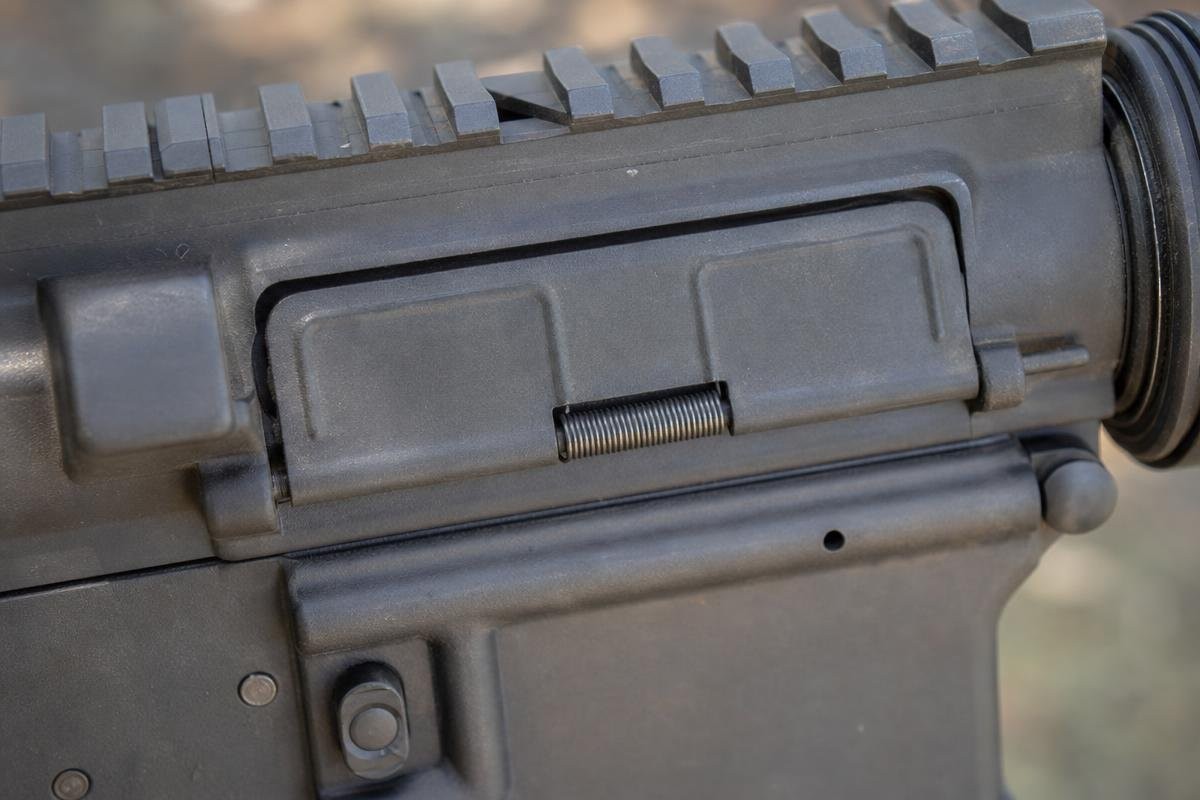
What It Does and Why It Matters - AR-15 Dust Cover Guide
What does an AR-15 dust cover do? Learn how it works, what parts it uses, and when to replace it. Shop dust covers at AR15Parts.com. Call (888) 706-0633.
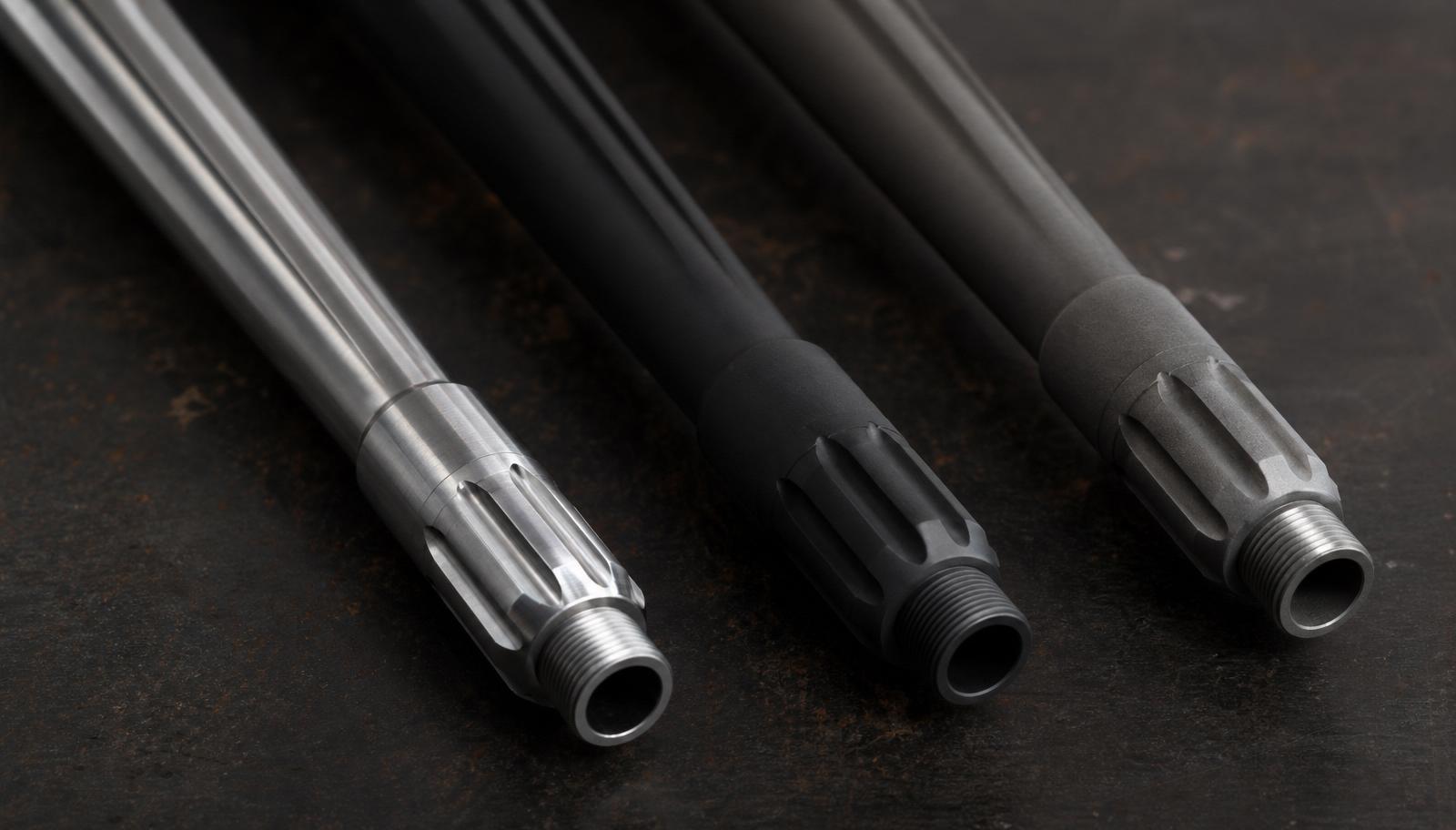
Chrome-Lined vs. Nitride vs. Stainless AR-15 Barrels
How chrome-lined, nitride, and stainless AR-15 barrels differ on accuracy, barrel life, cost, and maintenance, and which one is right for your build.

AR-15 Twist Rate Guide: 1:7 vs. 1:8 vs. 1:9 Explained
Quick answer: 1:7 stabilizes everything from 55 to 77+ gr, 1:8 handles 40 to 77 gr, and 1:9 tops out around 62 gr. Use the chart to match twist rate to your ammo.
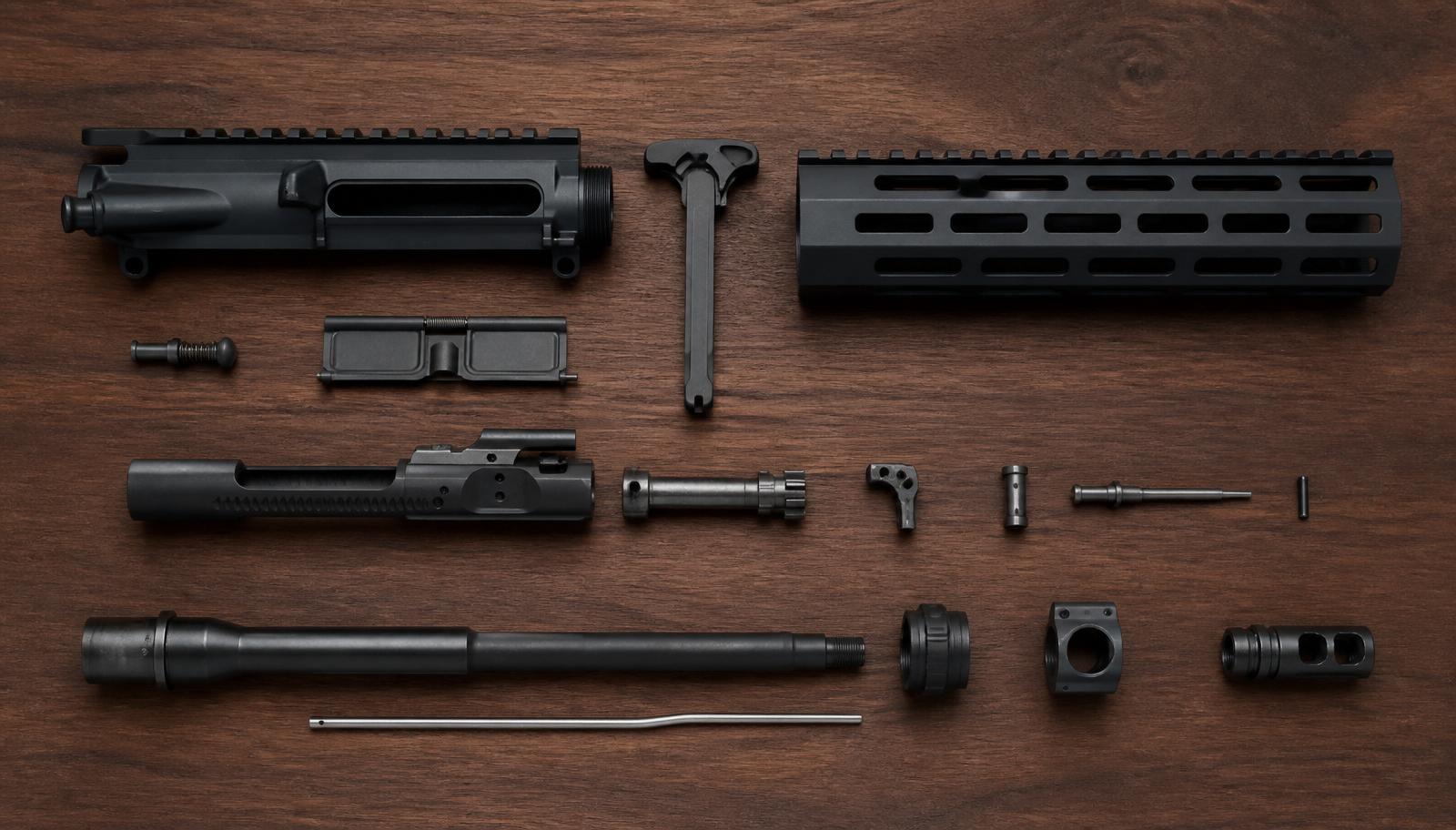
AR-15 Upper Parts List: Complete Anatomy of Every Component
A complete AR-15 upper receiver parts list explaining what each part does, how it interacts with the rest of the group, and where it commonly fails.
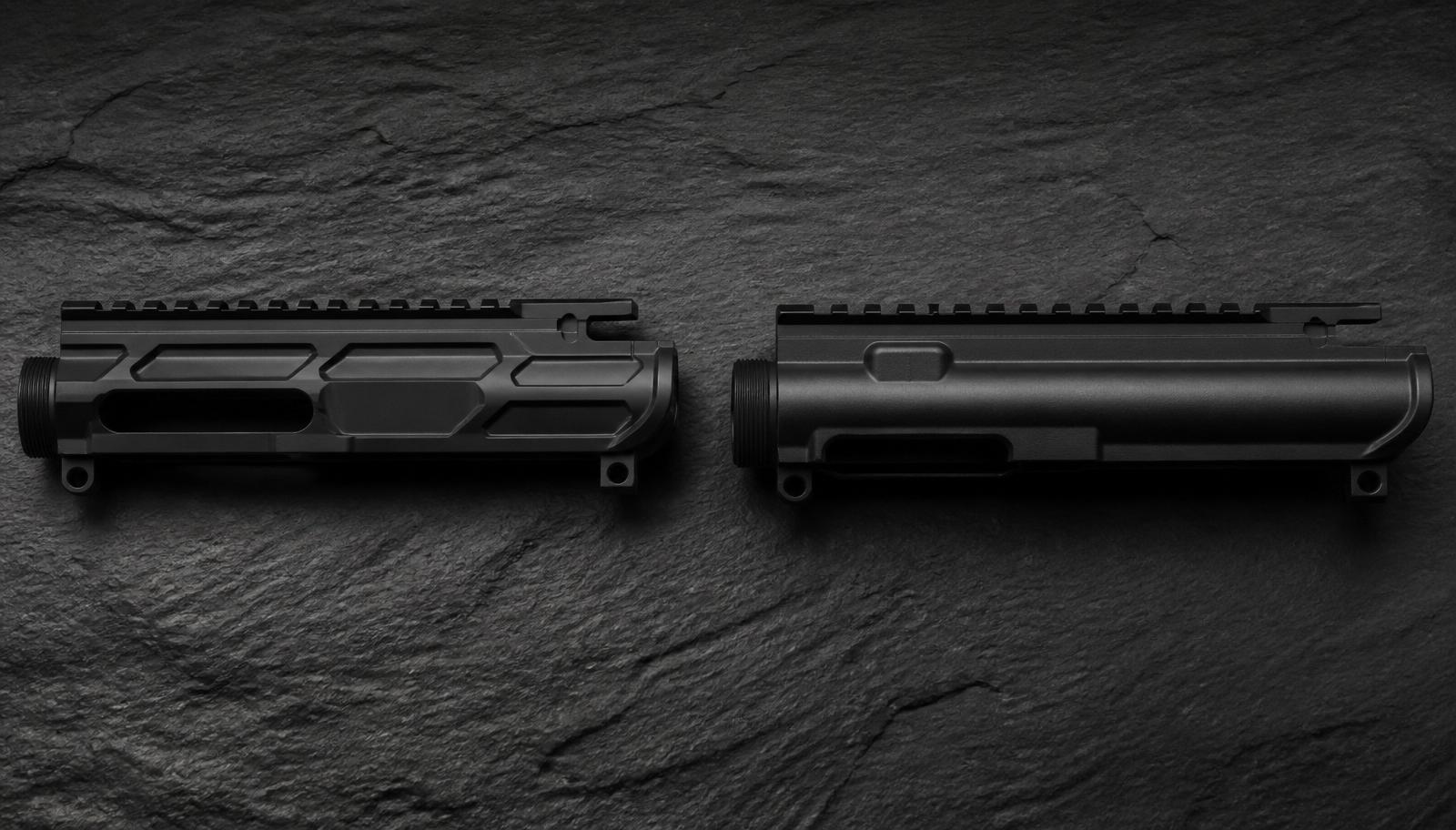
Billet vs. Forged Upper Receivers: The Complete AR-15 Comparison
Billet vs. forged AR-15 upper receivers compared: manufacturing, 7075 vs. 6061 aluminum, strength, weight, finish, fit, cost, and which to buy.
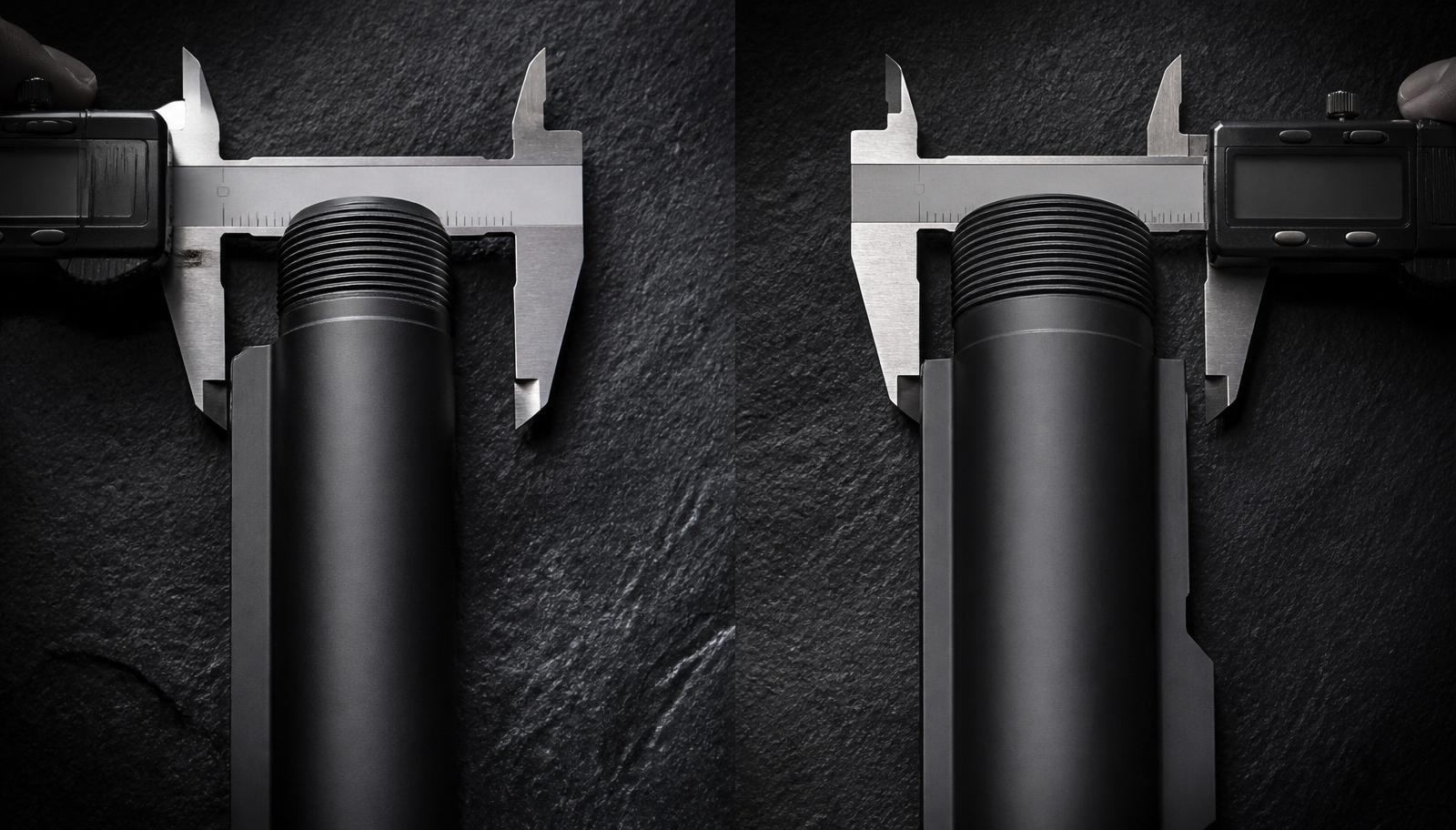
Mil-Spec vs. Commercial AR-15 Uppers and Parts: What Actually Differs
Mil-spec vs. commercial AR-15 parts explained: where the difference actually exists (mainly buffer tubes), where it's just marketing, and what to buy.
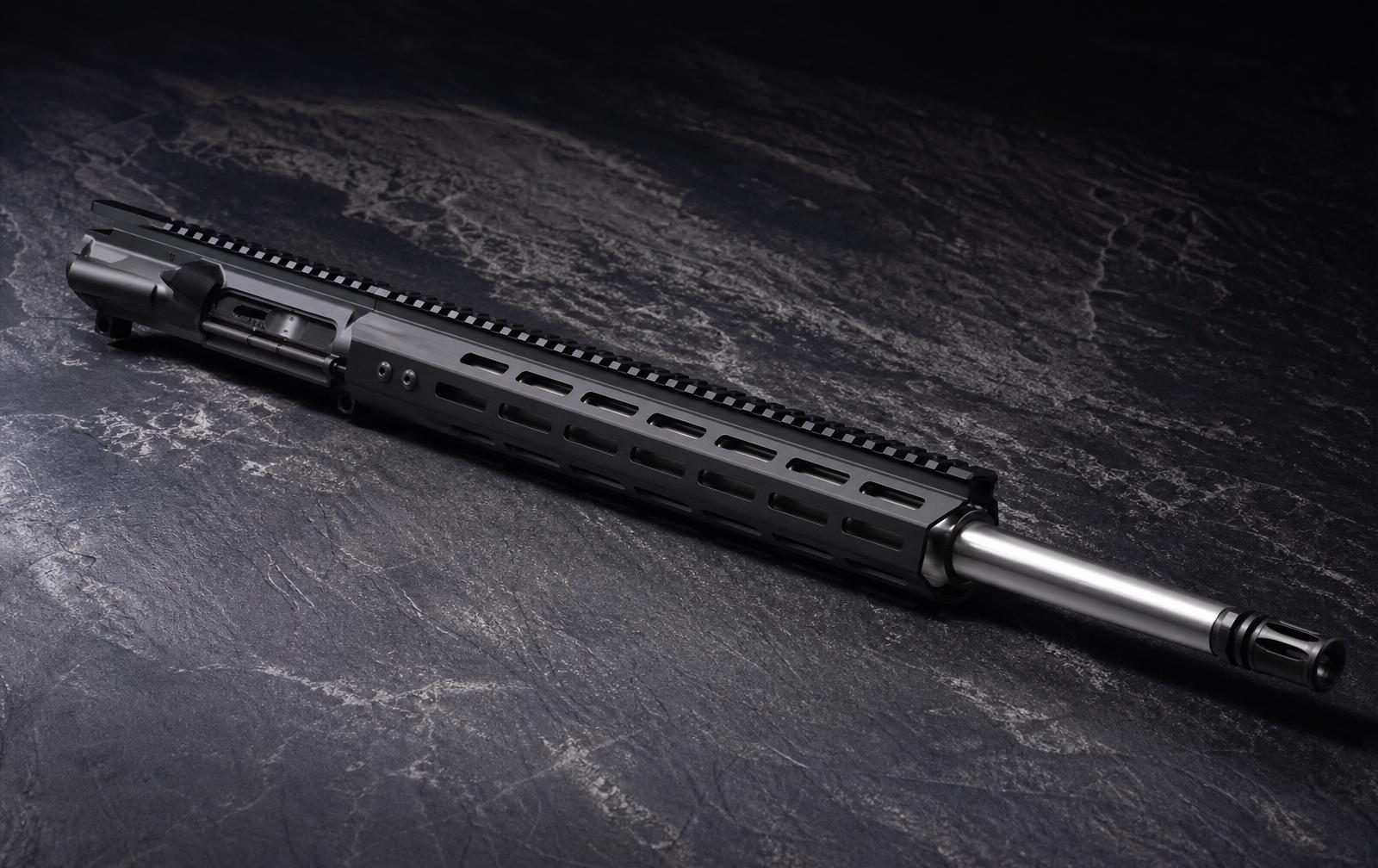
AR-15 Upper Receiver: Complete Technical Guide
The definitive pillar guide to AR-15 uppers, anatomy, stripped vs. complete, caliber options, legal classification, installation, and matching an upper to your use case.
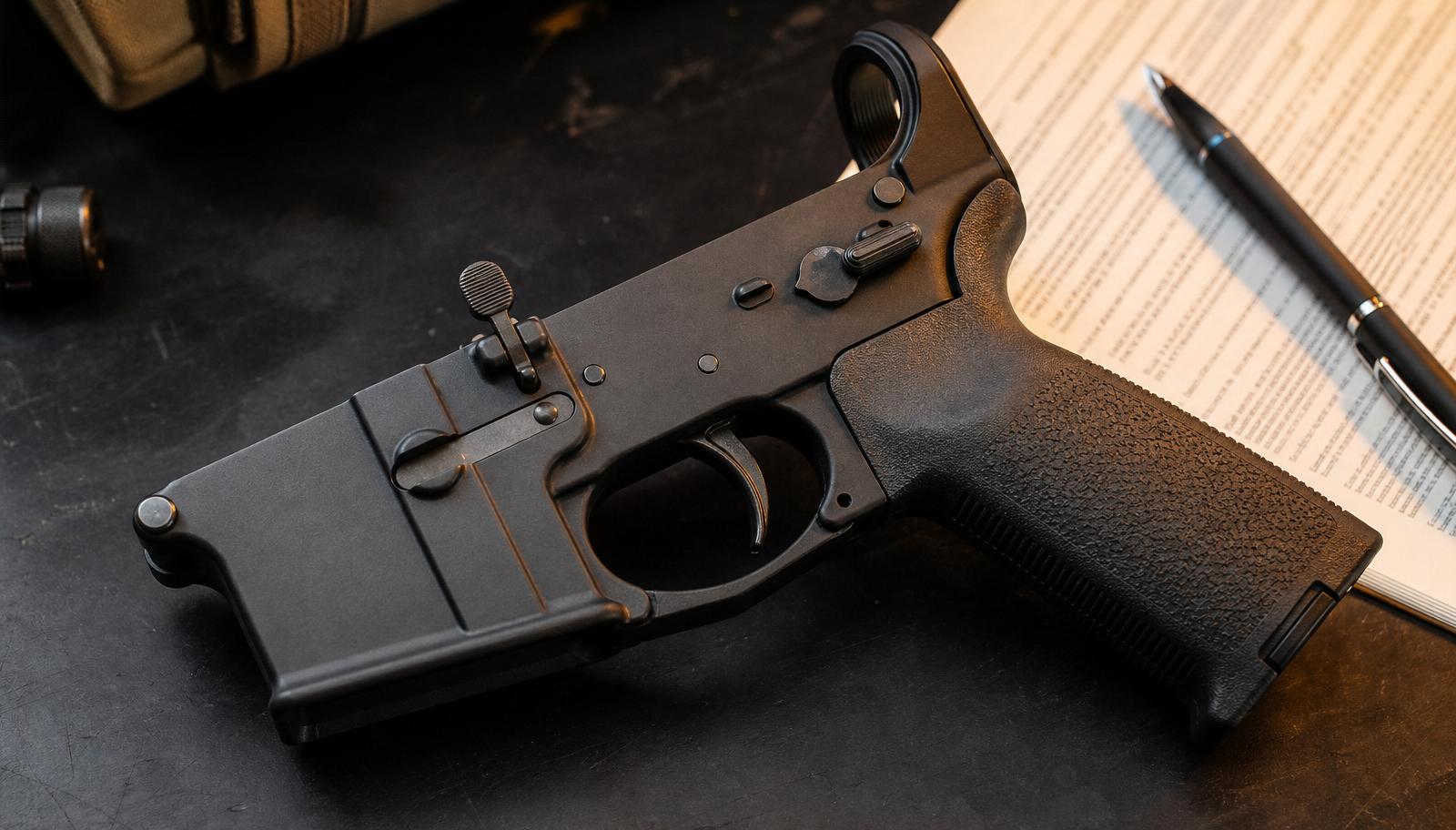
Is an AR-15 Upper Considered a Firearm?
No. Under federal law only the serialized AR-15 lower is the firearm. Uppers, stripped or complete, ship to your door with no FFL or background check. State laws can differ.