Guide Categories
Complete Uppers
Ready-to-run upper assemblies: what they include and how to choose.
Upper Receivers
Stripped and assembled receivers, forgings, billet, and specs.
Buying Guides
Best-of roundups and brand comparisons for uppers at every budget.
Builds & Assembly
Step-by-step upper builds, torque specs, headspacing, and tools.
Calibers & Configurations
5.56, .300 BLK, .224 Valkyrie, and more, matched to your build.
Maintenance & Troubleshooting
Cleaning, gas tuning, and diagnosing common upper-receiver issues.
Featured Guides
What This Site Covers
AR15 Uppers is an independent editorial resource focused on the top half of the rifle: complete uppers, stripped upper receivers, barrels, gas systems, and the caliber choices that shape how a build shoots. We cover everything from first-time buyer decisions to advanced configuration questions.
Every guide is written to help shooters make informed choices before spending money. You will find caliber comparisons, build walkthroughs, assembly references, and maintenance procedures, all grounded in how AR-15 platforms actually behave at the range.
Topics We Cover
Complete Uppers
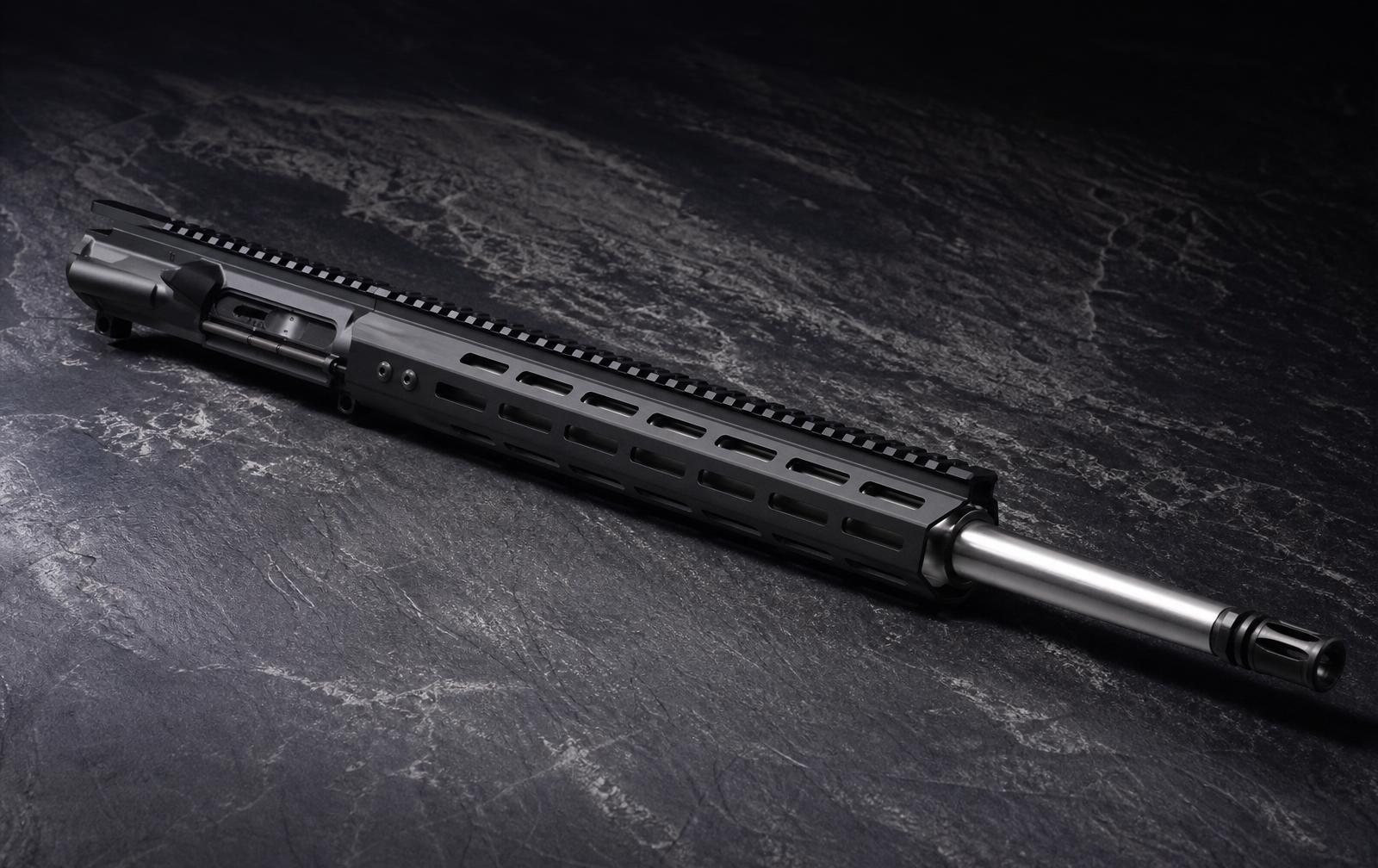
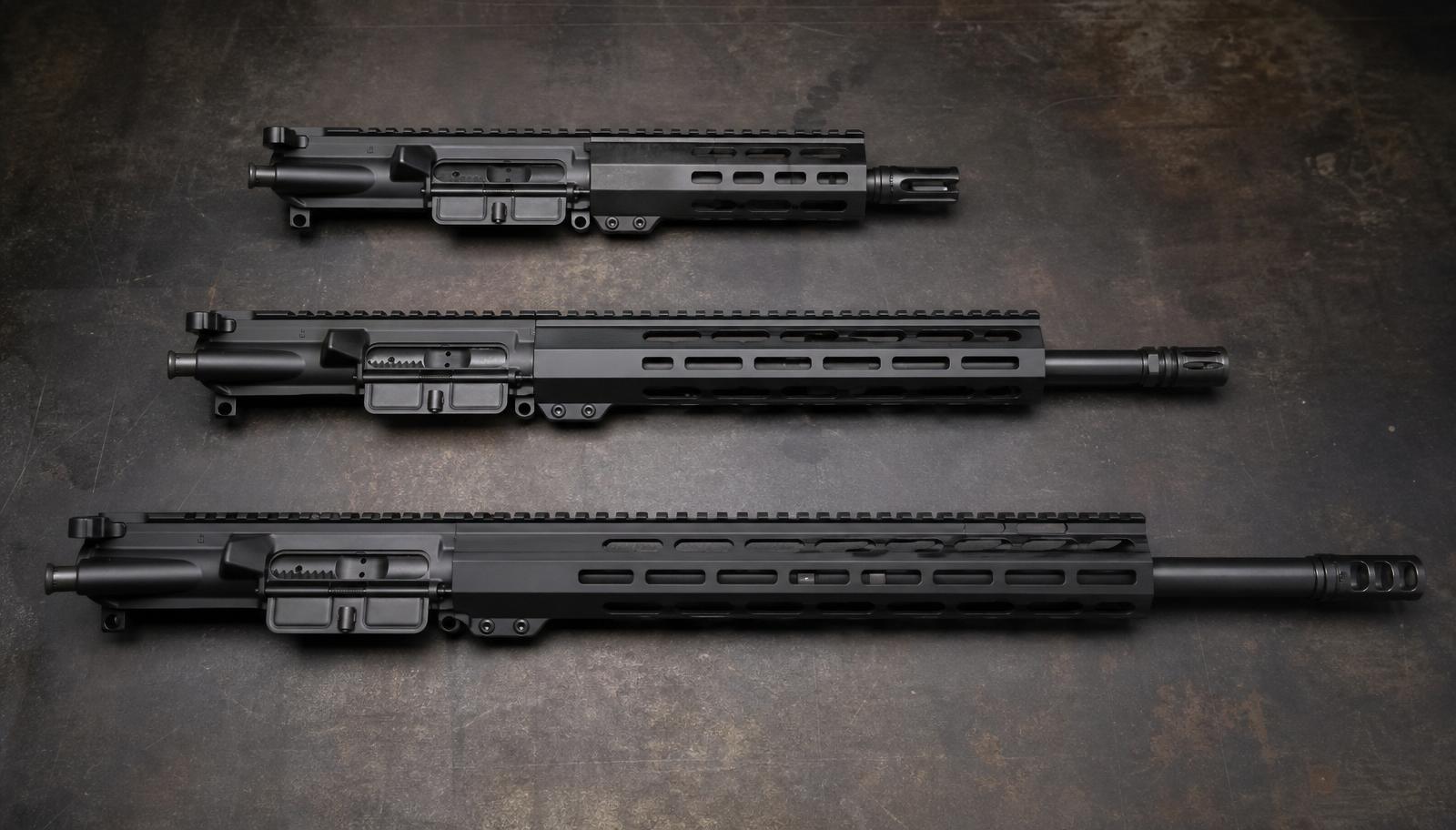
Complete uppers ship fully assembled with a barrel, handguard, bolt carrier group, and charging handle installed. Our complete upper guides walk through drop-in options for 5.56 NATO, .223 Wylde, 300 Blackout, and pistol-length builds, plus how to evaluate barrel quality, gas system length, and handguard fitment before you commit to a specific configuration.
Upper Receivers
Stripped and assembled upper receivers are the structural foundation of any AR-15 build. We cover forged versus billet construction, mil-spec dimensions, M4 feed ramps, and how flat-top receivers pair with different handguards and optics mounts. Good upper receiver guides help you understand which specs actually matter for reliability and which are cosmetic marketing.
Calibers & Configurations
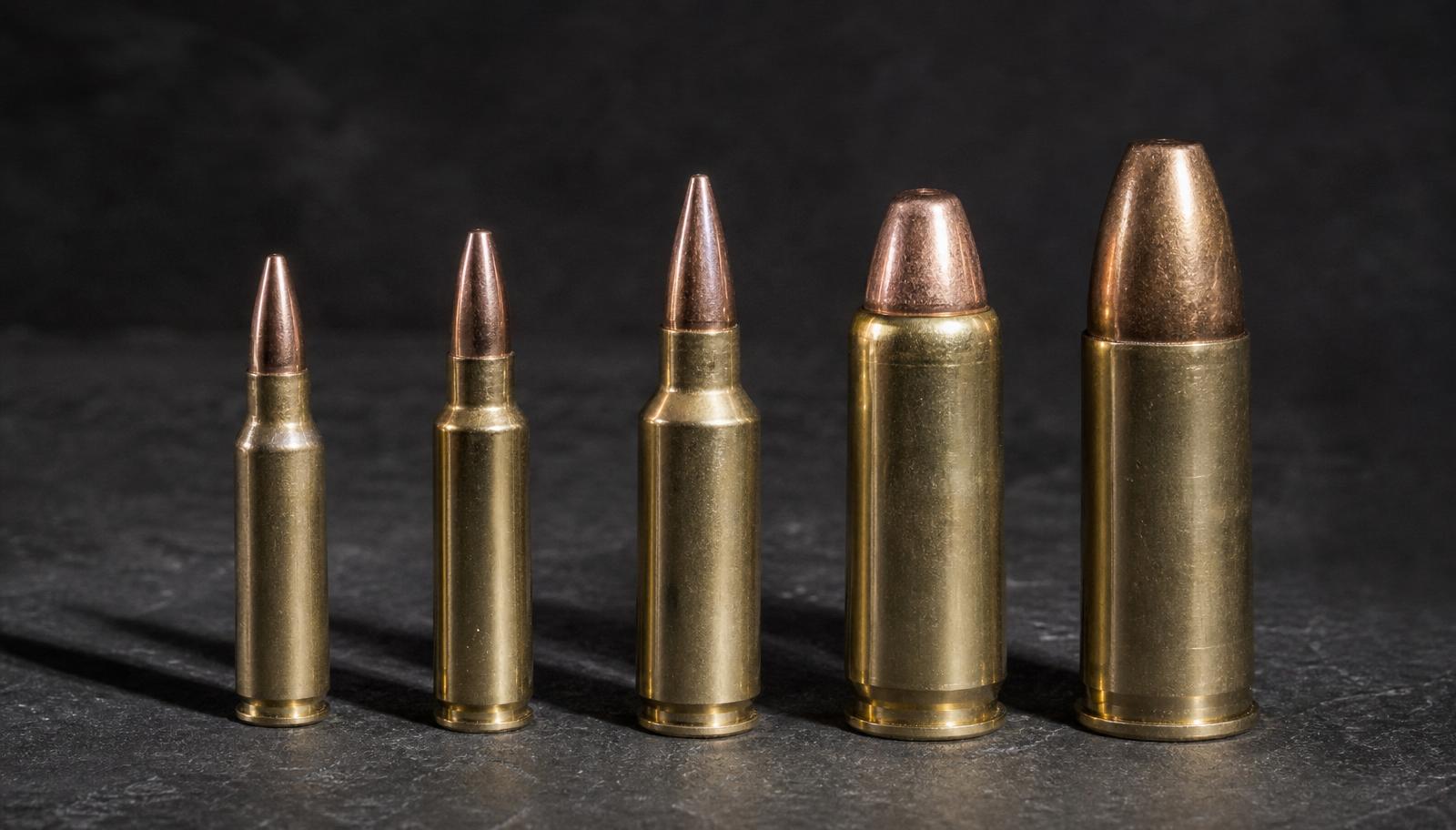
The AR-15 platform runs far more than 5.56. Our caliber comparison guides break down 5.56 NATO, .223 Wylde, .300 Blackout, 6.5 Grendel, 6mm ARC, .224 Valkyrie, and .350 Legend, covering ballistics, effective range, barrel twist rates, and which use cases each cartridge actually suits. Choose the caliber first, then the upper.
Builds & Assembly
Building an AR-15 upper is straightforward with the right torque specs and a clear order of operations. Our build guides cover barrel installation, gas block alignment, handguard indexing, and how to check headspace on a completed upper. Whether you are assembling a lightweight recce or a heavy-barreled precision setup, the process rewards patience over speed.
Maintenance & Troubleshooting
AR-15 uppers are low-maintenance but not no-maintenance. Our cleaning and troubleshooting guides cover bolt carrier group care, chamber inspection, gas system diagnostics, and the most common failure-to-feed and failure-to-eject causes. Regular lubrication and periodic inspection catch small problems before they become range-day showstoppers.
Buying Guides
Buying guides sit at the intersection of budget, use case, and quality tier. We compare complete uppers by price bracket, break down what changes when you jump from a $300 upper to a $900 upper, and flag the specs that separate a working duty-grade build from a range-only setup. Every recommendation links back to what you can actually buy right now.
Why Trust Our Guides
AR15 Uppers is an editorial project, not a storefront. We do not sell parts, and our recommendations are not paid placements. When we point to a component or configuration, it is because the specs, materials, or track record hold up under scrutiny.
Guides are written by contributors who build, shoot, and maintain AR-15s regularly. Every article is reviewed for technical accuracy, and we update pages as parts, standards, and best practices evolve. When you shop through our recommended retailer at ar15parts.com, you are seeing the same components we would put on our own rifles.