Maintenance & Troubleshooting Guides
Cleaning, gas tuning, and diagnosing common upper-receiver issues.
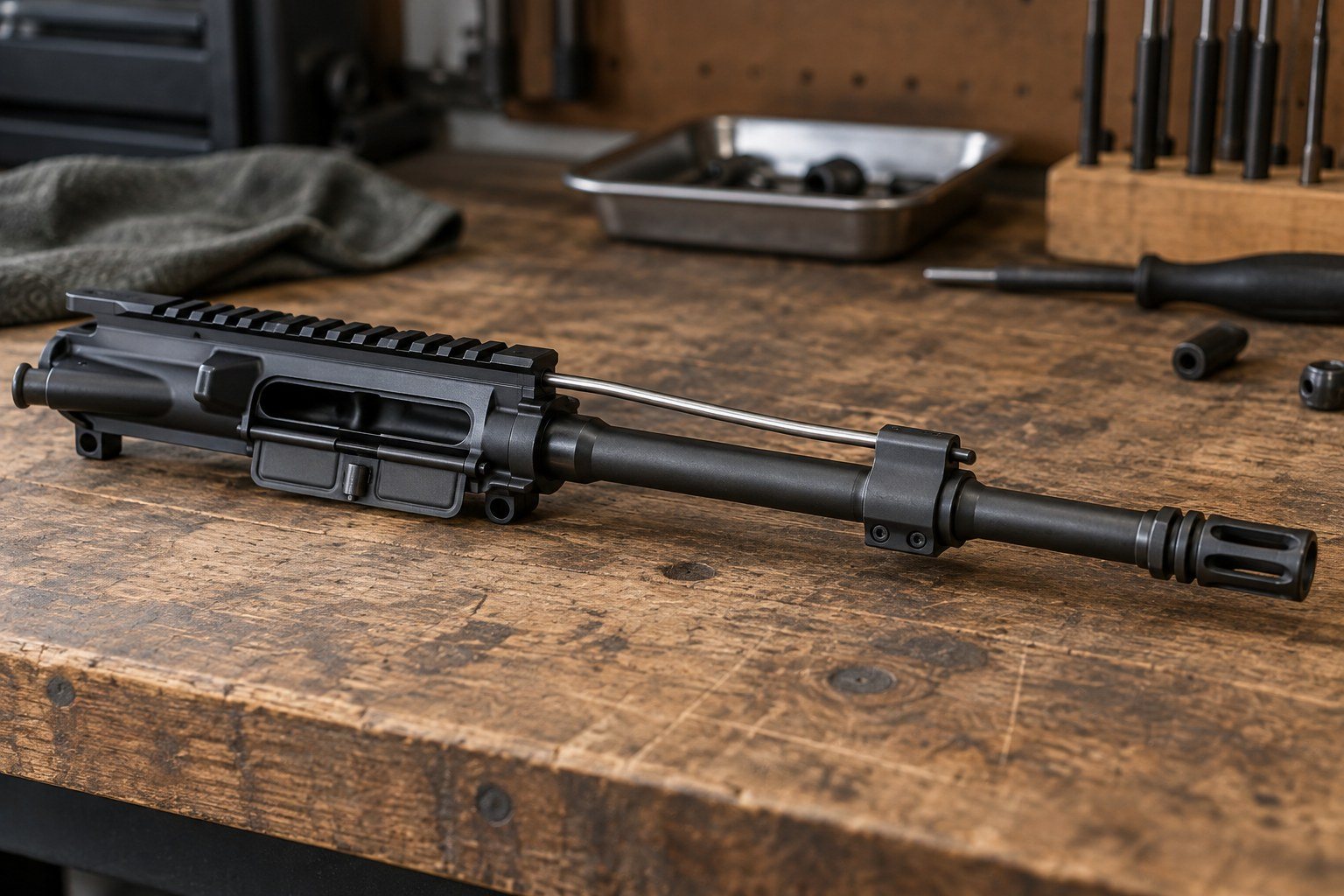
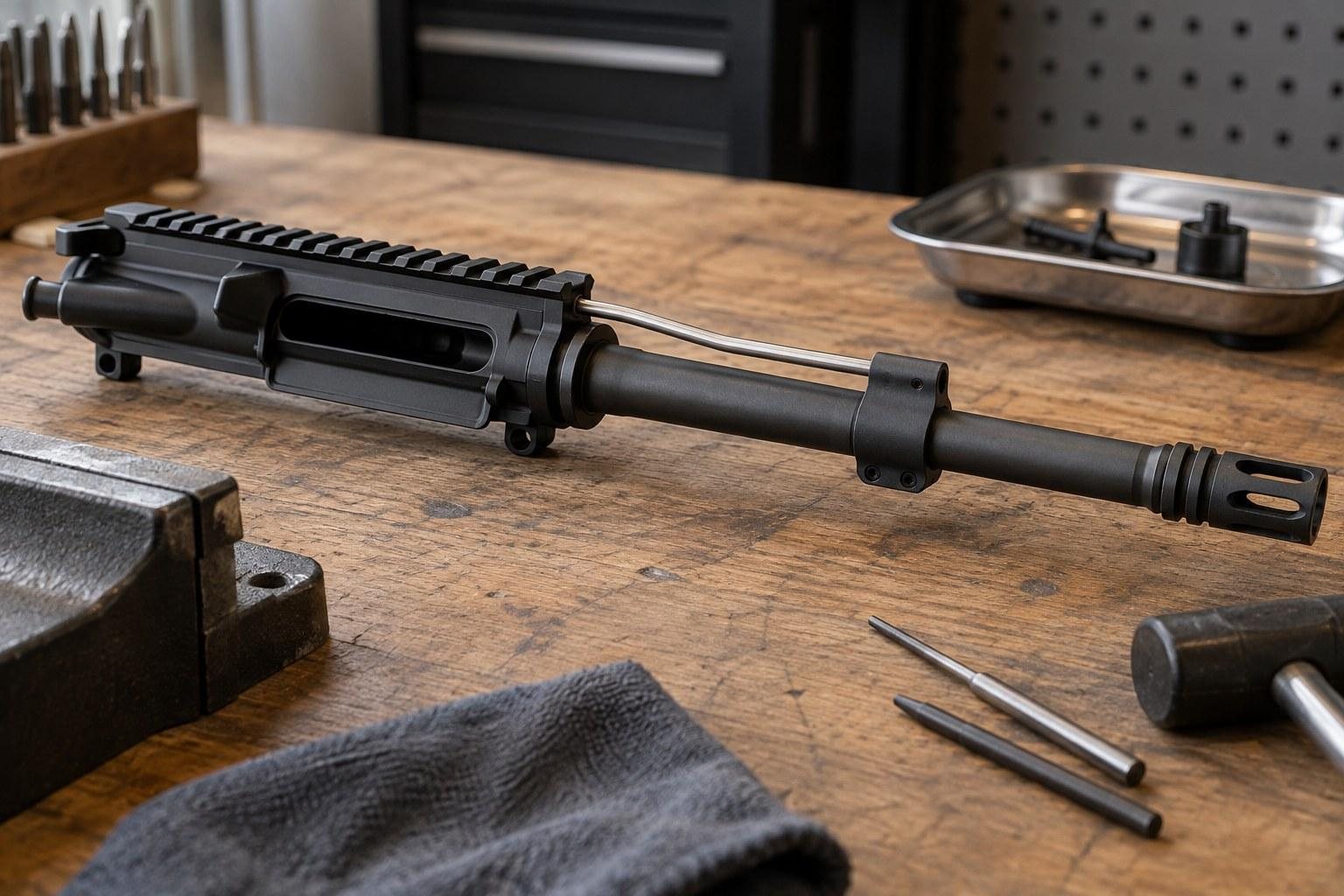
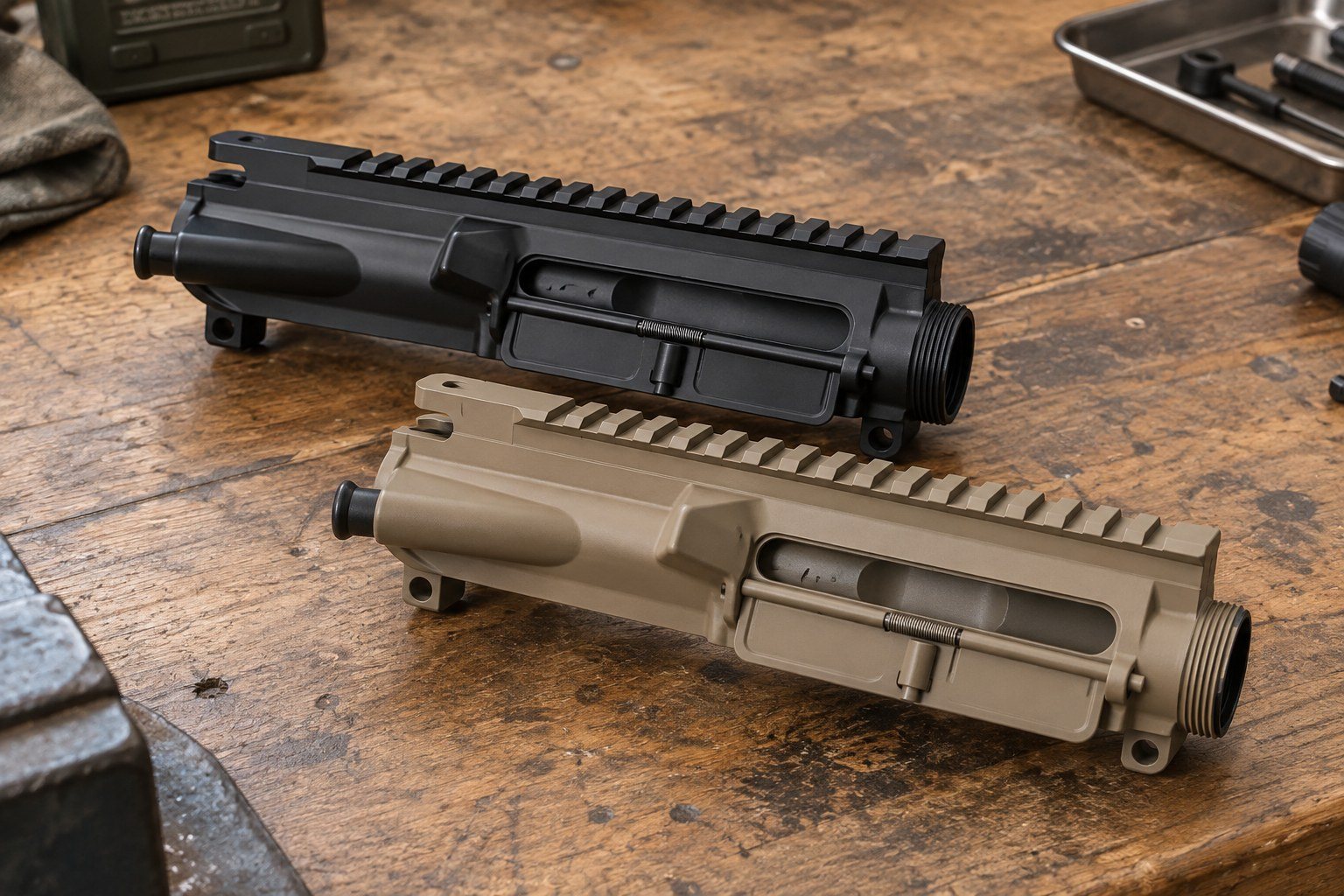
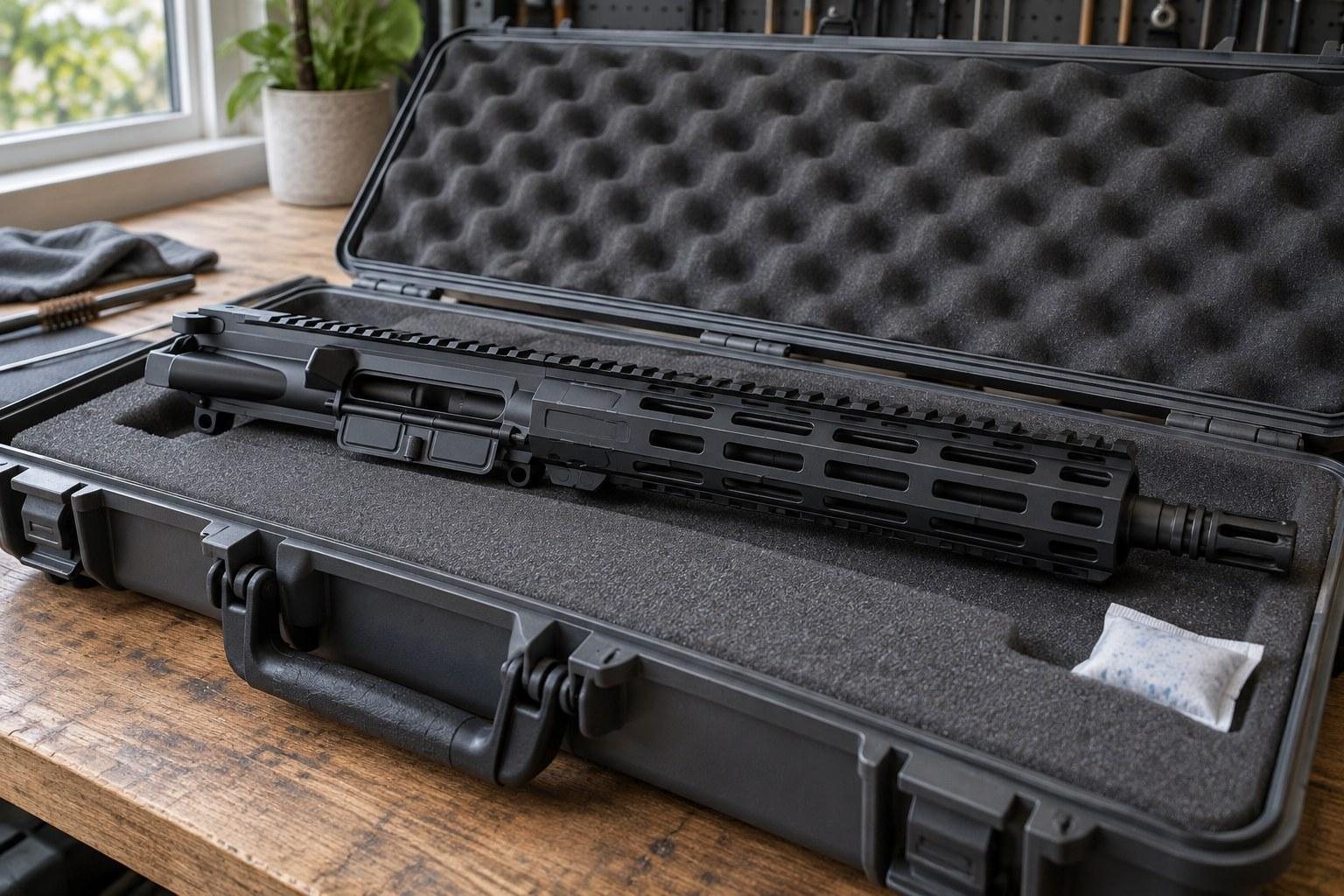
An AR-15 upper is a simple, durable machine, but it only stays that way if you keep it clean, lubricated, and correctly assembled. Most reliability complaints we hear, from failures to feed to short-stroking and stuck cases, trace back to a handful of causes: a dry or filthy bolt carrier group, a gas system that is out of tune for the ammo or suppressor, worn extractor springs, loose gas keys, or a barrel nut and muzzle device that were never torqued properly. The guides in this section help you prevent those problems and diagnose them quickly when they show up.
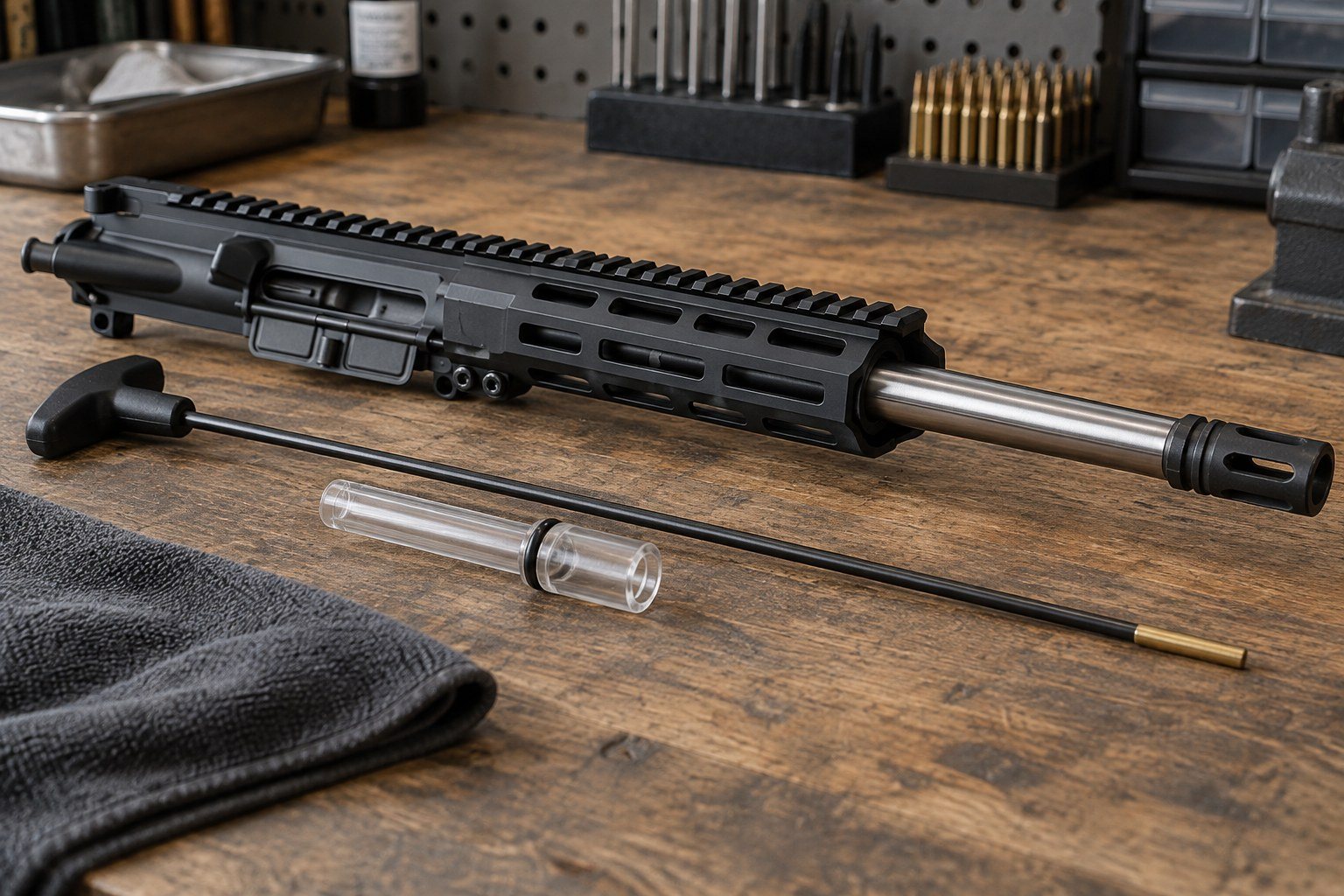
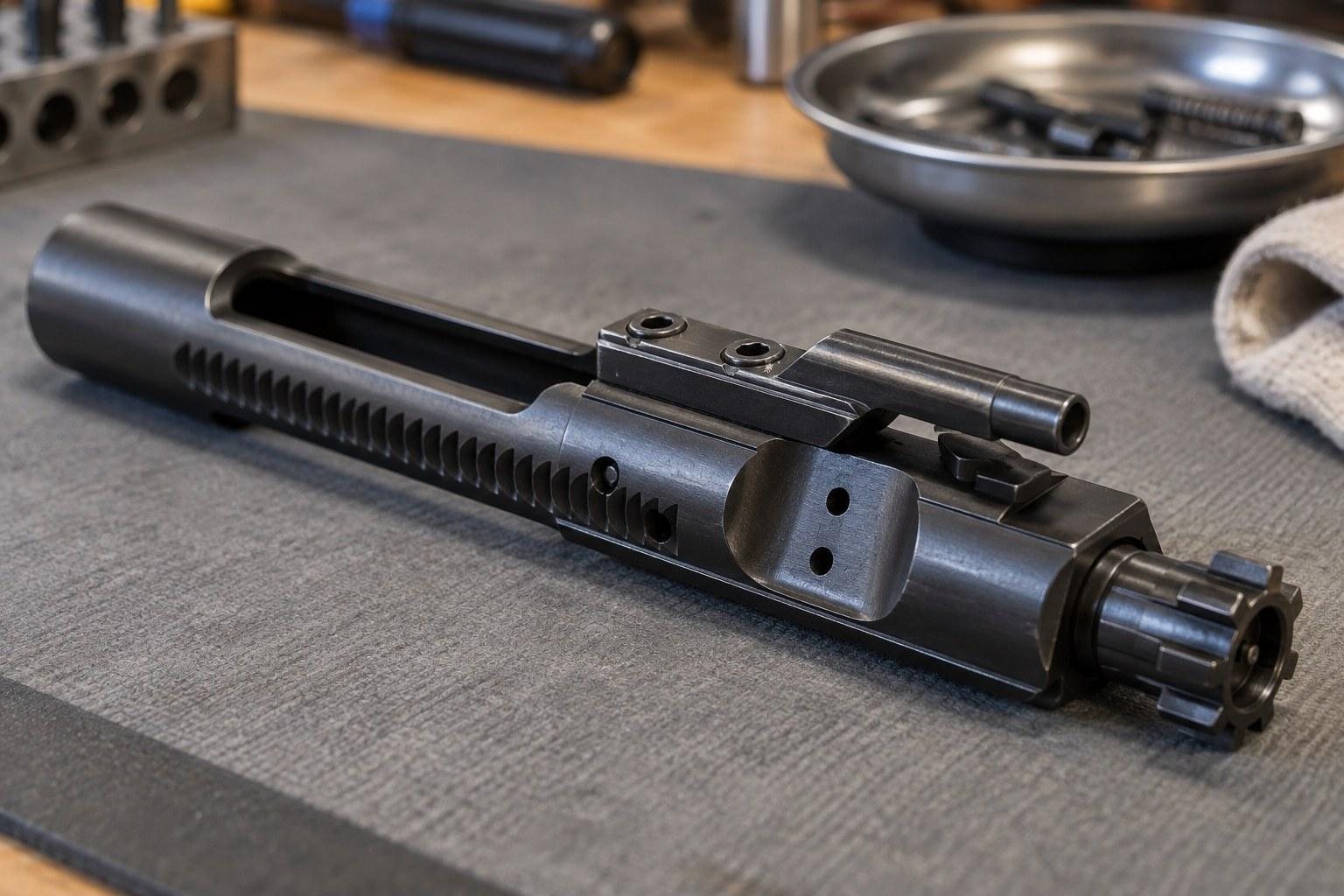
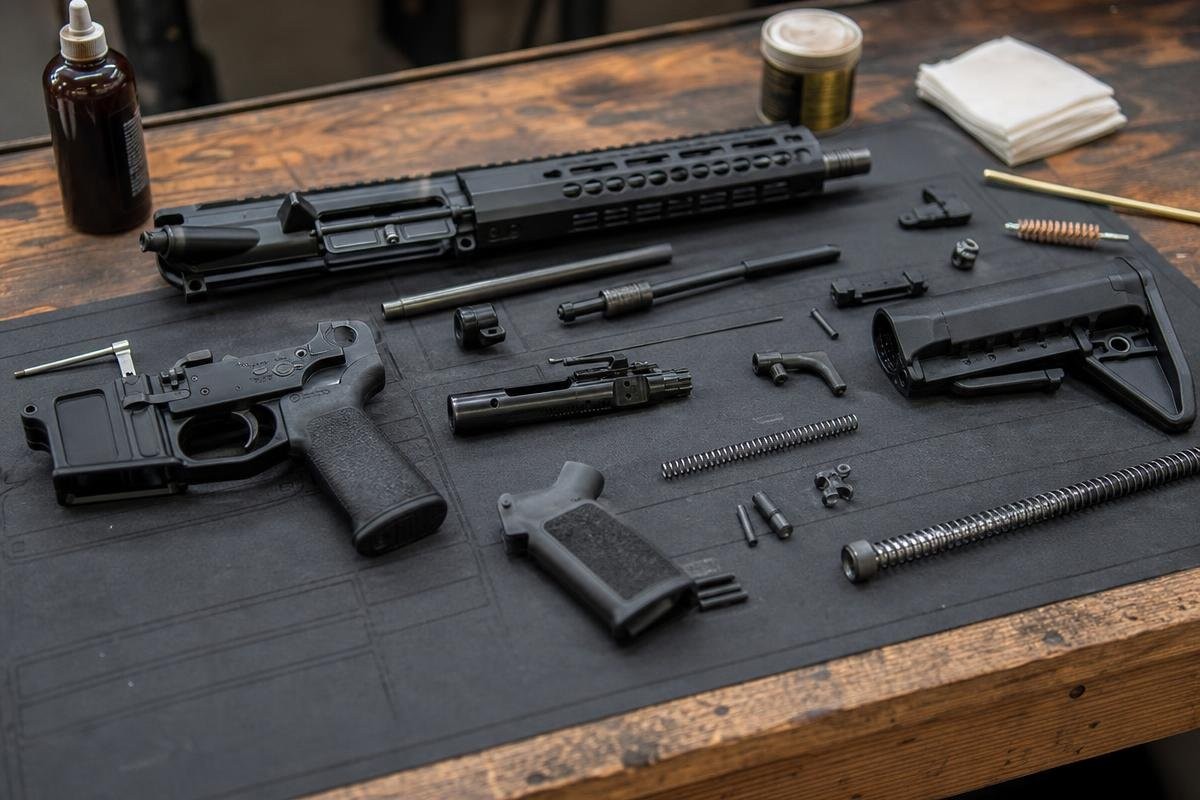
Start with routine care. Our upper cleaning guide covers field stripping, cleaning the bolt, carrier, and chamber, and where to put lubricant (and where not to). If you are building out your kit, the cleaning kit guide lists the tools that are worth owning and the ones you can skip. A clean rifle is not automatically a reliable one, though, so learn what normal wear looks like on your BCG. The bolt carrier group explainer and the BCG coatings comparison help you judge when parts need attention.
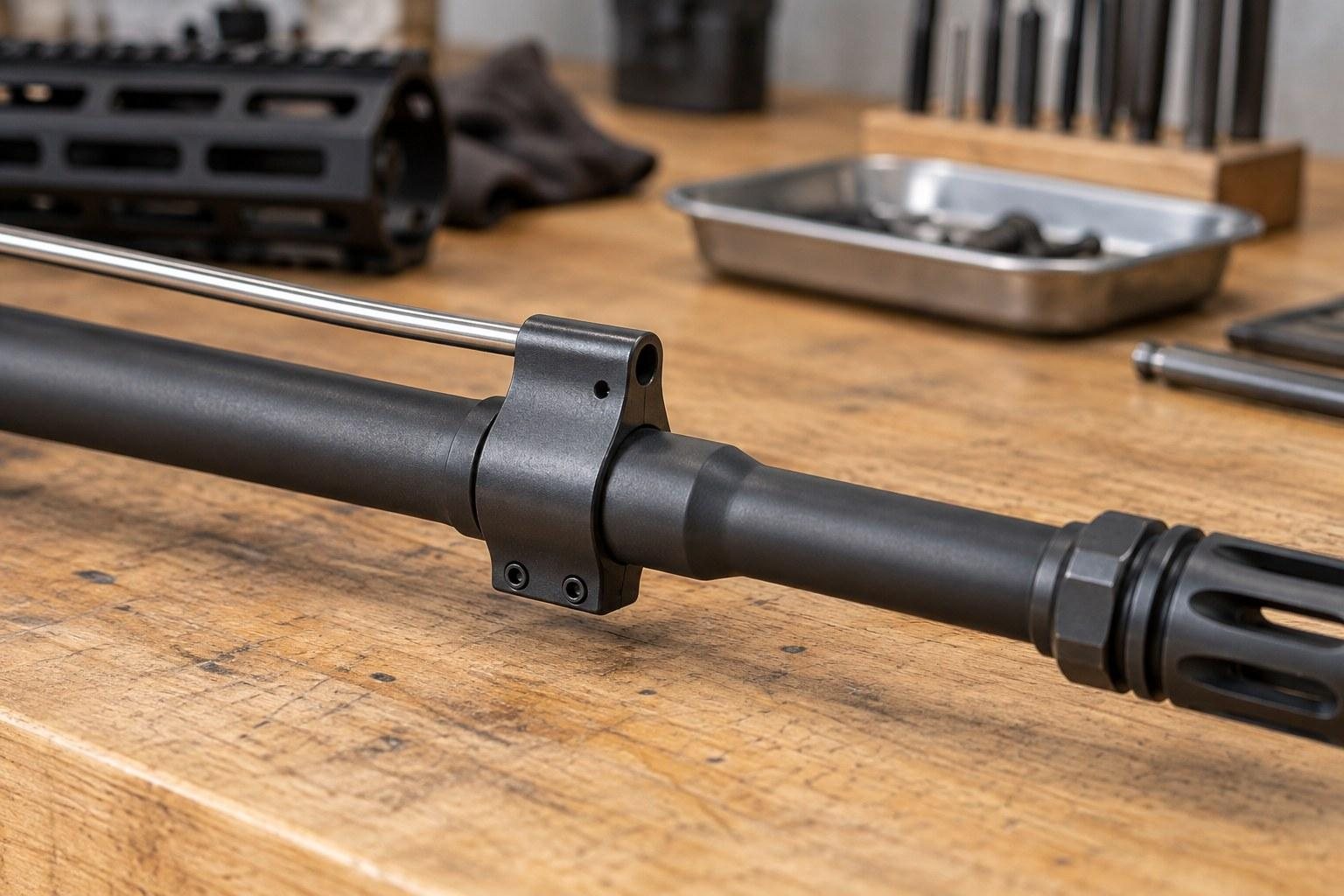
When something goes wrong, work through the problem methodically instead of swapping parts at random. The cycling issues troubleshooting guide walks through symptoms such as failure to eject, failure to lock back, and double feeds, and ties each one to its likely cause. Many of those causes are gas-related, so it helps to understand gas system length and when an adjustable gas block is the right fix, especially on suppressed or short-barreled builds.
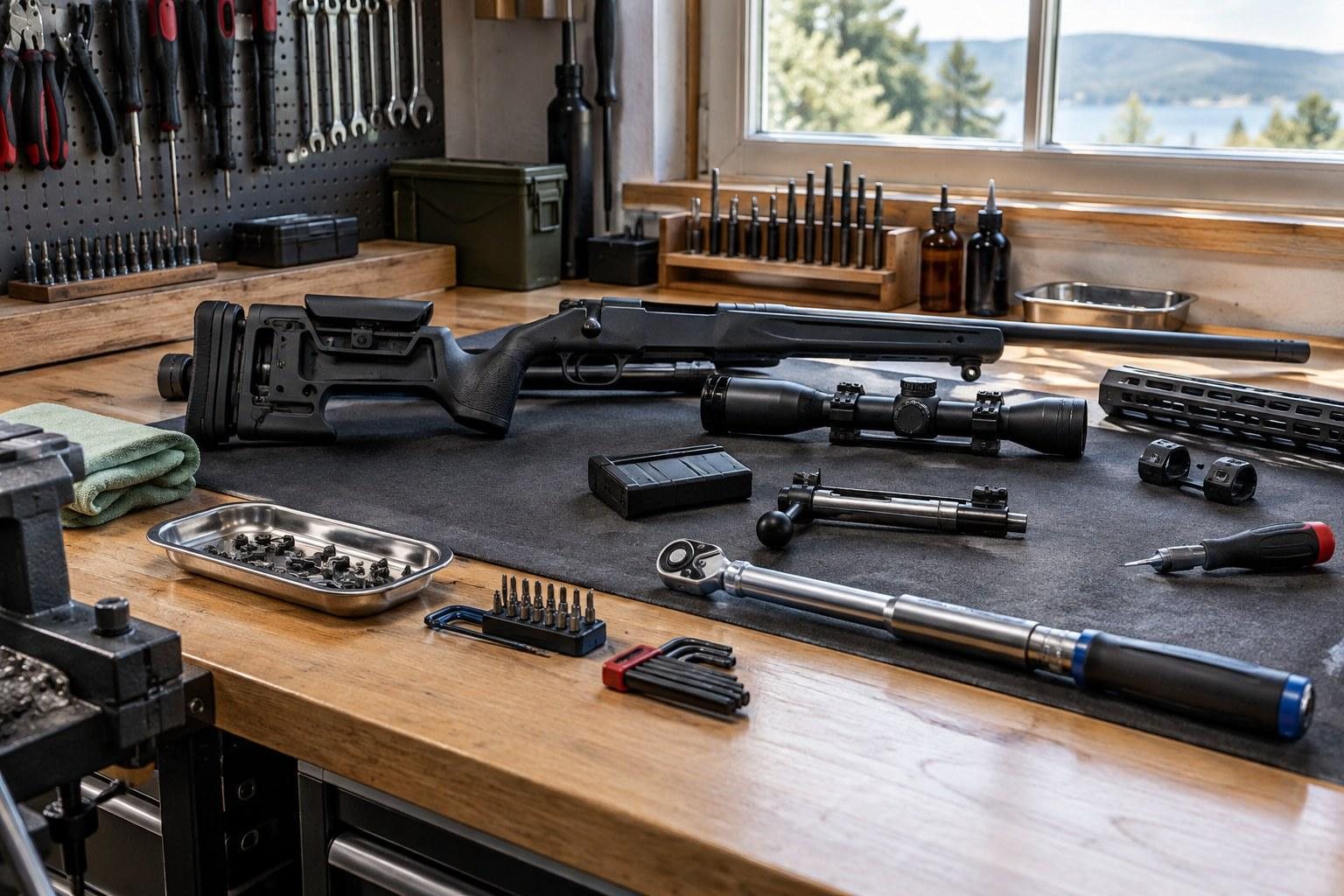
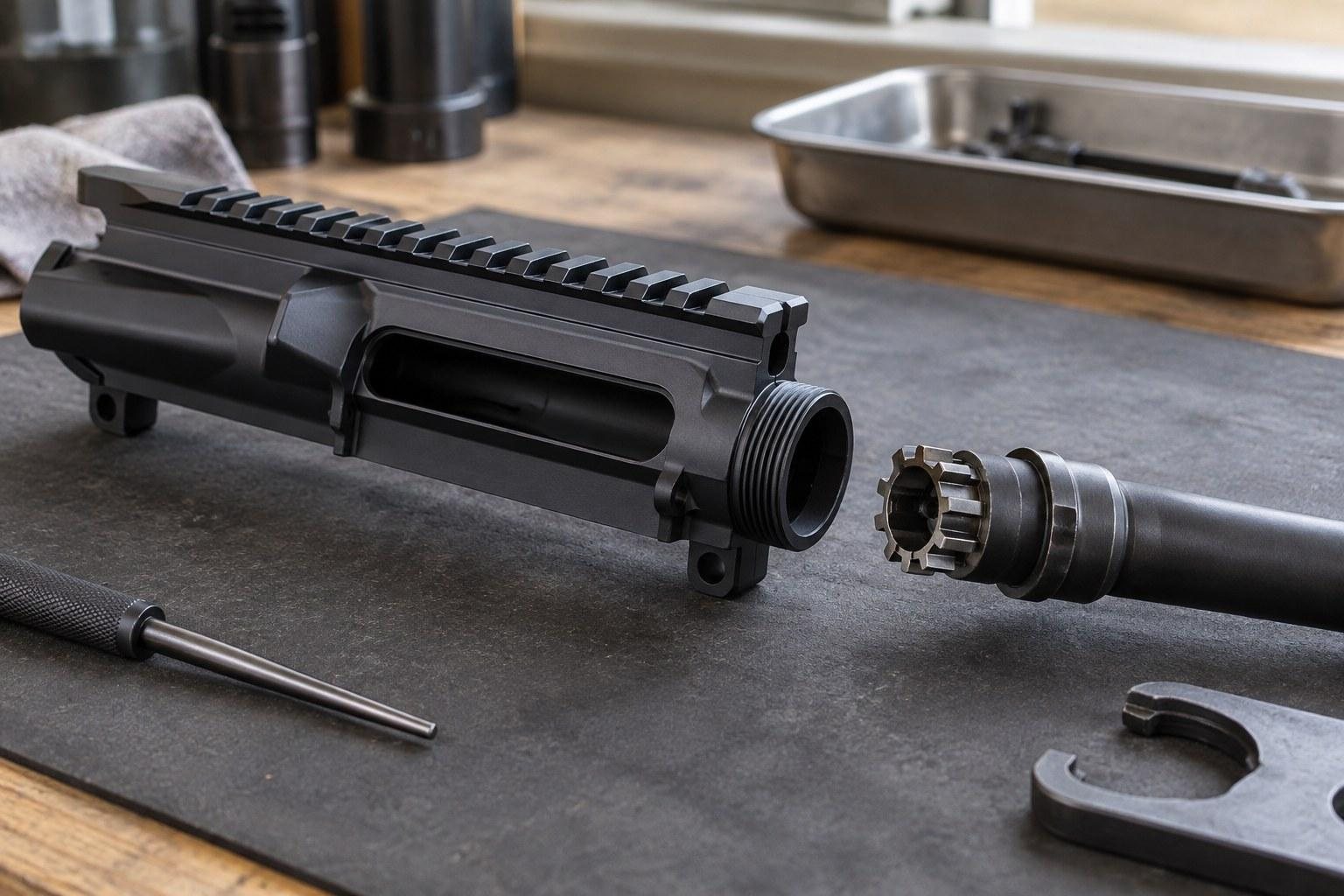
Some checks call for measurement rather than inspection. If you swap a bolt or barrel, or you notice unusual pressure signs on fired brass, our headspacing guide explains when and how to verify headspace with gauges. For reassembly, keep the upper torque specs cheat sheet handy so barrel nuts, gas blocks, and muzzle devices go back on to the right values. New barrel owners can also read our take on barrel break-in to see what actually matters for accuracy and longevity.
If a problem persists after cleaning, lubrication, and basic checks, have a qualified gunsmith inspect the rifle before you keep shooting it. Replacement parts and tools are available at ar15parts.com.
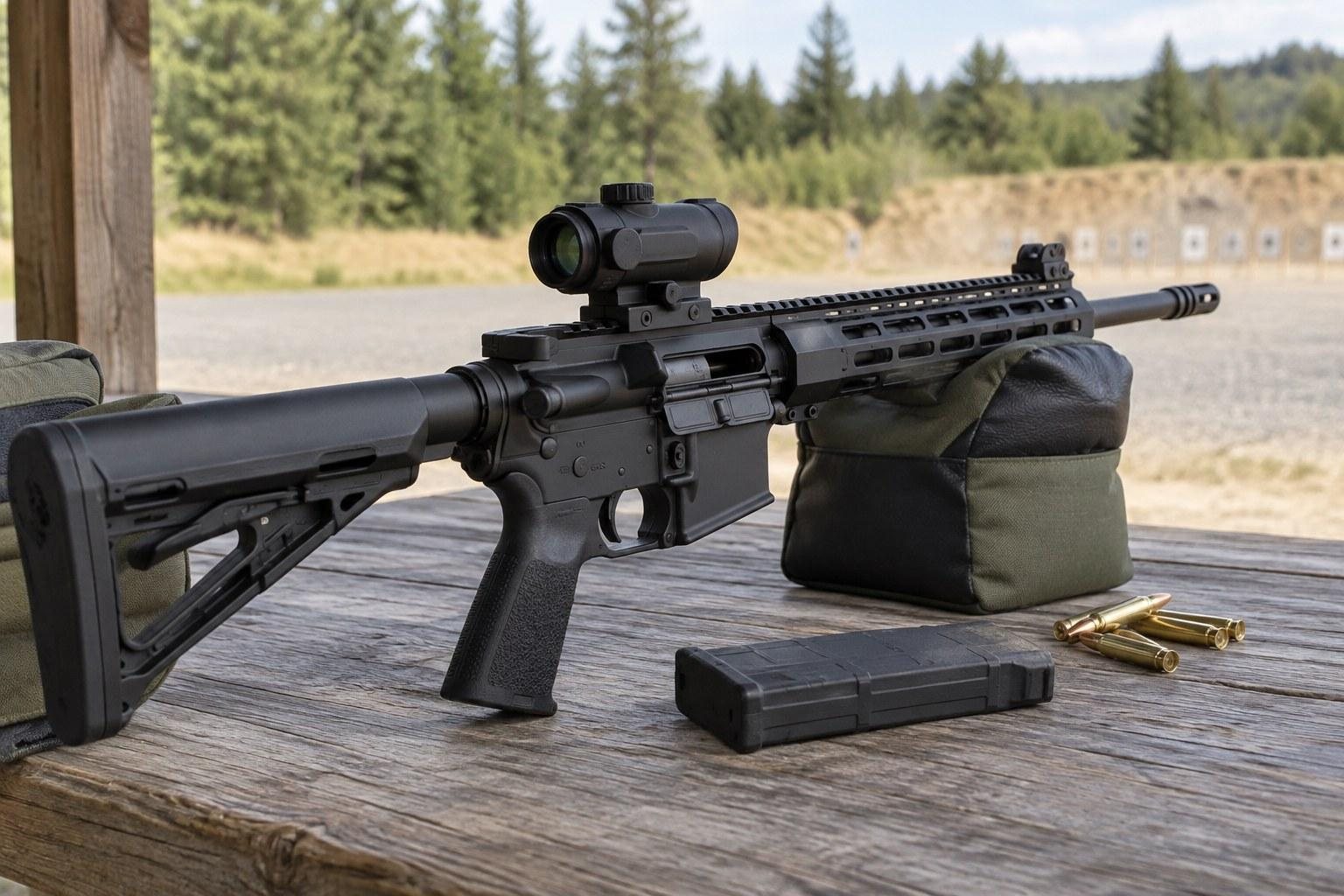
5 Quick Upper Receiver Safety Checks Before Every Range Trip
Run these five upper receiver checks and a simple AR-15 function check before every range trip to catch loose parts, dry bolts and caliber mix-ups early.