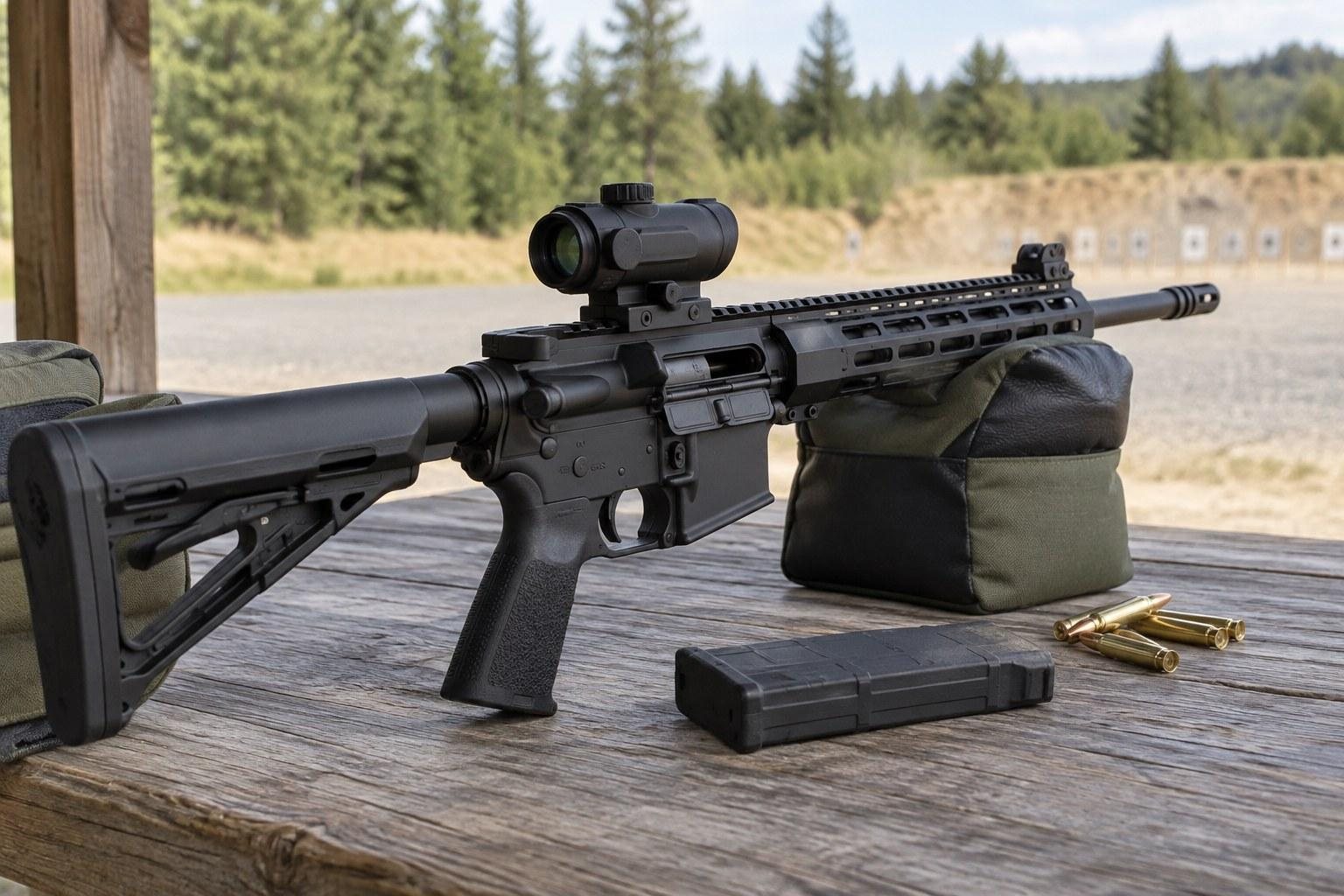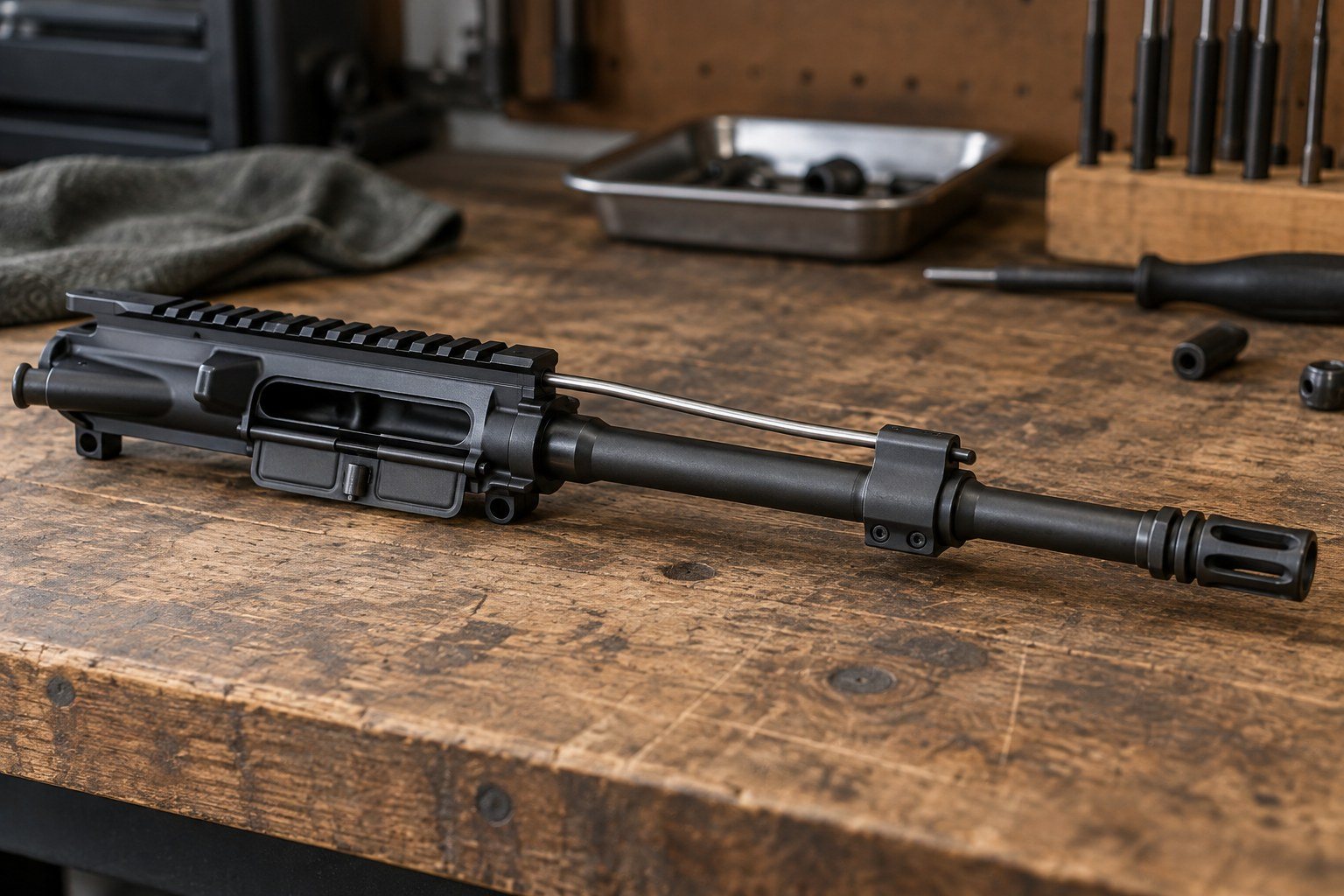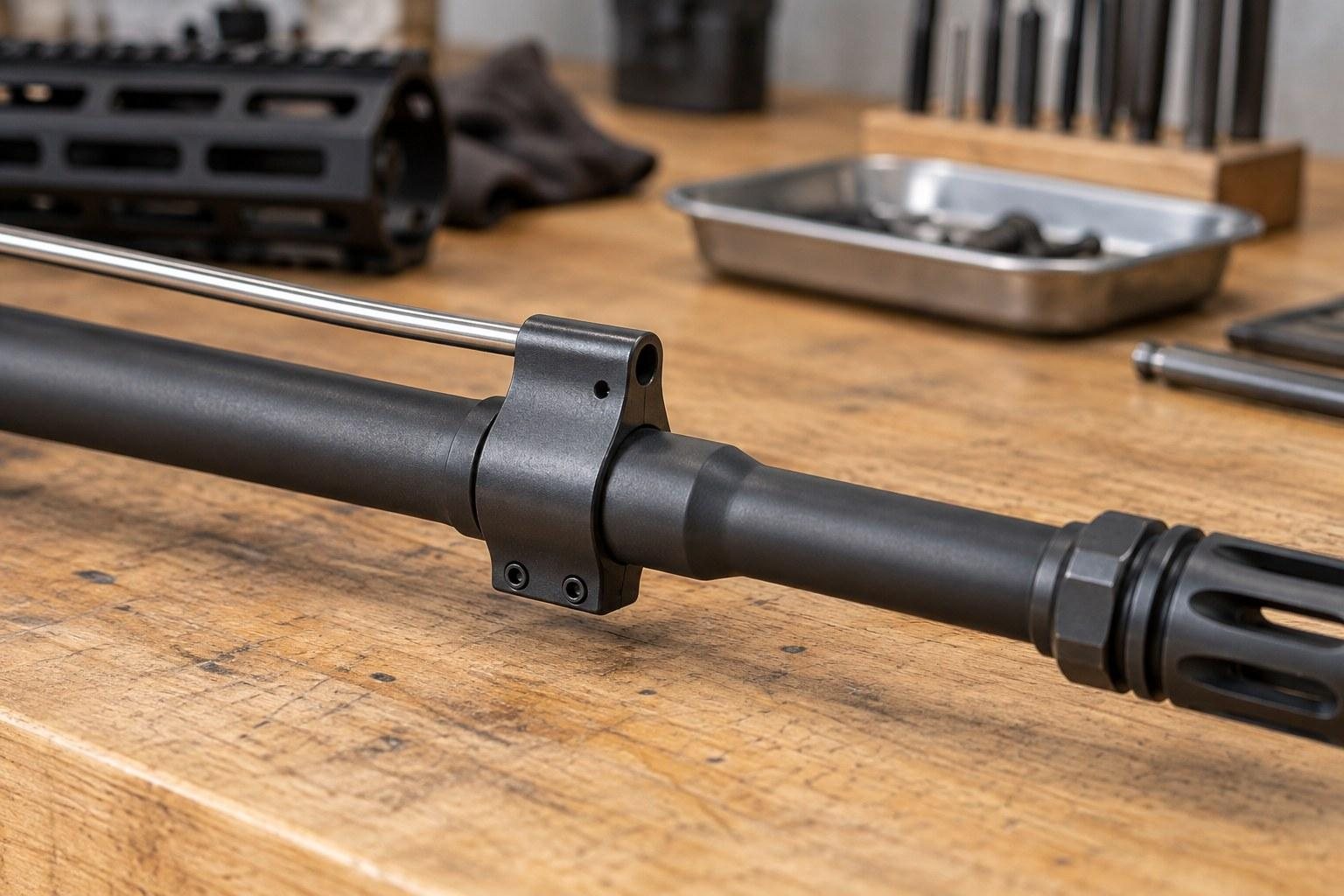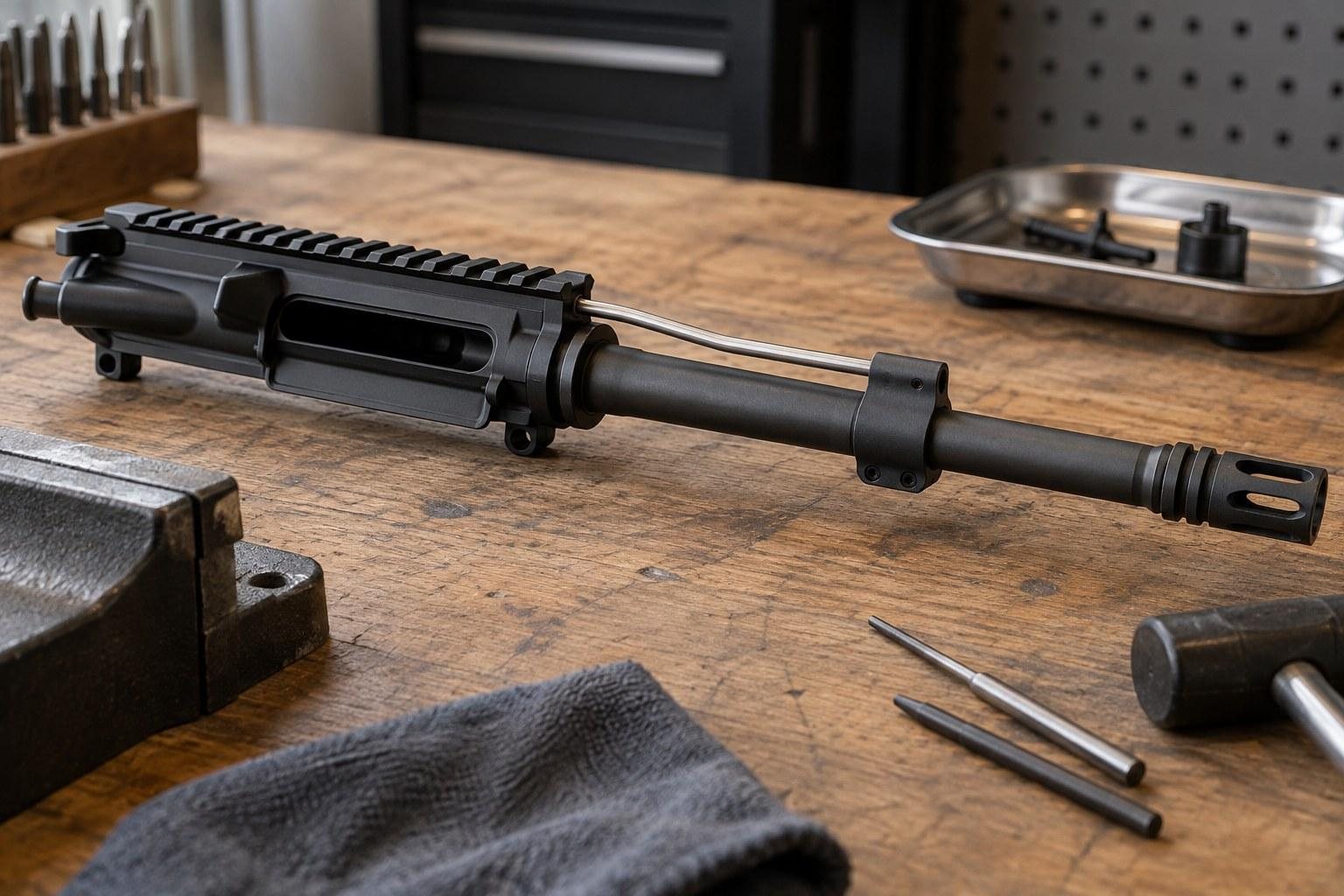
The AR-15 gas tube is one of the simplest parts on your rifle, and one of the easiest to forget. It is a thin stainless steel line that carries gas from the gas block back to the bolt carrier, and when it is bent, misaligned, corroded or the wrong length, your upper stops cycling the way it should.
This guide covers five signs that often point to a tired or damaged tube, how to tell them apart from other causes, and what to check before you order a replacement. None of these checks require special tools beyond good light, a clear workspace and an unloaded rifle.
If your upper is past saving, a factory-assembled replacement takes the guesswork out of the gas system.
Key Takeaways
- The gas tube carries propellant gas from the gas block to the gas key on the bolt carrier, so any leak, kink or misalignment robs the action of energy.
- Short-stroking, failures to lock back and weak ejection are common symptoms, but they can also come from the buffer, the gas block or the bolt carrier group.
- A bent or dented tube, drag marks where the tube enters the gas key and heavy corrosion are all visual reasons to replace the tube.
- Gas tubes come in pistol, carbine, mid-length and rifle lengths, and the tube must match your barrel's gas system.
- Always work on an unloaded firearm, follow the manufacturer's instructions and see a qualified gunsmith if you are unsure.
How the AR 15 Gas Tube Works
The AR-15 uses a direct impingement gas system. When a round is fired, a small amount of gas escapes through the gas port in the barrel, enters the gas block and travels back through the gas tube. The rear of the tube passes through a hole in the upper receiver and slides into the gas key on top of the bolt carrier.
That gas pushes the carrier rearward, unlocks the bolt and starts the cycle of extraction, ejection and feeding. Because the tube is the only path for that gas, its condition directly affects how reliably your rifle runs.
Where the Tube Sits
The front of the tube is held in the gas block, usually by a small roll pin. The rear end floats inside the upper receiver and must line up with the gas key so the carrier can ride over it freely. Your handguard covers most of the tube, which is one reason damage often goes unnoticed until the rifle starts to malfunction.
Why a Simple Part Still Fails
Gas tubes have no moving parts, but they live in a harsh spot. They see heat and carbon fouling every time you fire, they can be bent during handguard or barrel work, and they can be installed at the wrong length or with poor alignment. Any of those can turn a reliable upper into a frustrating one.
Sign 1: Short-Stroking and Failures to Lock Back
Short-stroking means the bolt carrier does not travel far enough rearward to complete the cycle. You may see a spent case that fails to eject, a new round that fails to feed, or a bolt that does not lock back on an empty magazine.
A leaking or partially blocked gas tube is a classic cause, because less gas reaches the gas key. A cracked tube, a tube that is not fully seated in the gas block, or a crushed section can all bleed off pressure before it does any work.
Rule Out Other Causes First
Short-stroking is not unique to the gas tube. Before you blame it, check these common suspects:
- A loose or misaligned gas block that no longer covers the gas port.
- Loose or leaking gas key screws on the bolt carrier.
- Worn or missing gas rings on the bolt.
- A buffer or buffer spring that is too heavy for your setup.
- Underpowered ammunition or a heavily fouled, dry carrier.
- An adjustable gas block that has been turned down too far.
Our AR-15 cycling troubleshooting guide walks through these in order. If everything else checks out, the tube becomes a prime suspect.
Sign 2: A Bent, Kinked or Dented Tube
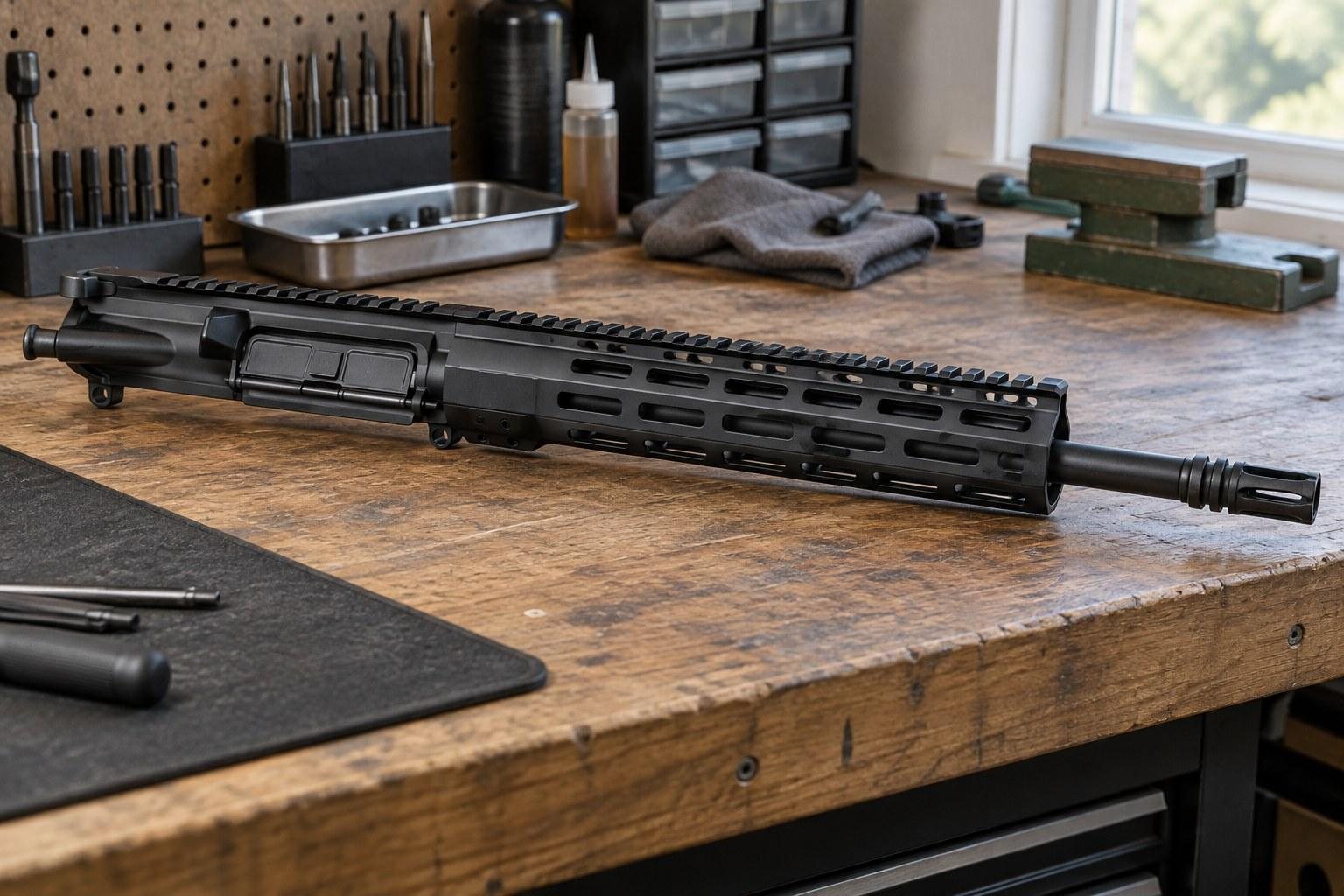
AR gas tubes have a factory bend so they line up with the carrier key. Replace only for kinks, dents, cracks or bends that differ from the original shape. Bending usually happens during handguard installation or removal, during barrel work, or when the rifle takes a hard knock.
Even a slight bend matters, because it can push the rear of the tube out of line with the gas key. A dent can also narrow the inside of the tube and restrict gas flow.
How to Inspect It
- Clear the rifle, remove the magazine and visually and physically confirm the chamber is empty.
- Separate the upper from the lower and remove the bolt carrier group and charging handle.
- If your handguard allows it, remove it according to the manufacturer's instructions so you can see the full length of the tube.
- Look down the tube from the side and from above under good light. Check for bends, flat spots, cracks and discoloration.
Do not try to straighten a bent tube. It is a small, inexpensive part, and a straightened tube may still be weakened or out of line. Replace it instead.
Want to learn how gas length affects the whole upper before you buy parts?
Sign 3: Carrier Drag and Gas Key Misalignment
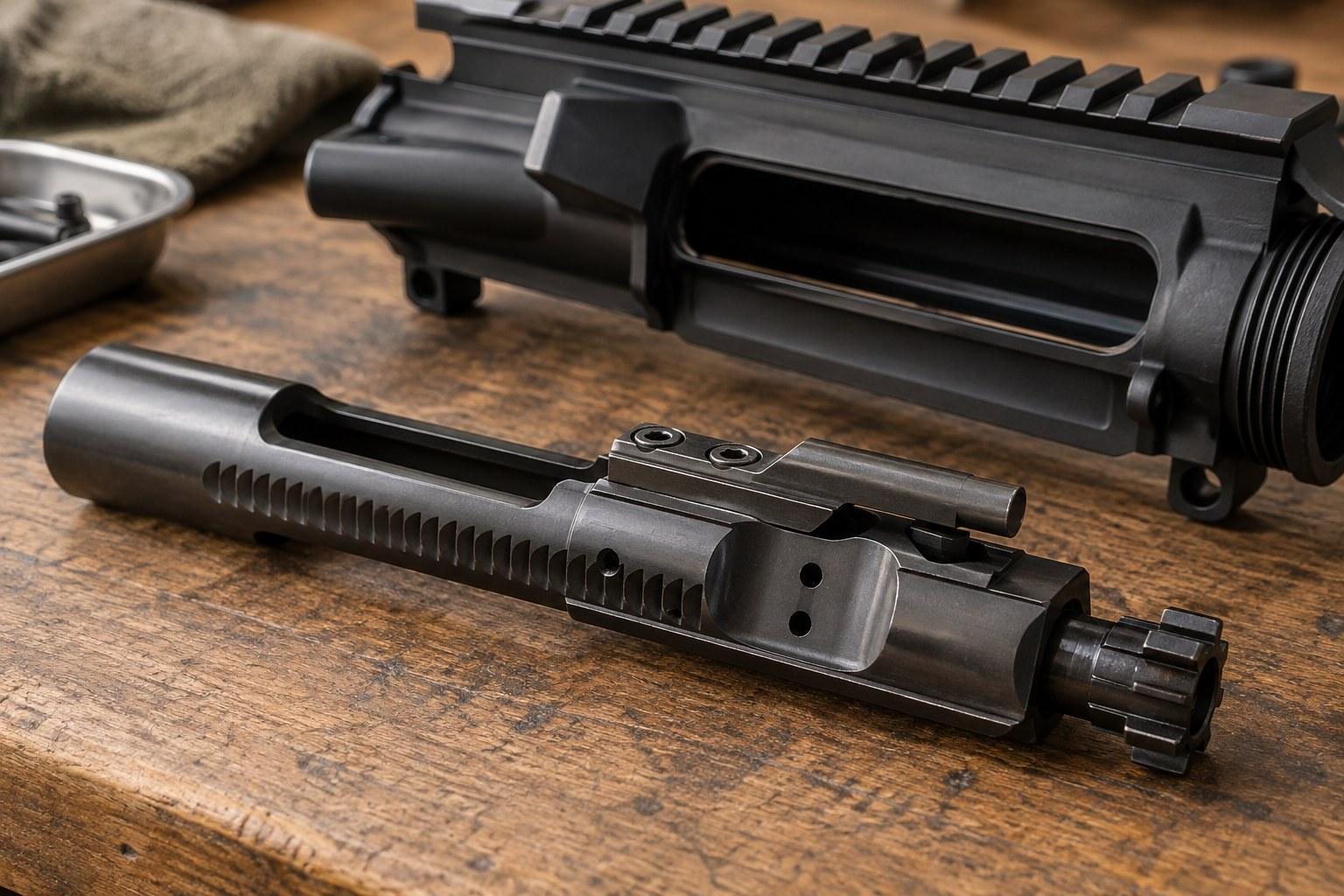
The rear of the gas tube has to slide cleanly into the gas key as the carrier moves forward. When the tube is out of line, the gas key can rub, catch or scrape on the tube end. You may feel extra resistance when you slowly ride the charging handle forward, or the bolt may fail to go fully into battery.
What Drag Looks Like
Look for these clues with the bolt carrier group removed:
- Bright scrape marks or burrs on the rear end of the gas tube.
- Scuffing or gouges on the front of the gas key.
- A tube end that sits visibly off center in the hole through the upper receiver.
- A carrier that feels gritty or sticky only during the last part of its forward travel.
Misalignment can come from a bent tube, a gas block that is rotated on the barrel, or a tube installed with the wrong orientation. Some gas blocks are designed to be indexed to the barrel, so follow the gas block manufacturer's instructions when reinstalling. If the gas key itself is damaged, the fix may involve the carrier as well. Our guide on what a bolt carrier group does explains how the gas key and carrier work together.
Check the Gas Key at the Same Time
If you see drag marks, inspect the gas key screws and the gas key fit while you have the carrier out. A loose gas key can mimic a bad tube by leaking gas. If you find damage on the carrier, a replacement from the AR15Parts.com bolt carrier group selection may be the cleaner fix.
Sign 4: Corrosion, Cracks or Burn Damage
Gas tubes take heat and carbon on every shot. Over time, especially on rifles that are stored wet or rarely cleaned, you may find rust, pitting, cracks or heavy discoloration on the tube. Most tubes are stainless steel, which resists corrosion well, but neglect, harsh cleaning chemicals and storage in damp conditions can still take a toll.
When Discoloration Is Normal
Some darkening and carbon staining near the gas block is normal on a rifle that has been fired. What you are looking for is active rust, pitting that you can feel with a fingernail, cracks around the roll pin hole or the bends near the front of the tube, or any sign that gas is escaping where it should not.
A crack near the gas block end is especially important, because it can leak gas before it ever reaches the carrier. If you find one, replace the tube.
Cleaning Without Causing Damage
You do not need to scrub the inside of the gas tube during routine cleaning. Focus on the bolt carrier group, the chamber and the bore, and follow your cleaning product's instructions. Our AR-15 upper cleaning guide covers a full routine that keeps carbon buildup under control without overworking delicate parts.
Sign 5: The Wrong Length for Your Gas System
An AR-15 gas tube is sized to match the barrel's gas system, which is set by how far the gas port sits from the chamber. The common lengths are pistol, carbine, mid-length and rifle. A tube that is too short will not reach the gas key properly, and a tube that is too long will not let the gas block or carrier seat correctly.
This sign usually shows up after a parts swap. If you changed barrels, moved to a different gas system length or bought a used upper of unknown history, confirm the tube matches the barrel before you troubleshoot anything else.
How to Confirm the Right Length
Check the barrel manufacturer's listing or markings for the gas system length, then match the tube to it. Stainless steel gas tubes are commonly available in pistol, carbine, mid-length and rifle lengths in the AR-15 upper parts category. If you are shopping for a new barrel at the same time, check the AR barrels listings, since gas system length varies by barrel.
Quick Reference Table of Gas Tube Warning Signs
Use this table to match what you see at the range or on the bench to the most likely cause and the first thing to check.
| Sign | What You Notice | Other Possible Causes | First Check |
|---|---|---|---|
| Short-stroking | Failures to eject, feed or lock back | Gas block, gas key screws, gas rings, buffer, ammo | Gas block position and gas key screws |
| Bent or dented tube | Visible bend, kink or flat spot | Recent handguard or barrel work | Remove handguard and inspect full length |
| Carrier drag | Sticky forward travel, scrape marks | Rotated gas block, damaged gas key | Tube end alignment with gas key |
| Corrosion or cracks | Rust, pitting, cracks near gas block | Wet storage, harsh chemicals | Inspect roll pin area and front bends |
| Wrong length | Problems right after a parts swap | Mismatched barrel and gas block | Barrel gas system length |
Replacing the Tube Safely
Replacing a gas tube is a common home task, but it still involves the gas block and often the handguard. Work carefully and follow the instructions from the gas block, handguard and barrel manufacturers. If any step is unclear, a qualified gunsmith can do the job.
Basic Safety and Process Notes
- Always start with an unloaded rifle, magazine removed and chamber visually and physically checked.
- Use proper roll pin punches and support the gas block so you do not bend the new tube.
- Install the tube with the correct orientation so the rear end lines up with the gas key.
- Follow the gas block manufacturer's published installation and fastener specs, and the handguard maker's torque specs.
- Never drill, open or otherwise modify the gas port. If you need to tune gas flow, read about an adjustable gas block instead.
After installation, hand-cycle the action with the upper and lower assembled and confirm the carrier moves smoothly through its full travel before you head to the range.
When a Complete Upper Makes More Sense
If the tube is only one of several worn parts, or you also want a new caliber or barrel length, a complete upper can be simpler than chasing individual fixes. AR15Parts.com assembles its complete uppers in-house, headspaces them and function-checks them before they ship, and orders ship in 3 to 5 business days. A classic setup is the 5.56 NATO uppers, which remain a versatile choice.
Planning more maintenance? Our troubleshooting library covers the rest of the upper.