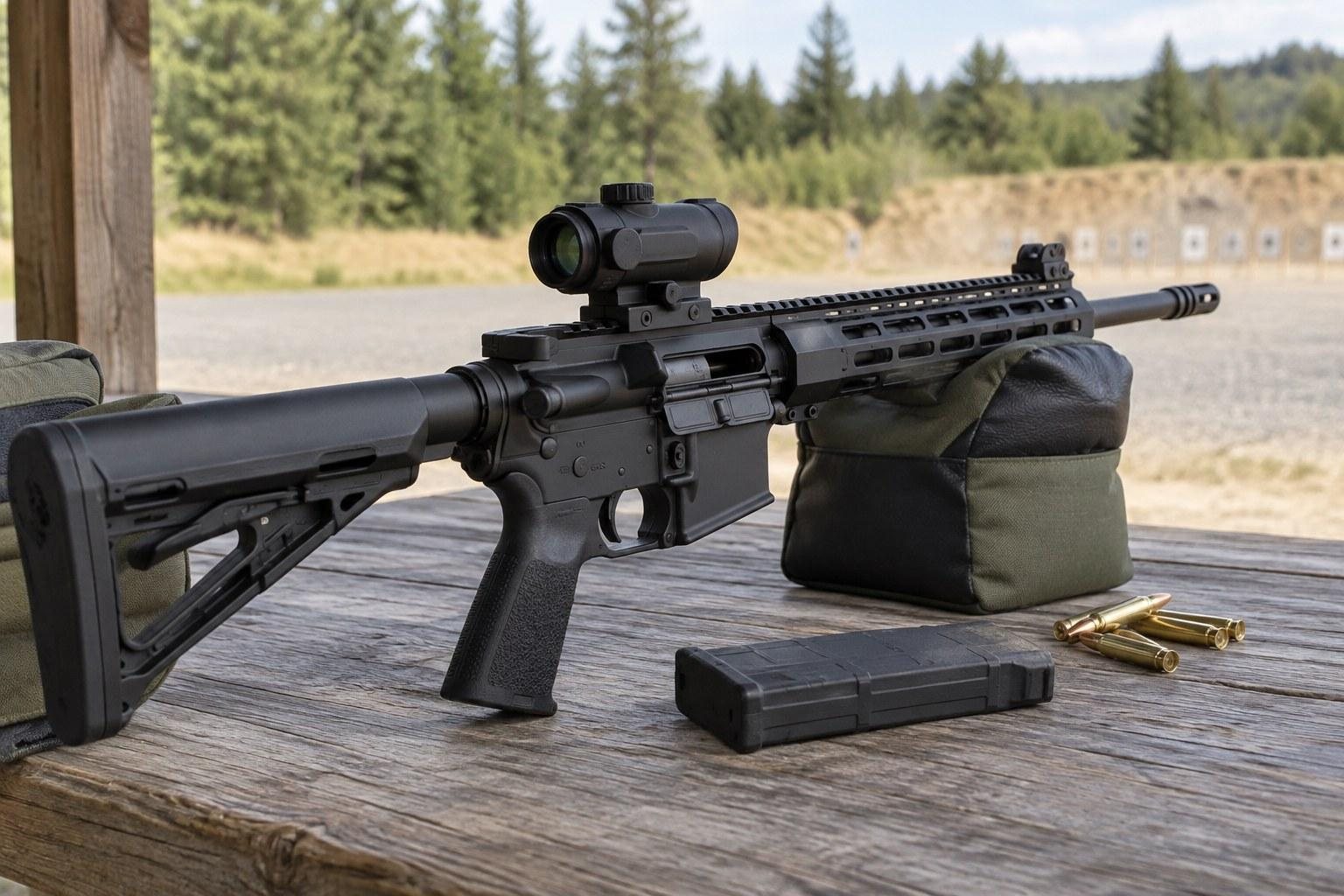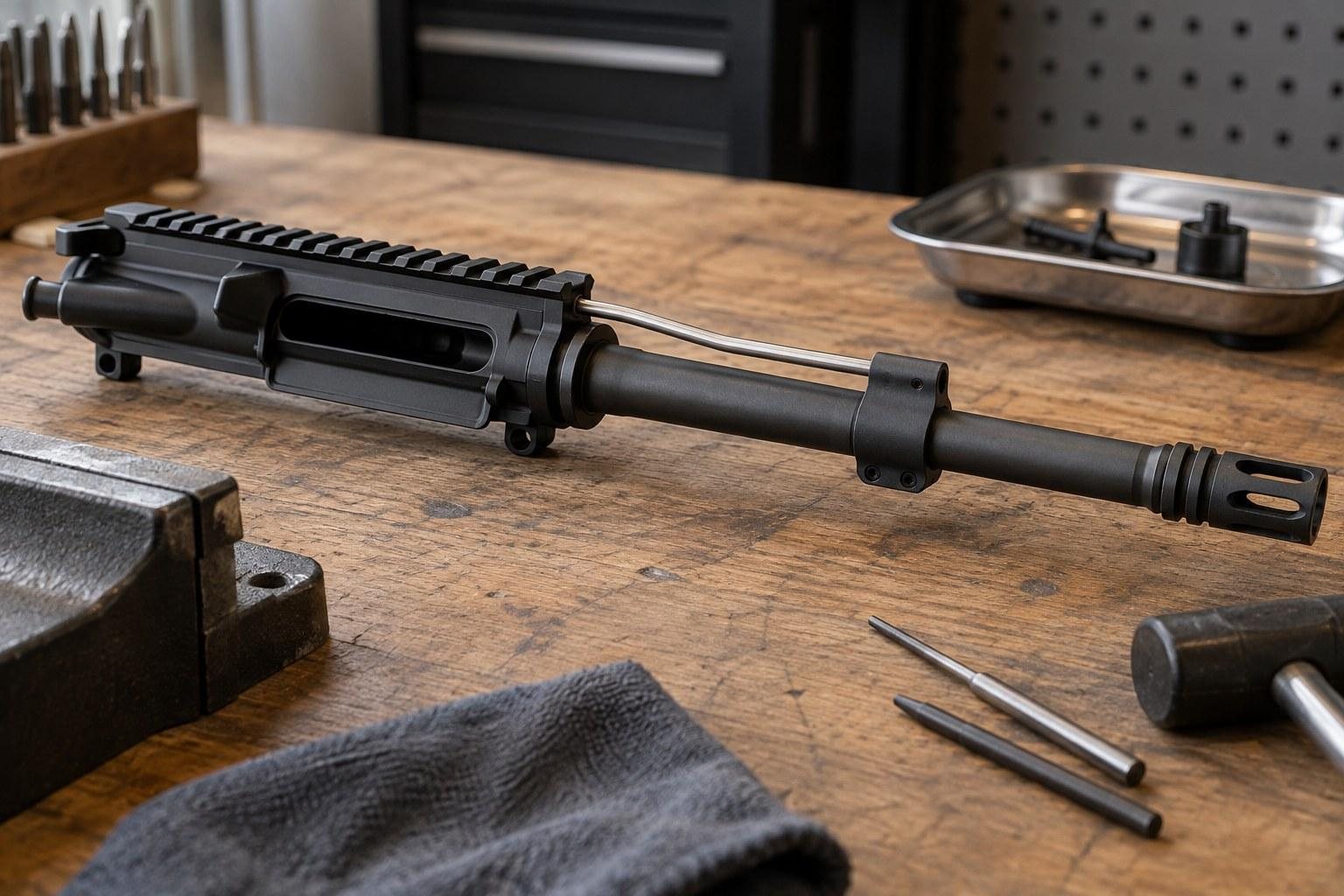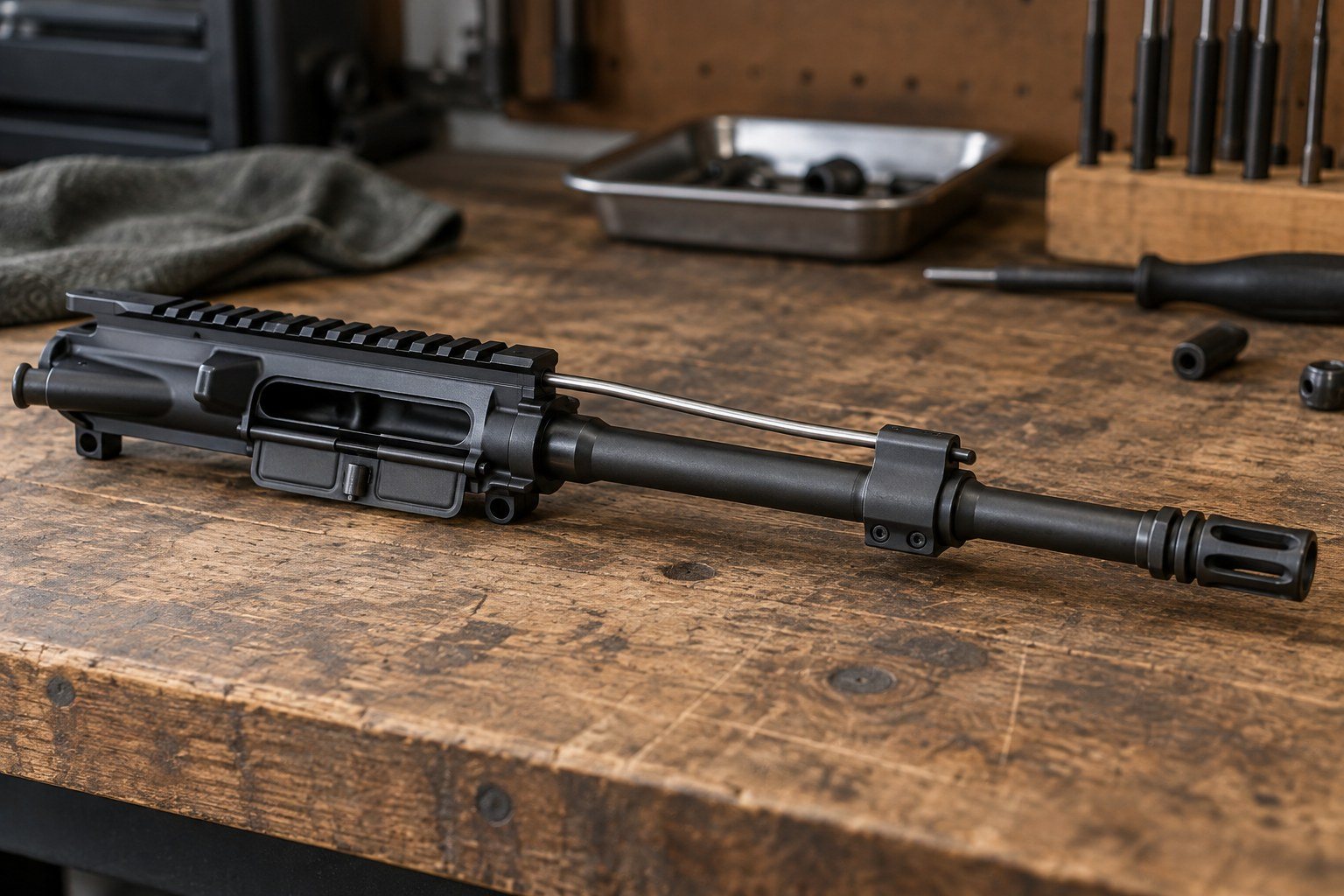
A misaligned gas block is one of the quietest ways an AR-15 upper can go wrong. The rifle may look perfect on the bench, yet the moment you start shooting it short-strokes, fails to lock back or throws brass weakly. Because the gas block sits under the handguard on most modern builds, the problem often hides in plain sight.
This guide covers five common warning signs, how to inspect your upper safely, and what to do once you confirm the issue. We also cover when a part swap makes sense and when the smarter call is a qualified gunsmith. Read on before you blame your ammo or your buffer.
Want an upper that has already been assembled and function-checked before it ships?
Key Takeaways
- A gas block must line up with the barrel's gas port so propellant gas can flow freely into the gas tube.
- Short-stroking, weak ejection and failure to lock back on an empty magazine are the classic symptoms of a gas block that is out of position.
- Carbon streaks, shiny rub marks on the gas key or a gas tube that will not slide cleanly into the upper all point to alignment trouble.
- Always unload the rifle, confirm the chamber is clear and follow the component manufacturer's instructions before inspecting or removing a gas block.
- Never drill, enlarge or otherwise modify a gas port; if you are unsure about any step, have a qualified gunsmith look at the upper.
How an AR-15 Gas Block Is Supposed to Work
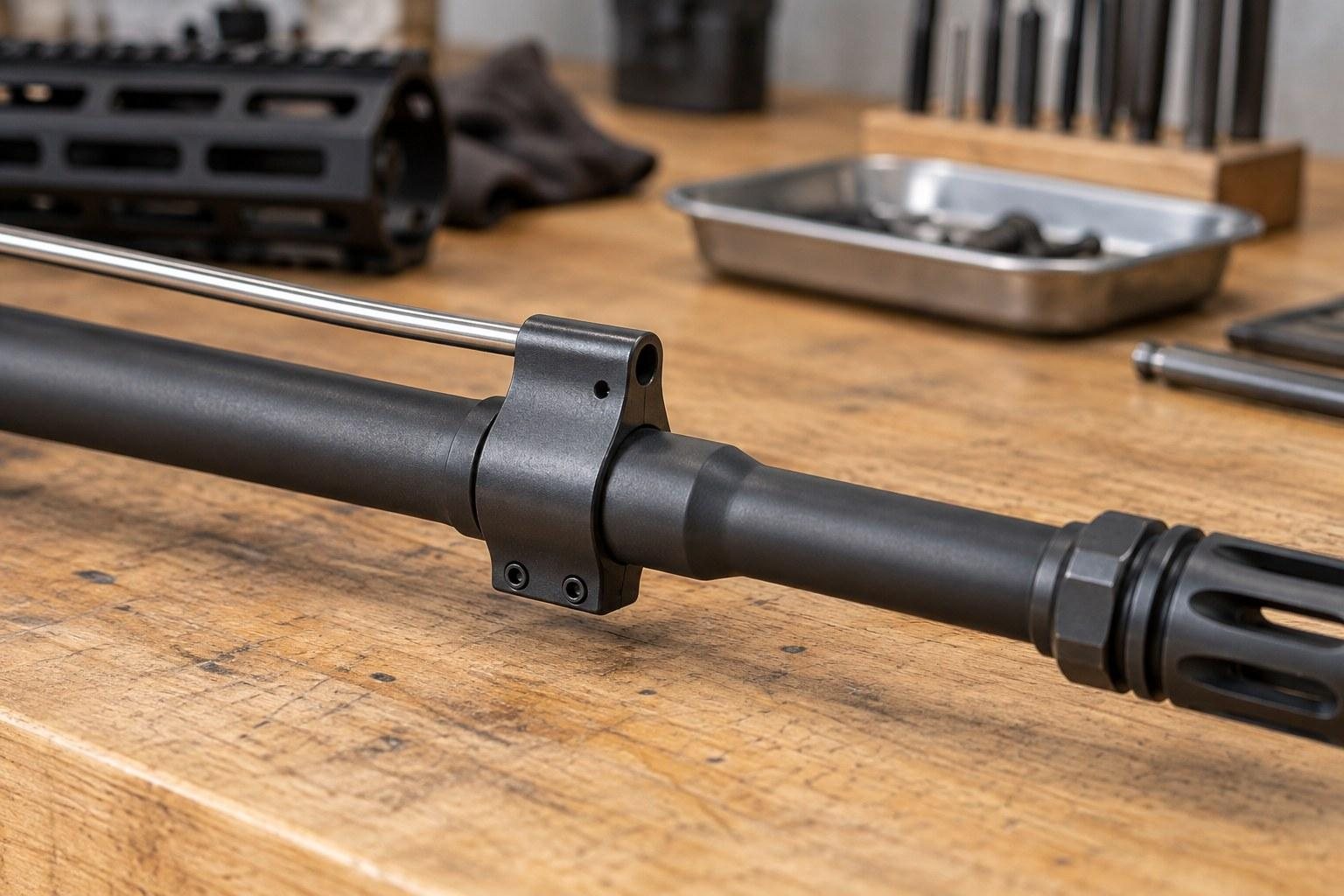
The AR-15 runs on a direct impingement gas system. When a round fires, a small portion of the expanding gas behind the bullet escapes through a port drilled in the top of the barrel. The gas block sits over that port, captures the gas and routes it rearward through the gas tube.
That gas travels into the gas key on top of the bolt carrier, pushes the carrier back and starts the cycle of extraction, ejection and feeding the next round. Every step depends on the gas getting where it needs to go without leaking or being choked off.
Why Alignment Matters So Much
The port inside the gas block has to line up with the port in the barrel. If the block is rotated even slightly, shifted forward or back along the barrel, or not seated squarely, part of the gas port gets blocked. Less gas reaches the carrier, and the rifle has less energy to cycle.
A gas block that is crooked can also angle the gas tube. Since the tube has to slide into the gas key on the carrier, a bent or angled tube can drag on the key and create friction that robs the system of even more energy.
Common Gas Block Mounting Styles
Gas blocks are held in place in a few different ways, and each one has its own alignment quirks. Knowing which style you have makes inspection easier.
| Mounting Style | How It Attaches | Typical Alignment Risk |
|---|---|---|
| Set screw | Screws bear on the barrel journal, sometimes into dimples | Can rotate or walk if screws loosen or were never fully seated |
| Clamp-on | Split block clamps around the journal with bolts | Can be clamped slightly rotated if not indexed before tightening |
| Pinned (taper pins) | Pins pass through the block and barrel | Very stable once installed, but pinning requires proper tooling |
| Front sight base (FSB) | Combined sight and gas block, usually pinned | Generally indexed at the factory; damage or a canted base is the main concern |
Low profile set screw blocks are popular on free-float builds because they fit under a slim handguard. They are also the style most likely to shift if they were installed in a hurry.
Sign 1: Short-Stroking and Failure to Lock Back
The first and most common symptom of gas block misalignment is short-stroking. The bolt carrier moves rearward, but not far enough to complete the cycle. You may see a spent case stuck in the ejection port, a round that fails to feed, or a bolt that slides forward on an empty chamber.
A related clue is the bolt failing to lock back after the last round. The bolt catch needs the carrier to travel far enough rearward for the magazine follower to push it up. When gas flow is restricted, that last bit of travel never happens.
How to Rule Out Other Causes
Short-stroking has several possible causes, so it pays to eliminate the simple ones first. Before you pull the handguard, check these:
- Try a different brand of ammunition, since some loads produce less gas pressure than others.
- Clean and lubricate the bolt carrier group according to the manufacturer's instructions.
- Confirm the buffer and spring weights match the gas system and caliber.
- Check the magazine and follower for damage.
If the problem persists across several ammo types with a clean, properly lubricated BCG, gas block alignment moves to the top of the suspect list. Our AR-15 cycling troubleshooting walkthrough covers the wider diagnostic process.
Need a clearer picture of how gas length affects cycling before you go further?
Sign 2: Weak or Erratic Ejection
Ejection pattern is a useful window into how much energy your gas system is delivering. A rifle that is running normally tends to throw brass in a fairly consistent direction. When a misaligned gas block starves the system, brass often dribbles out of the port or lands much closer to the shooter than it used to.
Erratic ejection, where cases go in very different directions from shot to shot, can also hint at gas trouble. It suggests the carrier is not moving with consistent speed, which can happen when a partially blocked port lets a variable amount of gas through.
Reading the Ejection Pattern
Ejection angle is affected by many variables, including ammunition, buffer weight, suppressor use and even how dirty the rifle is. Use it as a comparison tool, not an absolute measurement. The most useful data is a change from how the same rifle behaved with the same ammo in the past.
If your upper used to eject cleanly and now barely clears the brass, especially after a handguard swap or barrel work, that change is a strong reason to inspect the gas block.
Sign 3: Carbon Streaks and Gas Leakage Around the Block
When a gas block is not sealing properly over the port, gas escapes where it should not. That escaping gas leaves evidence. After a range session, inspect the area around the gas block and the barrel journal with the rifle unloaded and cool.
Look for dark carbon streaks spraying outward from the block, heavy fouling on the underside of the handguard near the block, or a ring of soot on the barrel just in front of or behind it. Some fouling is normal on any gas gun, but directional streaks coming from the seam between block and barrel are a red flag.
Check the Set Screws and Clamp Bolts
On set screw and clamp-on blocks, loose fasteners are a common root cause. A block that has worked loose can rotate or slide on the journal over time. If you find loose screws, do not simply tighten them in place. The block may already have moved, so it needs to be realigned before it is secured again.
When you reinstall, follow the gas block manufacturer's published torque and thread locker recommendations. Our upper torque specs reference explains why you should defer to the component maker rather than a generic number.
Sign 4: Rub Marks on the Gas Key or a Binding Gas Tube
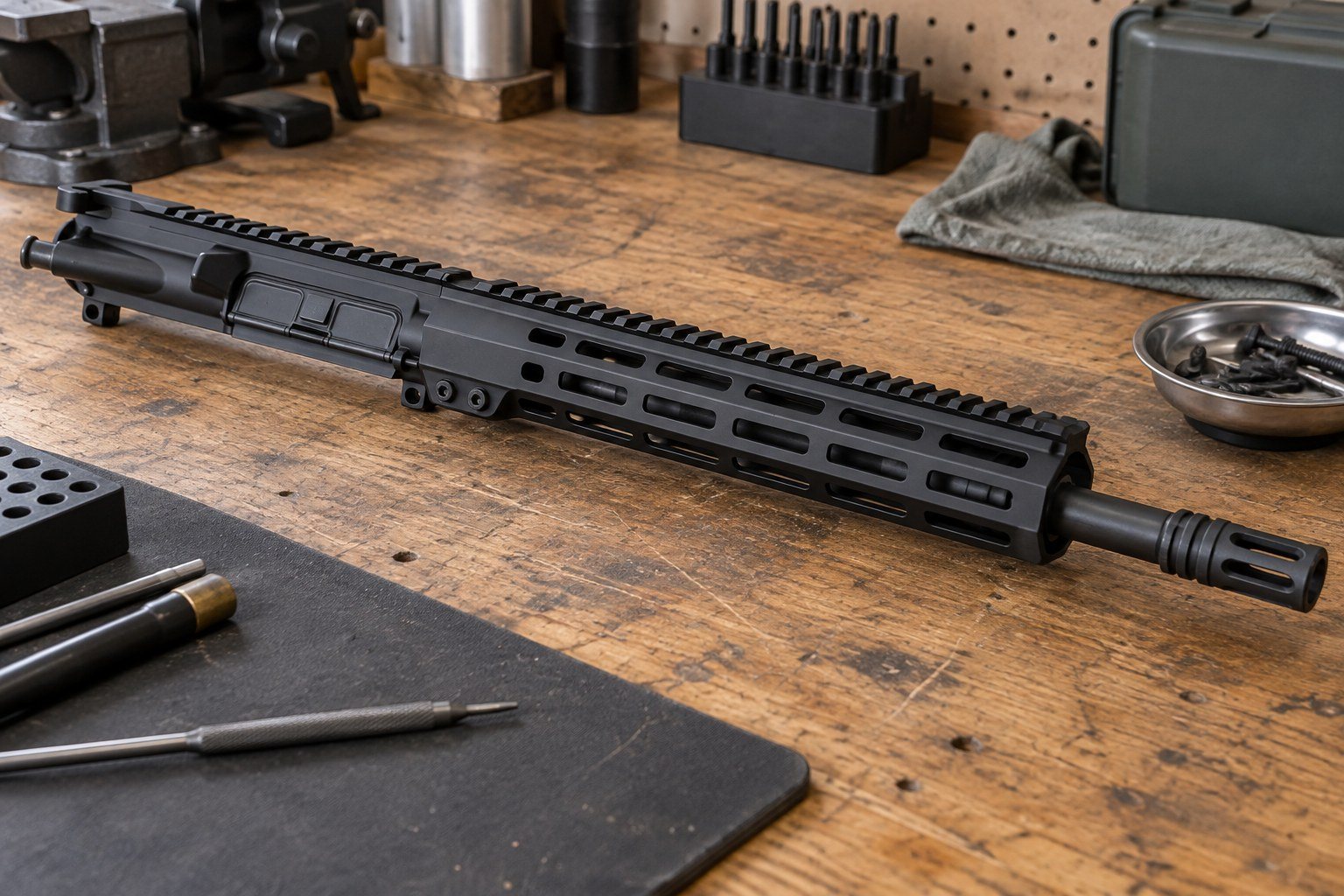
A gas block that sits crooked can angle the gas tube so it no longer runs straight into the gas key. With the upper unloaded and the BCG removed, look at the gas key and the outside of the gas tube for shiny wear spots, scoring or gouges. Uneven wear on one side of the key or tube is a classic sign of misalignment.
You can also feel for it. With the rifle unloaded and the charging handle removed, slide the bolt carrier into the upper by hand. It should glide smoothly as the gas key slips over the tube. If you feel the carrier catch, drag or require extra force at the point where the key meets the tube, the tube is likely angled.
Is the Gas Tube Bent or Is the Block Crooked?
A bent gas tube and a rotated gas block can produce similar symptoms. Visually sight down the tube from the rear of the upper with the BCG removed. If the tube itself has a visible kink, replace it. If the tube is straight but enters the receiver off center, the block is the more likely culprit.
Gas tubes come in different lengths to match pistol, carbine, mid-length and rifle gas systems, so make sure any replacement matches your barrel's gas system. Gas tubes, low profile gas blocks and other AR-15 upper parts are widely available.
Sign 5: Problems That Start Right After Barrel or Handguard Work
Timing is one of the most telling clues. If your rifle ran well until you swapped the handguard, installed a new barrel or replaced the gas block, the work itself is the likely source. Removing a free-float handguard often means sliding it past the gas block, and it is easy to bump a set screw block out of position.
Barrel swaps carry similar risk. Each time a gas block comes off and goes back on, it has to be indexed to the port again. A block that looks straight from the outside can still sit slightly forward or back of where it needs to be.
Why Journal Diameter Matters
Gas blocks are made to fit a specific barrel journal diameter. A block that is the wrong size will never seal correctly, no matter how carefully it is aligned. Low profile gas blocks are commonly available in 0.750, 0.875 and 0.936 inch sizes, so check your barrel's journal before ordering. If you are shopping for a new barrel, you can compare options in the AR-15 and AR-10 barrels category.
Barrel profile also plays a role in how much room there is for a block and handguard. Our barrel length guide covers how length and gas system pair together.
How to Inspect and Fix a Misaligned Gas Block Safely
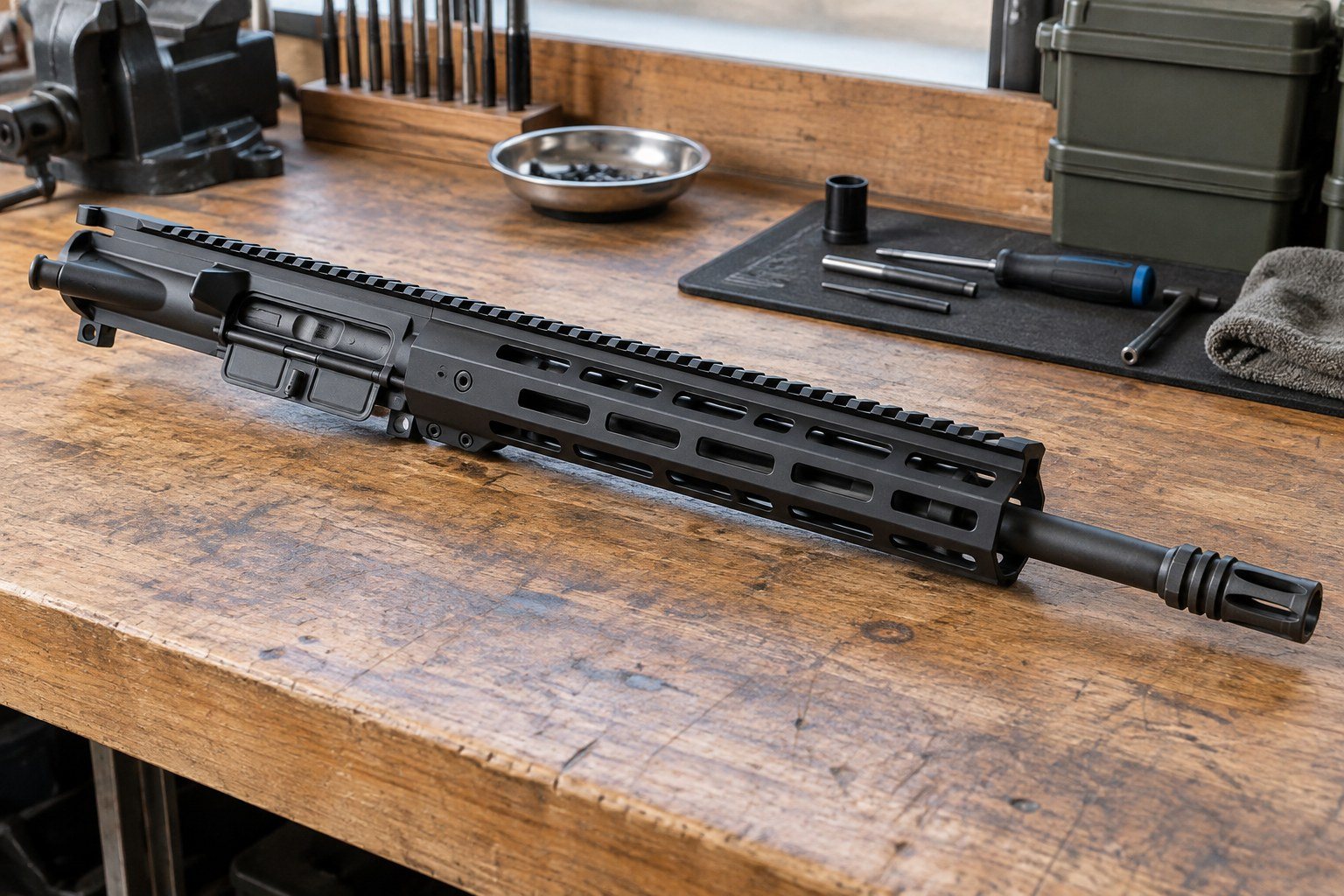
Once the signs point to an alignment problem, a careful inspection will confirm it. Safety comes first every time. Remove the magazine, lock the bolt to the rear, visually and physically confirm the chamber is empty, and keep ammunition out of the work area.
Step-by-Step Inspection
- Separate the upper from the lower and remove the charging handle and bolt carrier group.
- Remove the handguard following its manufacturer's instructions so you can see the gas block.
- Check that the block sits squarely and that its fasteners are snug. Note any witness marks showing the block has moved.
- Look for carbon streaks around the block and wear on the gas tube.
- If the block must come off, mark its position first and remove it per the manufacturer's directions.
- With the block off, look at the barrel's gas port and confirm it is clean and undamaged.
Realigning and Reinstalling
When reinstalling, the goal is to center the block's internal port over the barrel's gas port and keep the gas tube running straight back into the receiver. Many builders index the block using dimples on the barrel, the barrel's shoulder or a purpose-made alignment tool. Follow the gas block manufacturer's specific installation steps and torque values.
Never drill, enlarge or otherwise modify the gas port or the block to compensate for a cycling problem. Pinning a gas block also requires proper tooling and experience. If you are uncertain about any part of the process, a qualified gunsmith is the right call.
When a Complete Upper Makes More Sense
If you would rather skip the troubleshooting, a complete upper is a straightforward option. AR15Parts.com assembles its complete uppers in-house, headspaces and function-checks them before they ship, and ships within 3 to 5 business days. Browse complete AR-15 and AR-10 uppers or start with a versatile choice like 5.56 NATO uppers.
Want to keep your gas system clean and running longer after the fix?