Short strokes, failures to feed, stovepipes, and bolt-over-base: here's how to diagnose and fix the most common AR-15 cycling problems.
AR-15 cycling problems are frustrating but almost always diagnosable. The rifle's design is straightforward: gas exits the port, drives the BCG rearward, ejects the case, strips a fresh round, and locks up. When any step fails, the symptoms point at the cause. Here's how to read the signs and fix what's actually wrong instead of parts-guessing your way through it.
Diagnose Before You Fix
Two indicators tell you most of what you need to know about a cycling problem:
Ejection pattern (where brass lands):
- 3 to 4 o'clock: correct gas
- 4 to 5 o'clock: slightly under-gassed, borderline OK
- 5 to 6 o'clock: under-gassed, will cause reliability issues
- 1 to 3 o'clock: over-gassed
- Straight up or backward: severely over-gassed
Malfunction type:
- Failure to fire: firing pin, hammer spring, primer, or headspace issue
- Failure to feed: magazine, ammo, or gas system issue
- Failure to extract: extractor, chamber, or ammo issue
- Failure to eject (stovepipe): under-gassed, weak ejector, or dirty
- Failure to lock back on empty: under-gassed, mag issue, or bolt catch issue
Before changing parts, identify which of these you're seeing and what the ejection pattern is telling you.
Under-Gassed Symptoms and Fixes
Symptoms:
- Bolt doesn't lock back on empty magazine
- Short strokes (bolt travels back but doesn't fully cycle)
- Failure to eject (stovepipes at the ejection port)
- Weak ejection (brass falling near the rifle)
- Bolt closing on a round after firing but not locking back
Common causes (check in order):
-
Magazine issues. Try 3 different magazines with proven ammo. Bad magazine springs and worn followers cause many "cycling" issues.
-
Ammo underperforming. Try known-quality 5.56 (Federal M193, Winchester 5.56 white box). Steel-cased or old surplus ammo can under-perform.
-
Gas block misaligned. Remove the handguard, verify the gas block port aligns with the barrel gas port. Misalignment reduces gas flow. Adjust and pin/set-screw firmly.
-
Gas tube installation. Verify the gas tube seats fully in the gas block. Check the roll pin. Verify the gas tube isn't bent or damaged.
-
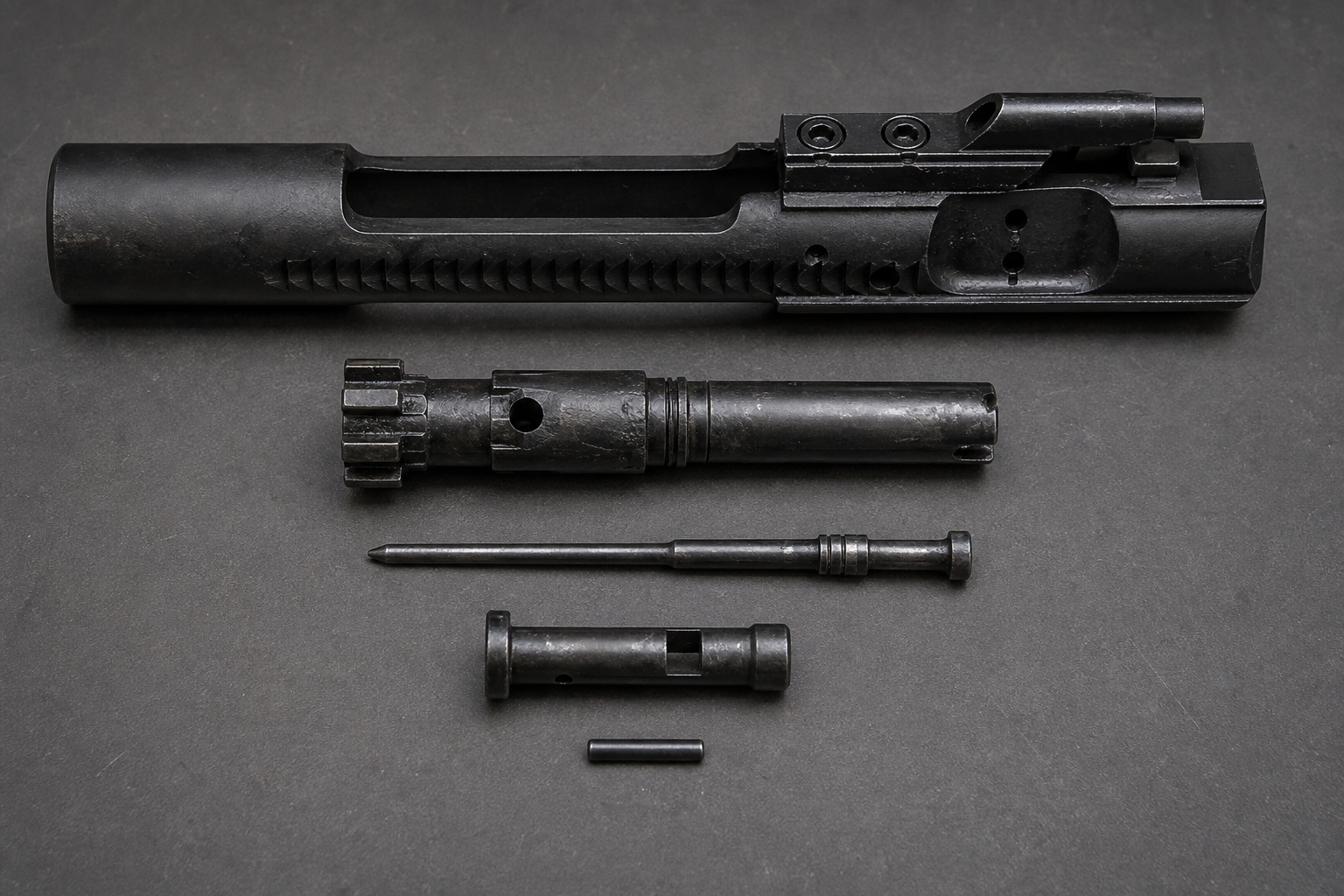
Gas rings failing. Inspect the three gas rings on the bolt for cracks or wear. If two or three are missing, replace them. If one is damaged, replace as a set.
-
Buffer too heavy for the gas system. Try a standard H buffer or carbine buffer. If you were running H2 or H3, drop back to H or standard.
-
Recoil spring worn. Springs are cheap. A new spring (Sprinco, Colt) can fix borderline cycling.
-
Gas port too small (barrel-related). If you've swapped barrels and gone from working to under-gassed, the barrel may have an undersized gas port. Requires opening the port with a gas port drill or new barrel.
Over-Gassed Symptoms and Fixes
Symptoms:
- Brass ejected forcefully to 1 to 3 o'clock
- Bruised or scratched brass
- Sharp felt recoil
- Bolt bounce at rapid fire (double taps feeling odd)
- Accelerated wear on the BCG and receiver
- Fouling accumulating quickly
Common causes and fixes:
-
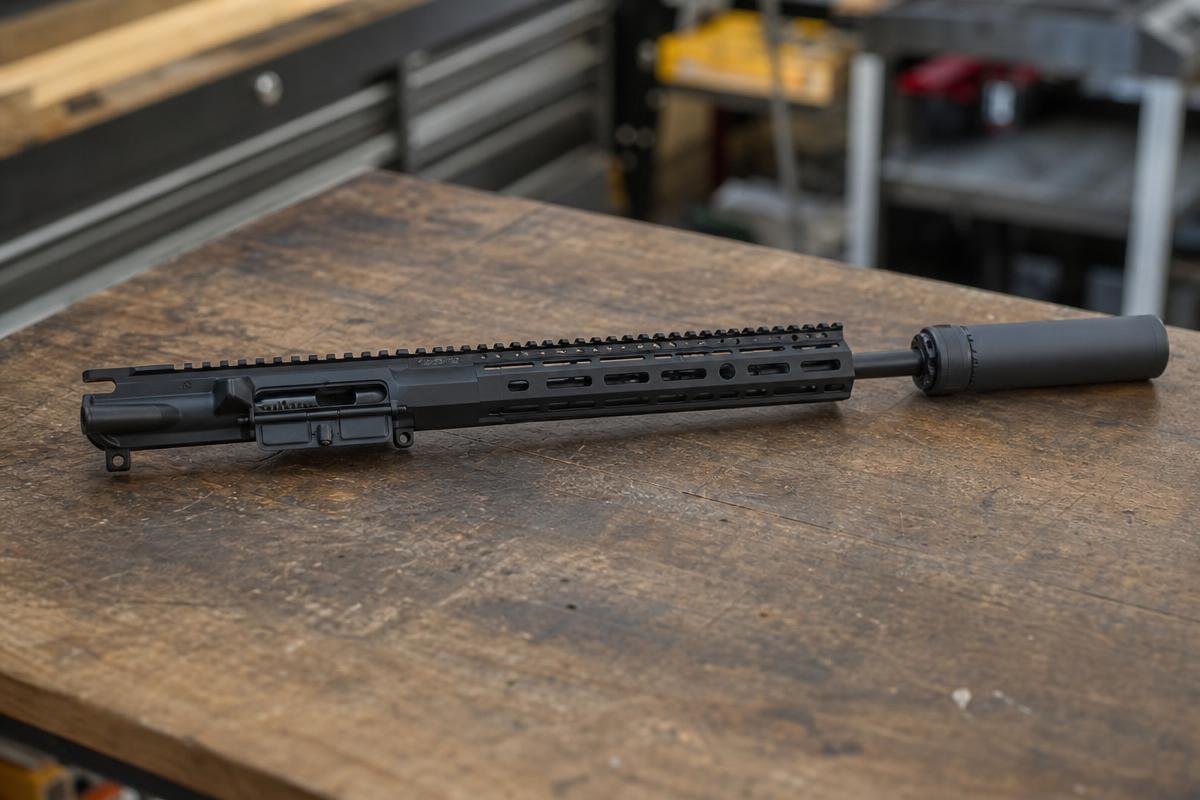
Standard AR-15 over-gassing from a suppressor. Suppressors add back pressure that over-gases the system. Fix: adjustable gas block, heavier buffer (H2 or H3).
-
Short barrel with pistol gas. 10.5 inch and shorter barrels are inherently over-gassed. Fix: adjustable gas block, H2 or H3 buffer, potentially a bleed-forward adjustable block.
-
Gas port over-drilled. Some barrels ship with slightly large gas ports. Fix: adjustable gas block (easier than replacing the barrel).
-
Hot ammo. Some 5.56 loads (M855A1, some 62 gr green tip variants) run at the top of pressure spec. Fix: mix ammo or add an adjustable block.
-
Buffer too light. If you're running a carbine buffer with a suppressor, upgrade to H or H2.
Adjustable gas blocks solve most over-gassing problems cleanly. For $130 to $180 (SLR, Superlative Arms, Seekins) you can dial in exactly the gas you need.
Feeding Problems
Symptoms: rounds not chambering, rounds tilting up, double feeds, rounds stopping partway in the chamber.
Causes and fixes:
-
Magazine issues (start here). Try 3 different quality magazines (Magpul PMAG Gen M3, Lancer L5 AWM). Bad magazines cause most feeding problems.
-
Ammo shape. Some ammo (heavier bullets, unusual OAL) feeds worse than others. Try standard 55 or 62 gr 5.56.
-
Magazine catch adjustment. Verify the magazine seats fully and doesn't sit low.
-
Feed ramp damage. Inspect the M4 feed ramps in the upper for burrs or damage. Rare but possible.
-
Extractor grabbing rounds. If the extractor slot in the barrel is out of spec, the round can hang. Rare.
-
Under-gassing preventing full bolt travel. See under-gassed section above.
Extraction Problems
Symptoms: spent case stuck in chamber, extractor slipping off case rim, torn case rims.
Causes and fixes:
-
Dirty chamber. Use a chamber brush (rotary chamber cleaner) with solvent. Fouling in the chamber causes many extraction issues.
-
Weak extractor spring. Replace with a quality spring (Sprinco with black insert, BCM enhanced extractor spring).
-
Damaged extractor. Inspect the extractor claw for chips or wear. Replace if damaged.
-
Out-of-spec ammo. Reloaded ammo with oversized case dimensions or damaged rims can cause extraction issues.
-
Chamber roughness. Rare but possible. Requires reaming or polishing (gunsmith job).
Bolt Not Locking Back on Empty
Distinct problem worth addressing separately because it has multiple specific causes:
-
Shooter thumb resting on the bolt catch. Very common. Watch your support hand thumb position.
-
Magazine follower worn. The follower has to push the bolt catch up. Worn or damaged followers won't. Try another mag.
-
Bolt catch spring weak. Replace the bolt catch spring in the lower (a common wear item).
-
Under-gassing. The bolt doesn't travel far enough back to catch. See under-gassed section.
-
Bolt catch pin damaged or loose. Rare but check.
Try different magazines first. This solves 60% of bolt-not-lock issues immediately.
Browse quality complete uppers, adjustable gas blocks, and replacement parts at ar15parts.com.