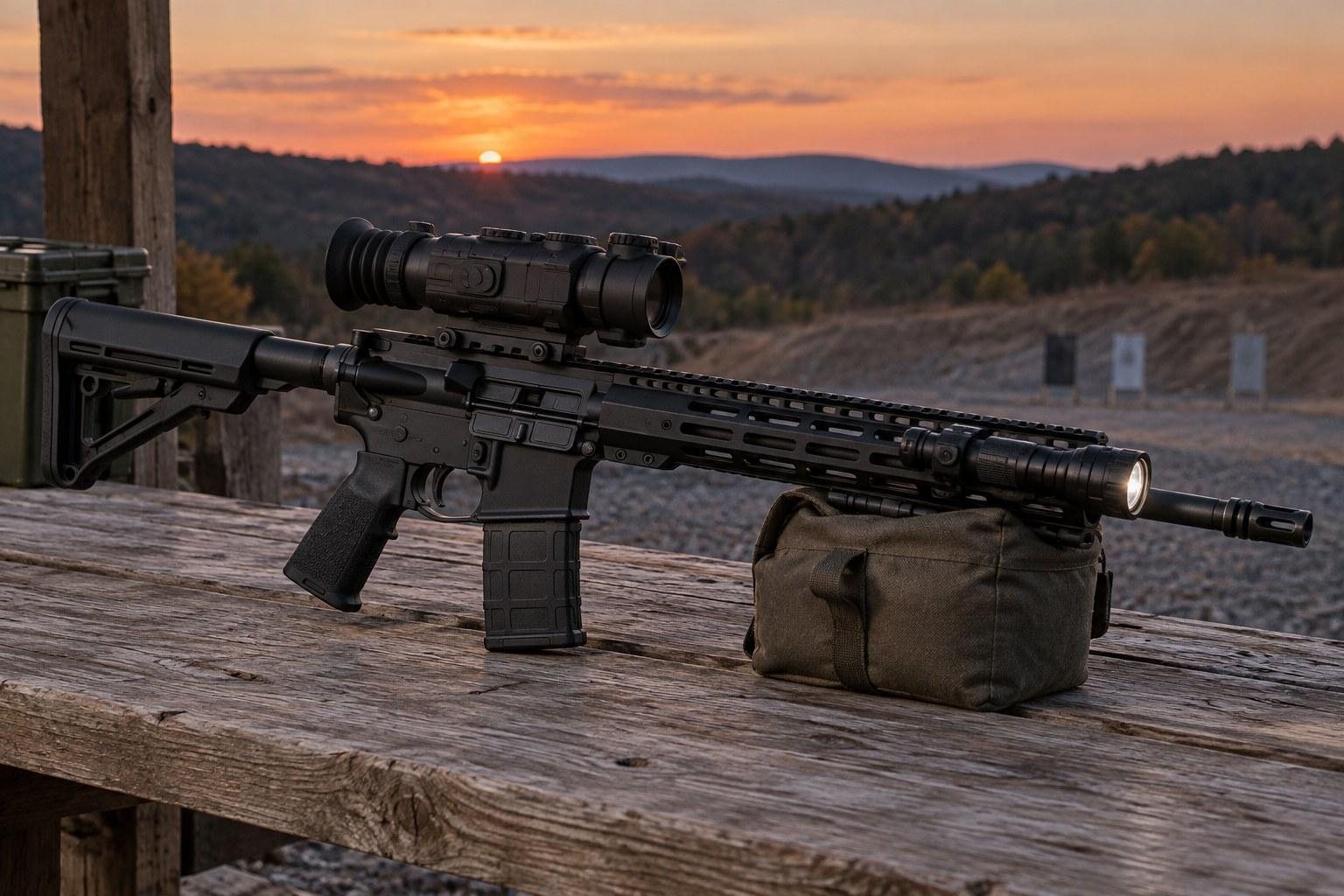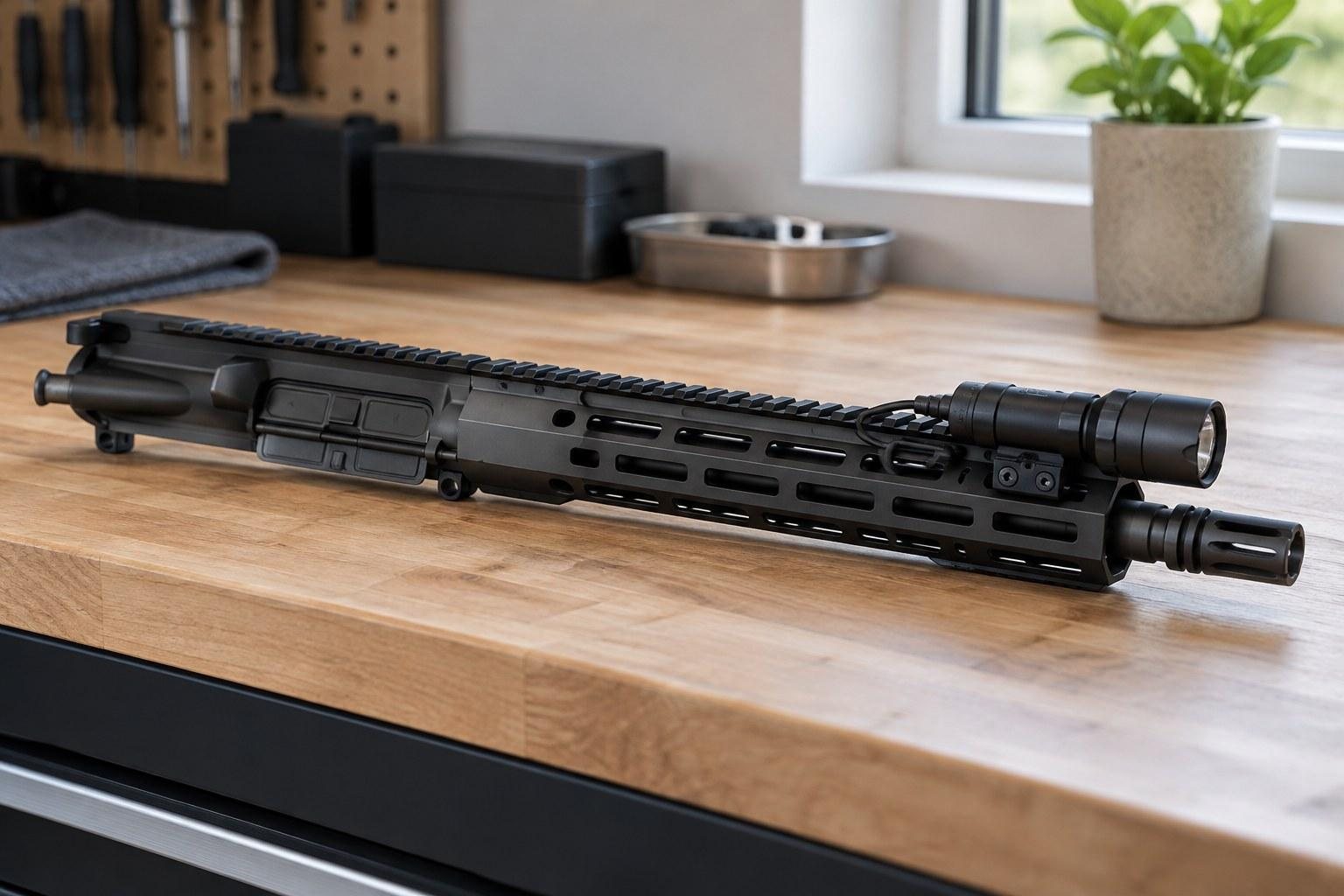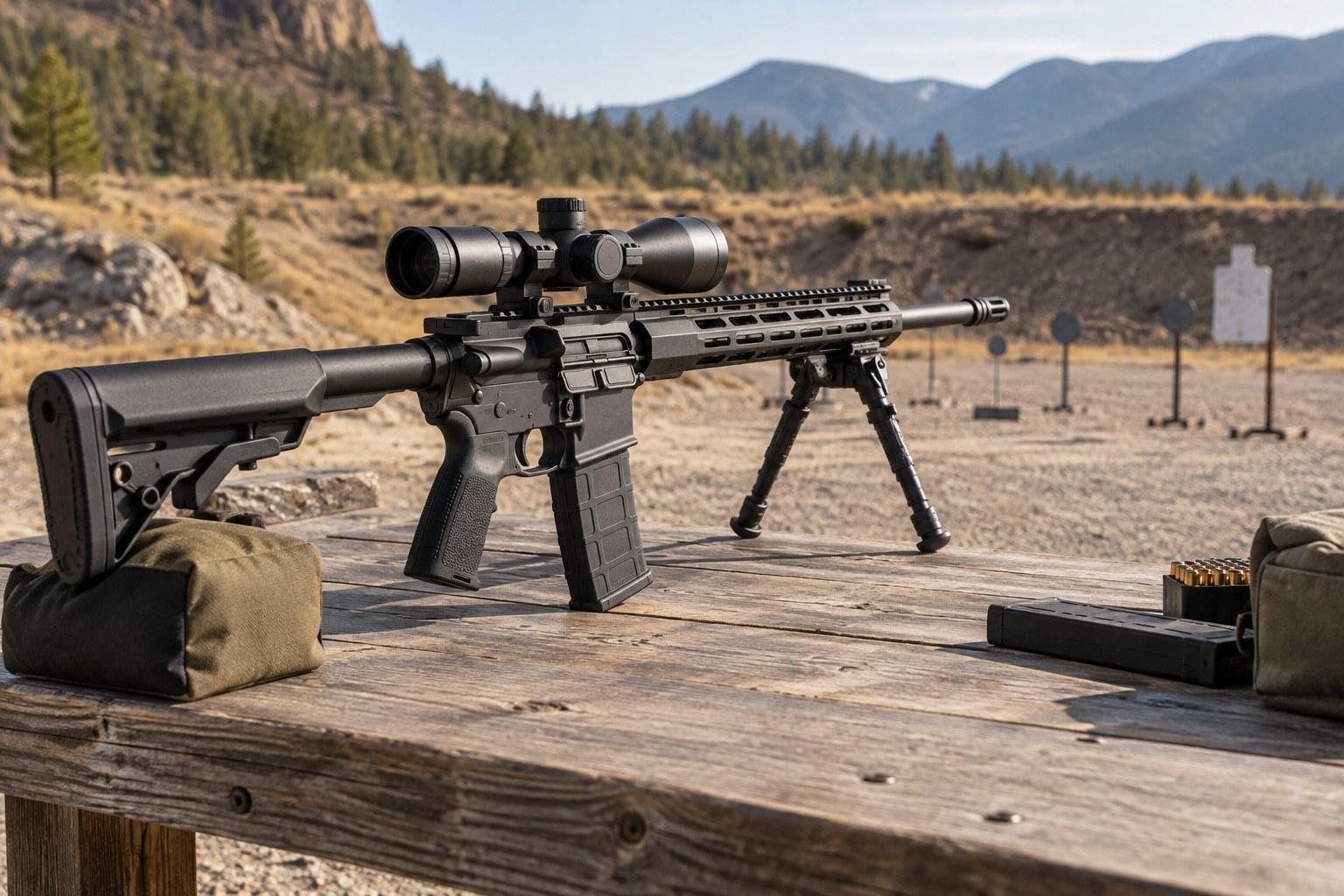
Getting a competition AR-15 ready for your first match has less to do with expensive parts and more to do with preparation. An upper that runs clean, holds zero and feeds every magazine you own will serve you better than a pile of upgrades you have never tested.
This practical prep plan is built for new competitors. It covers what to inspect, how to lube and zero, which accessories actually matter and how to pack for the day. Treat it as a checklist you can work through over a few range sessions before the match.
Still shopping for the upper itself? Start with complete uppers that are assembled, headspaced and function-checked before they ship.
Key Takeaways
- Reliability comes first, so confirm your upper feeds, fires and ejects with your match ammunition before you worry about accuracy upgrades.
- A consistent zero, recorded in a notebook or app, is the foundation for every stage you will shoot.
- Check that the gas block, muzzle device, handguard and optic mount are secured to the component manufacturer's published specs.
- Test every magazine you plan to bring, and mark or retire any that cause malfunctions.
- Read the match rules early, because divisions and equipment limits differ from one event and organization to the next.
Pick the Right Competition AR-15 Configuration
Before you prep anything, make sure your upper fits the kind of match you are entering. A local practical carbine match, a steel challenge and a precision rifle event reward different setups, and the match director can tell you which divisions are offered.
Caliber
Many new shooters show up with a 5.56 NATO or 223 Wylde chambered rifle because the ammunition is easy to find and recoil is mild. A 223 Wylde chamber is designed to fire both 223 Remington and 5.56 NATO, which gives you flexibility when buying practice and match ammo. Our 5.56 vs 223 Wylde vs 223 Remington breakdown explains the chamber differences in detail.
223 Wylde uppers are commonly available in 16 inch and 18 inch barrel lengths, with 18 inch options often built on a medium stainless or SPR-style barrel. If you prefer a NATO chamber, browse the 5.56 NATO uppers instead.
Barrel Length and Twist
Shorter barrels are quicker to move between targets, while longer barrels add sight radius, weight up front and usually some velocity. For a first match, a 16 or 18 inch barrel is a sensible middle ground for most practical carbine formats. Keep any barrel at 16 inches or longer, or register it as a short-barreled rifle on a rifle with the ATF, since state and local laws vary.
Twist rate matters for bullet weight. 223 Wylde barrels commonly use a 1:8 twist, which is a common choice for stabilizing a wide range of 223 bullet weights. Confirm with your ammunition maker if you plan to run very heavy or very light bullets.
| Match Style | What Tends to Matter Most | Upper Features to Consider |
|---|---|---|
| Practical carbine | Speed, transitions, reliability | 16 inch barrel, muzzle brake or comp, lightweight handguard |
| Steel challenge style | Fast follow-up shots, low recoil | Compensator, low-magnification or red dot optic |
| Precision rifle events | Accuracy at distance, stable positions | 18 inch or longer stainless barrel, magnified scope, free-float handguard |
| Club or fun matches | Learning the format, safe handling | Any reliable, zeroed rifle with working magazines |
Inspect Your Upper Before the First Range Trip
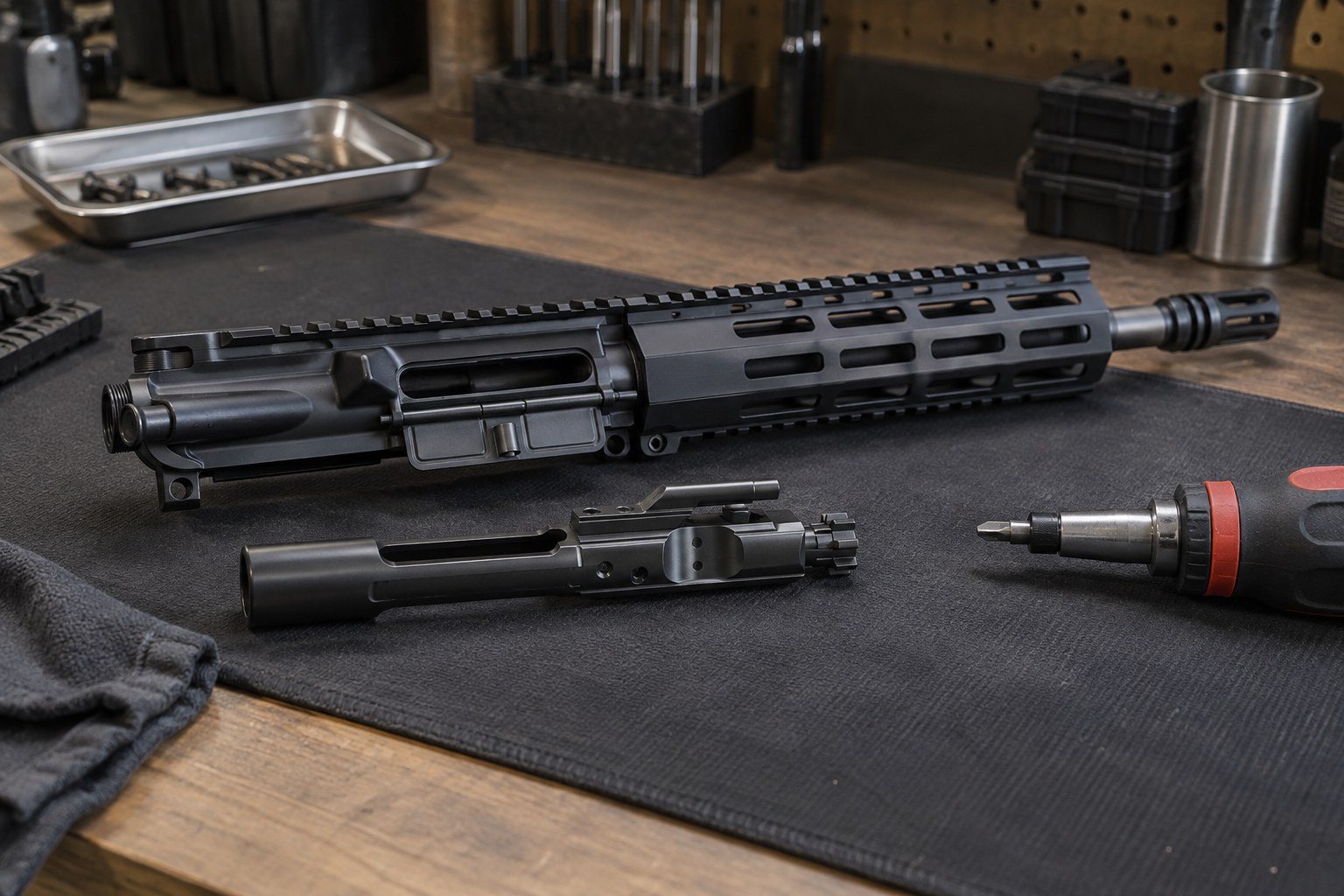
A careful inspection at the bench catches many of the problems that can ruin a first match. Always start with a cleared, unloaded rifle, with the magazine removed and the chamber visually checked.
Check the Fasteners
Look at the gas block, handguard screws, barrel nut area, muzzle device and optic mount. Anything that has shifted can change your point of impact or cause cycling problems. For torque values, follow the component manufacturer's published spec, and see our AR-15 upper torque specs overview for general context. If you are unsure about any step, have a qualified gunsmith look at it.
Look Over the Bolt Carrier Group
Pull the bolt carrier group and inspect the bolt face, extractor, gas rings and carrier key. Check that the carrier key screws are staked and that nothing looks cracked or chipped. A worn or questionable bolt is worth replacing before a match, and bolt carrier groups are widely available if you want a spare in your range bag.
Charging Handle and Controls
Clearing malfunctions under a timer is easier with a charging handle you can grab quickly. Many competitors like an extended or ambidextrous latch. You can compare options in the charging handles category.
Want to understand every part you just inspected? Our cleaning walkthrough covers disassembly and reassembly step by step.
Clean, Lube and Break In the Upper
A competition rifle does not need to be spotless, but it does need to be properly lubricated. Dry rifles are a common source of malfunctions, especially during long match days.
Lubrication
Apply lube to the bolt, cam pin area and the carrier rails where they contact the upper receiver. Use the amount your lube manufacturer recommends rather than flooding the action. Wipe excess off the outside of the upper so it does not collect grit.
Barrel Break-In
Some barrel makers publish a break-in procedure and others say it is unnecessary. If your barrel came with instructions, follow them. Our barrel break-in guide covers the common approaches and when they make sense.
Gas System Behavior
Watch how the rifle cycles with your match ammunition. Brass that ejects weakly, short strokes or a bolt that fails to lock back on an empty magazine can point to a gas issue, a dry rifle or weak ammunition. Never drill or modify gas ports. If problems persist, contact the manufacturer or a qualified gunsmith.
Zero Your Optic and Record Your Data
Your zero is the reference point for every target you will engage. Spend a full range session on it, not a few rushed minutes.
Choose a Zero Distance
Many shooters pick a zero distance based on the targets they expect at their local matches. Ask experienced competitors at your club which distance they use, then confirm your holds at the actual distances you are likely to see.
Shoot From Stable Positions
Zero from a bench or prone with solid support so you are testing the rifle, not your wobble. Shoot several groups, adjust the optic, then confirm with another group. Once you are happy, verify that the optic mount screws are still tight.
Write It Down
Record the zero distance, ammunition, optic settings and any holdovers you confirm. A small card taped inside your rifle case or a notes app works well. When you change ammunition or remount the optic, recheck your zero before the next match.
Test Magazines, Ammunition and Accessories
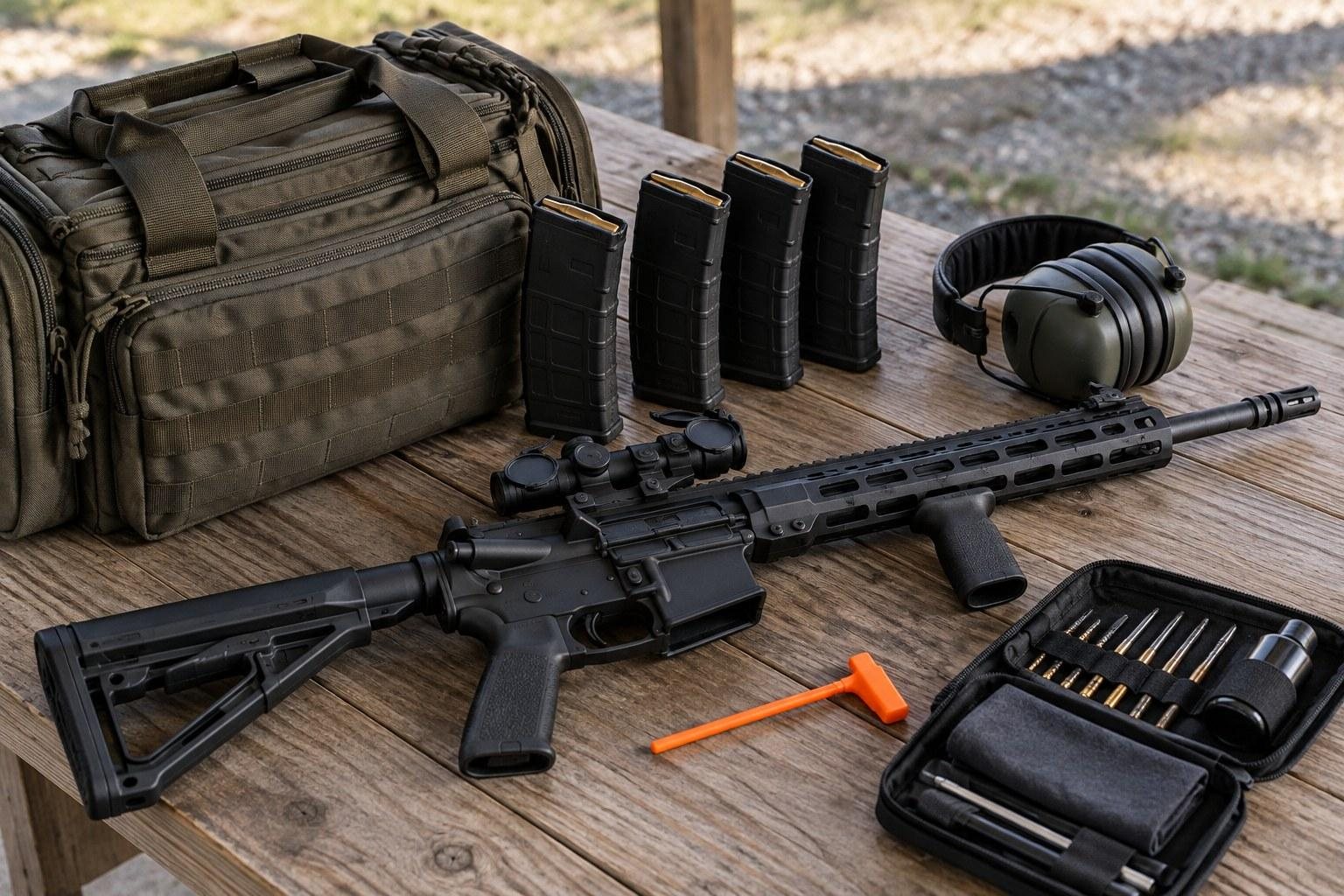
Many first match headaches come from magazines and ammunition rather than the upper. Use your practice sessions to shake out every piece of gear you will carry.
Magazines
Number your magazines and run each one through several full loads. If a magazine causes repeated failures to feed, set it aside. Replacements are generally easy to find in the 223, 5.56 and 300 Blackout magazines category.
Ammunition
Buy enough of one ammunition lot for practice and the match if you can. Switching loads can shift your point of impact. Confirm the round count required by the match so you bring enough, plus some extra.
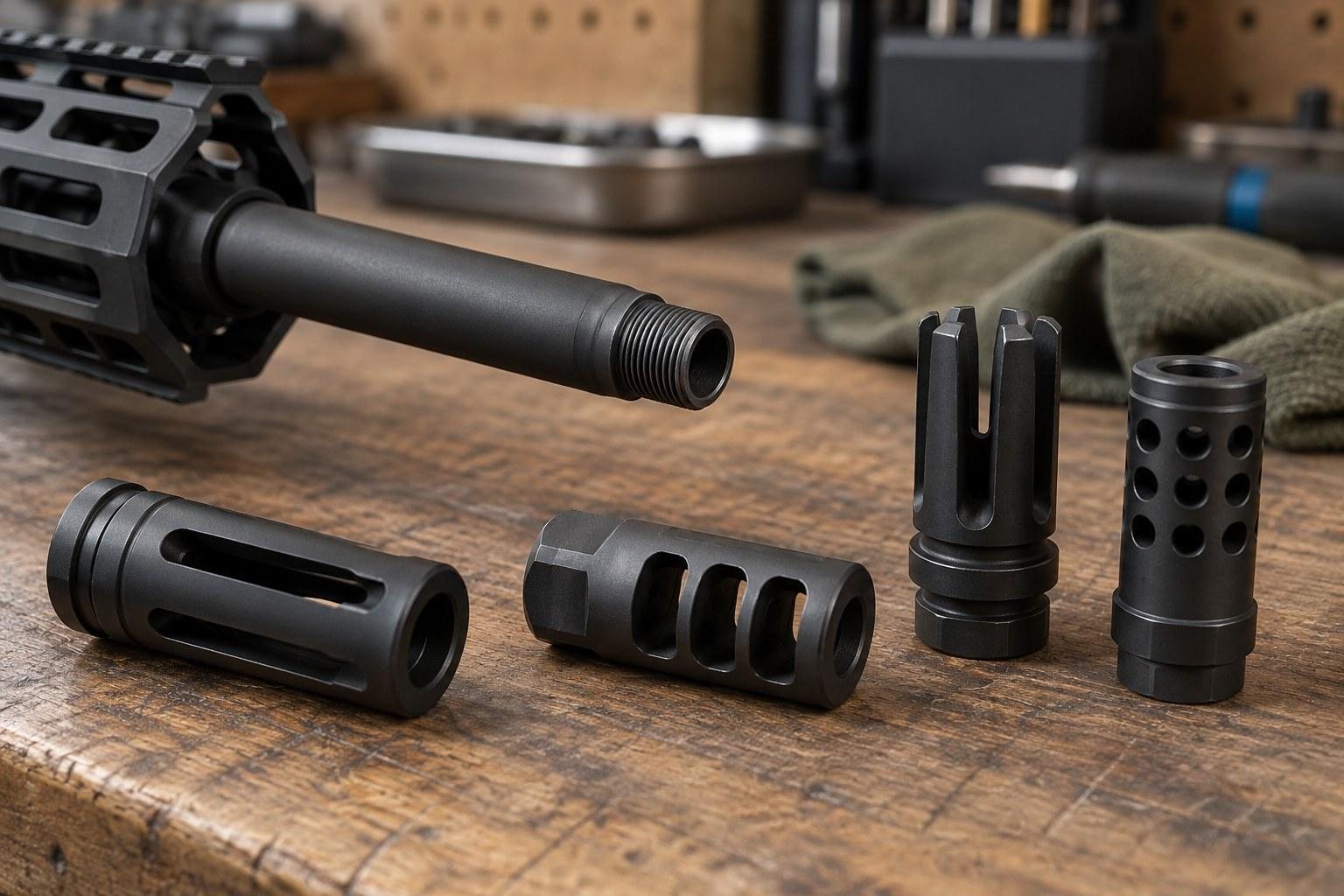
Muzzle Device
A muzzle brake or compensator can reduce muzzle rise for faster follow-up shots, but it also sends more blast toward shooters beside you. Some matches restrict loud brakes at certain bays, so check the rules. If you change devices, use the correct thread pitch for your barrel and the installation method the manufacturer specifies.
- Sling, if the match requires or allows one
- Eye and ear protection
- Chamber flag
- Small tool kit with the drivers that fit your optic and handguard
- Spare bolt carrier group and lube
- Data card with your zero and holds
Prepare for Match Day
Match day goes smoother when your rifle and your gear are squared away the night before.
Know the Rules and Safety Procedures
Read the match rulebook and any local range rules before you arrive. Learn how the range handles cold rifles, chamber flags, the safety area and the commands the range officer will use. New shooters who ask questions at the safety briefing are welcome at most clubs.
Run a Final Function Check
With the rifle unloaded, confirm the safety works, the trigger resets and the bolt locks back on an empty magazine. Check that the optic powers on and the battery is fresh.
Keep the Goal Simple
For your first event, aim to finish every stage safely and learn from the experienced shooters around you. Your competition AR-15 will tell you what it needs after a match or two, and that is the right time to consider upgrades.
Ready to learn more about upper setups and tuning? Browse our full library of guides.