Adjustable gas blocks let you dial in exactly how much gas your AR-15 uses. Here's when they matter and how to tune yours correctly.
An adjustable gas block is one of the highest-value upgrades you can make to an over-gassed or suppressor-hosted AR-15. It lets you dial in exactly how much gas the system needs to cycle reliably, reducing felt recoil, brass ejection velocity, wear on the BCG, and fouling in the receiver. It's not always necessary, but when it is, it's transformative.
Why Adjustable Gas Blocks Matter
The AR-15 gas system was designed for a specific combination of barrel length, gas system length, ammo pressure, and BCG mass. When any of those change (short barrel, suppressor added, hot ammo, heavy BCG), the system moves out of its ideal tuning window. Over-gassing causes:
- Excessive felt recoil
- Fast, aggressive brass ejection (bruised brass, brass thrown far)
- Accelerated wear on the BCG and receiver
- Increased fouling in the upper
- Bolt bounce that can cause reliability issues at rapid fire
An adjustable gas block solves this by letting you restrict gas flow to the minimum needed for reliable cycling.
When You Actually Need One
Strongly recommended:
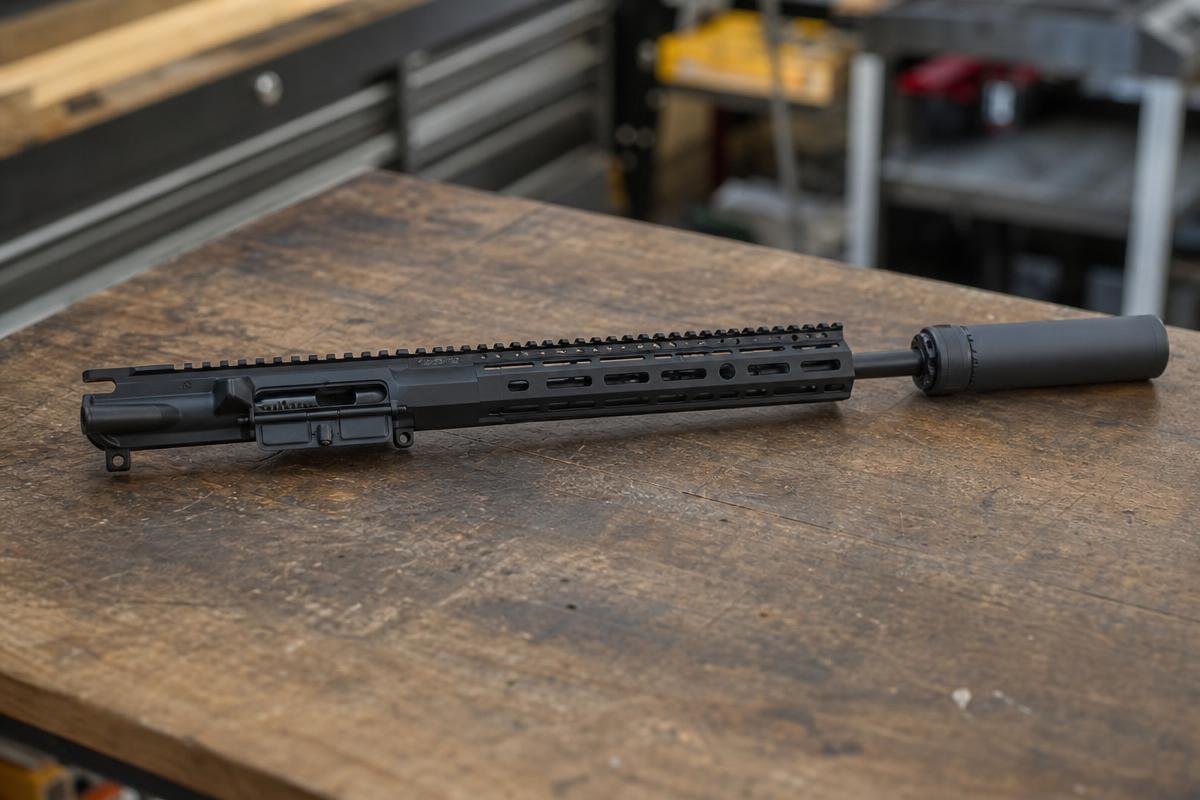
- Suppressed AR-15 (suppressor increases back-pressure, over-gassing the system)
- Short barrels (10.5 inch and shorter 5.56, most 300 Blackout builds)
- Precision or competition rifles where soft cycling matters
- Rifles that eject brass past 4 o'clock (over-gassed indicator)
Nice to have:
- 14.5 inch 5.56 with carbine gas (borderline over-gassed)
- Rifles that will see multiple ammo types
- Any build where felt recoil matters
Not necessary:
- Standard 16 or 18 inch 5.56 with mid-length or rifle-length gas
- Rifles that eject brass to 3 to 4 o'clock cleanly
- Range-only guns where you're not chasing softer recoil
Top Adjustable Gas Blocks
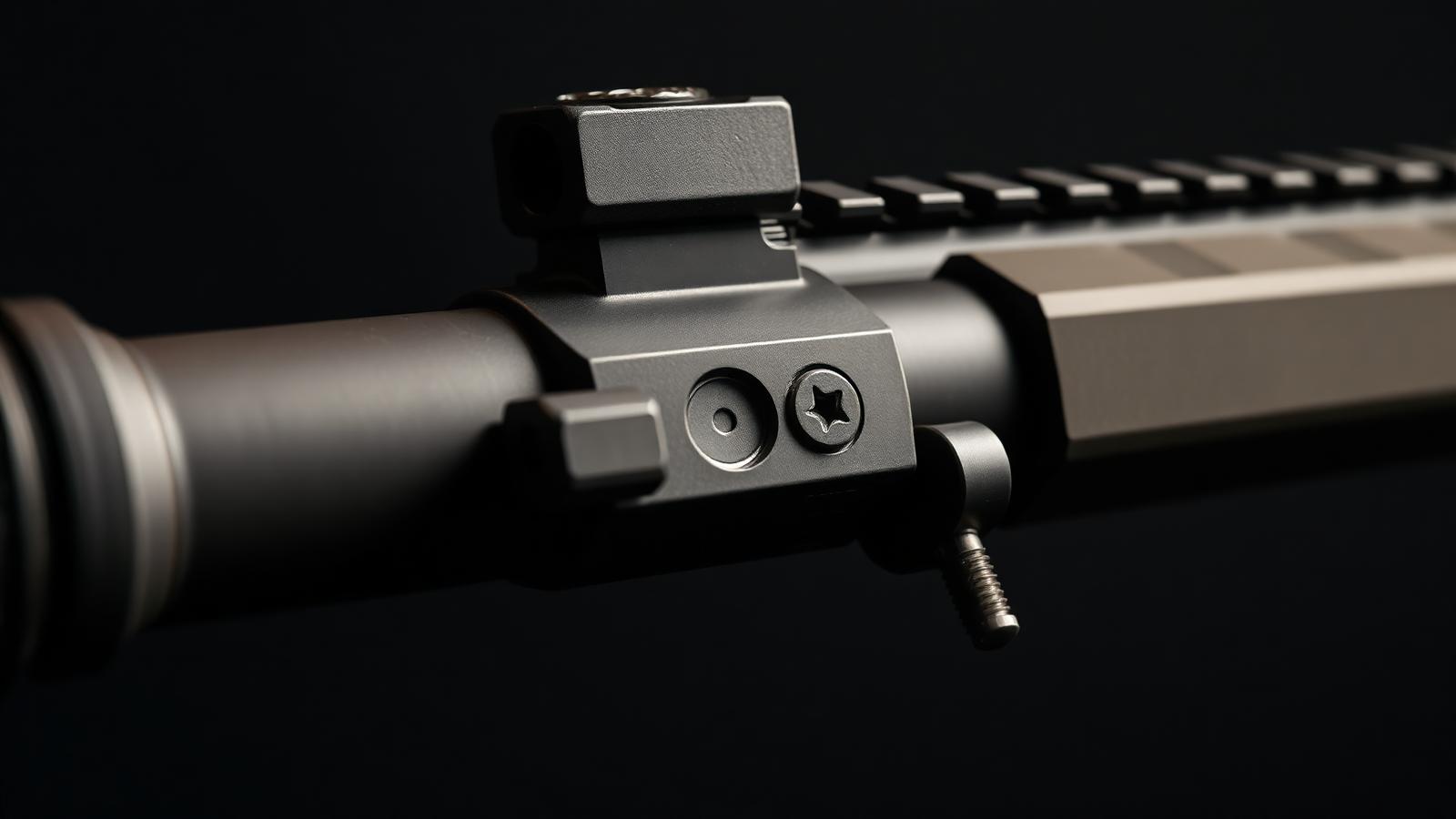
SLR Rifleworks Sentry 7 and Sentry 8 ($130 to $180). Click-adjustable, positive detents, easy to count clicks for repeatable settings. Very popular for a reason.
Superlative Arms Bleed-Off ($140 to $170). Bleed-forward design vents excess gas out the front rather than sending it into the system. Runs the BCG cleaner and cooler than restrictive designs. Adjustable from the front without removing the handguard.
Seekins Precision Select Adjustable Gas Block (SAGB) ($130 to $160). Click-adjustable with positive detents, quality machining, and compact footprint. Excellent all-around choice.
JP Rifles JPGS-4B ($130). JP's proven adjustable block, widely used in competition.
Odin Works Tunable ($90 to $130). Solid value option with good adjustability.
Rise Armament RA-901 ($90 to $120). Budget-friendly click-adjustable option.
Avoid ultra-cheap ($40 to $70) adjustable blocks from unknown brands: thread wear, gas leaks, and adjustment inconsistency are common issues.
How to Tune Your Adjustable Gas Block
Standard "reduce to reliability" tuning method:
- Start fully open (maximum gas). Confirm the rifle cycles reliably with your primary ammo.
- Close the gas by 2 to 3 clicks at a time.
- Test with a single round loaded with the magazine removed. If the bolt locks back on the empty magazine follower, you're still cycling enough.
- Continue closing in 1-click increments until the bolt fails to lock back or fails to fully cycle.
- Open 1 to 2 clicks past the failure point. This is your minimum reliable setting.
- Add 1 to 2 more clicks of margin for cold weather, dirty conditions, and ammo variation.
Alternative method for suppressed setups:
- Tune first with the suppressor OFF using the method above.
- Note the setting.
- Attach suppressor and close gas by 2 to 4 clicks to compensate for added back-pressure.
- Verify reliability with a full magazine.
Signs you're tuned correctly:
- Brass ejects softly to 3 to 4 o'clock
- Recoil is noticeably reduced
- Bolt locks back on empty magazine reliably
- No stovepipes, failures to feed, or short-stroking
Signs you're tuned too closed:
- Bolt fails to lock back
- Short-strokes (bolt doesn't travel far enough back)
- Failure to eject or stovepipes
- Weak ejection to 5 to 6 o'clock
Installation Notes
- Use blue Loctite on the set screws (never red, you may need to remove for maintenance)
- Verify the block aligns with the gas port on the barrel before tightening
- Torque set screws to manufacturer spec (typically 25 to 35 in-lb, small)
- Pin the block if the design allows it, prevents shifting under hard use
- Test-fire before final Loctite cure for alignment confirmation
Most adjustable blocks fit standard .750 gas journal barrels. Verify the journal diameter on your barrel matches the block's specified size before ordering.
Browse adjustable gas blocks and complete uppers with adjustable gas at ar15parts.com.