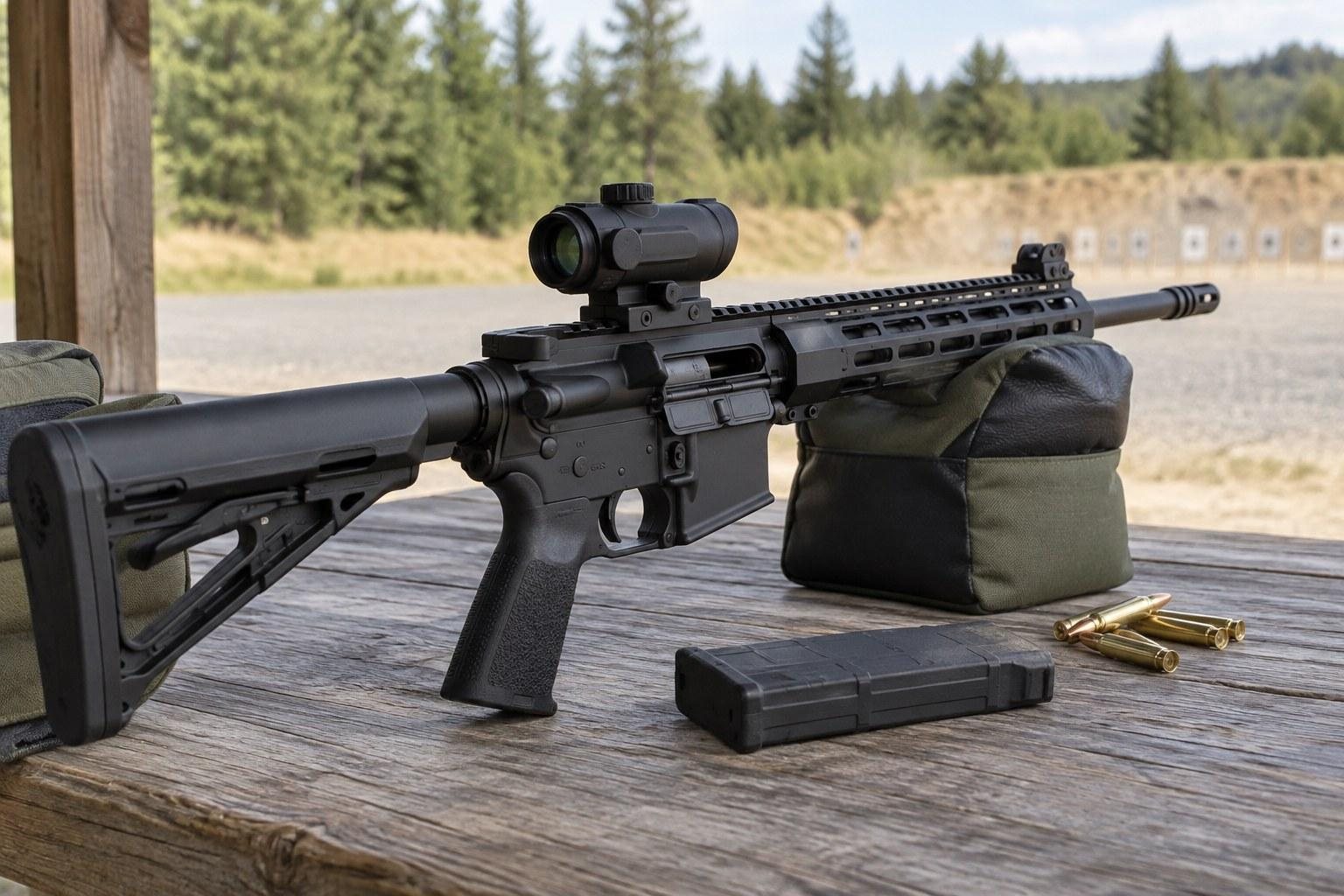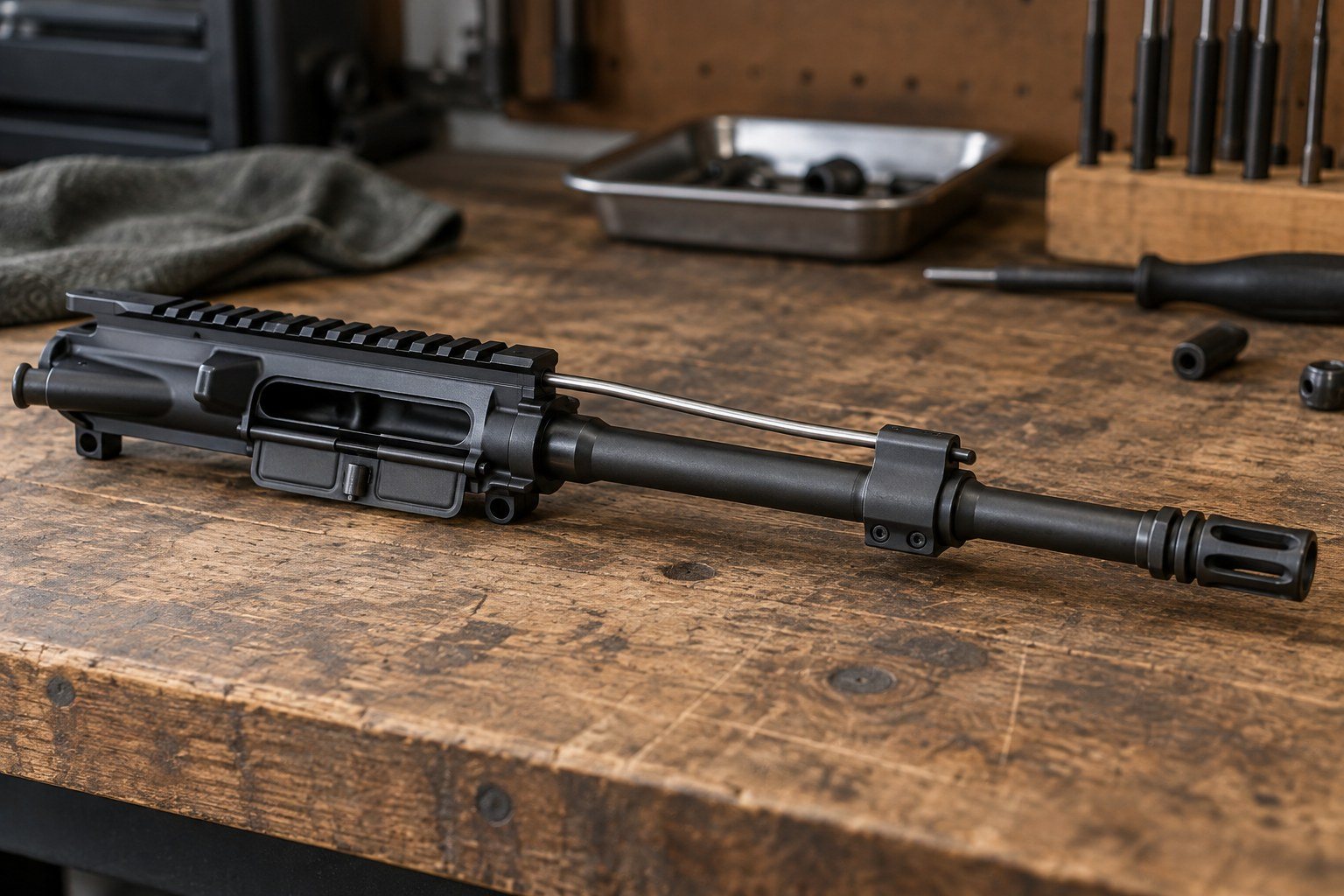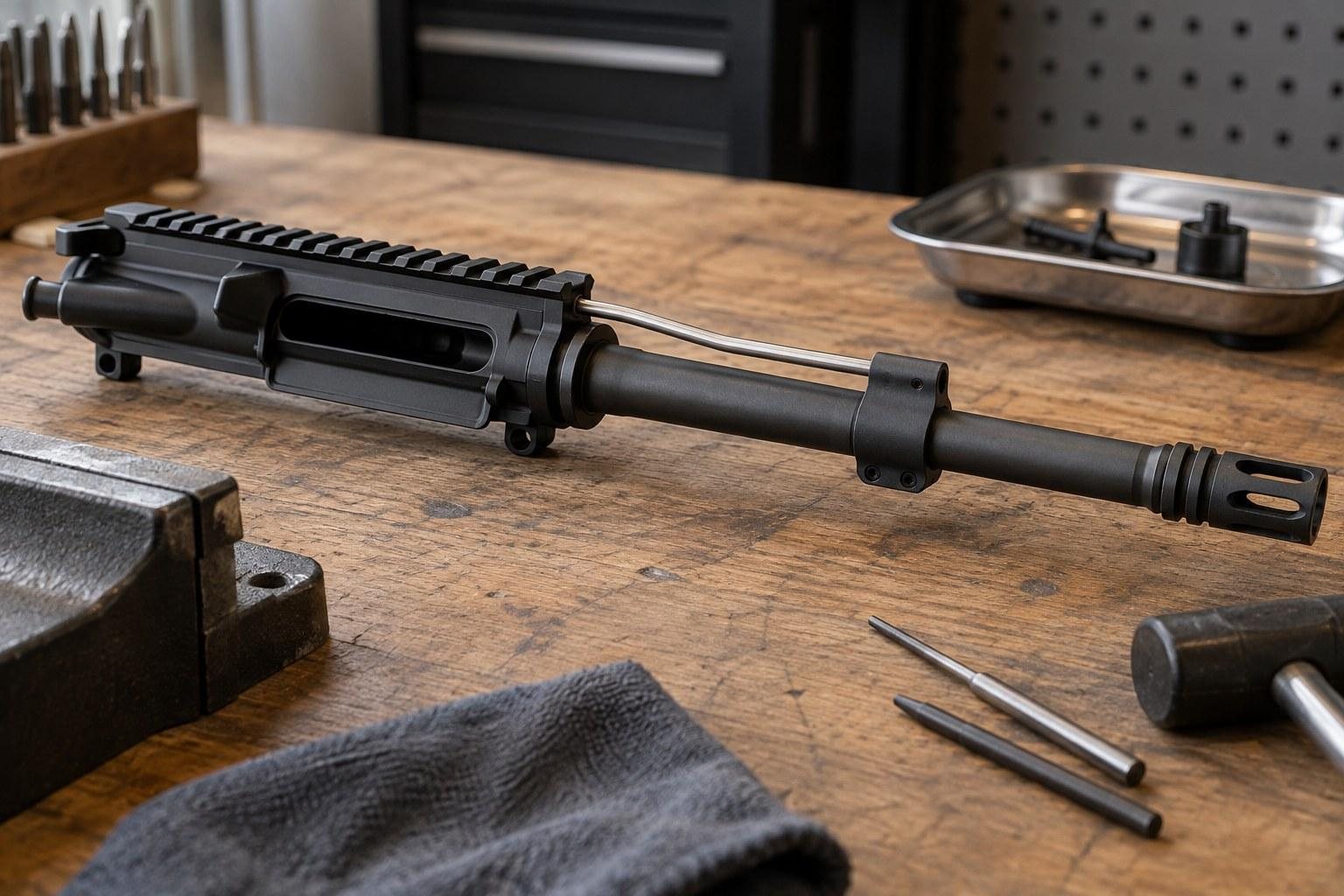
If you get suppressor gas in your face every time you press the trigger, you are not imagining it, and you are not alone. Adding a can to a direct impingement AR-15 raises the pressure inside the system, and some of that extra gas finds its way out of the upper right next to your nose and eyes. The result is watering eyes, a dirty rifle and a range session that ends early.
The good news is that blowback is a solvable problem. This guide breaks down where the gas comes from, which upper components influence it, and the order in which to try fixes so you spend money only where it helps. Every change starts with an unloaded rifle and the manufacturer's instructions.
Want an upper that is set up for suppressed shooting from the start? A complete upper gives you a known baseline to build from.
Key Takeaways
- A suppressor adds backpressure, which pushes more gas back through the barrel, gas system and chamber of a direct impingement AR-15.
- Much of the blowback that reaches your face often escapes around the charging handle and out of the ejection port.
- Reducing the gas that enters the system, usually with an adjustable gas block, attacks the root cause rather than the symptom.
- A gas-sealing or gas-busting style charging handle and a heavier buffer can reduce what you feel, but they do not remove the extra gas.
- Low-backpressure suppressor designs and the right gas system length can make a large difference before you change any upper parts.
- Never drill or modify a gas port, and see a qualified gunsmith whenever you are unsure about a change.
Why Suppressors Cause Gas Blowback on an AR-15
A suppressor works by trapping and slowing the expanding propellant gas behind the bullet. That is great for your ears, but the trapped gas has to go somewhere. In a direct impingement AR-15, part of that gas travels back down the bore and into the gas port, through the gas tube and into the bolt carrier group.
Backpressure in Plain Terms
Backpressure is the extra pressure a suppressor holds inside the barrel for a longer moment after the bullet leaves. With more pressure lasting longer, more gas is pushed through the gas system, and the action tends to unlock earlier and cycle harder. The bolt carrier moves faster, and residual gas stays in the bore as the chamber opens.
Where the Gas Escapes
When the bolt unlocks and the carrier travels rearward, leftover gas vents from the chamber area. The two main exits on a standard upper are the ejection port and the small gap around the charging handle at the rear of the receiver. Because the charging handle sits right under your face on a normal cheek weld, gas that leaks past it is the gas you notice most.
Why Some Rifles Are Worse Than Others
Barrel length, gas system length, gas port size, ammunition and the suppressor itself all change how much gas comes back. Short barrels with short gas systems tend to run with more pressure at the port, so they often feel gassier once a can is added. If you are still choosing a configuration, our guide on how to choose the right gas system length explains the tradeoffs.
Signs Your Suppressed Upper Is Overgassed
Gas in the face is the symptom most shooters notice first, but it usually shows up alongside other clues. Spotting them helps you confirm that the rifle is overgassed rather than dealing with a single bad part.
Common Symptoms
- Stinging or watering eyes and a noticeable taste of propellant after a few shots.
- Brass ejecting far forward of the shooter or landing much farther away than it did unsuppressed.
- Harsher felt recoil and more muzzle movement than the rifle had without the can.
- Much faster carbon fouling on the bolt, carrier and inside the upper receiver.
- Dented or dinged case mouths and, in some rifles, signs of extraction trouble.
Rule Out Simple Causes First
Before you buy parts, confirm the basics. Make sure the gas block is properly aligned and secure, the gas key screws on the carrier are staked and tight, and the suppressor and muzzle device are installed per the suppressor maker's instructions. A dirty or worn bolt can also make cycling problems look worse. Our AR-15 cycling troubleshooting guide covers these checks in more detail.
Ready to understand every part of the gas system before you tune it? Read our adjustable gas block guide next.
Fixes for Suppressor Gas in Face, Ranked by Approach
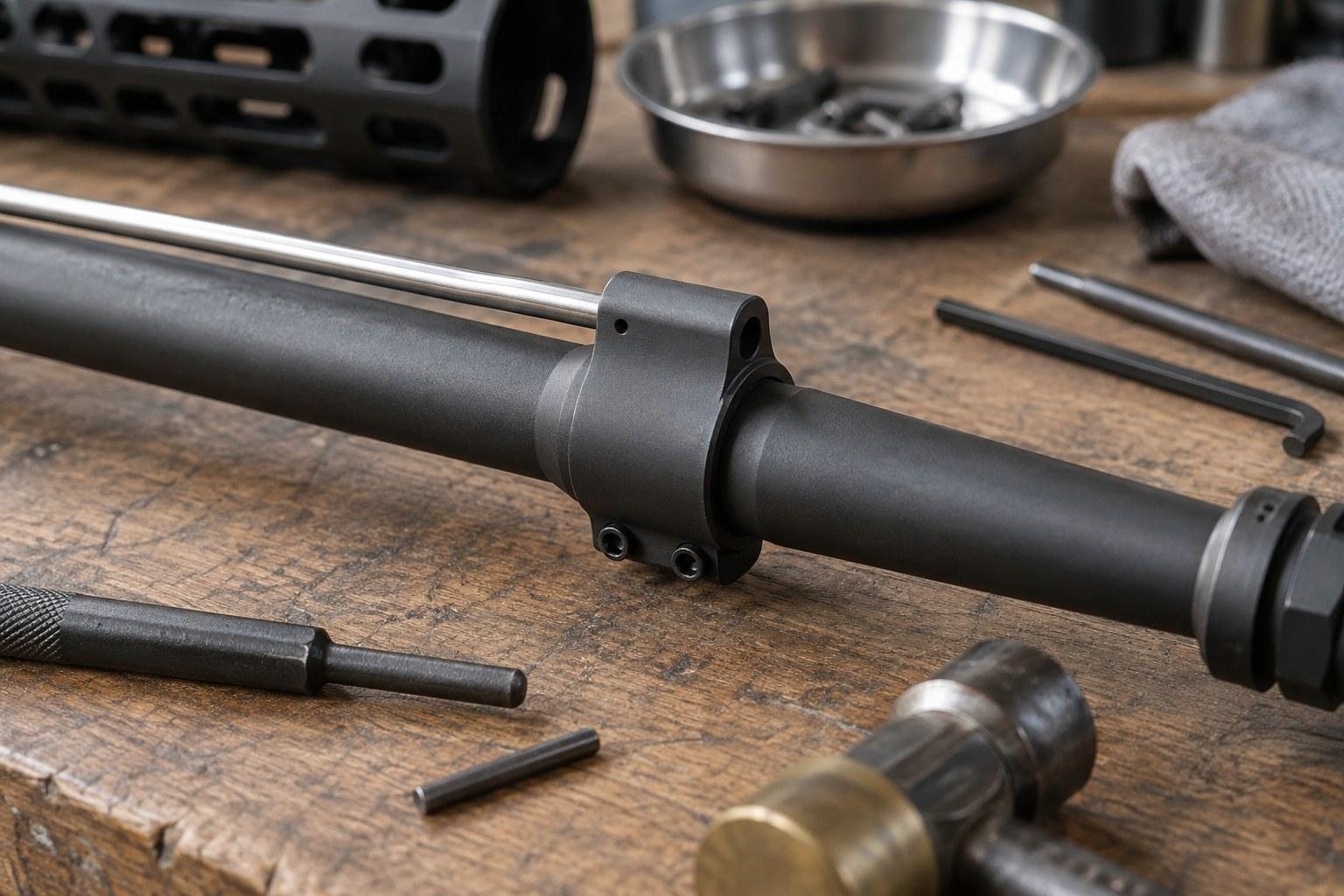
There is no single cure for suppressor gas in your face, but the options fall into two groups. Some fixes reduce the amount of gas entering the system. Others manage the gas that is already there. It is generally wise to start with the root cause whenever you can.
| Fix | What It Does | Addresses Root Cause? | Notes |
|---|---|---|---|
| Adjustable gas block | Restricts how much gas reaches the carrier | Yes | Requires removing the handguard and existing gas block |
| Low-backpressure suppressor | Vents gas forward instead of holding it in the bore | Yes | A suppressor purchase is an NFA item and requires registration |
| Adjustable or tunable bolt carrier | Bleeds or restricts gas at the carrier | Partly | Brand specific; follow the maker's tuning steps |
| Gas-sealing charging handle | Blocks or redirects gas around the handle | No | Reduces what reaches your face |
| Heavier buffer or spring | Slows carrier movement | No | Helps timing and felt recoil |
| Ammunition choice | Changes pressure at the gas port | Partly | Test what your rifle actually runs reliably |
Adjustable Gas Blocks
An adjustable gas block lets you meter gas flow at the source. You turn it down until the rifle cycles reliably with the suppressor attached, then confirm it still runs with the ammunition you plan to use. Less gas into the system means less gas coming back out by the charging handle. Always follow the gas block manufacturer's tuning steps and published specs.
Keep in mind that a gas block set for suppressed use may short-stroke without the can. Many adjustable blocks are made with that in mind and offer settings or detents you can return to.
Low-Backpressure Suppressors
Several suppressor makers now market designs intended to lower backpressure by routing gas differently. If you are still shopping for a can, this is the most direct way to limit blowback without touching the rifle. Read the manufacturer's literature and compare honestly, since performance claims vary by design and host.
Tunable Bolt Carriers
Some bolt carriers include an adjustable or vented feature that regulates gas at the carrier. They can be a useful option when the gas block is hard to reach. Check compatibility carefully, and stick to the maker's published setup.
Charging Handles and Buffers That Reduce Blowback
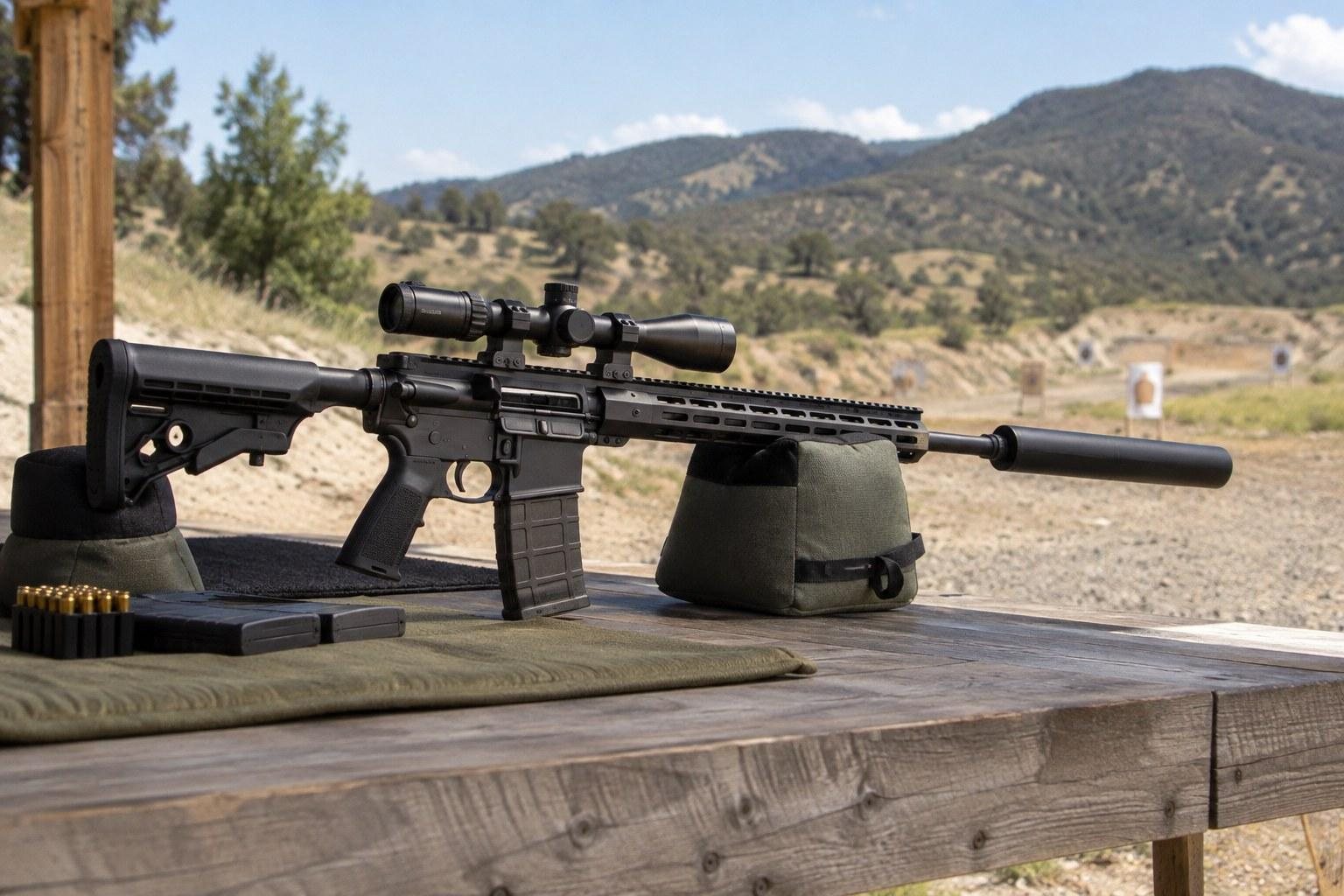
If tuning the gas is not an option, or you want an extra layer of comfort, the next step is managing the gas that does escape. These parts make the rifle more pleasant but do not change how much gas comes back.
Gas-Busting Charging Handles
A standard mil-spec charging handle leaves a gap where gas can travel toward your face. Gas-busting or gas-sealing designs use enlarged latches, channels or seals to redirect gas away from the shooter. Look over the AR-15 charging handles available and compare features against the manufacturer's description, since not every tactical handle is designed specifically to seal gas. Our charging handle guide walks through the differences.
Buffer Weight and Springs
A heavier buffer slows the carrier and can delay unlocking slightly, which may give the pressure more time to drop before the chamber opens. It can also soften felt recoil. A buffer alone will not cure heavy blowback, but it pairs well with gas tuning. For background, see the AR-15 buffer weight guide on AR15Parts.com.
Shooting Accessories
Quality eye protection that seals well around your face helps no matter which fixes you choose. Eye protection is not optional when shooting, suppressed or not.
Bolt Carrier Group and Upper Parts Considerations
The bolt carrier group takes the brunt of extra gas, so it deserves attention in any suppressed build.
Keep the BCG Clean and Lubricated
Suppressed shooting fouls the bolt and carrier faster. Carbon buildup can slow extraction and make the rifle feel less reliable. Clean and lubricate on a tighter schedule than you would unsuppressed, and inspect the gas rings and extractor. A quality bolt carrier group with a smooth, slick coating can make cleanup easier, so compare the common finishes before you buy.
Gas Blocks and Gas Tubes
Low profile gas blocks and gas tubes are also wear items worth checking. A loose or misaligned gas block can cause cycling trouble that gets confused with overgassing. Low profile gas blocks and gas tubes are widely available in AR-15 upper parts categories. Match the gas block diameter to your barrel's journal and follow the barrel maker's specification.
Muzzle Devices and Mounts
Many suppressors attach to a muzzle device or thread mount. Use the device the suppressor maker specifies for your thread pitch, and confirm alignment. You can compare thread-matched options in the muzzle devices category, since common pitches such as 1/2 x 28 and 5/8 x 24 are widely used.
Choosing an Upper Built for Suppressed Shooting
If you are planning a dedicated suppressed rifle, a few choices up front reduce blowback before it starts.
Caliber Matters
300 Blackout was designed with suppressed use in mind, and many shooters choose it for subsonic shooting. 300 Blackout uppers are a versatile choice if quiet shooting is your main goal. Our list of suppressor-ready uppers covers other caliber options too.
Barrel and Gas System Length
Longer gas systems for a given barrel length generally see less port pressure, which can help a suppressed rifle run softer. Keep the NFA in mind with short barrels: a barrel under 16 inches on a rifle, or an overall length under 26 inches, makes a short-barreled rifle that still requires ATF registration. Since January 1, 2026 the federal tax on SBRs and suppressors is $0, but registration is still required. See the ATF National Firearms Act page, and remember that state and local laws vary. Nothing here is legal advice.
Assembled and Function-Checked
Complete uppers from AR15Parts.com are assembled in-house, headspaced and function-checked before they ship, with shipping in 3 to 5 business days. That gives you a known baseline before you add a suppressor and start tuning for suppressor gas in your face.
Want more maintenance tips for a hard-running suppressed rifle? Visit our maintenance and troubleshooting library.