An AR-15 low profile gas block is the small part that quietly decides which handguards will fit your upper. Because it sits under the rail instead of standing tall like a classic front sight base, it opens the door to slim free float handguards that cover the gas system completely. That freedom comes with a few rules, though. Barrel journal diameter, gas system length, handguard inner diameter and rail length all have to agree. Our editors break down how the gas block and the handguard work together, what to measure before you order, and where builders most often run into fit problems, so your next upper goes together cleanly the first time.
Want a finished upper with the gas block and handguard already matched?
Key Takeaways
- A low profile gas block is designed to sit under a free float handguard, which is why it pairs so well with modern slim rails.
- The gas block must match your barrel's gas block journal diameter, so measure the barrel or check its spec sheet before ordering.
- Handguard inner diameter has to clear the gas block, and some blocks are too wide for very slim rails.
- Gas system length tells you where the block sits, which in turn guides how long your handguard can or should be.
- Follow the gas block and handguard manufacturers' published installation and torque instructions, and see a qualified gunsmith when unsure.
What Makes a Gas Block Low Profile
Every direct impingement AR-15 needs a gas block. It sits over the gas port drilled in the barrel and routes propellant gas into the gas tube, which carries it back to cycle the bolt carrier group. The question is how tall that block is.
The Traditional Front Sight Base
The classic AR-15 setup uses an A2 style front sight base that doubles as the gas block. It works, and it gives you a fixed iron sight, but it stands well above the barrel. A free float handguard cannot slide over it, so rifles built this way usually wear drop-in handguards or rails that stop short of the sight base.
The Low Profile Alternative
A low profile gas block removes the sight post and shrinks the part down to a compact body that hugs the barrel. Its job is purely to move gas. Because it is so short, it can hide entirely under a handguard, which lets the rail run all the way out toward the muzzle.
That single design change is the reason the low profile block became the default on so many modern builds. It is less about the block itself and more about what it allows the handguard to do.
Why an AR-15 Low Profile Gas Block Pairs With Free Float Handguards
A free float handguard attaches only to the upper receiver through a barrel nut. It never touches the barrel, which helps keep pressure from your hand, a sling or a bipod from shifting the barrel's point of impact. To get that benefit along the full length of the rail, nothing tall can stick up from the barrel underneath it.
Full Length Rail Coverage
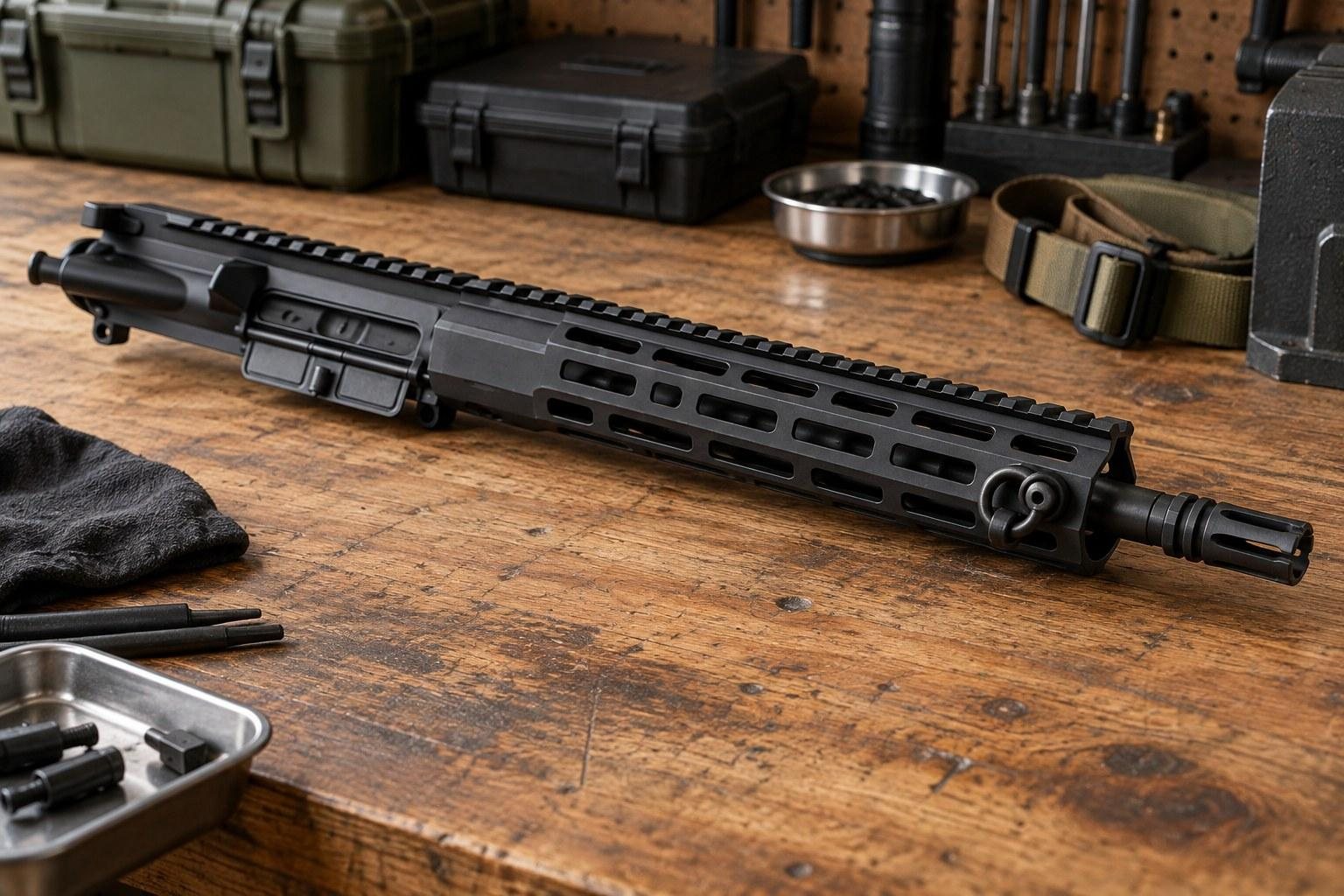
With an AR-15 low profile gas block, the handguard can extend past the gas block. That gives you more room for your support hand, lights, lasers and other accessories, and it covers the hot gas block so you are less likely to touch it after a long string of fire.
Cleaner Sight Options
Without a fixed front sight base, sighting moves to optics and folding or rail-mounted backup sights. Many builders prefer this because a red dot or scope no longer has a front post in the field of view. If you rely on irons, plan to add flip-up sights to your rail.
If you are still deciding between rail types, our free float vs drop-in handguard breakdown walks through the tradeoffs in more detail.
Ready to compare rail styles and attachment systems side by side?
Matching the Gas Block to Your Barrel Journal
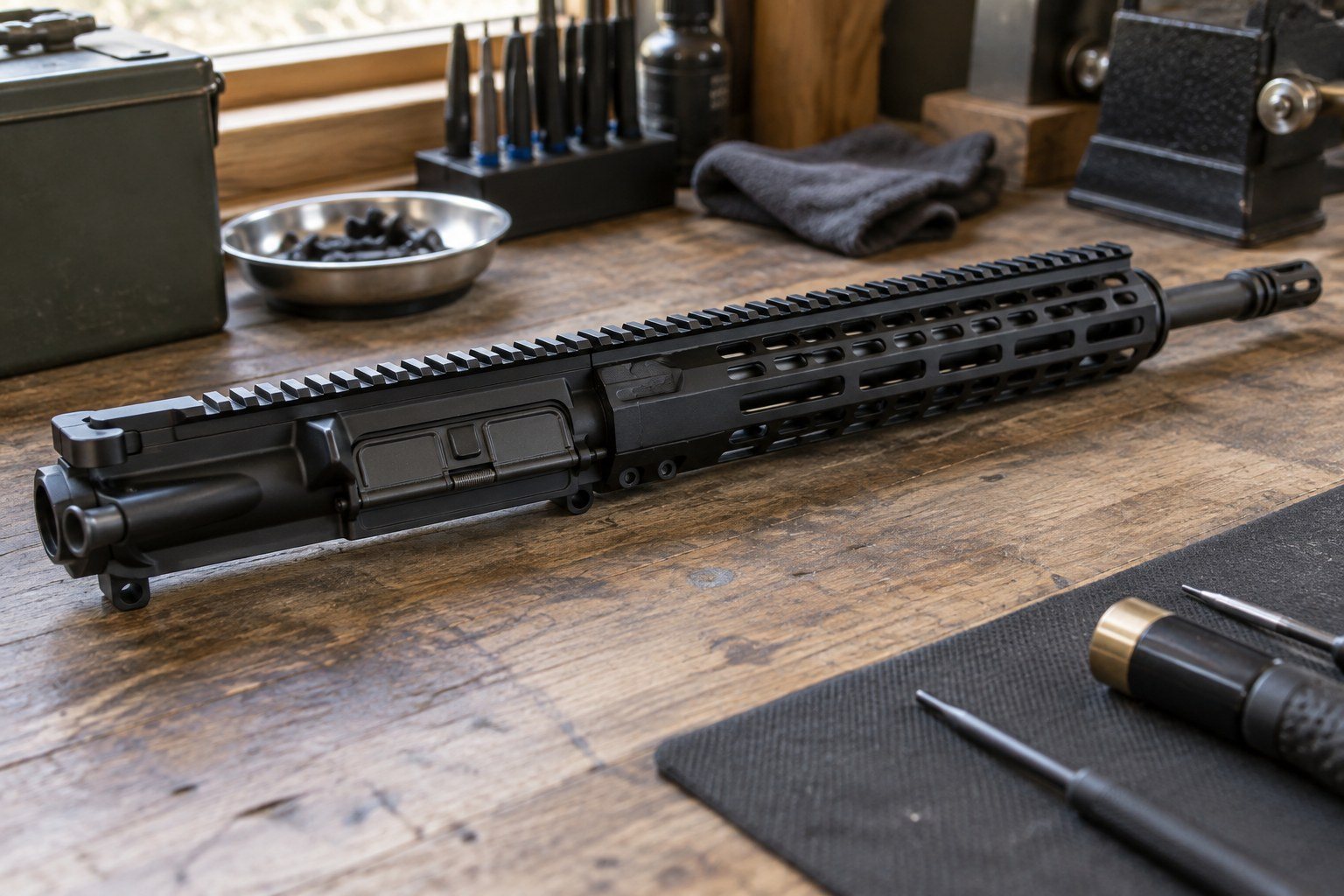
The first fitment step happens before the handguard ever enters the picture. A gas block slides onto a machined section of the barrel called the gas block journal, and the block's bore has to match that journal diameter.
Common Journal Sizes
Low profile gas blocks are sold by journal diameter. Low profile gas blocks are commonly available in three sizes, so check the upper parts category for current options:
| Gas Block Bore | Finishes Listed | What It Fits |
|---|---|---|
| 0.750 inch | Black, Stainless | Barrels with a 0.750 inch gas block journal |
| 0.875 inch | Black | Barrels with a 0.875 inch gas block journal |
| 0.936 inch | Black | Barrels with a 0.936 inch gas block journal |
The barrel decides which one you need. Barrel profiles differ, so do not assume a size based on caliber or length alone.
How to Confirm Your Size
- Check the barrel manufacturer's spec sheet or product page for the gas block journal diameter.
- If the spec is missing, measure the journal with calipers on an unloaded, disassembled barrel.
- Note whether the barrel has a dimple or flat for set screws, since that affects how the block is secured.
A block that is too large will not seal around the port, and one that is too small will not go on at all. Either way, the rifle will not cycle properly, so this measurement is worth getting right.
Handguard Inner Diameter and Clearance
Once the gas block fits the barrel, it has to fit inside the handguard. This is where slim rails can surprise first-time builders.
Why Clearance Matters
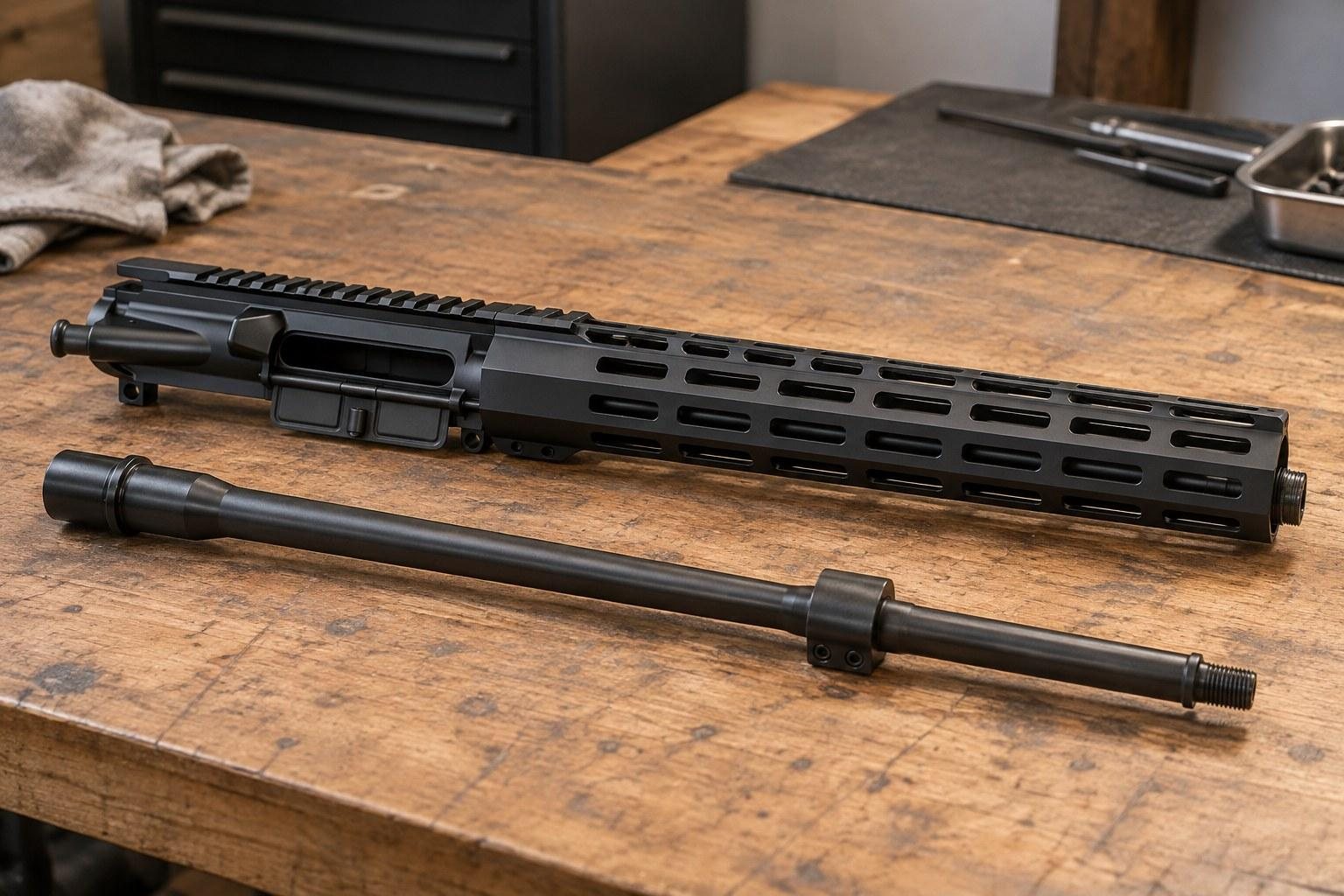
A free float handguard is a tube with a set inner diameter. The gas block, including any set screws or clamp hardware, has to pass through that tube without touching it. If the block rubs the handguard, the rail is no longer truly free floating, and the contact can affect accuracy or make installation impossible.
What to Check
- Look for the handguard manufacturer's stated inner diameter or a list of compatible gas blocks.
- Compare that number to the outside dimensions of your gas block from its manufacturer.
- Remember that larger journal barrels generally use physically larger gas blocks, which need more room inside the rail.
- Adjustable gas blocks can have adjustment screws or bodies that change their outer shape, so confirm clearance for those too.
Lightweight free float rails are commonly available in M-LOK and KeyMod styles in several lengths, including AR-10/LR-308 options for DPMS high profile receivers, so check the AR15Parts.com handguard category for current listings. Read each listing for its compatibility notes before you pair it with a block.
Considering a tunable block? Our adjustable gas block guide covers how they work and when they make sense.
Gas System Length and Handguard Length
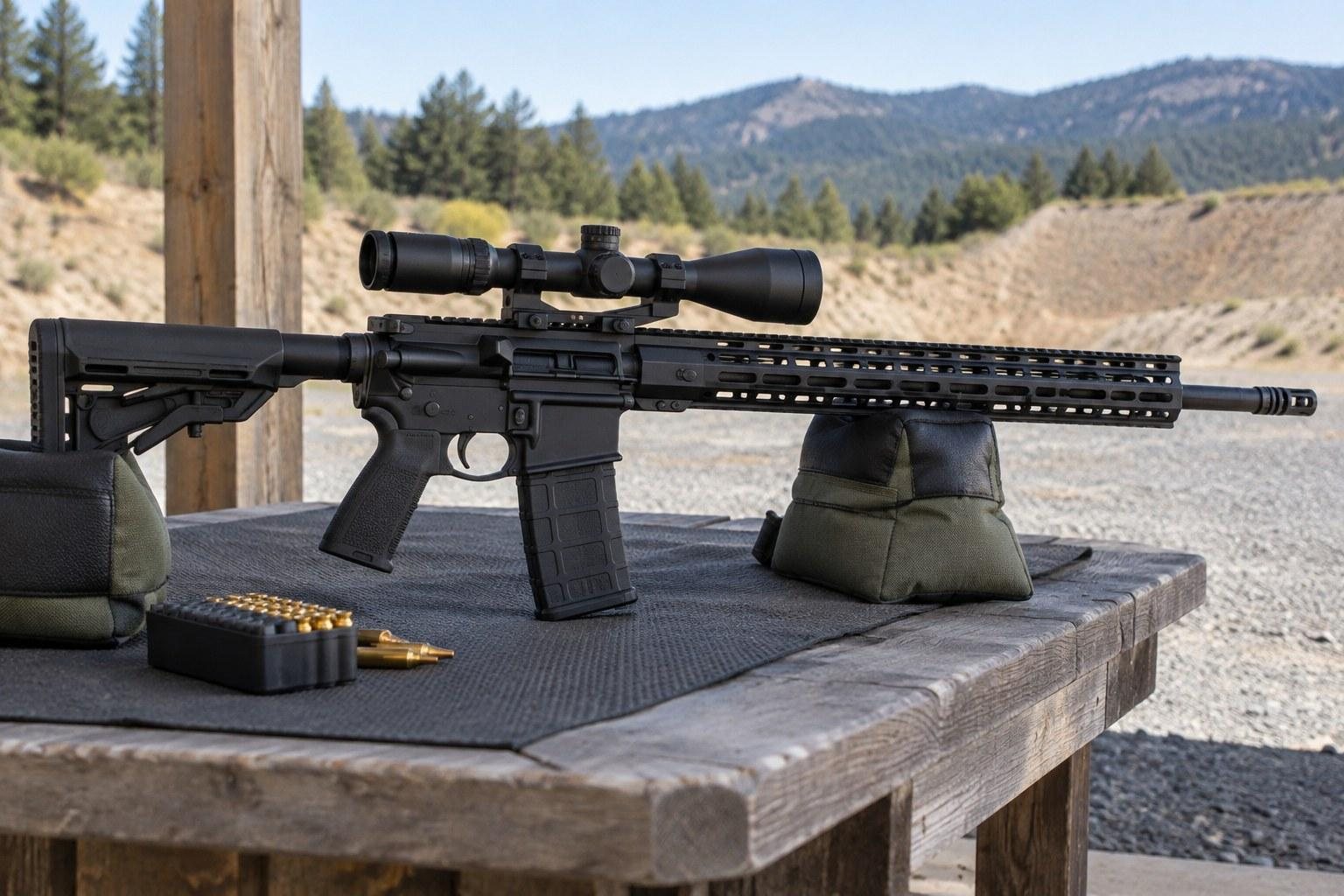
Gas system length tells you how far down the barrel the gas port, and therefore the gas block, sits. That location shapes your handguard decision.
Where the Block Lands
AR-15 barrels use pistol, carbine, mid-length or rifle length gas systems. Longer systems place the block farther from the receiver. A handguard that is too short for the gas system can leave the block exposed in front of the rail, which looks unfinished and leaves a hot part where your hand might go.
Choosing a Length
- Pick a handguard long enough to cover the gas block with some room to spare.
- Make sure the rail does not interfere with your muzzle device, especially on shorter barrels.
- Think about where you want your support hand and accessories, since a longer rail gives more mounting space.
For help picking the right gas system for your barrel in the first place, see how to choose the right gas system length for your AR-15.
Installation and Safety Tips
Installing a gas block and handguard is a common home build step, but small mistakes can cause gas leaks or cycling problems. Always work on an unloaded firearm with the upper separated from the lower.
Securing the Gas Block
Align the gas block's port with the barrel's gas port before tightening anything. Misalignment can starve the action of gas. Follow the gas block manufacturer's instructions for set screws, thread locker and torque. Never drill, enlarge or otherwise modify a gas port.
Installing the Handguard
Install the barrel nut and handguard exactly as the handguard manufacturer specifies, including their published torque values. After installation, confirm the rail does not touch the gas block or barrel anywhere along its length. If anything feels wrong, a qualified gunsmith can check your work before you head to the range.
A quick function check with the action cycling by hand on an unloaded rifle is a sensible final step before live fire.
Want more step-by-step build help?