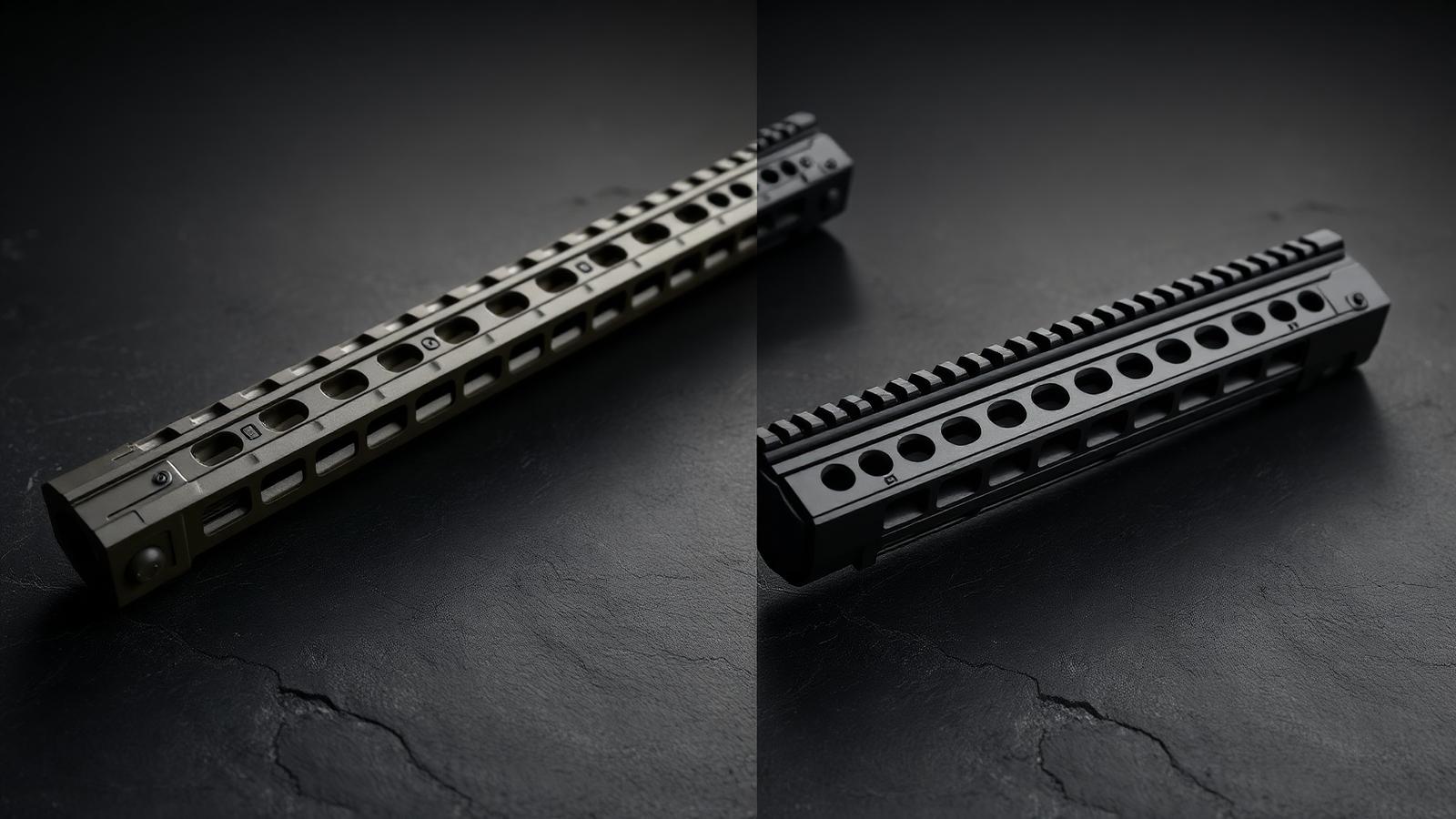
AR-15 and AR-10 look similar but share almost no parts. Here's exactly what interchanges and what requires the larger platform.
The AR-15 and AR-10 look similar enough that newcomers assume they share parts. They don't, or at least not many. Understanding what interchanges (surprisingly little) and what doesn't (almost everything structural) helps you plan builds correctly and avoid ordering the wrong parts. Here's the full breakdown.
The Two Platforms at a Glance
The AR-15 is built around the 5.56 NATO cartridge and its family of intermediate rounds. Everything (receivers, BCG, magazines) is sized for that cartridge class.
The AR-10 is built around the .308 Winchester cartridge and its family of full-power rounds. Everything is scaled up: larger receivers, larger BCG, larger magazines, larger cartridges.
Both use the same operational principle (direct impingement gas from a barrel port, driving a rotating bolt). They look similar because Eugene Stoner designed the AR-15 as a scaled-down version of the AR-10 in the late 1950s. Sixty years of independent evolution have left them functionally distinct.
What Actually Interchanges
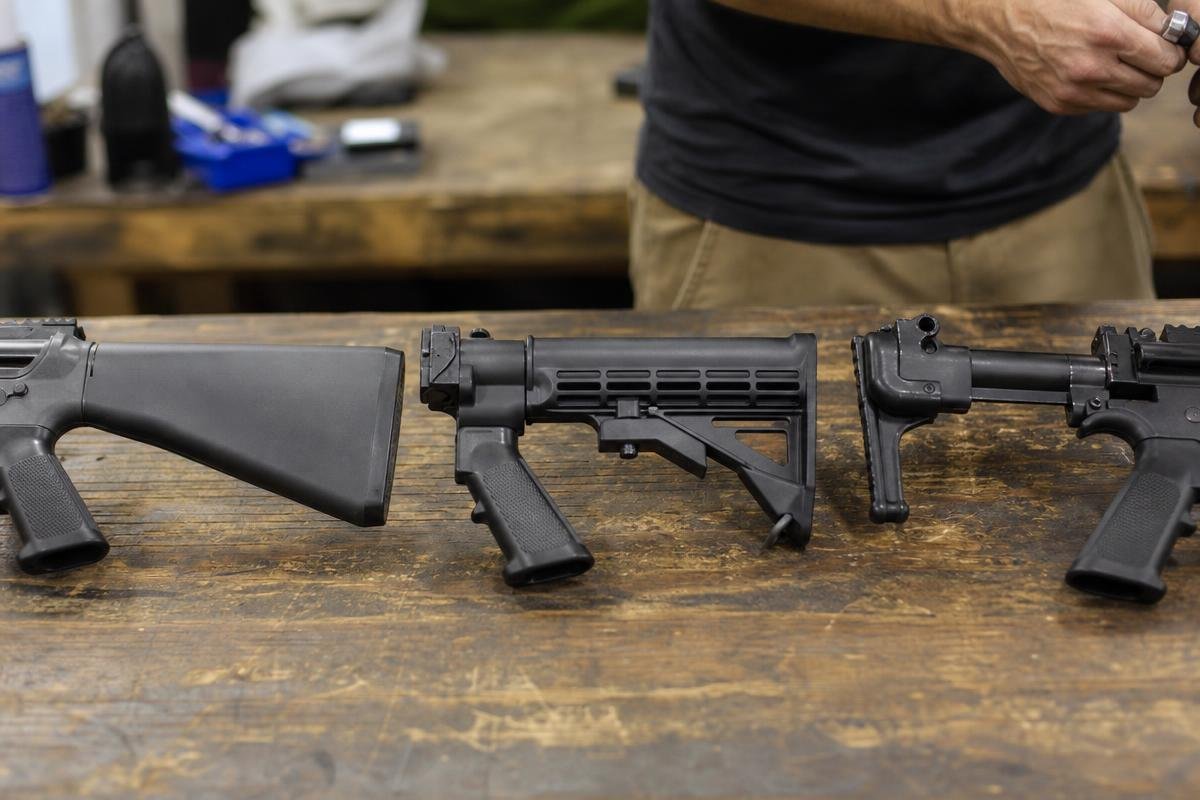
Small trigger group and grip parts interchange because Stoner kept the human-interface parts standard. Everything that touches the cartridge or receiver structure is different.
What Definitely Doesn't Interchange
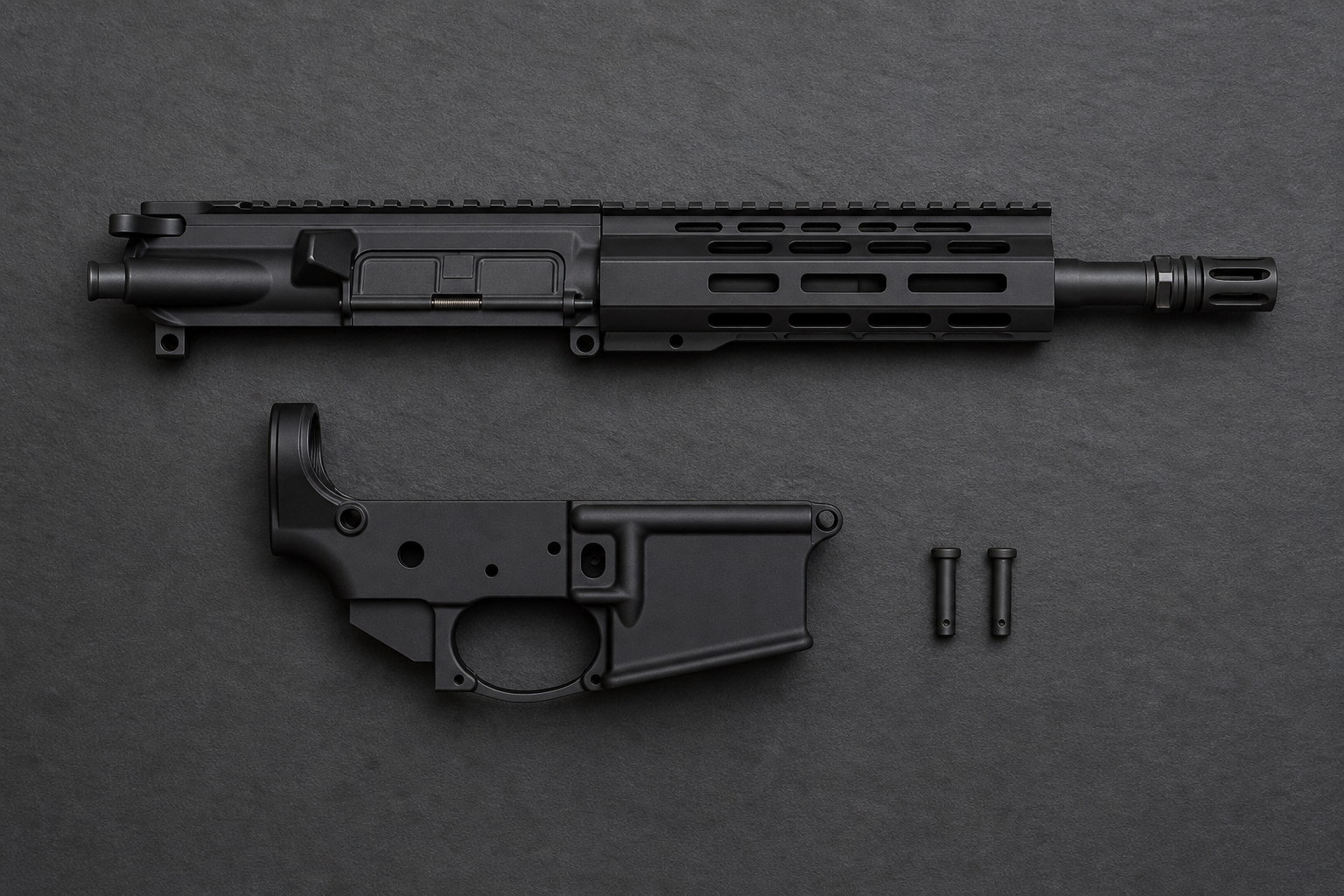
Essentially all structural components are AR-15 or AR-10, never both. Do not attempt to force one into the other.
DPMS vs Armalite: The AR-10 Split
Even within the AR-10 world, there are two incompatible patterns:
DPMS (LR-308) Pattern:
- The de facto modern standard
- Most current AR-10 makers use this pattern (Aero, Bear Creek, Faxon, Ruger, Palmetto State, most builders)
- Sometimes called "high-profile" or "hi-pro" cut
Armalite AR-10 Pattern:
- The original 1990s-2000s pattern
- Used by Armalite proper and a few others (JP LR-08 uses a similar pattern)
- Different receiver dimensions, magazine well, and pin locations
These patterns are NOT cross-compatible. A DPMS upper does not fit an Armalite lower and vice versa. Barrels, handguards, and some other parts may also be pattern-specific.
When shopping AR-10 parts, always verify the pattern. Most stuff you find today is DPMS pattern, but Armalite-pattern parts still exist for shooters with older rifles.
SR-25 pattern (Knight's Armament) is another variant, close to but not fully cross-compatible with DPMS. KAC parts often work with DPMS uppers but not always.
Practical Implications
"I want .308 in my AR-15." Not possible on the AR-15 platform. You're buying an AR-10 (or looking at 6.5 Grendel/6mm ARC, which fit AR-15).
"I have an AR-15 and want to add an AR-10 upper." You'll also need an AR-10 lower, AR-10 magazines, and AR-10-specific accessories. It's a whole second rifle.
"I want to share triggers, grips, and accessories between my rifles." Yes, this works. Buy quality small parts once and they'll interchange freely.
"I want to build an AR-10, which pattern?" Buy DPMS/LR-308 pattern unless you have a specific reason for Armalite. DPMS has vastly more parts and options available in 2026.
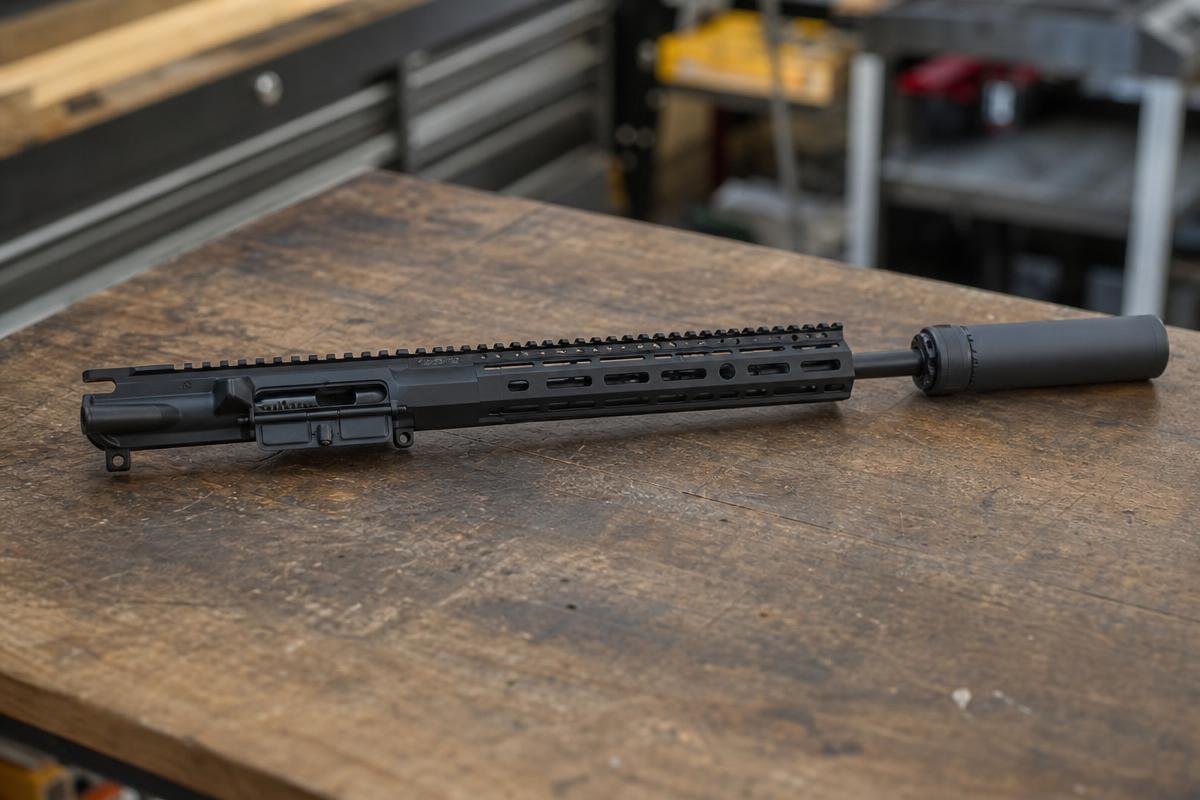
"I want a suppressor for both." Buy a .30 caliber suppressor (SureFire SOCOM762, Dead Air Nomad, HUXWRX FLOW 762). It will suppress 5.56, .308, and everything in between. Don't buy a 5.56 suppressor if you plan to also run .308.
Browse AR-15 uppers and AR-10 (DPMS pattern) uppers at ar15parts.com, filterable by platform.