458 SOCOM hunting makes the most sense when the leaves are down, the deer are pressured and most shots happen inside the timber. Late season changes how deer move, where they bed and how far you can actually see. A heavy, slow, wide bullet fits that picture well.
Our editors put this breakdown together for hunters who already own an AR-15 lower and want a dedicated brush gun for the cold months. We cover what the cartridge does well, where it falls short, how to set up the upper for winter and what to check before you carry it into the woods. You will not find hype here, just honest tradeoffs.
Want to see the full lineup of complete uppers first?
Key Takeaways
- The 458 SOCOM fires .45 caliber bullets, commonly from 250 to 600 grains, from an AR-15 upper that fits a mil-spec lower.
- It is a close to medium range cartridge, which matches the short shots typical of late season timber and brush hunting.
- The cartridge needs its own barrel and bolt, so a complete upper is the simplest way to get a reliable setup, and it feeds from many unmodified standard AR-15 magazines.
- Heavy subsonic loads pair well with a suppressor, but suppressors and short-barreled rifles carry federal registration requirements.
- Hunting rules on calibers, magazine capacity and suppressors vary by state, so check your state wildlife agency before the season.
Why Late Season Deer Hunting Favors a Big Bore
By December and January, deer have been hunted for weeks. Many of them shift to thick bedding cover, travel at the edges of daylight and hold tight in cutovers, swamps and conifer stands. That changes the shot you are likely to get.
Shorter Shots in Thicker Cover
In heavy cover, your window is often a gap in the brush at a modest distance, and it may last only a few seconds. You need a rifle that handles quickly, points naturally and puts a heavy bullet on target without fuss. A compact AR-15 with a big-bore upper checks those boxes.
Low Light at Both Ends of the Day
Pressured deer tend to move near legal shooting light. In those minutes, you want a bullet that leaves a wide wound channel and a solid blood trail, because tracking in fading light or fresh snow is harder than it sounds. Wide, heavy bullets are the traditional answer to that problem.
Cold Weather Changes the Equation
Thick gloves, bulky coats and stiff fingers make handling slower. A rifle with a familiar AR-15 manual of arms, a predictable trigger and controls you already know is easier to run when you are cold. That familiarity is one of the quiet advantages of building a deer gun on a lower you already shoot.
What the 458 SOCOM Cartridge Actually Does
The 458 SOCOM was designed to put a .45 caliber bullet through an AR-15 upper receiver. Projectiles for the cartridge generally range from 250 to 600 grains, which covers everything from fast, lighter hunting bullets to very heavy subsonic loads.
For a deeper look at the numbers, read the AR15Parts.com breakdown of 458 SOCOM ballistics and how hard the round hits. Always confirm velocity and energy figures with the ammunition maker for the exact load you plan to hunt with.
Bullet Weight and Its Role in the Woods
Lighter bullets in the 458 SOCOM range shoot flatter and are usually the better pick for open-country deer at the outer edge of the cartridge's reach. Heavier bullets move slower but carry a lot of mass, which helps them push through brush, hide and bone. Pick the bullet for the cover you hunt, not for the biggest number on the box.
Effective Range Is Modest by Design
The 458 SOCOM is generally considered effective to 200 to 300 yards and is generally considered effective at close to medium range. In practice, many late season timber hunters will shoot well inside that envelope. If your stand overlooks a long field edge, a flatter cartridge may serve you better.
Recoil and Muzzle Rise
A heavy .45 caliber bullet produces more recoil than a 5.56 or 300 Blackout upper. Many builds manage it with a compensator or muzzle brake, a heavier barrel and a good stock fit. A brake makes the rifle louder, so wear hearing protection when you practice and consider what that blast means in a tree stand.
Ready to compare big-bore options side by side?
458 SOCOM Hunting Compared With Other AR-15 Deer Cartridges
The 458 SOCOM is one of several AR-15 cartridges that hunters bring to the deer woods. Each one makes different tradeoffs between reach, recoil and bullet size. The table below summarizes those tradeoffs in general terms so you can see where the big bore fits.
| Cartridge | Bullet Character | Best Late Season Role | Main Tradeoff |
|---|---|---|---|
| 458 SOCOM | Very heavy .45 caliber | Thick timber, brush and close shots | Curved trajectory and stout recoil |
| 450 Bushmaster | Heavy .45 caliber, straight wall | Brush and short to medium shots | Reduced capacity in AR-15 magazines |
| 350 Legend | Medium .35 caliber, straight wall | Mixed cover with lighter recoil | Less bullet mass than the .45s |
| 6.5 Grendel | Long, slender 6.5mm | Open edges and longer shots | Smaller bullet diameter in heavy brush |
When the 458 SOCOM Makes Sense
Choose the 458 SOCOM when your shots are short, cover is thick and you value bullet weight over reach. It is also a strong pick if you plan to run a suppressor with heavy subsonic loads. If you hunt a state with straight-wall cartridge rules, check whether it qualifies under that state's definition before you buy.
When Another Cartridge Fits Better
If your state limits deer rifles to straight-wall cartridges, look at 450 Bushmaster uppers or the 350 Legend instead. For a broader comparison, our editors also cover deer hunting calibers for AR platforms in more detail.
Setting Up a 458 SOCOM Upper for Winter Hunts
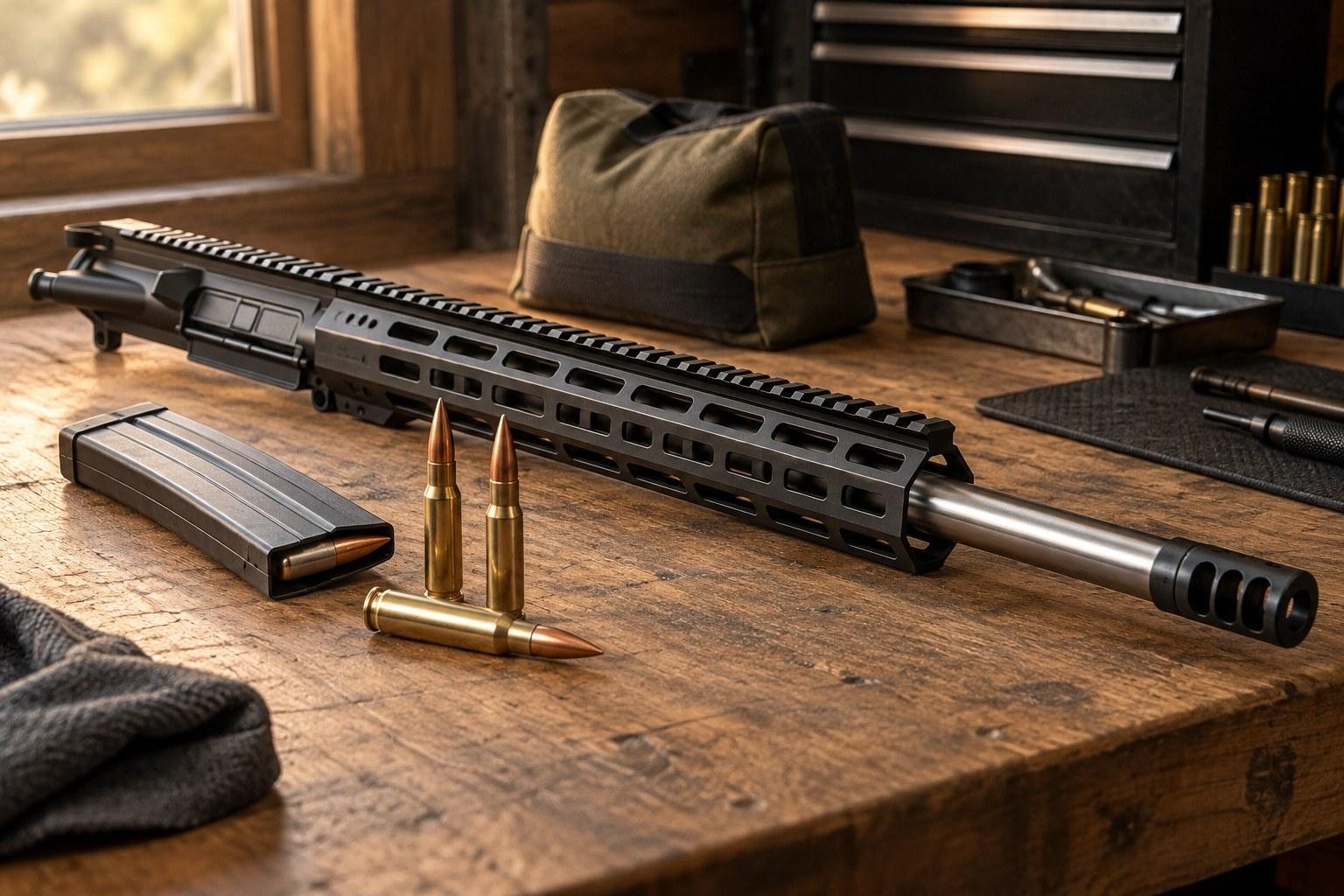
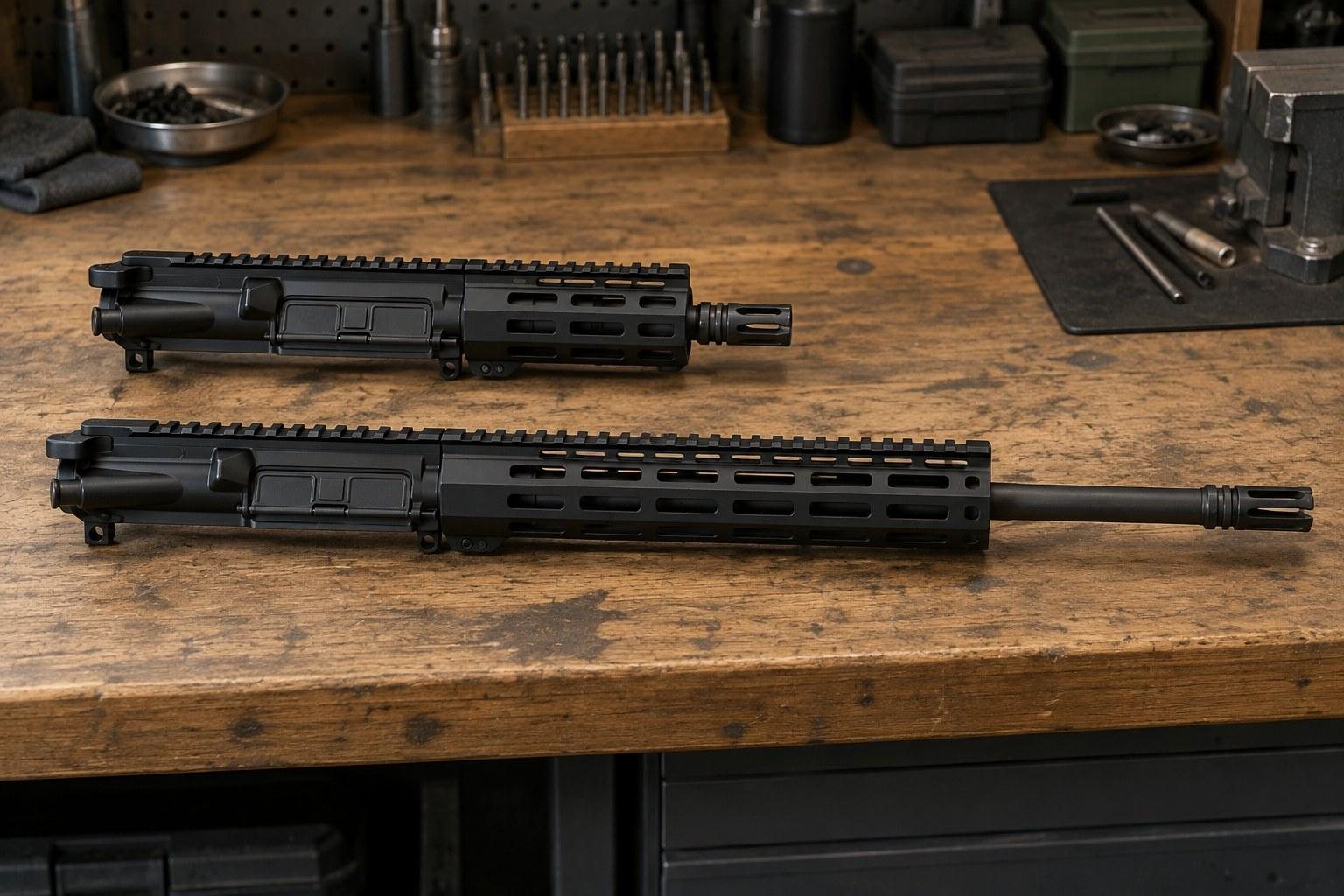
A late season rifle should be simple, dependable and easy to carry. 458 SOCOM complete uppers are commonly offered with either a heavy Parkerized barrel and comp brake or a heavy stainless barrel with a thread protector, often paired with a 12 inch or 15 inch rail, and they are assembled, headspaced and function-checked before they ship.
Barrel Choice
16 inch 458 SOCOM barrels commonly use a 1 in 14 twist, which suits the heavy bullets common in this cartridge. If you prefer to build, the 458 SOCOM barrel selection often includes a stainless option and a Parkerized 4150 chrome-moly option. A 16 inch barrel also keeps the rifle out of short-barreled rifle territory on a rifle.
Bolt and Magazines
The 458 SOCOM needs a dedicated bolt, which is a big reason a complete upper is the easier path. It feeds single-stack from many unmodified standard AR-15 magazines, though a standard 30-round magazine body typically holds around 10 rounds of 458 SOCOM. Dedicated 458 SOCOM magazines or followers are optional but can help feeding reliability, and many hunters keep a lower-capacity magazine on hand where state law requires it.
Optics for Short Range and Low Light
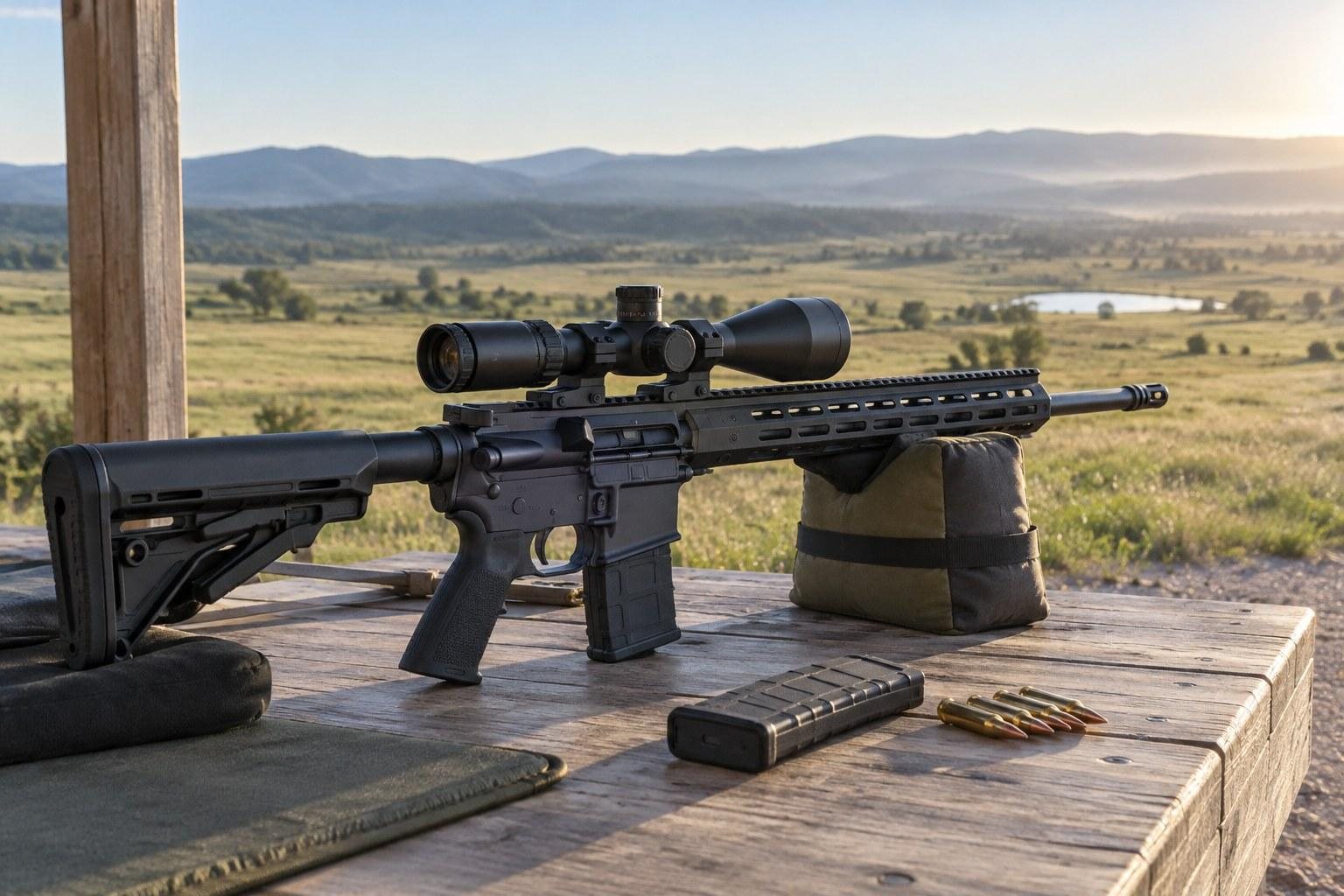
A low power variable optic or a quality red dot suits late season timber. Low magnification gives you a wide field of view for quick shots, while good glass helps at first and last light. Our editors explain the options in the LPVO guide for AR builds.
Slings, Stocks and Cold Weather Fit
Set your stock length with your winter coat on, not in a T-shirt at the bench. A padded two-point sling makes still-hunting and long walks to the stand easier. Keep the trigger guard roomy enough for a gloved finger, and practice with the gloves you will actually wear.
Suppressors, Short Barrels and the Law
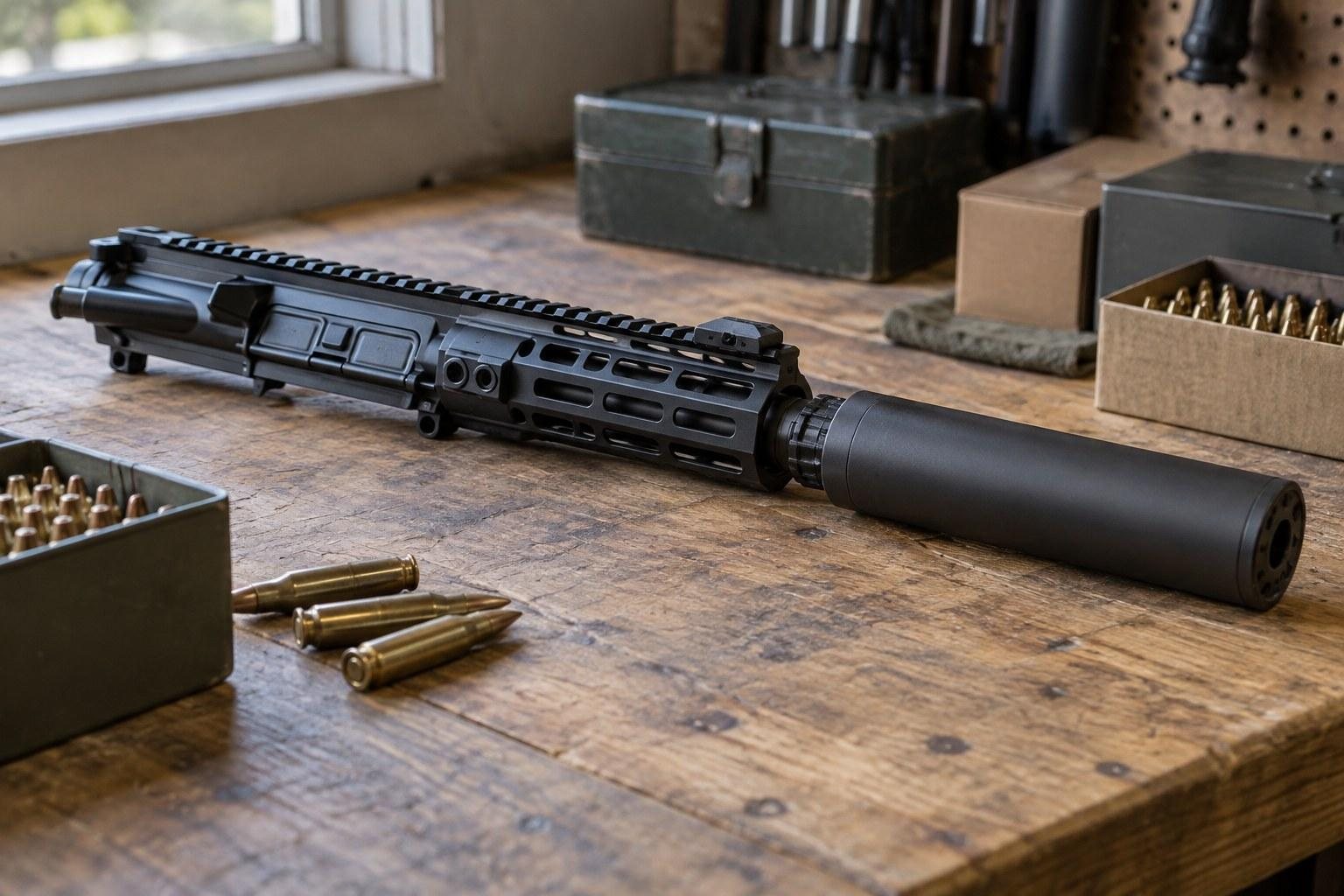
Heavy subsonic 458 SOCOM loads are popular with suppressor owners, and the cartridge is generally considered a versatile choice for suppressed shooting. A quieter rifle is easier on your hearing and on anyone hunting with you. It can also make follow-up shots more comfortable.
Federal Rules Still Apply
Under the National Firearms Act, a rifle with a barrel under 16 inches or an overall length under 26 inches is a short-barreled rifle, and suppressors are also regulated. Since January 1, 2026, the federal tax on SBRs and suppressors is $0, but ATF registration is still required. See the ATF National Firearms Act page for the official rules.
State Hunting Rules Vary
Some states allow suppressors for hunting and some do not. Many states also set rules on cartridge type, minimum caliber and magazine capacity for deer. We do not give legal advice, so read your state wildlife agency's regulations and confirm local rules before opening day.
Pre-Season Checks Before You Carry It Afield
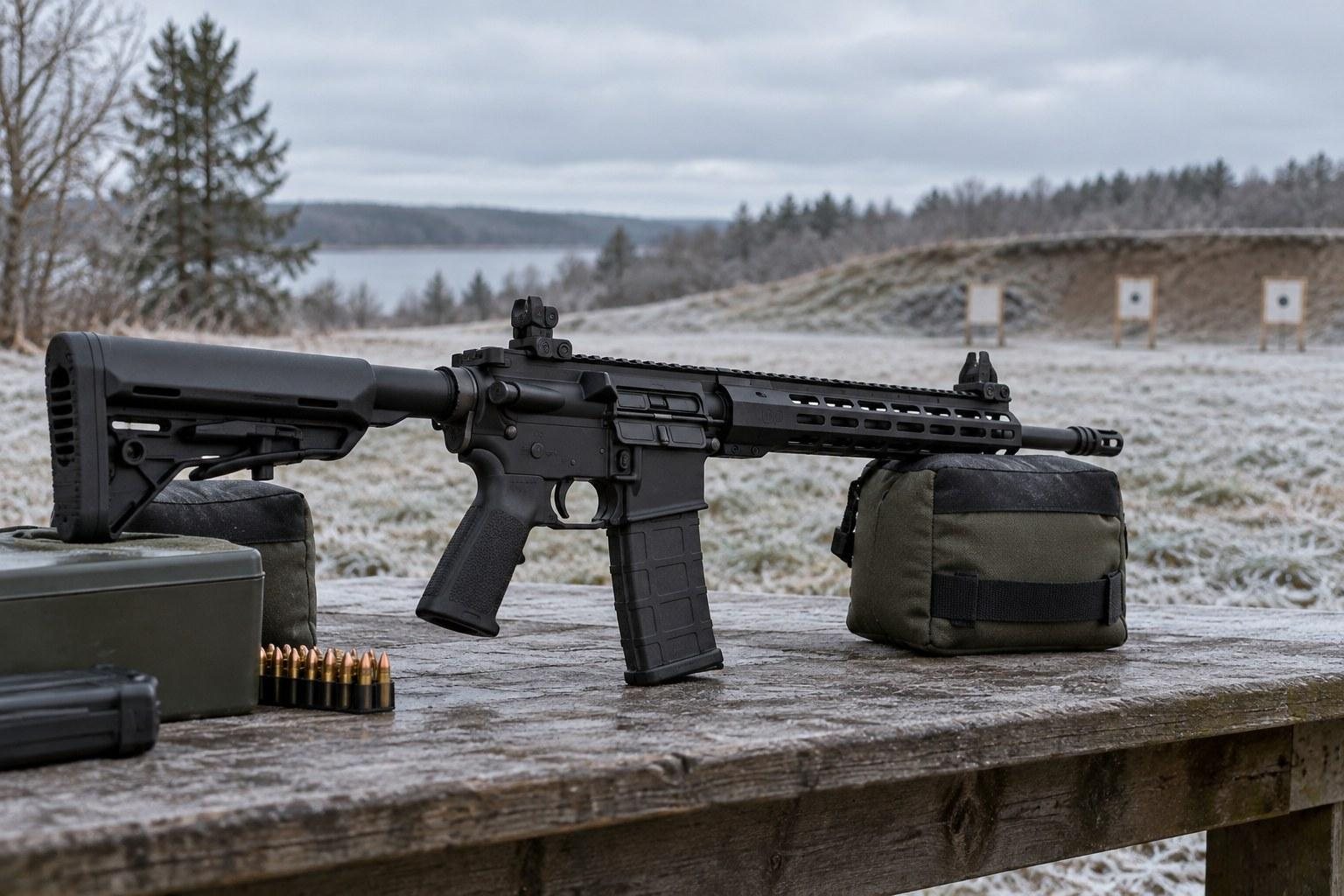
A late season hunt can mean cold steel, snow and long sits. A short checklist at the bench prevents most problems in the field.
Safety First
Always confirm the firearm is unloaded before any inspection or adjustment. Follow the component manufacturer's instructions for torque values and installation steps. If anything about headspace, fit or function seems off, take the rifle to a qualified gunsmith rather than guessing.
Bench and Field Checklist
- Zero with the exact load you will hunt with, from the distance you expect to shoot.
- Function-test every magazine you plan to carry with live ammunition at the range.
- Use a light lubricant suited to cold weather and avoid heavy grease that can stiffen.
- Check that optic mounts, rings and muzzle devices are secure and properly torqued.
- Practice from field positions, such as kneeling or off shooting sticks, with winter gloves.
- Carry a cleaning rod or pull-through in case snow or debris gets into the muzzle.
Know Your Trajectory
Heavy bullets drop faster than the flat-shooting rounds many hunters are used to. Shoot at several distances to learn where your load hits relative to your zero. That practice matters more with a 458 SOCOM than with a flatter cartridge.
Want to see how other hunting uppers stack up before you decide?