The 22 ARC vs 22-250 debate pits a modern AR-15 cartridge against one of the most respected varmint rounds ever loaded in a bolt gun. Both fire .224 inch bullets, both shoot flat, and both have a loyal following among prairie dog and coyote hunters.
The similarities end at bullet diameter, though. The 22-250 is a speed-first cartridge that lives mostly in bolt-action rifles, while the 22 ARC was designed around long, low-drag bullets in an AR-15 magazine. This comparison covers published factory ballistics, cartridge length, twist rates and platform fit so you can pick the right tool for your varmint fields.
If an AR-15 is the rifle you want to carry into the field, start with our complete upper selection.
Key Takeaways
- The 22-250 Remington is the faster cartridge at the muzzle, with Hornady listing 3,680 fps for its 55 grain V-MAX Varmint Express load from a 24 inch test barrel.
- The 22 ARC starts slower but carries heavier, sleeker bullets, and Hornady's published 500 yard figures for its 62 grain ELD-VT load show more retained velocity and energy than the 55 grain 22-250 load.
- The 22 ARC fits a standard AR-15 lower when paired with the correct barrel, bolt and magazines, while the 22-250 is far more common in bolt-action rifles.
- Twist rate shapes bullet choice, with 22 ARC barrels typically cut at 1:7 and many classic 22-250 rifles built with slower twists suited to lighter bullets.
- For high-volume shooting with fast follow-up shots, the 22 ARC in an AR-15 makes a strong case, while the 22-250 rewards hunters who prefer a bolt gun and flat close-range trajectories.
Two Very Different Paths to the Same Bullet Diameter
Both cartridges send .224 inch bullets downrange, but they were built in different eras with different goals. Understanding that history explains most of the differences you will see on the range.
The 22-250 Remington
The 22-250 has been a varmint staple for generations, and factory ammunition for it is widely available. Its reputation rests on high muzzle velocity with light, frangible bullets that drop small animals decisively and reduce ricochet risk.
It is a standard SAAMI cartridge, and Nosler's published load data lists a maximum SAAMI cartridge overall length of 2.350 inches. That length is a big part of why you rarely see the 22-250 in an AR-15.
The 22 ARC
Hornady designed the 22 ARC (Advanced Rifle Cartridge) to bring long, high-ballistic-coefficient .224 bullets to the AR-15. It shares its case family with the 6.5 Grendel and 6mm ARC and uses the same 0.441 inch bolt face.
SAAMI accepted the 22 ARC as a standardized cartridge in 2024 and lists a Maximum Average Pressure of 52,000 psi. Hornady's sell sheet gives a case length of 1.525 inches and an overall length of 2.260 inches, which keeps it inside AR-15 magazine length.
22 ARC vs 22-250 Specs Side by Side
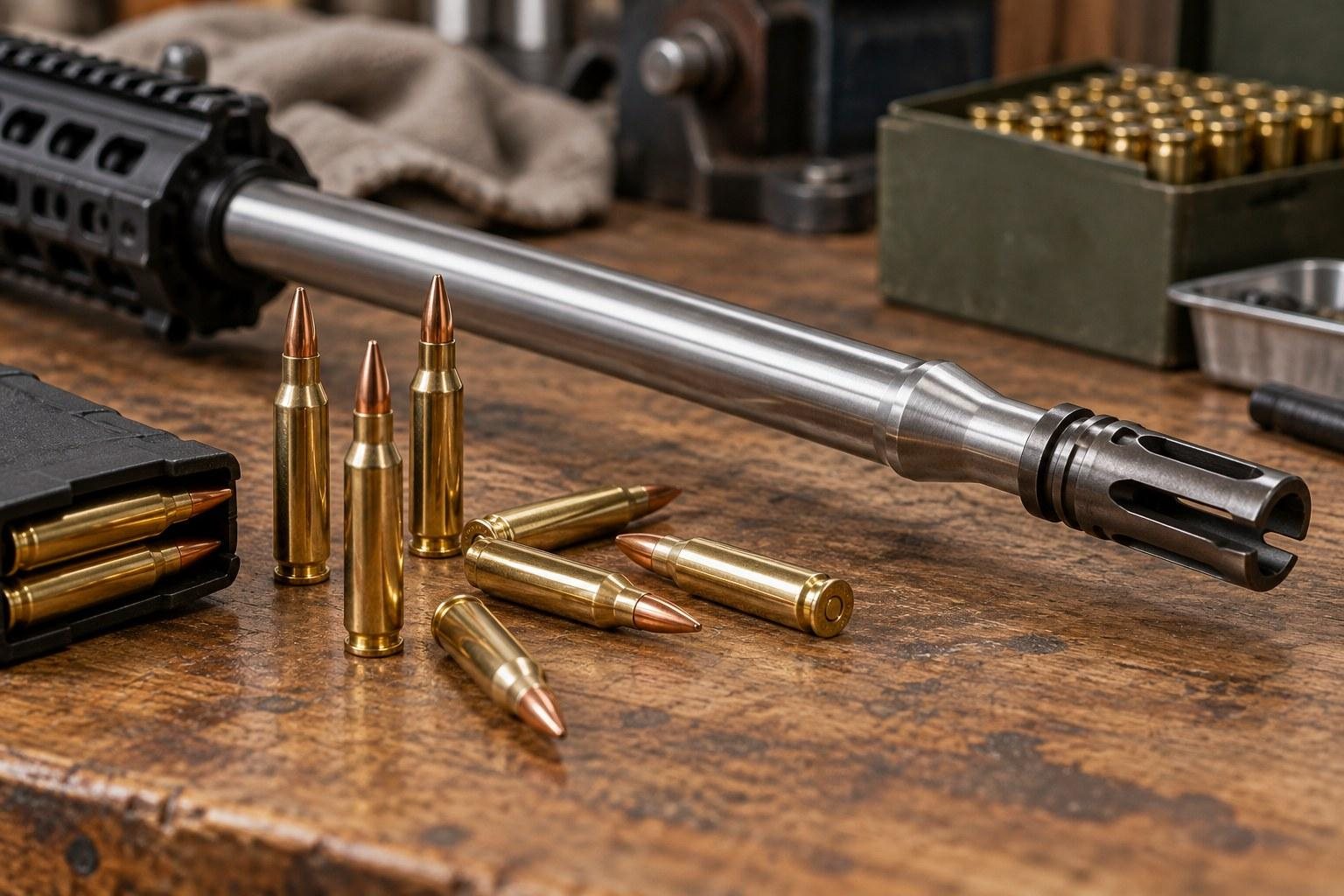
Numbers make the comparison clearer. The table below uses published figures from Hornady, Nosler and SAAMI. Where a value depends on the specific rifle or load, we note that instead of guessing.
| Spec | 22 ARC | 22-250 Remington |
|---|---|---|
| Bullet diameter | .224 inch | .224 inch |
| Max cartridge overall length | 2.260 inches (Hornady) | 2.350 inches (SAAMI, per Nosler) |
| Common twist rate | 1:7 | Varies by rifle; Nosler's test barrel was 1:14 |
| Typical platform | AR-15 | Bolt-action rifle |
| Hornady factory varmint load | 62 gr ELD-VT, 3,300 fps (24 inch barrel) | 55 gr V-MAX, 3,680 fps (24 inch barrel) |
The headline is simple. The 22-250 wins at the muzzle, while the 22 ARC is built to run longer bullets from a compact, magazine-fed semi-auto.
If you want to see how barrel length changes velocity in your own build, the tradeoffs are covered in detail.
Factory Ballistics for Varmint Loads
Hornady publishes full downrange tables for both of the loads below, each from a 24 inch test barrel. These are the manufacturer's figures, so your actual velocity will vary with barrel length, temperature and lot.
Hornady Published Data at 100 and 500 Yards
| Load | Muzzle | 100 yds | 500 yds | Energy at 500 yds | Drop at 500 yds (200 yd zero) |
|---|---|---|---|---|---|
| 22 ARC 62 gr ELD-VT V-Match | 3,300 fps | 3,044 fps | 2,150 fps | 636 ft-lb | -33.5 in |
| 22-250 Rem 55 gr V-MAX Varmint Express | 3,680 fps | 3,253 fps | 1,884 fps | 433 ft-lb | -33.9 in |
What the Numbers Tell You
Inside 300 yards, the 22-250's speed advantage is real, and its 55 grain bullet arrives sooner. Hornady lists 2,868 fps at 200 yards for the 22-250 load and 2,803 fps for the 22 ARC load, so the gap narrows quickly.
By 500 yards the picture flips. The heavier, sleeker 62 grain ELD-VT bullet is still moving faster and carrying more energy than the 55 grain V-MAX, while the published drop figures are nearly identical. That is the whole design idea behind the 22 ARC.
Keep in mind that these are two specific loads. Heavier 22-250 loads or lighter 22 ARC loads would shift the comparison, so check the published data for the exact ammunition you plan to shoot.
Platform Fit Decides More Than Ballistics
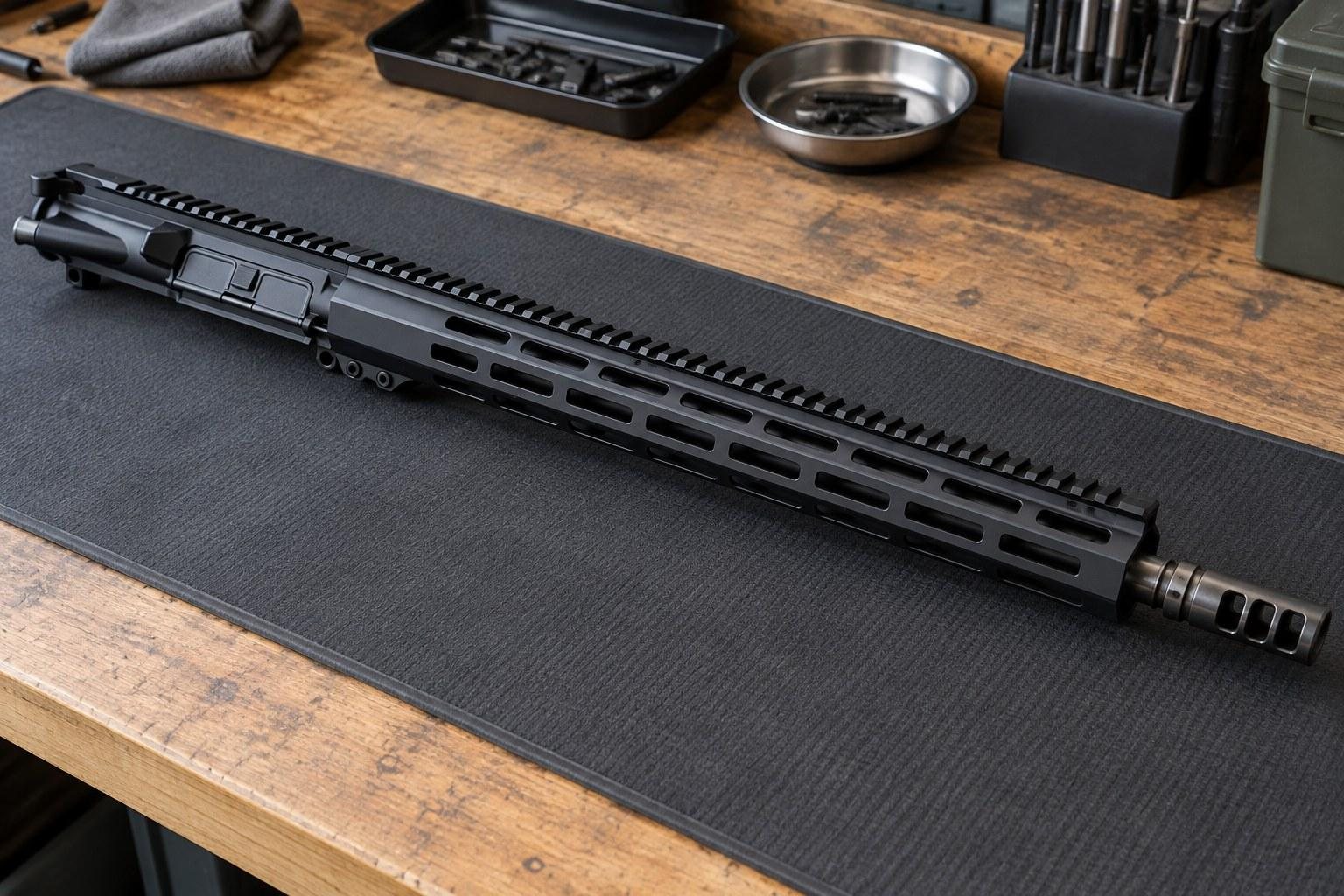
For many hunters, the 22 ARC vs 22-250 decision is really a question of which rifle you want to carry. The cartridge you pick largely picks the platform for you.
Running the 22 ARC in an AR-15
The 22 ARC drops into a standard AR-15 lower receiver. You need a 22 ARC barrel, a Grendel-family bolt with the 0.441 inch bolt face and magazines built for that case. Gas system and buffer tuning should follow the barrel or upper manufacturer's guidance.
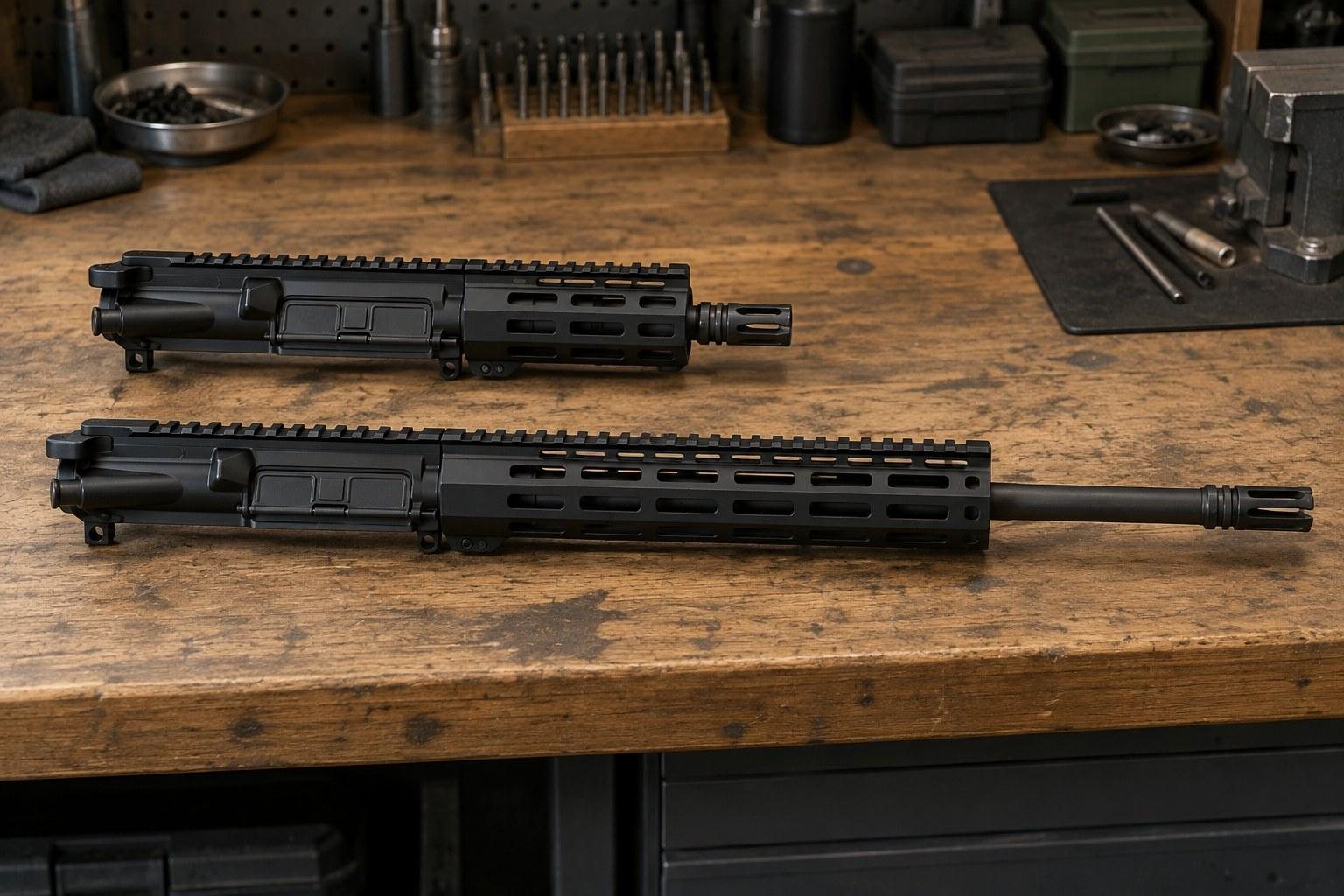
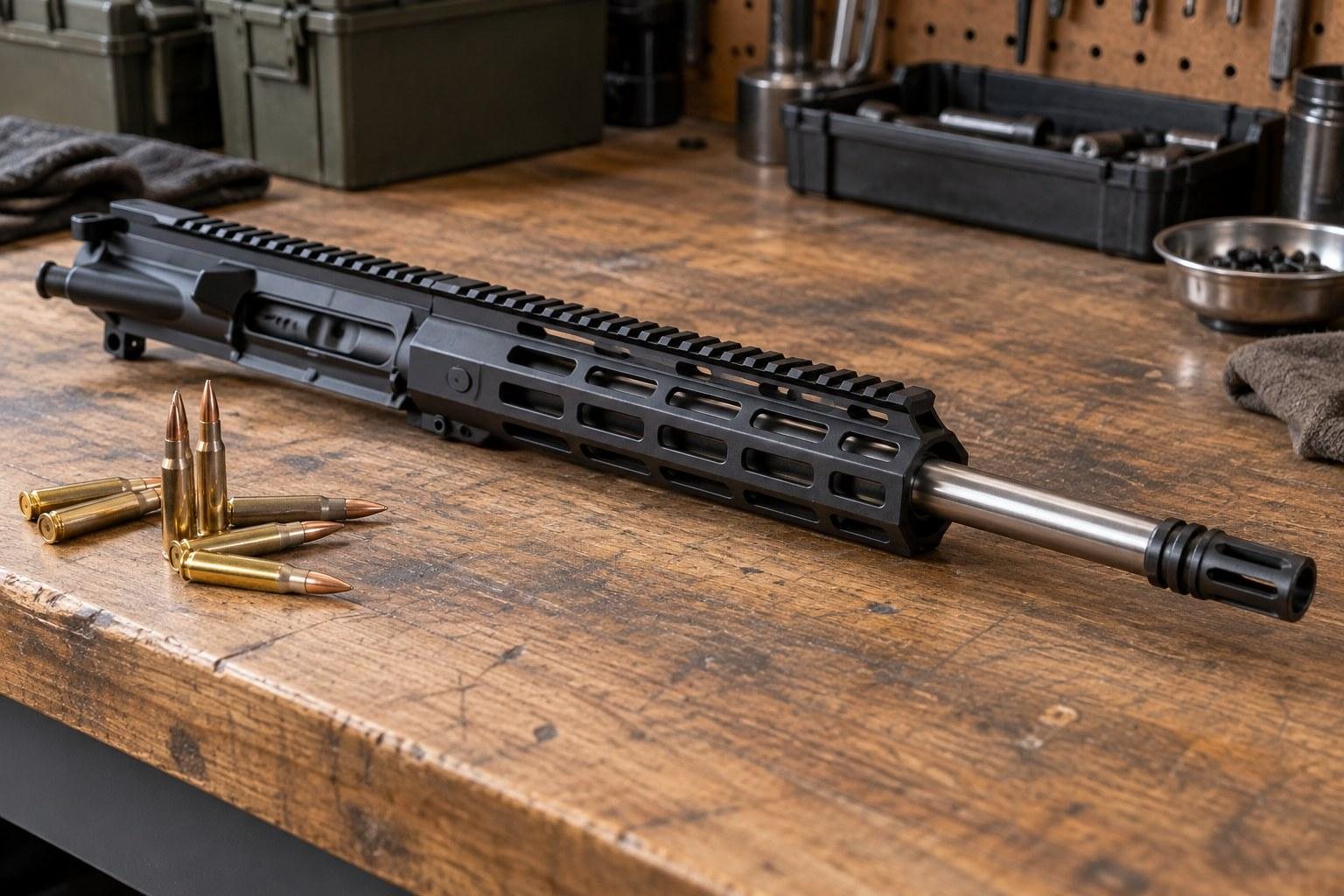
22 ARC uppers are commonly available in 16 and 18 inch lengths from barrel makers such as Ballistic Advantage and Satern Barrels, including complete versions that ship with a BCG and charging handle. Complete uppers are assembled in-house, headspaced and function-checked before they ship.
Where the 22-250 Lives
The 22-250's length puts it outside the AR-15 envelope, so it is overwhelmingly a bolt-action cartridge. Bolt guns give you a stiff action, a clean trigger and simple maintenance, but each follow-up shot means cycling the bolt.
22-250 uppers and barrels are uncommon in the AR-15 market, so if that cartridge is your pick, you will be shopping for a bolt-action rifle elsewhere.
Twist Rate and Bullet Weight
22 ARC barrels in the 22 ARC barrel category are generally cut with a 1:7 twist, from 16 inch SPR profiles up to 24 inch bulls from makers such as Ballistic Advantage, Satern Barrels and Shaw Barrels. That fast twist stabilizes the long, heavy bullets the cartridge was designed around.
Many 22-250 rifles use slower twists that favor light varmint bullets. If you are unsure how twist affects bullet choice, read our AR-15 twist rate guide before you buy ammunition in bulk.
Which Cartridge Fits Your Varmint Hunting
Neither round is wrong for varmints. The better choice depends on distances, shot volume and the kind of rifle you enjoy shooting.
Choose the 22 ARC If You
- Want an AR-15 with fast follow-up shots for prairie dog towns or calling coyotes.
- Expect shots that stretch past a few hundred yards, where heavier, high-BC bullets keep their speed.
- Prefer a lighter, more compact rifle that shares controls and parts with your other AR-15s.
- Like the idea of interchanging uppers on one lower for different seasons.
Choose the 22-250 If You
- Already own or prefer a bolt-action rifle.
- Do most of your shooting inside a few hundred yards where muzzle velocity matters most.
- Want a long-established cartridge with plenty of factory varmint loads.
Other AR-15 Options Worth a Look
If you already run a .223-based rifle, a 223 Wylde upper remains a practical varmint option with lower ammunition costs. Shooters who want a heavier bullet for larger predators often compare the 22 ARC with the 6mm ARC, which our editors cover in our 6mm ARC upper roundup.
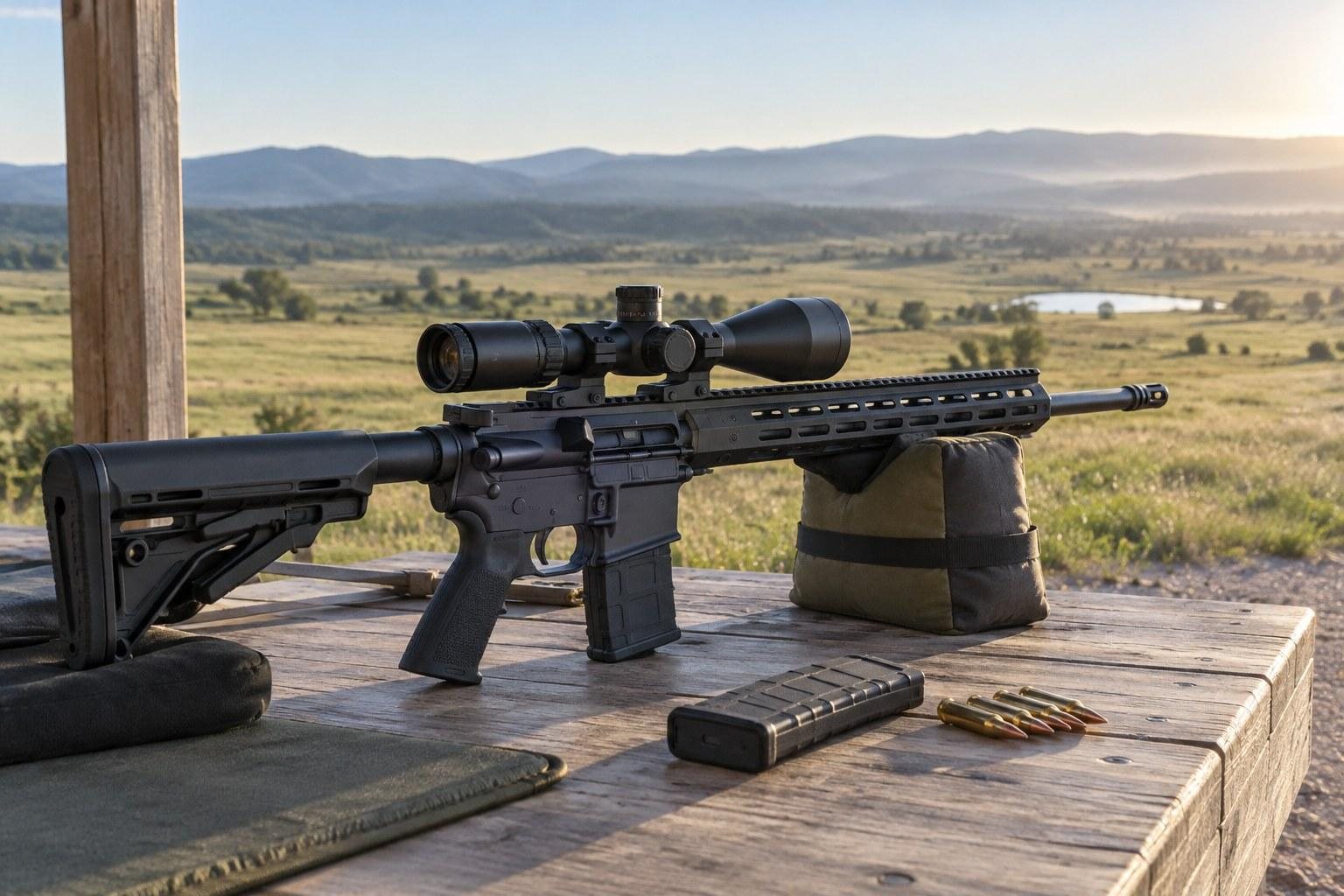
Optic choice matters as much as the cartridge on a varmint rifle. A higher magnification scope suits long prairie dog shots, while a low power variable helps when coyotes come in close. See our LPVO guide for the close-range side of that equation.
Safety, Setup and Legal Notes
Whatever you choose, treat setup with care. Always confirm the firearm is unloaded before working on it, follow the barrel and upper manufacturer's instructions and use a qualified gunsmith if you are unsure about headspace, gas settings or torque.
Barrel Length and the NFA
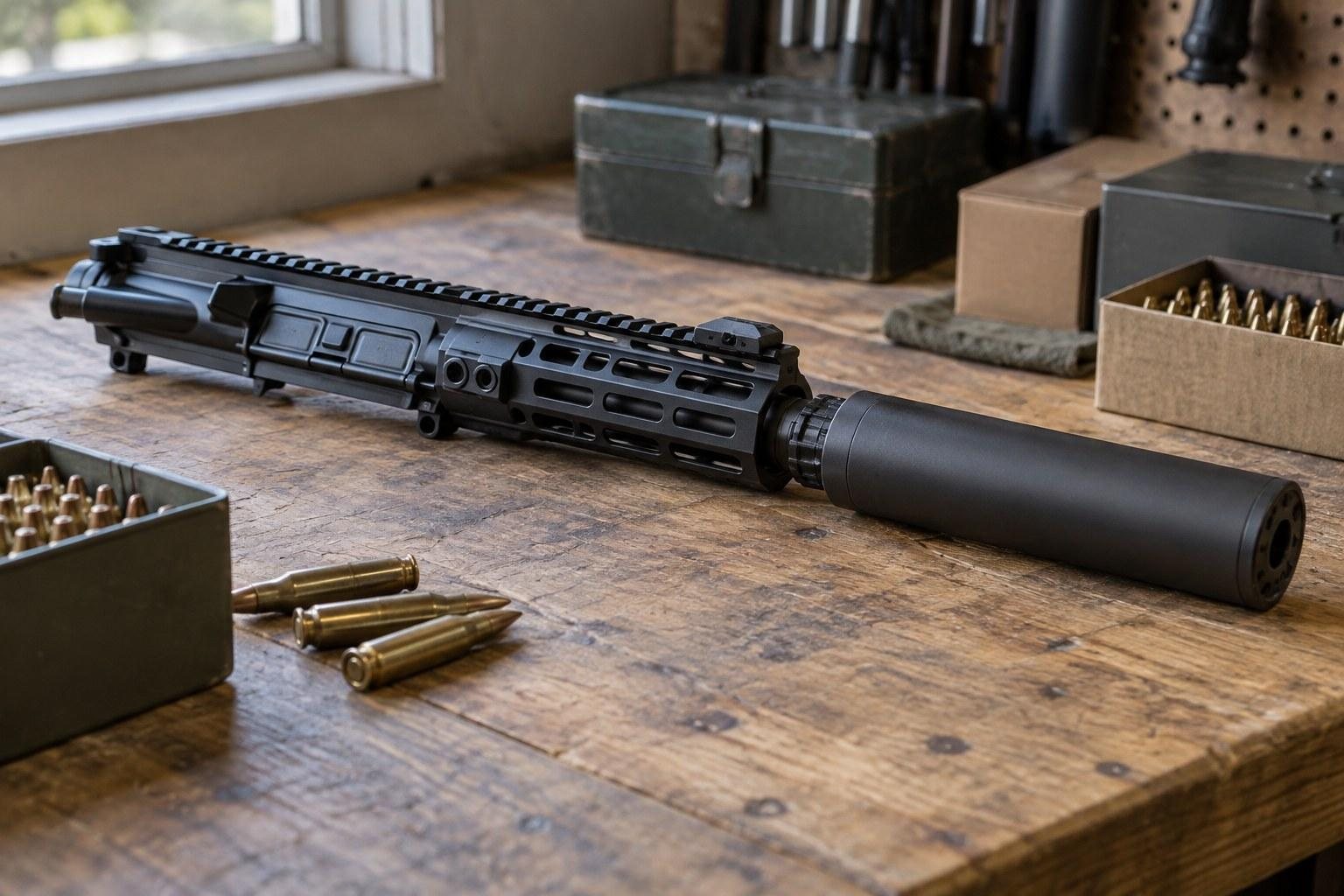
Varmint uppers are usually 16 inches or longer, which keeps them clear of NFA rules. A barrel under 16 inches on a rifle, or an overall length under 26 inches, makes a short-barreled rifle that requires ATF registration. Since January 1, 2026 the federal tax on SBRs and suppressors is $0, but registration is still required. A pinned and welded muzzle device can bring a shorter barrel to 16 inches.
Check Your Hunting Regulations
State and local laws vary on caliber minimums, magazine capacity and semi-automatic rifles for hunting. Check your state wildlife agency's current regulations before you head out, and confirm landowner rules on private ground.
Ready to put a 22 ARC upper together for the next prairie dog trip? Browse the full collection of calibers and configurations.