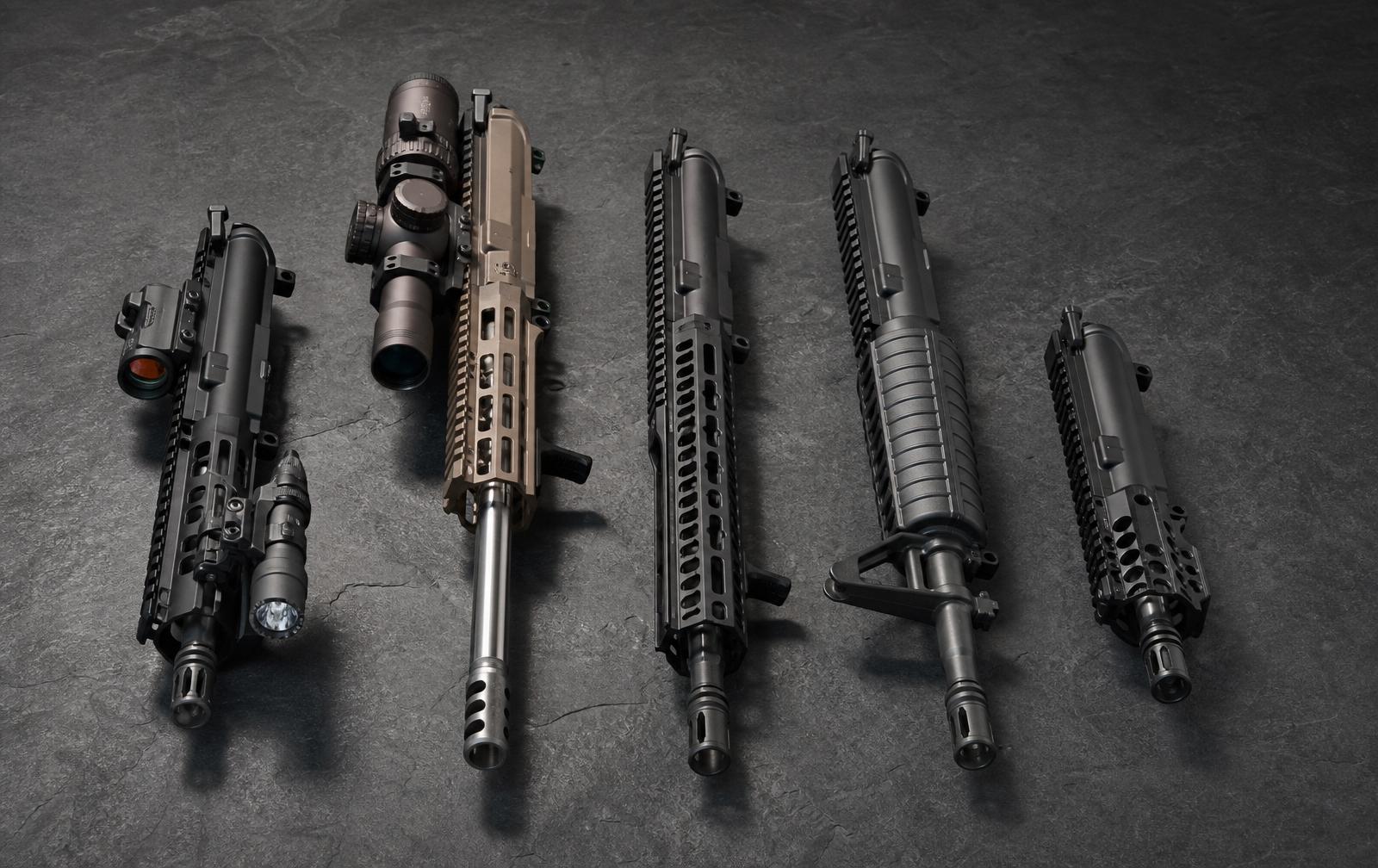
Match your AR-15 upper to how you'll actually use the rifle, home defense, hunting, competition, budget builds, and AR-15 pistols, with recommended barrel lengths, calibers, and specs for each.
There's no single "best" AR-15 upper, the right choice depends entirely on what you're actually going to do with the rifle. A barrel profile that makes a home-defense carbine fast and maneuverable is the wrong choice for a precision hunting rig, and a gas system tuned for soft-shooting long-range accuracy isn't what a competition shooter needs for fast splits. This guide breaks down what to prioritize for five of the most common use cases, so you can match your build to your actual needs rather than a generic spec sheet.
Home Defense
A home-defense upper needs to be fast to handle in tight indoor spaces, reliable under stress, and effective at typical in-home engagement distances, usually well under 25 yards.
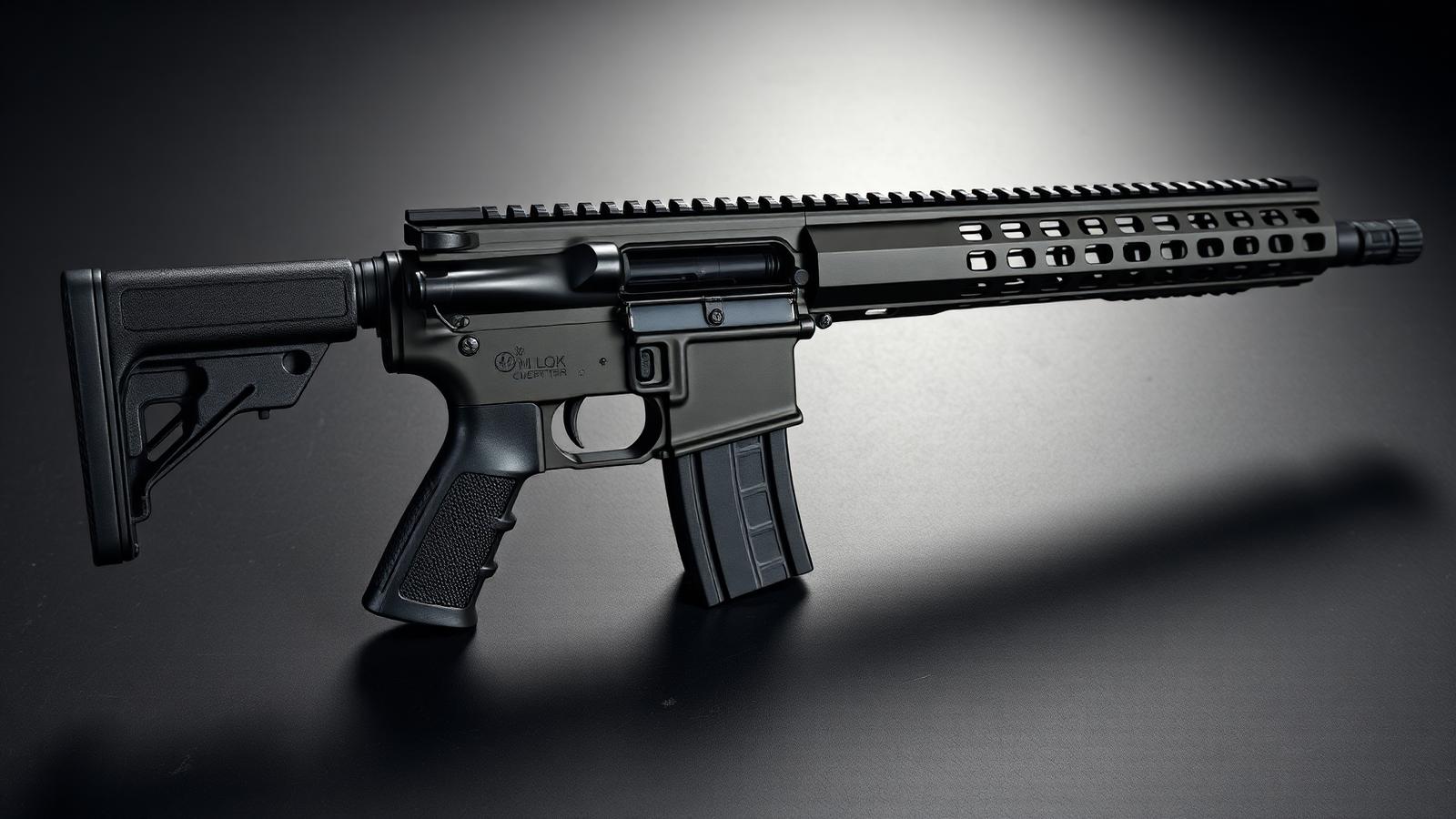
Barrel length: A 14.5" to 16" barrel is the sweet spot for most home-defense builds. Anything shorter typically requires NFA registration as a short-barreled rifle unless built as a pistol (covered below); anything longer starts to sacrifice the maneuverability that matters most in hallways and around furniture.
Caliber: 5.56 NATO is the default recommendation for most home-defense builds, controllable recoil, proven terminal performance at close range, and the widest ammunition and magazine availability of any AR-15 caliber. .300 Blackout is a strong alternative if you specifically want a suppressed or subsonic setup, since it's one of the few calibers that cycles reliably with both supersonic and subsonic loads through the same gun. A subsonic .300 Blackout build paired with a suppressor reduces both noise and flash significantly, which matters more indoors than almost any other environment.
Optics and lighting: A weapon-mounted light is arguably more important than the optic choice for a home-defense build, since target identification in low light is a real, unavoidable requirement. A red dot or low-power variable optic both work well at typical indoor distances; prioritize a light-compatible free-float handguard with M-LOK slots at the 3, 6, and 9 o'clock positions so you have flexibility to mount a light without fighting for rail space.
Barrel profile: A lightweight or mid-weight profile keeps the gun fast to swing through the tight angles of a home's floor plan. A heavy bull barrel adds weight for no real benefit at home-defense engagement distances, and the accuracy advantage a heavy barrel offers at longer ranges simply doesn't come into play at typical in-home distances.
Muzzle device: A flash hider is generally preferable to a muzzle brake for a home-defense build, since managing flash signature matters more than recoil reduction at the close, controlled-fire distances this build is meant for. A brake's increased concussion and blast in an enclosed space is also worth factoring in if you'll ever need to fire indoors.
Browse home-defense-ready complete uppers at ar15parts.com.
Hunting
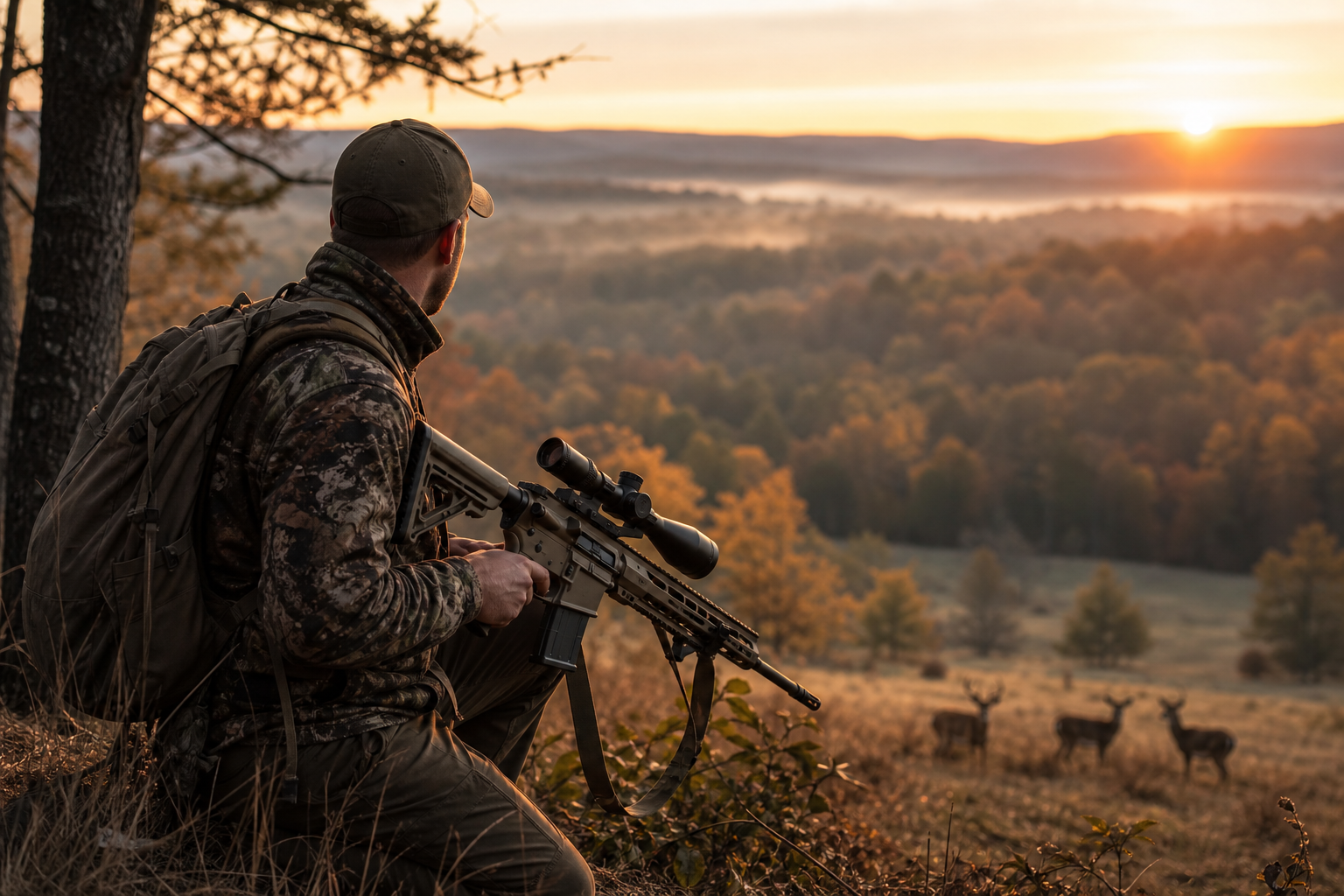
Hunting uppers vary more by caliber than any other use case on this list, since the right cartridge depends heavily on the size of game you're after and your state's regulations.
Varmint and small game: 5.56/.223 is a well-established varmint caliber, flat-shooting, low recoil, and inexpensive enough to shoot in volume during an active varmint season. A 20" barrel with a heavier profile and rifle-length gas system improves accuracy for the kind of precise, sometimes longer-range shots varmint hunting calls for.
Medium game (deer-sized): 6.5 Grendel and 6mm ARC both deliver meaningfully more downrange energy than 5.56 at typical hunting distances, with 6mm ARC offering a slight edge in terminal performance and 6.5 Grendel offering a longer track record and broader ammunition selection. In states that require straight-wall cartridges for rifle deer hunting, .350 Legend is worth strong consideration, it uses the same bolt as 5.56/.223, making it a simple caliber addition to an existing lower.
Large and dangerous game (hogs, black bear): .458 SOCOM and .50 Beowulf both deliver serious close-range stopping power well beyond what 5.56 or the medium-range calibers above can offer, at the cost of significantly higher ammunition prices and reduced effective range (typically under 200 yards). These are specialist calibers best suited to hunters who specifically need that terminal performance rather than a general-purpose choice.
Barrel length and optics: Hunting builds generally favor longer barrels (18" to 20"+) for maximized velocity and a rifle-length gas system for a smoother recoil impulse across a hunting day. A magnified optic in the 3-9x or similar range suits most hunting distances better than a red dot, except on close-range hog or brush hunting setups where fast target acquisition matters more than magnification.
Suppressor considerations: Many hunters increasingly run a suppressor for hearing protection and reduced disturbance to game and hunting partners nearby. If that's part of your plan, confirm your barrel is threaded for your intended suppressor and factor the added length and weight into your overall build before finalizing barrel length and gas system choices.
For a deeper cartridge-by-cartridge breakdown, see our full caliber comparison guide.
Competition / 3-Gun
Competition shooting rewards speed above almost everything else, fast target transitions, fast follow-up shots, and a gun that gets out of its own way rather than fighting the shooter's inputs.
Barrel profile and weight: A pencil or lightweight barrel profile is the standard choice, since every ounce forward of the receiver affects transition speed on a shot timer more than most shooters expect. This is one of the few use cases where minimizing weight consistently outweighs other considerations, including some accuracy potential that a heavier barrel might otherwise offer.
Gas system: Carbine or mid-length gas systems suit most competition barrel lengths (16" to 18") well, delivering a fast-cycling action with manageable recoil impulse for quick follow-up shots.
Handguard: A slim-profile, free-float M-LOK handguard sized to the barrel, not oversized "just in case", keeps the front end light and fast to manipulate. Skip full-length Picatinny quad-rails here unless a specific accessory requires it; the added weight isn't worth it for this use case.
Optics-ready considerations: Nearly all competition builds run a red dot or low-power variable optic, so a flat-top upper with a full-length top rail (even on an otherwise M-LOK handguard) is worth prioritizing for mounting flexibility. Many competition shooters also run offset iron sights or a secondary optic for close targets, so confirm your handguard and rail setup can accommodate that if your specific 3-gun stage format calls for it.
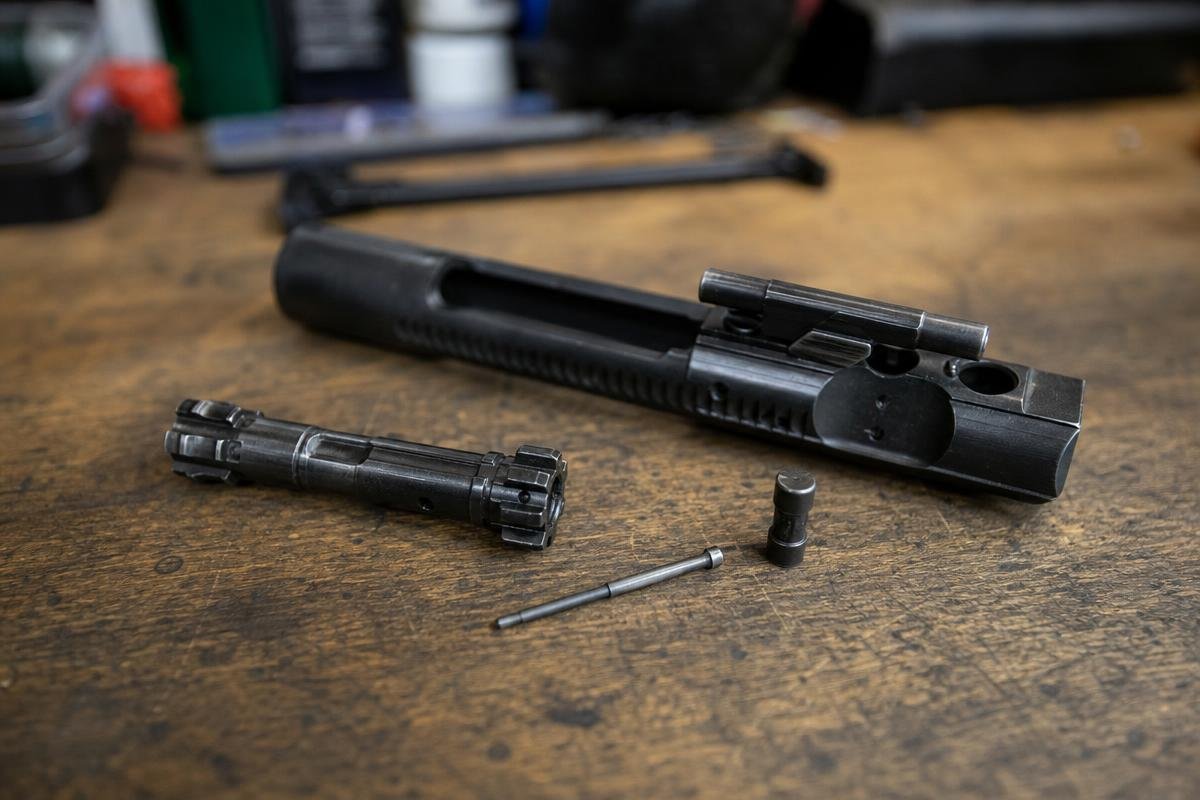
BCG: A nickel-boron or DLC-coated BCG is a worthwhile upgrade here, faster-cycling, lower-friction internals translate directly into faster splits, and the reduced fouling buildup matters on a gun that's often run hard across a full match day.
In competition, every ounce forward of the receiver costs you on the shot timer.
Reliability under volume: Competition matches put more rounds through a gun in a single day than most other use cases on this list combine in months, so components with a proven reliability track record matter more here than squeezing out marginal weight savings on any single part. A slightly heavier but more reliable BCG or gas system is usually the better tradeoff over a full match season.
Budget Builds
Building or buying on a tight budget means prioritizing the components that affect reliability and safety, and treating everything else as an upgrade path for later.
Prioritize:
- A quality barrel steel, 4150 chrome-moly vanadium, ideally chrome-lined or nitride-treated, even if it means a more basic profile or finish elsewhere.
- A properly staked, mil-spec-compliant BCG, this is not the place to cut corners, since BCG failures cause real reliability problems and are expensive to diagnose after the fact.
- Correct gas system length for your barrel, a mismatch here causes cycling issues that are frustrating to troubleshoot and can require replacing parts to fix, effectively costing more than getting it right the first time.
Reasonable places to save:
- Handguard material and finish, a basic aluminum free-float handguard performs the core function just as well as a premium name-brand rail; the difference is largely cosmetic and brand reputation.
- Muzzle device, a basic mil-spec flash hider or muzzle brake performs adequately; upgraded muzzle devices are a worthwhile later upgrade rather than a first-build necessity.
- Charging handle, a standard mil-spec charging handle works fine to start; an extended or ambidextrous handle is an easy, inexpensive upgrade to add later without touching anything else on the gun.
A complete upper in the $350 to $500 range typically covers these priorities reasonably well if you're comparing options carefully rather than chasing the single lowest price, which sometimes means compromising on BCG quality or barrel steel in ways that aren't obvious from a spec sheet alone. When two complete uppers are priced similarly, the deciding factor is often which corners were cut to hit that price, reading the full component list rather than just the barrel length and caliber advertised up front is worth the extra few minutes before buying.
Browse budget-friendly complete uppers at ar15parts.com.
AR-15 Pistol Builds
An AR-15 pistol build uses a pistol lower (no shoulder stock) paired with a shorter barrel, typically for a more compact overall package than a comparable rifle-configuration build. These builds commonly run barrels in the 7" to 11.5" range, well under the 16" minimum that would otherwise require NFA registration as a short-barreled rifle.
Braces: Most AR-15 pistol builds use a stabilizing brace rather than a shoulder stock, attached to the receiver extension to aid one-handed stability. Brace regulation has shifted at the federal level multiple times in recent years, so this is an area worth verifying current status on before finalizing a build.
Gas system: Shorter barrels generally pair with pistol-length gas systems, which run at a snappier recoil impulse than carbine or mid-length setups on a longer barrel. This is a normal characteristic of the shorter-barrel format rather than a sign of a poorly built gun.
Use case fit: Pistol builds are popular for their compact size in a truck, bag, or tight-storage home-defense role, and for shooters who want a more maneuverable option without the NFA paperwork associated with a true short-barreled rifle. They're generally not the right choice for long-range or hunting use, given the tradeoffs in velocity and effective range that come with a shorter barrel.
Caliber considerations: 5.56 remains a common choice for AR-15 pistol builds, though the shorter barrel reduces velocity and effective range compared to a rifle-length build in the same caliber. .300 Blackout is particularly well suited to the pistol format, since it was designed in part around short-barrel performance and retains more of its terminal performance at reduced barrel lengths than 5.56 does.
Browse pistol-length uppers at ar15parts.com.
Whichever use case matches your build, the fastest way to the right upper is starting from how you'll actually use the rifle, then narrowing by caliber, barrel length, and budget within that category.