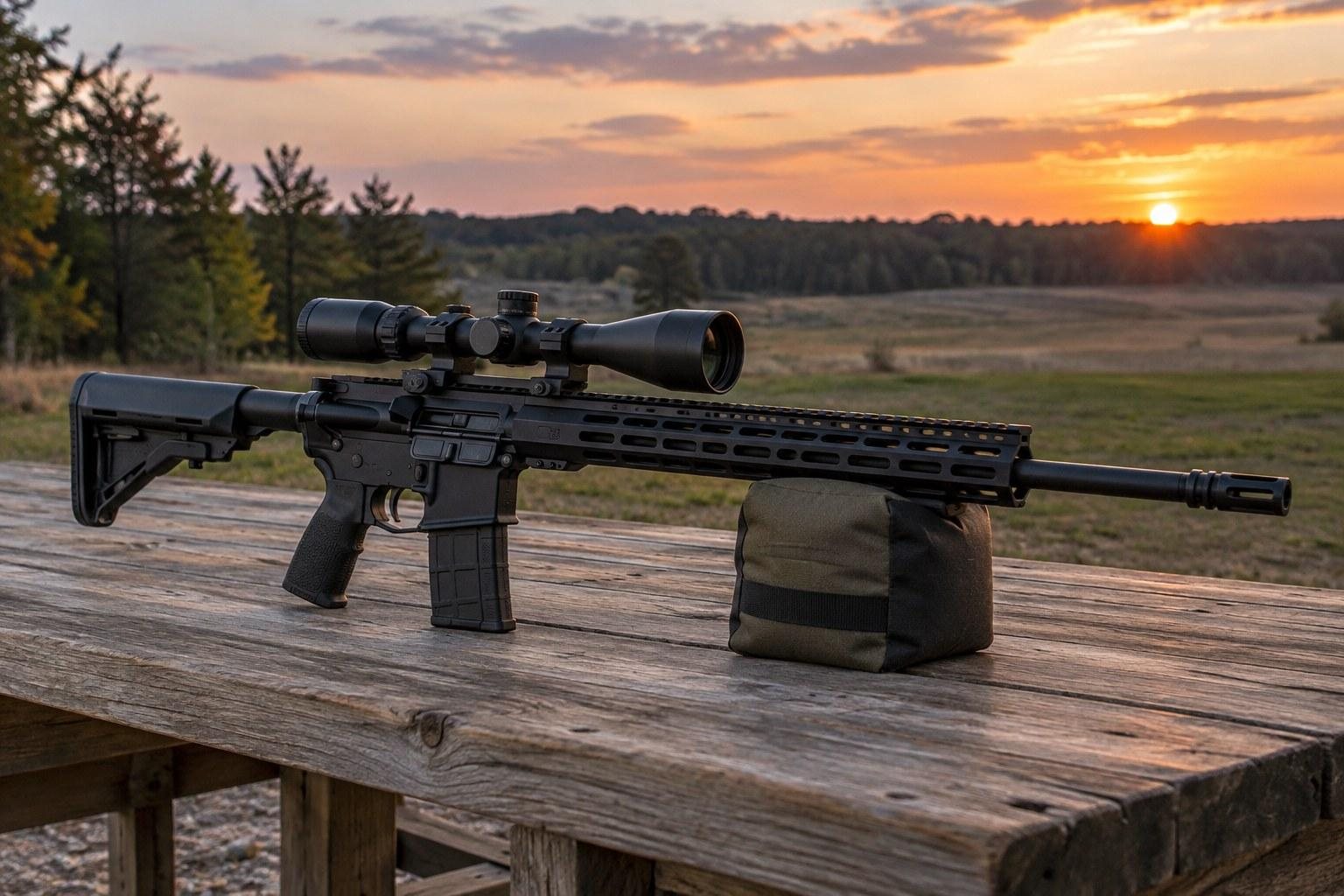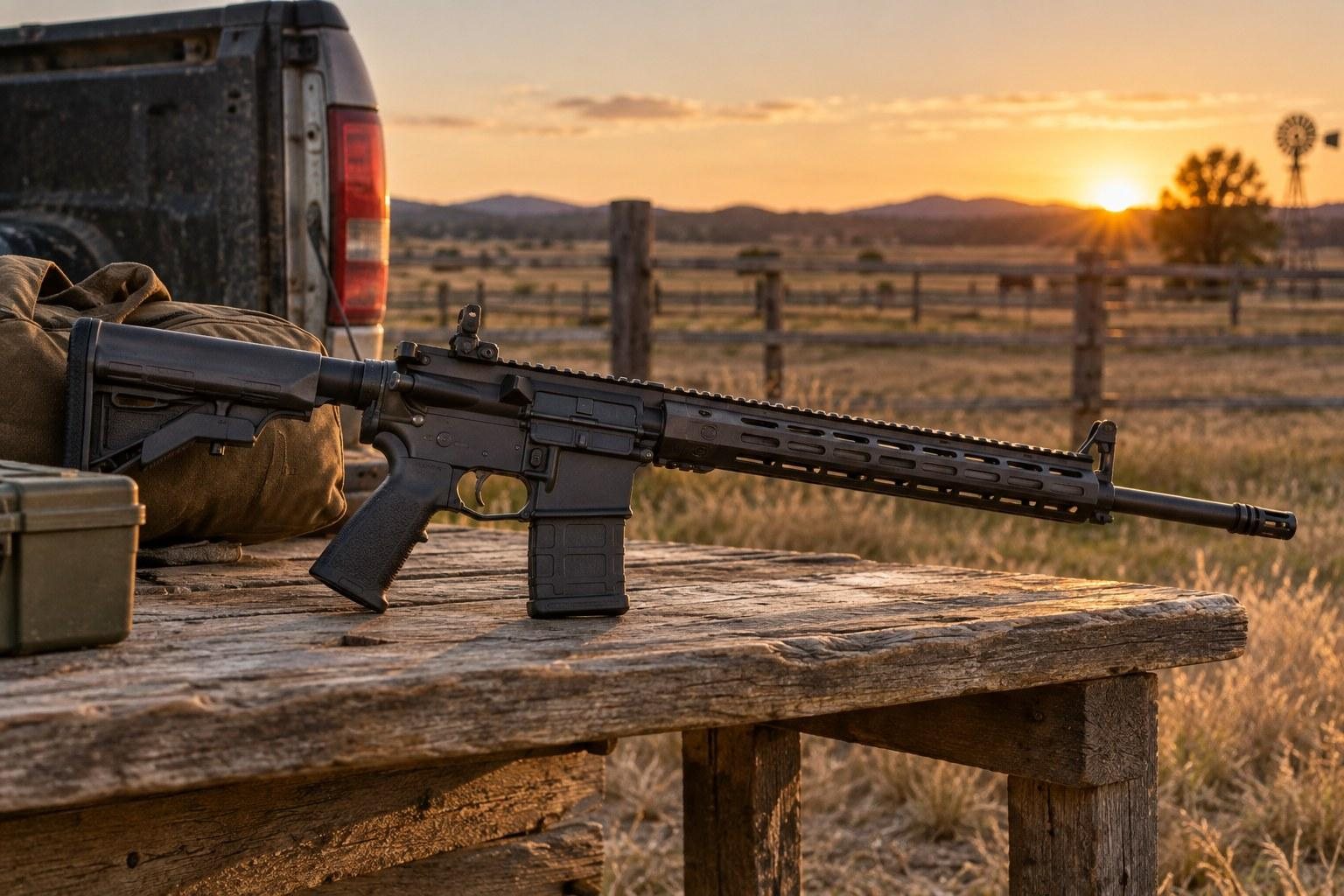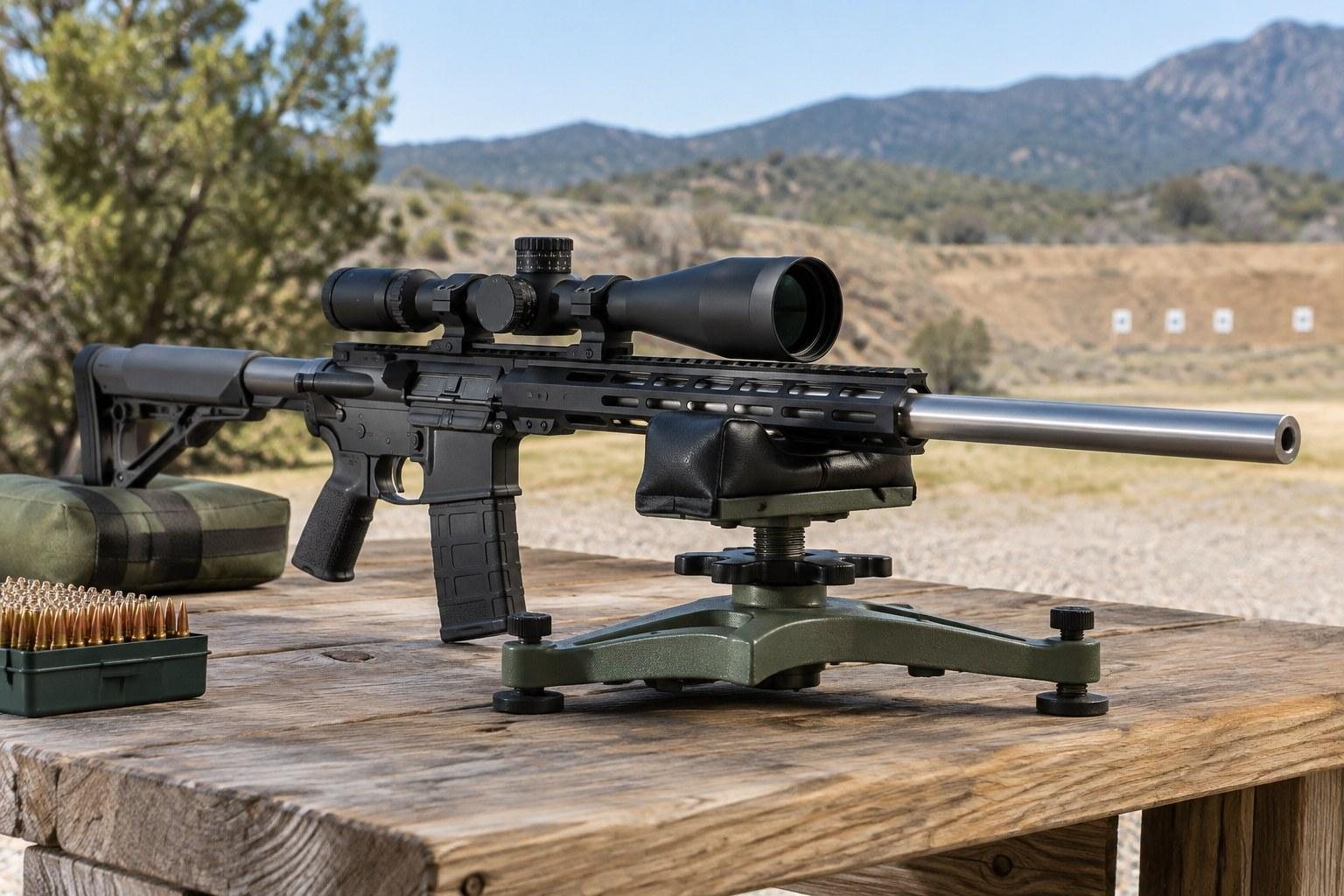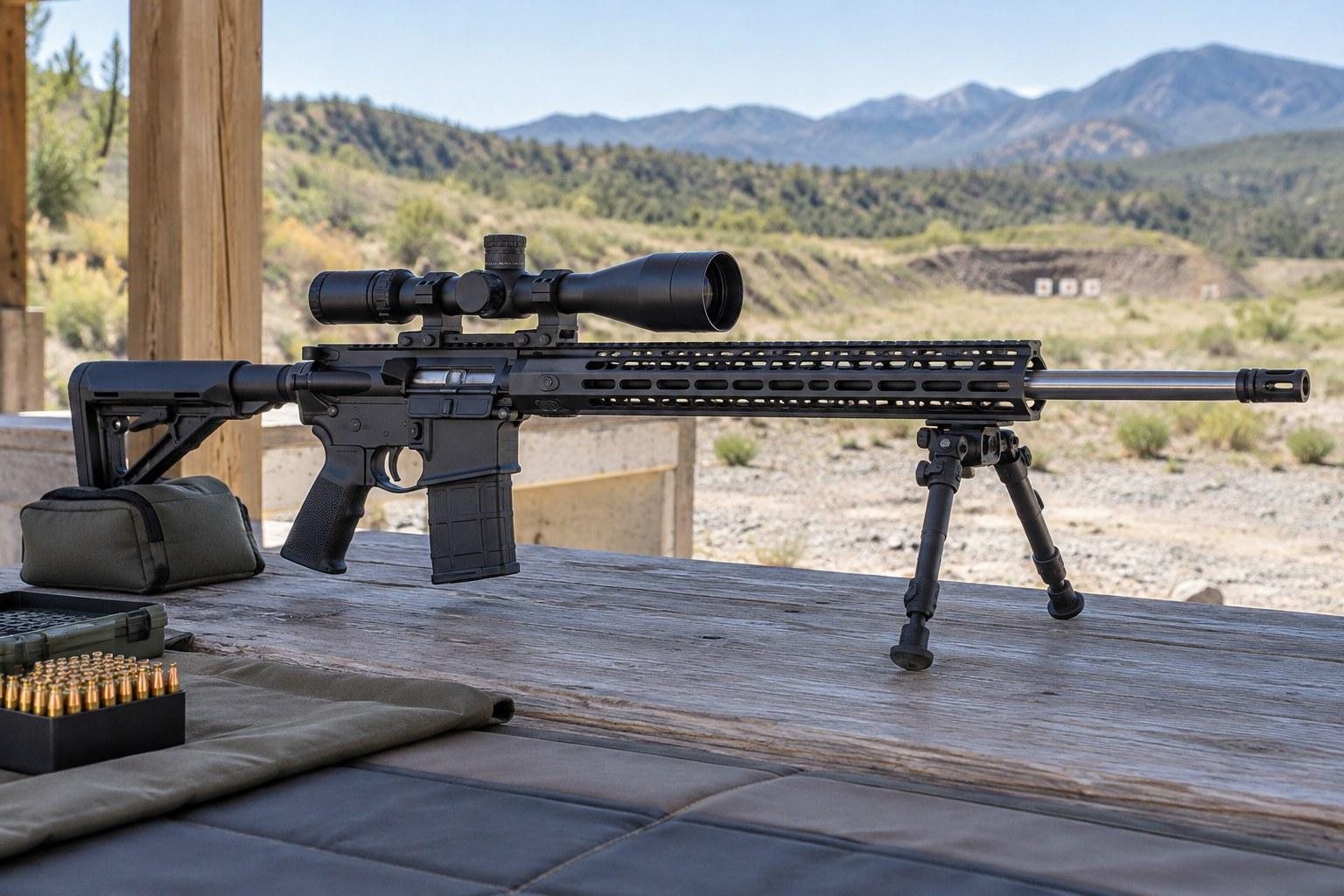
An SPR AR-15 sits in the space between a handy carbine and a heavy precision rifle. The 18 inch barrel adds velocity over a shorter barrel and supports steadier shooting at distance, yet the rifle still moves quickly between targets and fits in a vehicle or blind without much fuss.
This guide walks through where the SPR idea came from, why 18 inches is the length that defines it, and how the gas system, chamber and handguard tie together. If you are deciding between a 16 inch carbine and a 20 inch rifle, this middle option deserves a close look.
Ready to see 18 inch uppers that ship assembled and function-checked?
Key Takeaways
- SPR stands for Special Purpose Rifle, a military concept for an accurate semi-automatic rifle that still handles like a general-purpose carbine.
- An 18 inch barrel leaves room for a rifle-length gas system, which tends to run with a softer, smoother impulse than shorter systems.
- A 223 Wylde chamber lets you shoot both .223 Remington and 5.56 NATO while favoring accuracy with match-style ammunition.
- A long free-float handguard keeps pressure off the barrel and gives you room for a bipod and a forward grip position.
- 18 inch 223 Wylde uppers are commonly built on SPR-profile or medium-profile stainless barrels.
What Makes an Upper SPR Style
The SPR label traces back to U.S. military work on a Special Purpose Rifle, which led to the Mk 12 rifle used by special operations units. The goal was a semi-automatic AR that could reach farther than a standard carbine without the weight and length of a dedicated bolt gun.
Civilian builders borrowed the formula. Today "SPR style" describes a recipe more than a strict specification, and different makers interpret it in slightly different ways.
The Core Recipe
- An 18 inch barrel, usually stainless steel and often a medium or SPR-specific profile.
- A rifle-length gas system for a smooth, consistent cycle.
- A free-float handguard that does not touch the barrel.
- A muzzle device that helps you see your own hits.
- Magnified optics, typically a low-power variable or a mid-range scope.
What It Is Not
An SPR is not a benchrest gun. It gives up some of the stiffness of a heavy bull barrel to stay portable, and it is meant to be carried, shot from improvised positions and used across a range of distances. Think of it as a field rifle that happens to shoot tight groups, not a target rifle that tolerates being carried.
Why 18 Inches Is the Sweet Spot for an SPR AR-15
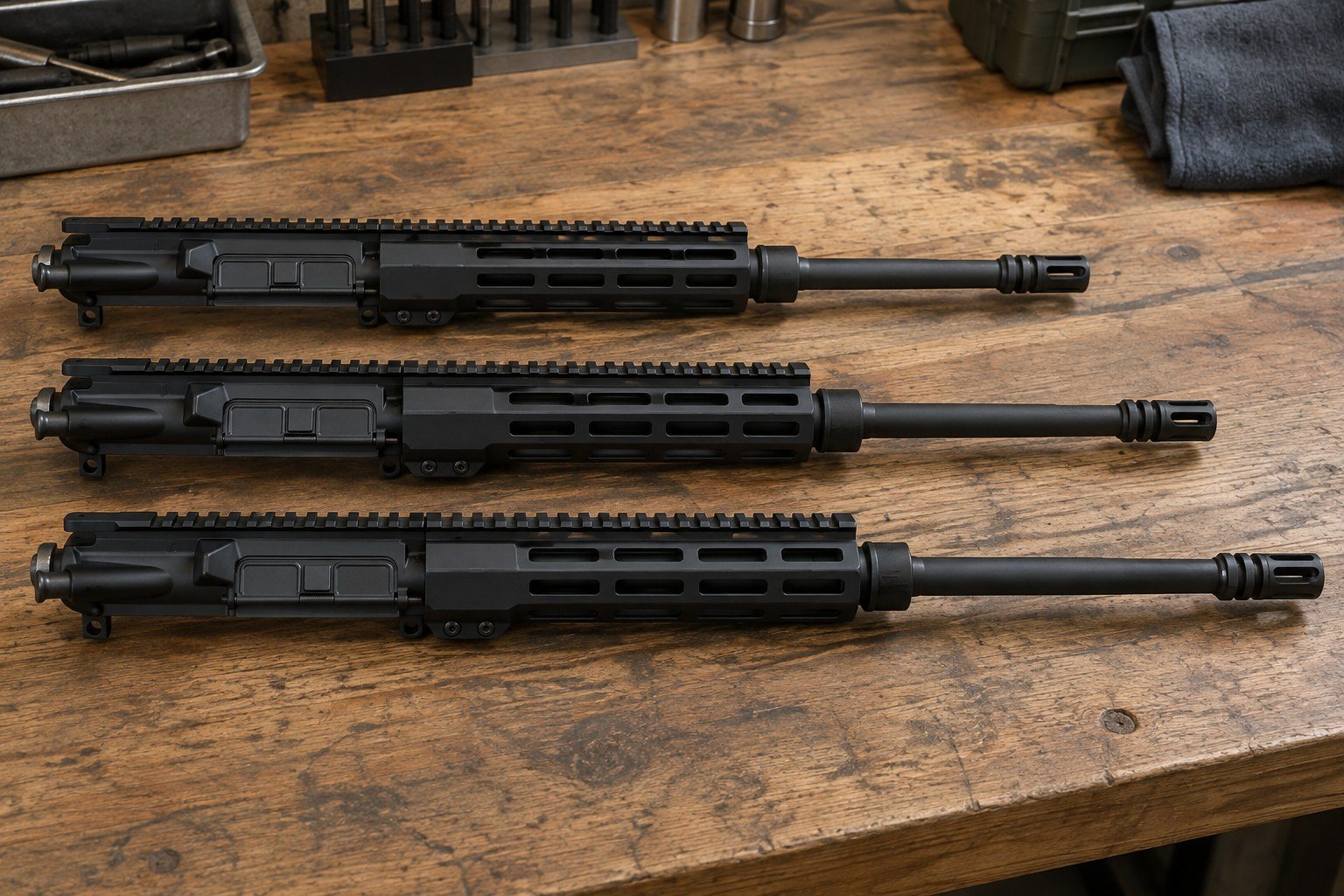
Barrel length is a trade between velocity and handling. A longer barrel generally gives the powder more time to push the bullet, and a shorter barrel is quicker to swing and easier to carry. Eighteen inches lands in a useful middle.
Velocity Without the Bulk
Compared with a 16 inch carbine, the extra two inches typically add some muzzle velocity, which helps flatten trajectory and resist wind at longer ranges. Exact gains depend on the load, so check the ammunition maker's published data for your chosen cartridge rather than relying on a rule of thumb.
Compared with a 20 inch rifle, the 18 inch barrel is shorter and usually lighter, so the rifle balances closer to your support hand and comes on target faster.
Legal Simplicity
Because the barrel is well over 16 inches, an 18 inch upper on a rifle lower keeps you clear of short-barreled rifle territory under federal law. You can read the definitions directly from the ATF's National Firearms Act page. State and local laws vary, so confirm what applies where you live.
| Feature | 16 Inch Carbine | 18 Inch SPR Style | 20 Inch Rifle |
|---|---|---|---|
| Typical gas system | Carbine or mid-length | Rifle-length (common) | Rifle-length |
| Handling | Quickest | Balanced | Slower, front-heavy |
| Velocity | Lowest of the three | Middle | Highest of the three |
| Typical role | General purpose, defense | Field precision, varmint, practical matches | Bench, prone, long-range work |
| Federal SBR concern | None at 16 inches | None | None |
Want to compare every barrel length side by side before you commit?
Gas System, Chamber and Twist
An 18 inch barrel is long enough to carry a rifle-length gas system, which places the gas port farther from the chamber. That lower port pressure compared with a mid-length system on the same barrel generally means a gentler cycle and less felt recoil than a carbine system. This guide covers the trade-offs in depth in our guide to choosing the right gas system length.
Why 223 Wylde Fits the Mission
The 223 Wylde chamber was designed to safely fire 5.56 NATO while keeping the tighter throat dimensions that help with .223 Remington match ammunition. For a rifle that straddles practice and precision, that flexibility matters. You can train with affordable 5.56 and switch to match loads when you need to stretch the distance.
Twist Rate
18 inch 223 Wylde barrels commonly use a 1:8 twist. That rate is a common middle ground that stabilizes a wide range of bullet weights, including many heavier match bullets. For more detail, see the barrel twist rate guide.
Handguard, Muzzle Device and Optics
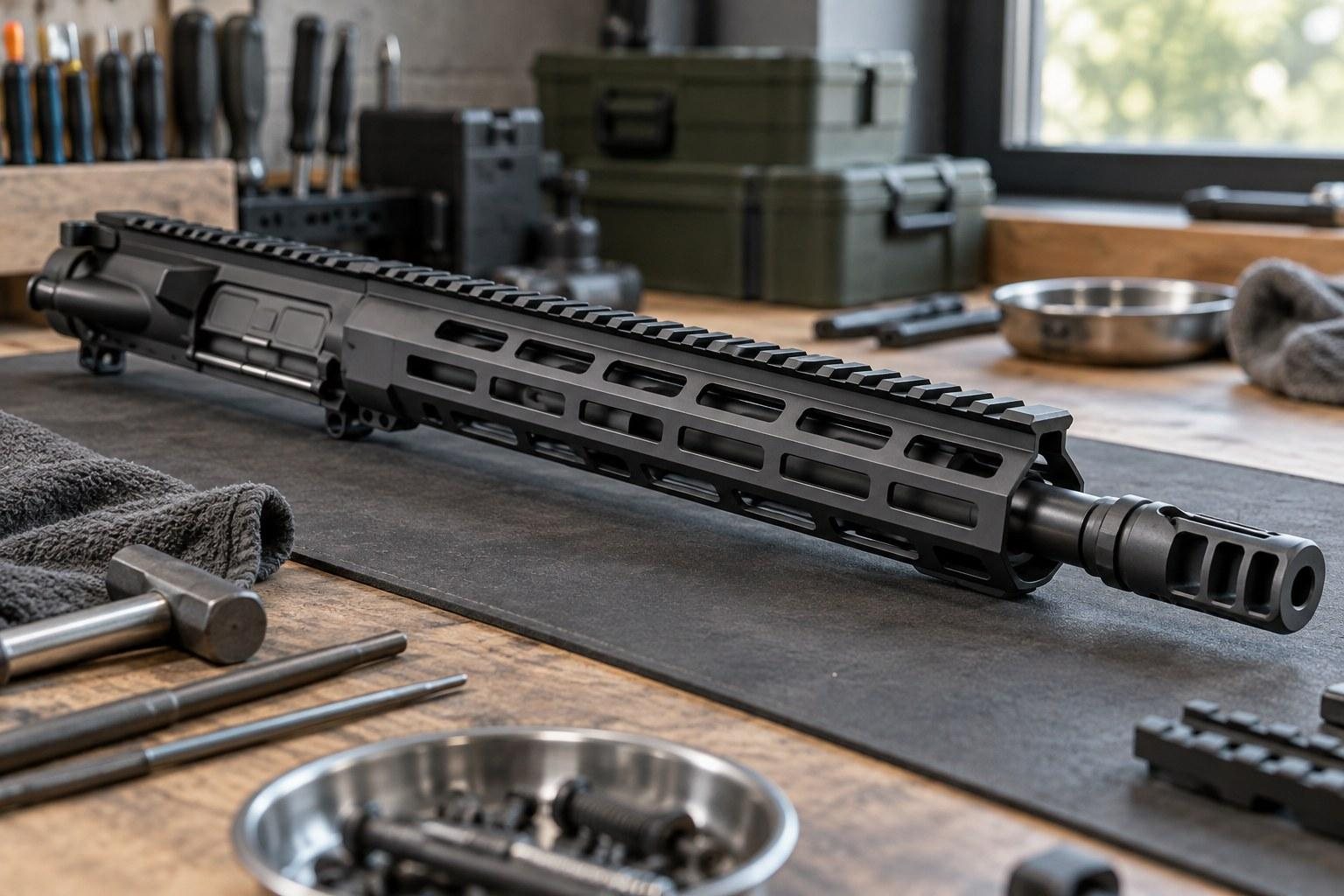
The barrel gets most of the attention, but an SPR AR-15 only shoots up to its potential when the parts around it support the barrel instead of fighting it.
Free-Float Handguard
A free-float handguard attaches to the barrel nut and never touches the barrel itself. When you load a bipod or press the rifle against a barricade, that pressure stays off the barrel, which helps keep your point of impact consistent. 18 inch uppers often use a 15 inch rail, which leaves plenty of room for a bipod, light or sling mount. Browse more options in the handguard category, and compare designs in our breakdown of free-float vs drop-in handguards.
Muzzle Device
18 inch uppers commonly ship with a compensator-style brake. Reducing muzzle rise helps you stay behind the scope and spot your own impacts, which is a big part of shooting fast and accurately at the same time. You can explore alternatives in the muzzle devices category.
Optics
Many SPR builds wear a low-power variable optic or a mid-range variable scope. A low-power variable gives you a near-1x view for quick shots and magnification for longer ones, which is exactly the blend of speed and precision this configuration is built around. Our LPVO guide covers what to look for.
What to Look for in 18 Inch 223 Wylde Builds
A practical routine is to review current 223 Wylde uppers options before buying, since inventory changes and the list below should be treated as a general guide. Confirm availability and specs on the product page.
Complete Uppers
- An 18 inch 223 Wylde complete upper with an SPR-profile Premium Black Series barrel, a 15 inch rail, a comp brake, BCG and charging handle is a common configuration.
- An 18 inch 223 Wylde complete upper with a medium-profile stainless barrel, a 15 inch rail, a comp brake, BCG and charging handle is another common configuration.
Stripped-down uppers without the BCG and charging handle are also common options for builders who already own those parts.
Barrels for Your Own Build
| Barrel | Material | Twist | Gas System | Muzzle Thread |
|---|---|---|---|---|
| Ballistic Advantage SPR w/ OPS 12, Premium Black Series | QPQ 416R stainless | 1:8 | Rifle | 1/2x28 |
| Satern Barrels Medium, Stainless | 416R stainless | 1:8 | Mid | 1/2x28 |
Note that some 18 inch barrels use a mid-length gas system rather than rifle-length, so not every 18 inch barrel follows the rifle-length convention. Pick based on the published spec, not the label. Every complete upper from AR15Parts.com is assembled in-house, headspaced and function-checked, and orders typically ship in 3 to 5 business days.
Choosing Between the Two
If you want the classic SPR formula, a build with an SPR profile barrel and rifle-length gas follows the recipe closely. If you prefer a plain stainless medium-contour barrel, that is a straightforward alternative. When options share the same chamber, twist and rail length, so the decision mostly comes down to finish, gas length and personal preference. When in doubt, read each product page's full specification list and call the support team with questions before you order.
Building and Tuning Your Setup Safely
Whether you buy a complete upper or assemble your own, a few habits keep the build safe and accurate.
Assembly Basics
- Always confirm the firearm is unloaded before any work, and remove the magazine.
- Follow each component manufacturer's published torque and installation specs, including the barrel nut and muzzle device.
- Never drill or modify a gas port. If the rifle short-strokes or overgasses, consult the manufacturer or a qualified gunsmith.
- If you are unsure about headspace or barrel installation, have a qualified gunsmith check the work.
Getting the Most From the Rifle
Mount your optic in quality rings at the right eye relief, zero at a known distance, and test a few loads to see what your barrel prefers. An SPR rewards consistency more than any single part, so practice from field positions as often as you shoot from the bench.
Ready to explore more builds and configurations?