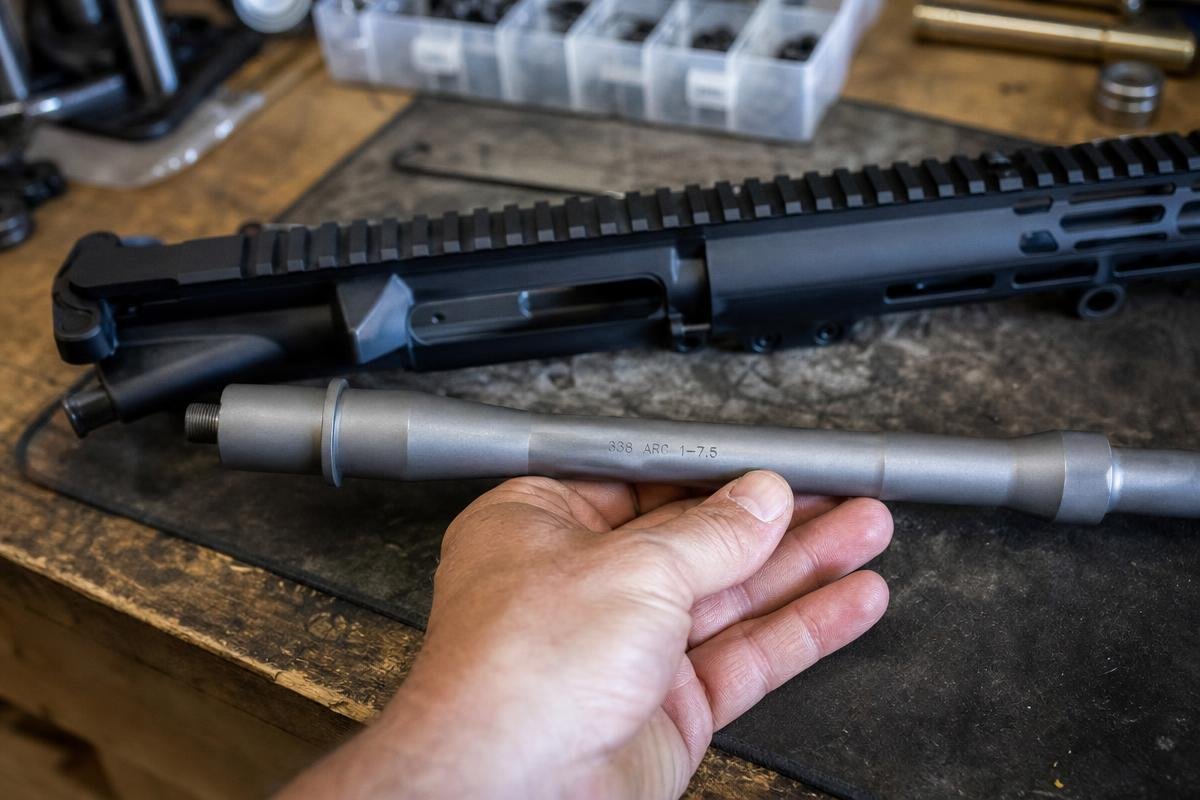
AR15Parts.com assembles 338 ARC uppers and sources barrels from trusted names like Faxon and Ballistic Advantage, with every build function-checked in our shop before it ships to your door. If you are hunting the best 338 ARC barrels for long-range accuracy, the barrel is where that search starts and ends. Twist rate, contour, and length all determine how this cartridge performs past 500 yards, and getting those specs wrong costs you groups. We stock and build to order, so you get the right barrel for your exact setup, not whatever happens to be on a shelf.
Ready to configure your 338 ARC? Talk to us about barrel specs, twist rates, and complete upper configurations.
How We Source and Build 338 ARC Barrels
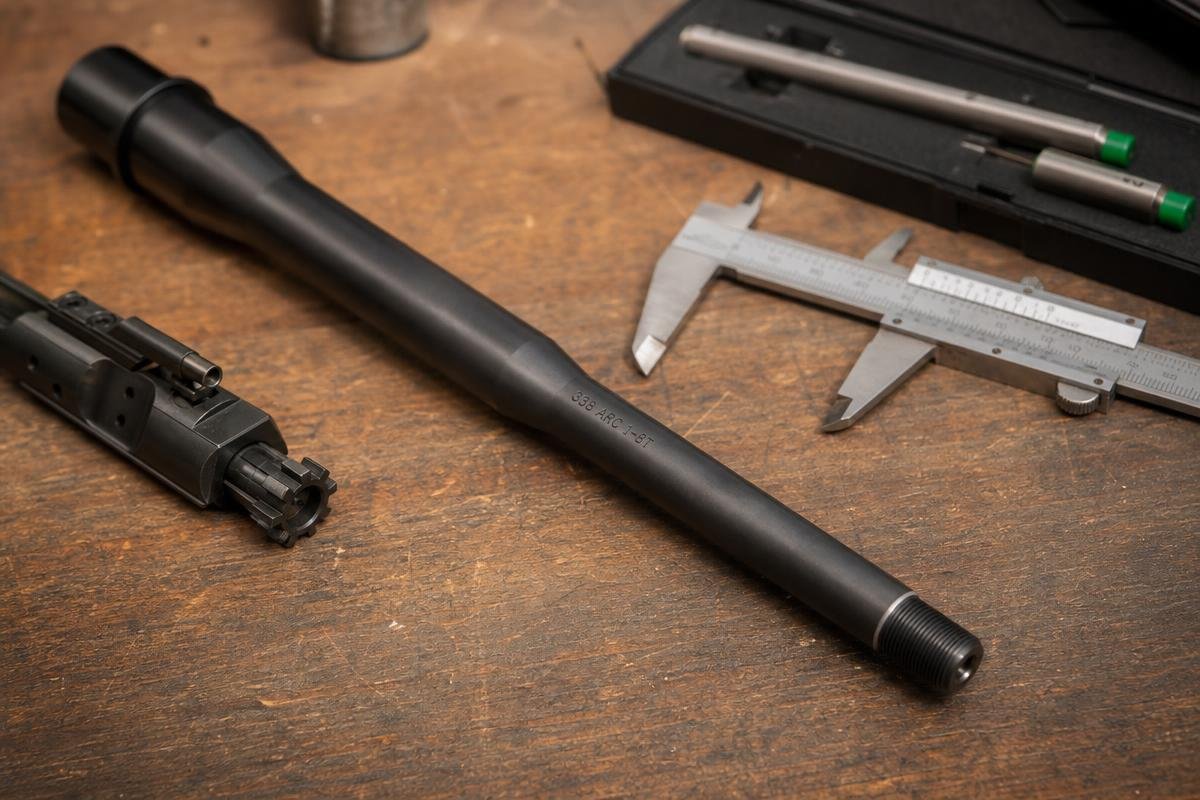
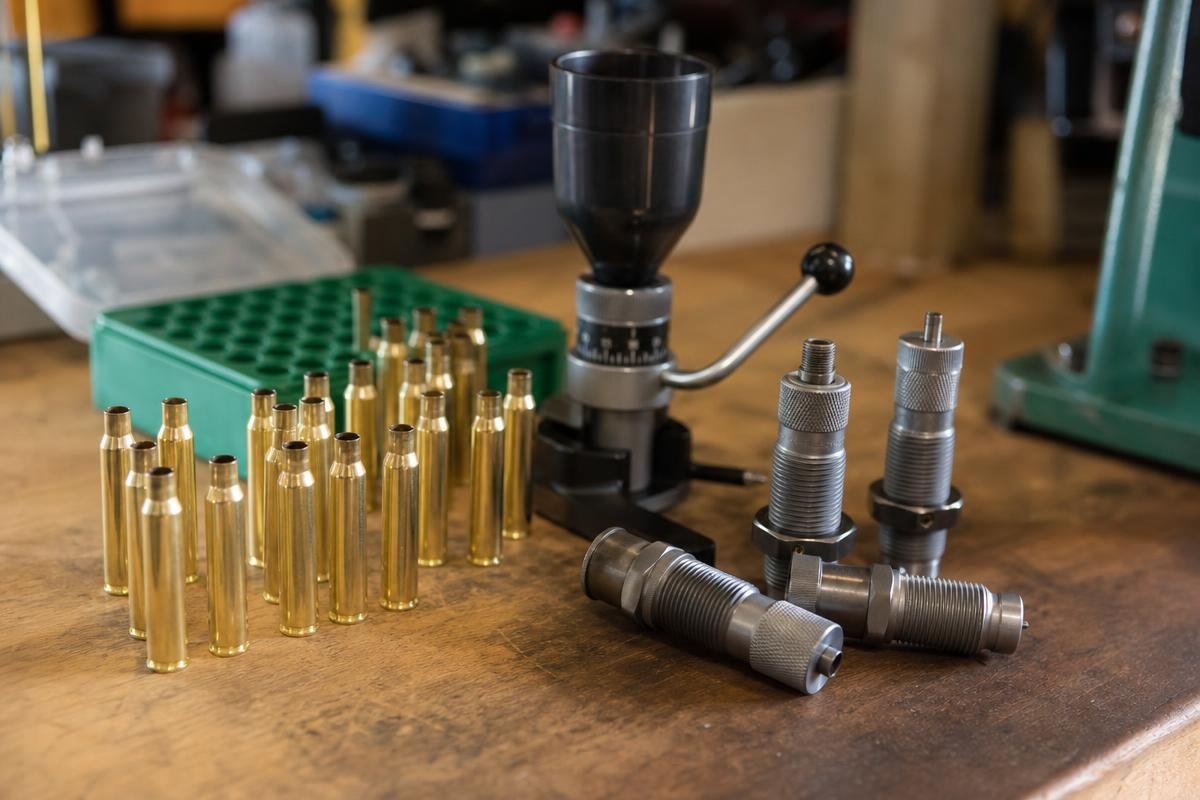
Our shop builds these uppers to order using barrels from Faxon, Ballistic Advantage, and other precision manufacturers. The 338 ARC was engineered by Hornady and the U.S. Army Marksmanship Unit to push .338-caliber projectiles from a standard AR-15-pattern lower. That is not a small ask. It demands precise barrel engineering at every level, from chamber dimensions to rifling geometry, and our assembler headspaces and checks each build by hand before it leaves the bench.
Choosing the best 338 ARC barrels for long-range accuracy means evaluating five variables at once: barrel length, twist rate, contour, steel type, and finish. Each one affects downrange performance in measurable ways at 500 to 1,000 yards. This is not like spec'ing a 5.56 barrel where the tolerances are forgiving and the ammo is everywhere. This cartridge rewards precision choices and punishes sloppy ones.
Shooters near Denison deal with open Cross Timbers fields, steady southwest winds, and long summer range days. Those conditions make barrel selection matter more than it would on a covered indoor bench. Here you'll find every variable. Browse our 338 ARC complete uppers if you already know what you need.
Why Barrel Selection Matters More in 338 ARC Than Most Calibers
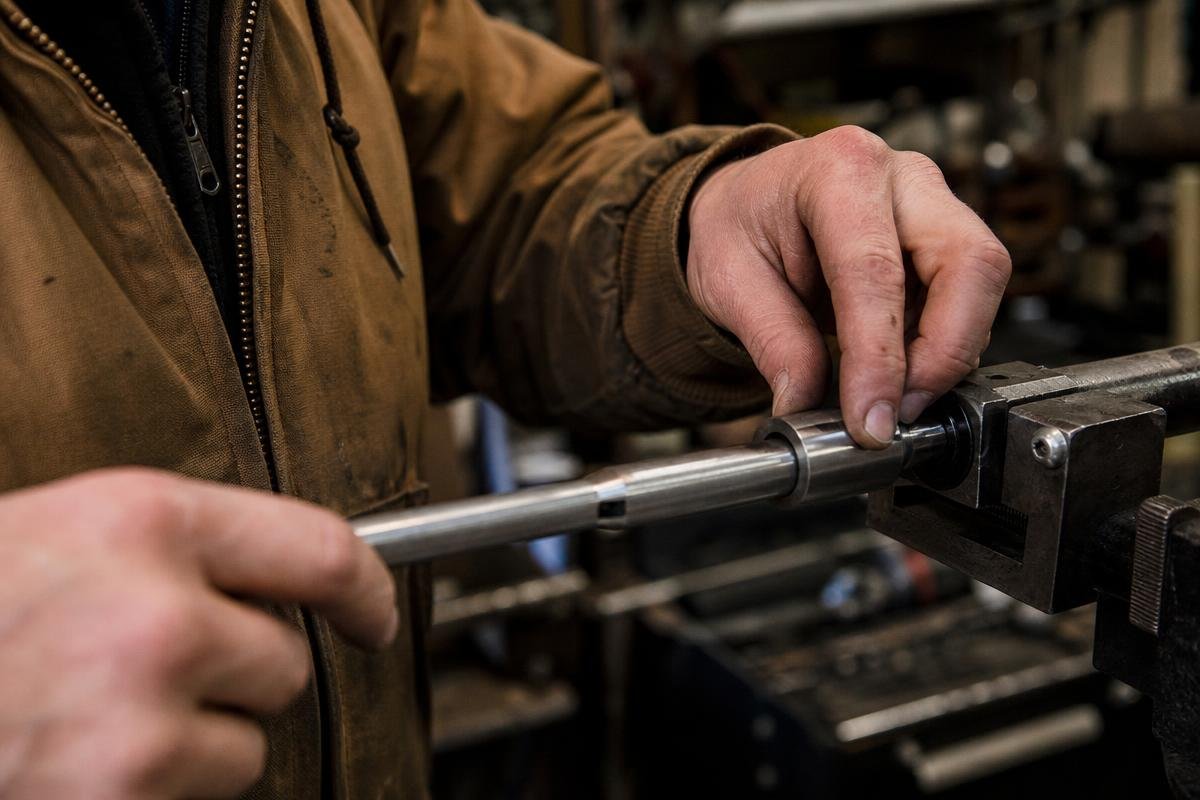
The 338 ARC runs at a SAAMI max average pressure of approximately 62,000 PSI. That is higher than 5.56 NATO, and it pushes through a larger bore. That combination means your barrel choice carries more consequence here than in most AR builds. Get the steel spec wrong, skip a proper headspace check, or pick the wrong length for your target distance, and no amount of load development fixes the problem.
Pressure, Headspace, and Why They Define Your Groups
At 62,000 PSI, even a small headspace deviation produces inconsistent case sizing on every firing cycle. That inconsistency shows up as vertical stringing at 300 yards and gets worse as distance increases. No optic corrects for it. No scope zero fixes it. The problem lives in the chamber.
Every 338 ARC complete upper we assemble is headspaced and function-checked to spec before it ships. That step is not optional on this cartridge. A match barrel paired with a sloppy headspace fit is money wasted.
How Barrel Length Affects Ballistic Coefficient Payoff
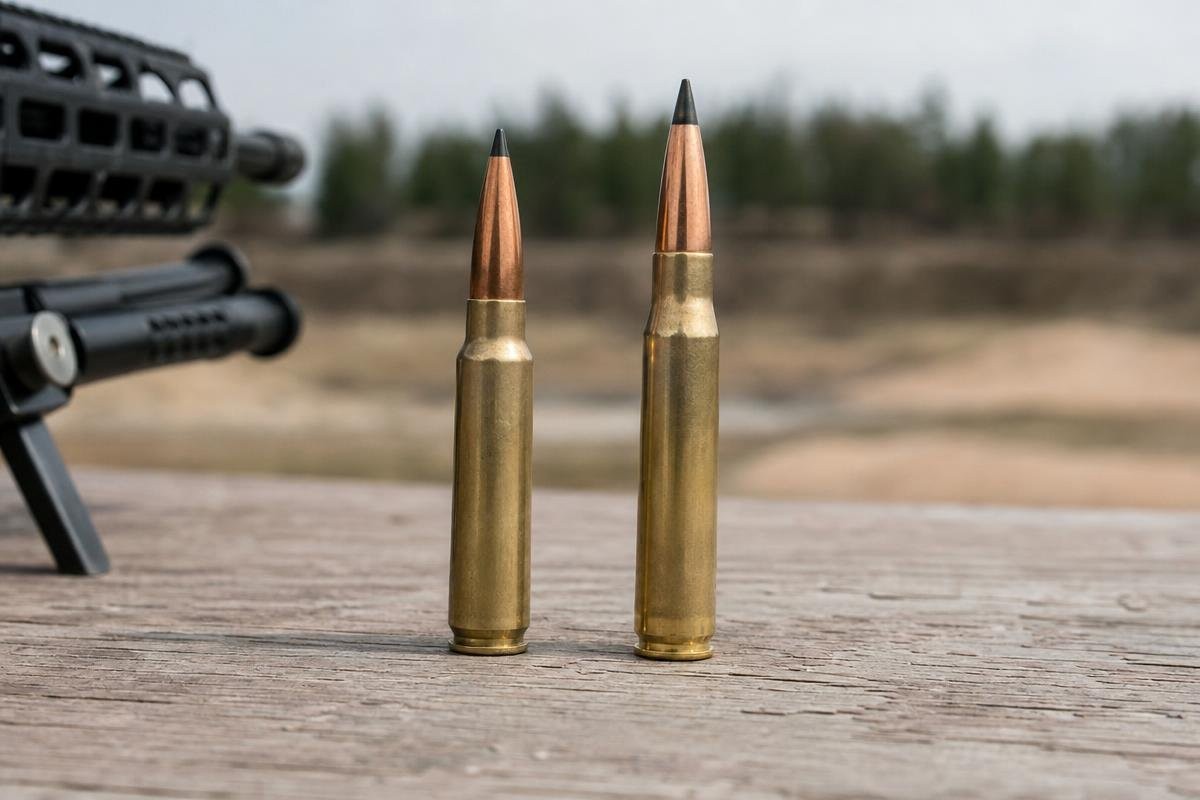
The 338 ARC was built around 185 to 250 grain projectiles with high ballistic coefficients. The Hornady 185gr ELD-M carries a G7 BC of around 0.290 to 0.310. That BC only pays off if you launch the bullet fast enough to take advantage of it. A 16-inch barrel pushes that load to roughly 2,450 to 2,500 fps. An 18-inch adds about 100 fps. A 20-inch can approach 2,650 fps.
Those 100 to 150 fps differences compound fast. At 600 to 800 yards across open ground, the kind of shooting common at ranges around Grayson County, a slower muzzle velocity means more wind drift and less retained energy on target. Barrel length is not just a size preference. It is a ballistic decision. Know the specs you want? See what we have ready to ship.
What Twist Rate Does a 338 ARC Barrel Need?
The 338 ARC twist rate question has a clear answer: 1:10. Hornady standardized the cartridge around it, and it stabilizes the full usable bullet range from 185gr to 250gr. Most quality barrels you will find are cut to that spec, and for good reason.
Why 1:10 Is the Standard
The Greenhill formula gives us a way to calculate the minimum twist needed to push a bullet's gyroscopic stability factor above 1.4, the threshold where accuracy becomes reliable. For the 338 ARC's bullet lineup, 1:10 clears that threshold across the board. A 185gr ELD-M hits it comfortably. A 250gr long-for-caliber projectile still makes it, with enough margin to handle real-world variables like temperature swings and wind.
Hunters running 185gr ELD-M for deer and hog work get full stabilization from a 1:10 barrel without any additional rotational stress on the bullet jacket. That matters when you are pushing bullets fast through a barrel that heats quickly during a summer session on an exposed North Texas range.
When a Faster Twist Makes Sense
A 1:9.35 twist gives you a slightly larger stability margin for the heaviest 230gr to 250gr long-range projectiles. If you are building specifically around subsonic or ultra-heavy match bullets, some manufacturers go that route. The tradeoff is higher rotational velocity, which raises jacket stress on thin-jacketed match bullets.
Berger, for example, publishes maximum recommended twist and velocity guidance for its thinner-jacketed hybrids precisely to avoid jacket failure, so match your bullet to the twist rather than assuming faster is always better. For most precision builds using 185gr to 215gr match ammunition, 1:10 is the correct and sufficient choice.
Any manufacturer deviating from Hornady's 1:10 spec should give you a clear technical reason, not just a marketing claim. You can also browse our 338 ARC complete uppers to see how we configure these builds from the start.
Barrel Length Tradeoffs: 16, 18, and 20 Inches for Long-Range Work
Choosing the right length for long range is not just about velocity numbers. It is about how you are actually using the rifle. A hunter walking creek bottoms in the Cross Timbers has different needs than a shooter going prone on an open field near Lake Texoma. Each length makes a real tradeoff between portability, gas system behavior, and effective range.
16-Inch: Portable and Still Capable
The 16-inch is the lightest legal rifle-length option and the easiest to carry. Gas system is typically mid-length, which works but leaves less dwell time margin than the longer options. With a 185gr ELD-M load, you are looking at effective precision work out to roughly 600 yards. That is plenty for white-tailed deer and feral hog hunting across most of the local terrain. Where it gives up ground is at a distance, and you will feel that past 600 yards.
18-Inch: The Precision Builder's Default
The 18-inch is the most popular choice among 338 ARC precision builders, and for good reason. It runs a rifle-length gas system with dwell time that is well-matched to the cartridge's burn rate. That means more consistent cycling and better suppressor compatibility if you go that route.
Effective precision range stretches to around 800 yards. If you want a complete upper built around this length, our 338 ARC uppers are assembled, headspaced, and function-checked before they ship to your door. Is an 18-inch worth the extra length over a 16-inch for 800-yard work? Yes, without question.
20-Inch: Maximum Velocity for Dedicated Long-Range Work
The 20-inch barrel extracts the most velocity the 338 ARC cartridge can give. It also runs a rifle-length gas system and is the heaviest of the three options. This is the barrel for a dedicated bench or prone setup, not a rifle you are carrying far.
Effective precision range pushes to approximately 1,000 yards with the right optic and load. For shooters setting up on the open ground near Lake Texoma, where those steady southwest winds are a daily reality, that extra velocity buys real ballistic margin at distance.
The 8.5-inch pistol-length option does exist for SBR and suppressed builds, but that is a different conversation entirely and falls outside the scope of this long-range discussion.
Steel, Contour, and Finish: What Actually Affects Accuracy at Distance
Three variables separate a match barrel that holds half-MOA at 800 yards from one that prints 1.5-MOA groups after the third string. Steel grade, contour, and surface finish each play a distinct role. Get any one of them wrong and the other two cannot compensate.
416R Stainless vs. 4150 CMV: Choosing the Right Steel
416R stainless machines to tighter tolerances than 4150 CMV. The bore diameter stays more consistent across the full length of the barrel, and the steel resists copper fouling slightly better. That consistency is what makes 416R the correct choice for a dedicated precision build where cold-bore group size matters. The tradeoff is corrosion resistance. Stainless demands more maintenance, especially in the humidity that rolls up the Red River corridor.
4150 CMV is the military-spec standard. It handles sustained fire better, costs less, and takes a nitride finish well. For a field or hunting build where durability beats raw precision, 4150 CMV is a sound choice. For bench work at distance, go stainless. Browse our full barrel selection to compare both steel options across available profiles.
Contour Selection and Heat-Induced Point-of-Impact Shift
A pencil contour saves weight. It also walks shots after five to ten rounds fired in rapid succession as the barrel heats and flexes. At 800 yards, that shift is not a small problem. A medium or heavy contour resists heat-induced point-of-impact shift during extended strings because the additional mass absorbs and dissipates heat more slowly.
In Denison, summer range sessions regularly climb well past comfortable, and shooting multiple strings prone on a July afternoon on an open Grayson County range will expose a pencil-contour barrel's limits fast. A medium or heavy contour is not just a bench-shooting preference here. It is a practical necessity for anyone shooting the 338 ARC in North Texas heat.
Finish Options: Nitride, Uncoated Stainless, and Chrome-Lining
Nitride (salt bath or QPQ) adds surface hardness and corrosion resistance to 4150 CMV barrels. It is the right finish for a hunting or field build. Stainless barrels are typically left uncoated or given a light bead blast, which preserves the bore geometry that makes them accurate. Chrome-lining adds durability but introduces 0.001 to 0.002 inches of bore variation.
For a match barrel where you are chasing consistent barrel specs at distance, that variation matters. Chrome-lining is not the answer for precision work. Need help picking the right steel, contour, or finish for your 338 ARC build? Call us at (888) 706-0633 and we will walk you through the options.
Gas System Considerations for a 338 ARC Long-Range Build
Gas system length is not an independent variable you optimize in isolation. It follows directly from your barrel length choice. The 338 ARC's case capacity and burn rate are designed around a rifle-length gas system on 18 and 20 inch barrels. That is where the cartridge runs cleanest with a fixed gas block.
Rifle-Length vs. Mid-Length: Matching Dwell Time to Your Barrel
Dwell time is the window between the bullet crossing the gas port and leaving the muzzle. Too short and you get failures to extract. Too long and bolt carrier velocity climbs, accelerating wear on your components. A 16 inch barrel paired with a mid-length system can work in a 338 ARC build, but it requires careful tuning. It is not a set-it-and-forget-it setup the way a rifle-length system on an 18 inch barrel is.
Why an Adjustable Gas Block Belongs on Any Suppressed or Multi-Load Build
If you are running a suppressor, an adjustable gas block is not optional. A can significantly increases back-pressure, and a fixed port has no way to compensate. Shooters running suppressed builds for hog hunting along the Red River bottoms will feel this immediately once the suppressor goes on.
An adjustable block also matters if you cycle different loads. The 185gr and 250gr 338 ARC loads cycle at different pressures. A fixed gas block cannot optimize for both. One setting will be wrong. Spend the extra money on the adjustable block now and avoid chasing malfunctions later. Check our full selection of AR-15 barrels to match the right gas system to your build.
How 338 ARC Barrel Performance Compares to Other Long-Range AR Calibers
The 338 ARC does not exist in a vacuum. Shooters evaluating the best 338 ARC barrels for long-range accuracy are usually weighing it against two other calibers: 6.5 Creedmoor and 224 Valkyrie. The numbers tell a clear story, and the platform differences matter just as much as the ballistics.
338 ARC vs. 6.5 Creedmoor: Platform Size and Energy at Distance
The biggest issue with 6.5 Creedmoor in an AR platform is the lower. You need a 308-pattern AR-10, which adds weight and bulk. The 338 ARC delivers comparable or better energy at 500 yards from a standard AR-15 lower. That is a meaningful difference if you are carrying a rifle across open country.
At 1,000 yards, a 185gr 338 ARC ELD-M retains roughly 1,100 to 1,200 ft-lbs of energy. A 6.5 Creedmoor 140gr ELD-M lands closer to 900 to 1,000 ft-lbs at the same distance, on a heavier platform. The 338 ARC wins on energy retention while keeping the build compact.
338 ARC vs. 224 Valkyrie: When Terminal Performance Outweighs Flat Trajectory
The 224 Valkyrie is a legitimate long-range cartridge. It shoots flat, recoils lightly, and performs well from 600 to 800 yards with lighter bullets. Where the 338 ARC separates itself is terminal energy at distance. The 338 ARC carries significantly more energy at every yard line, which matters when the target is a 200-pound feral hog at 500 yards in open field conditions.
For pure paper punching at moderate distances with minimal recoil, the 224 Valkyrie has real merit. For hunting or any application where terminal performance beyond 600 yards is the priority, the 338 ARC is the stronger choice. Browse our 224 Valkyrie complete uppers if that platform fits your use case better. If it does not, the 338 ARC is the answer.
Shooting 338 ARC in North Texas: Range Conditions and Build Considerations
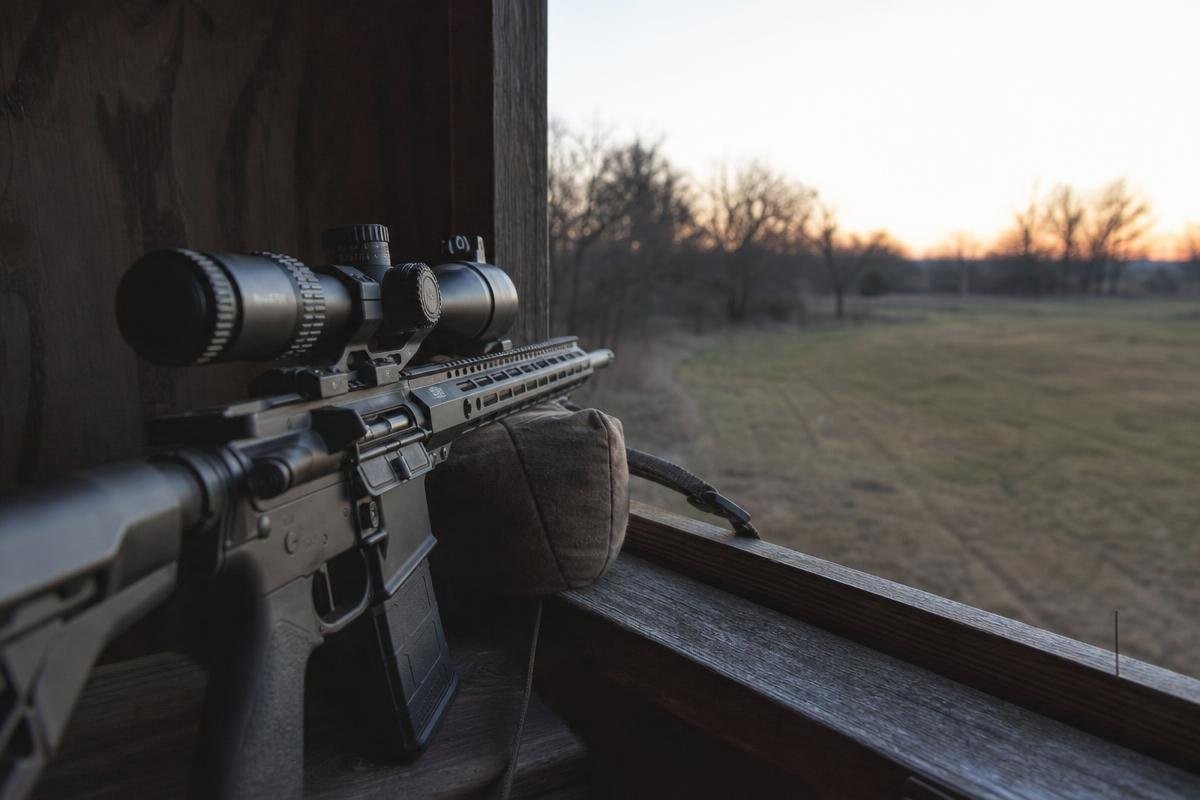
The terrain around Sherman and the Red River corridor is open. Rolling Cross Timbers, creek bottoms, and wide prairie fields create natural long-range shooting corridors that reward a well-built 338 ARC. This is not a cartridge you are squeezing into a role it was not made for. Out here, it fits.
Wind, Terrain, and Why High-BC Bullets Matter Here
Wind is the daily constant across these open fields, and it rarely lets up for long during Texas spring and summer range days. The 338 ARC's high-BC projectiles, many carrying a G7 BC of 0.290 or better, drift measurably less than lighter, lower-BC alternatives at the same wind speed. Where a 224 Valkyrie or 5.56 gets pushed, the 338 ARC holds its line. That gap gets wider past 400 yards.
The open shoreline terrain along Lake Texoma north of Sherman mirrors the field conditions where your barrel length choice actually matters. An 18-inch barrel gives you the velocity to keep those high-BC bullets stable and supersonic well past 800 yards in these conditions. Barrel heat is a real factor on summer range days, which is exactly why contour selection, covered in the steel and contour section above, deserves a second read before you finalize your configuration.
Hunting Applications in Grayson County and Surrounding Areas
White-tailed deer and feral hog populations in this part of the state make the 338 ARC a practical dual-purpose cartridge. It is not just a target round. With Texas general deer season running through the fall and hogs legal year-round, the rifle earns its keep in every month. At hunting distances under 300 yards, it hits hard enough to drop hogs cleanly and delivers more than enough energy for deer.