Is 6.5 Creedmoor good for hunting? Learn range, game suitability, and top loads. Shop hand-assembled uppers at AR15Parts.com or call (888) 706-0633.
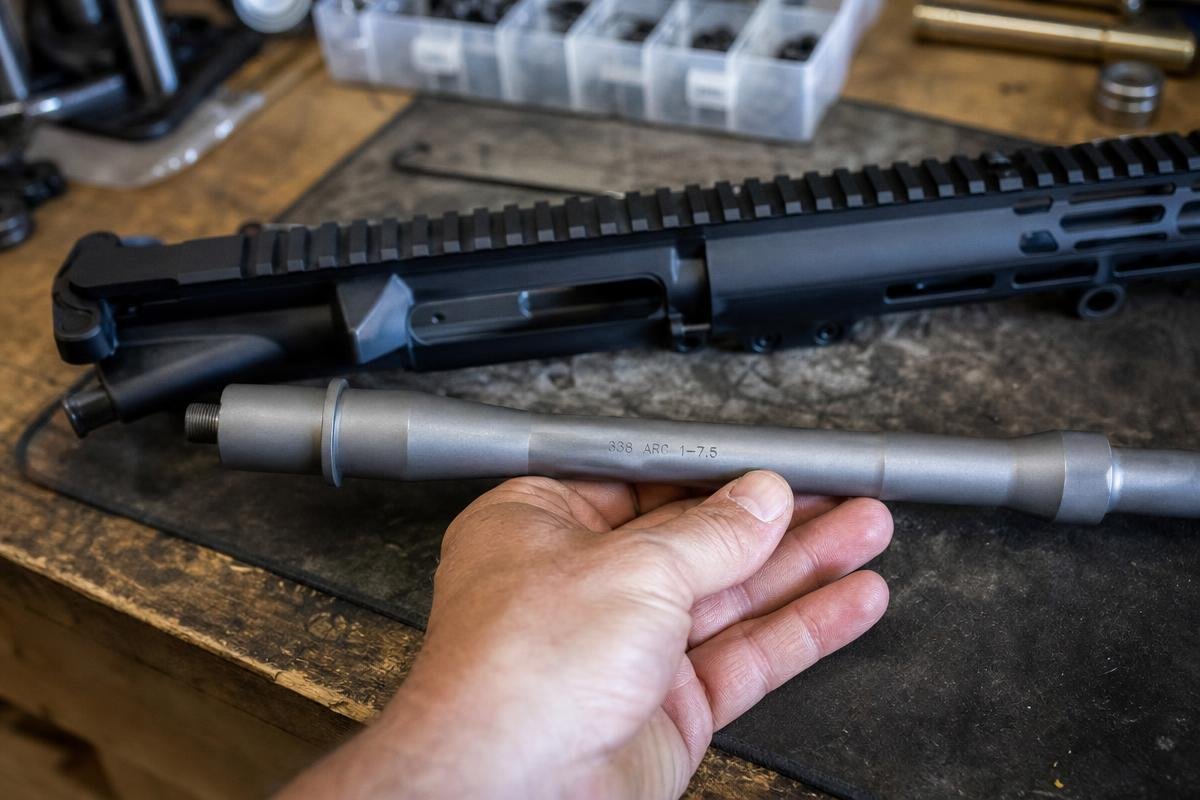
The 6.5 Creedmoor is one of the most talked-about hunting cartridges of the past decade, and for good reason. Out here in North Texas, where shots across open ag fields can stretch past 400 yards and a north wind off Oklahoma can push a bullet sideways, the 6.5 Creedmoor's flat trajectory and high ballistic coefficient matter. We build and hand-assemble 6.5 Creedmoor complete uppers at our shop at 2022 S Crockett St in Sherman, and every one is headspaced and function-checked before it ships.
Because so many of our customers hunt the Red River corridor, we talk through these exact questions with deer hunters throughout the fall. Here is what you actually need to know. Ready to build a 6.5 Creedmoor hunting upper? We assemble every upper to order and function-check it before it ships.
Is 6.5 Creedmoor Good for Hunting?
Yes, the 6.5 Creedmoor is a capable hunting cartridge. It is not a range toy. It was designed around competition shooting, but its terminal performance on deer-sized game is well documented. Flat trajectory, manageable recoil, and high ballistic coefficient bullets make it a practical choice for North American hunters.
Here you'll find how the 6.5 Creedmoor performs afield from the ground up. We will look at what game it handles well, how far you can ethically shoot, which loads work best, and where it falls short. If you want the numbers behind the cartridge first, start with our 6.5 Creedmoor ballistics breakdown before reading on.
Why the 6.5 Creedmoor Became a Hunting Cartridge in the First Place
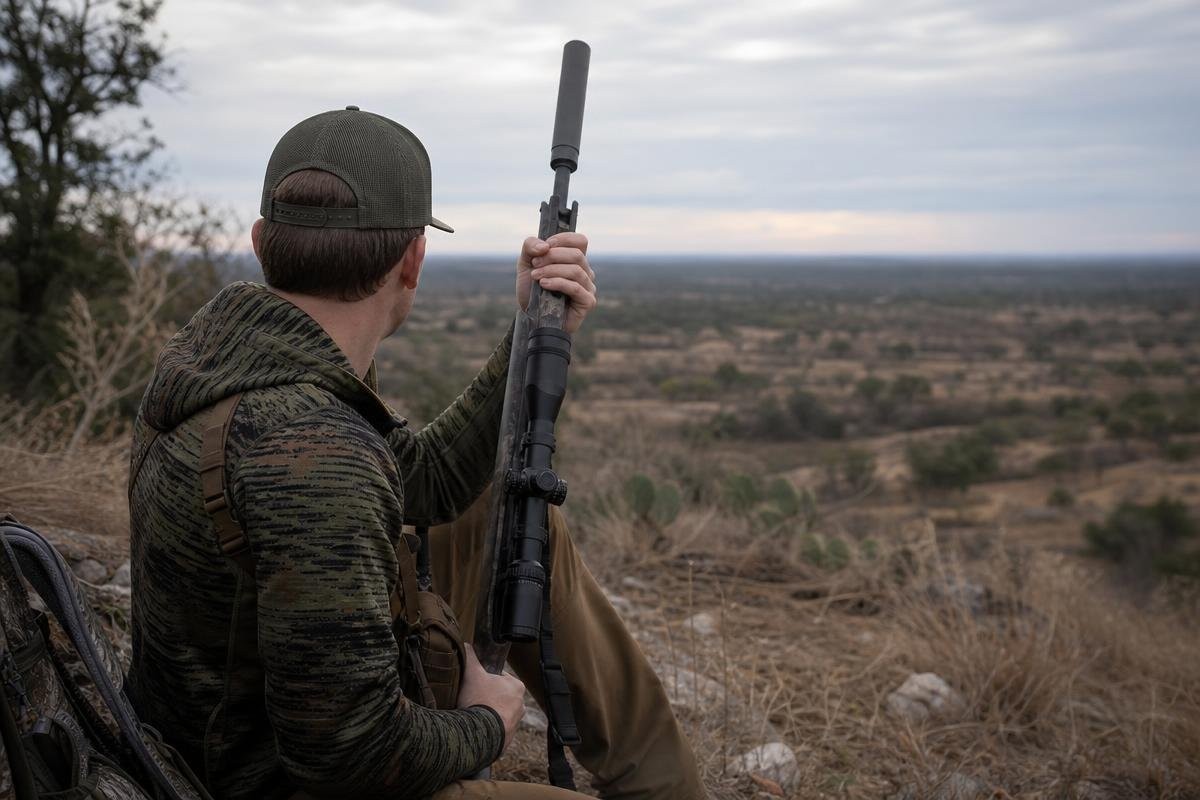
The 6.5 Creedmoor was not designed for hunting. Hornady and Creedmoor Sports developed it in 2007 specifically for Precision Rifle Series competition and long-range target work. Hunters adopted it later, and for good reason.
Designed for the Range, Adopted by the Field
Match shooters needed a cartridge that stayed supersonic past 1,000 yards, fit a standard AR-10 or bolt-action magazine, and produced manageable recoil for rapid follow-up shots. The 6.5 CM checked every box. When hunters started running the same cartridge at deer-sized targets inside 500 yards, they found it performed better than most cartridges designed specifically for hunting. Flat trajectory. Predictable drop. Consistent terminal performance with quality hunting bullets.
That crossover from range to field is exactly why our 6.5 Creedmoor complete upper receivers have become one of our most requested builds. Shooters who already trusted the cartridge on paper targets started asking for it in a hunting configuration.
The Ballistic Coefficient Advantage
Ballistic coefficient measures how well a bullet resists drag in flight. A higher number means the bullet sheds velocity and energy more slowly. Think of it this way: a low-BC bullet is like throwing a wiffle ball into a headwind. A high-BC bullet is more like a dart.
A 140-grain 6.5 CM bullet typically runs a G1 BC between 0.500 and 0.530. A 168-grain .308 Win match bullet runs around 0.470. That gap matters at distance. The 6.5 CM bullet arrives at 400 yards faster, hits harder, and drifts less in a 10 mph crosswind. For hunters dealing with north winds pushing down off the Red River, that wind resistance is a real-world advantage, not a spec sheet number.
A 140-grain ELD-X or SST at 2,700 fps muzzle velocity retains over 1,500 ft-lbs of energy past 500 yards per published Hornady ballistic data. The table below shows how that plays out against two of the most common deer cartridges in North Texas, using typical factory 140gr 6.5 CM, 150gr .308 Win, and 150gr .30-06 loads.
6.5 Creedmoor vs .308 vs .30-06: Energy and Drop
Figures are approximate and based on typical 200-yard zeros and published factory data; your exact load and barrel length will shift them. The pattern is what matters: the 6.5 Creedmoor starts with less muzzle energy than the larger .30-caliber rounds but catches and passes them downrange while shooting noticeably flatter. That is the whole argument for the cartridge in open country.
What Game Can You Hunt with 6.5 Creedmoor?
The 6.5 Creedmoor is not a do-everything cartridge, but it covers more ground than most hunters expect. Knowing where it excels and where it falls short is what separates a clean kill from a tracking job.
Deer, Pronghorn, and Medium-Sized Game
This is where 6.5 Creedmoor deer hunting shines. Whitetail, mule deer, and pronghorn are all well within its capability out to 500 yards with the right bullet. A 140-grain bonded or controlled-expansion projectile, think Hornady ELD-X, Federal Terminal Ascent, or Nosler AccuBond, delivers enough energy and controlled expansion to anchor deer-sized animals cleanly.
If you hunt open agricultural fields around Denison or sendero cuts further south, the flat trajectory and low wind drift of the 6.5 give you real confidence on those 250-to-400-yard shots. Our customers hunt across Texas, from the Red River bottoms up here to Hill Country whitetail and pronghorn out on the Llano Estacado, and the 6.5 Creedmoor is a textbook fit for that kind of country. It was built for exactly this kind of work.
Feral hogs in the Red River bottoms are also fair game. Stick with heavier bonded bullets on hogs. Their shoulder bones are dense, and a light cup-and-core bullet can fail to reach the vitals on a quartering shot.
Elk, Black Bear, and Larger Animals
The 6.5 Creedmoor can take elk and black bear, but you need to be honest with yourself about the conditions. Most experienced guides set 1,500 ft-lbs of impact energy as the ethical floor for elk. The 6.5 CM delivers that threshold out to roughly 500 yards with a 143-grain ELD-X or 140-grain Terminal Ascent. Inside that range, with a clean broadside or quartering-away shot, it is enough gun.
Push past 500 yards, or find yourself in steep terrain with marginal shot angles, and the margin gets thin. Hunters who regularly take elk at 300-plus yards in big country may want more energy buffer. Our full lineup of AR-platform uppers in larger magnum calibers gives you that extra margin if you hunt elk country often. For big game with the 6.5, shot placement is not optional. It is the whole plan.
What the 6.5 Creedmoor Is Not Built For
Dangerous game is off the table. Cape buffalo, brown bear, and other thick-skinned, heavy-boned animals require deep penetration and large-diameter bullets the 6.5 simply cannot deliver. Do not use it there.
It is also overkill for varmints. The bore diameter and minimum bullet weights make it an expensive and inefficient choice for prairie dogs or ground squirrels. If you need a varmint round, look at something purpose-built. If you want a 6.5 Creedmoor complete upper for deer and medium game, it is the right tool. Just keep it in that lane.
Effective Range for Hunting: How Far Is Too Far?
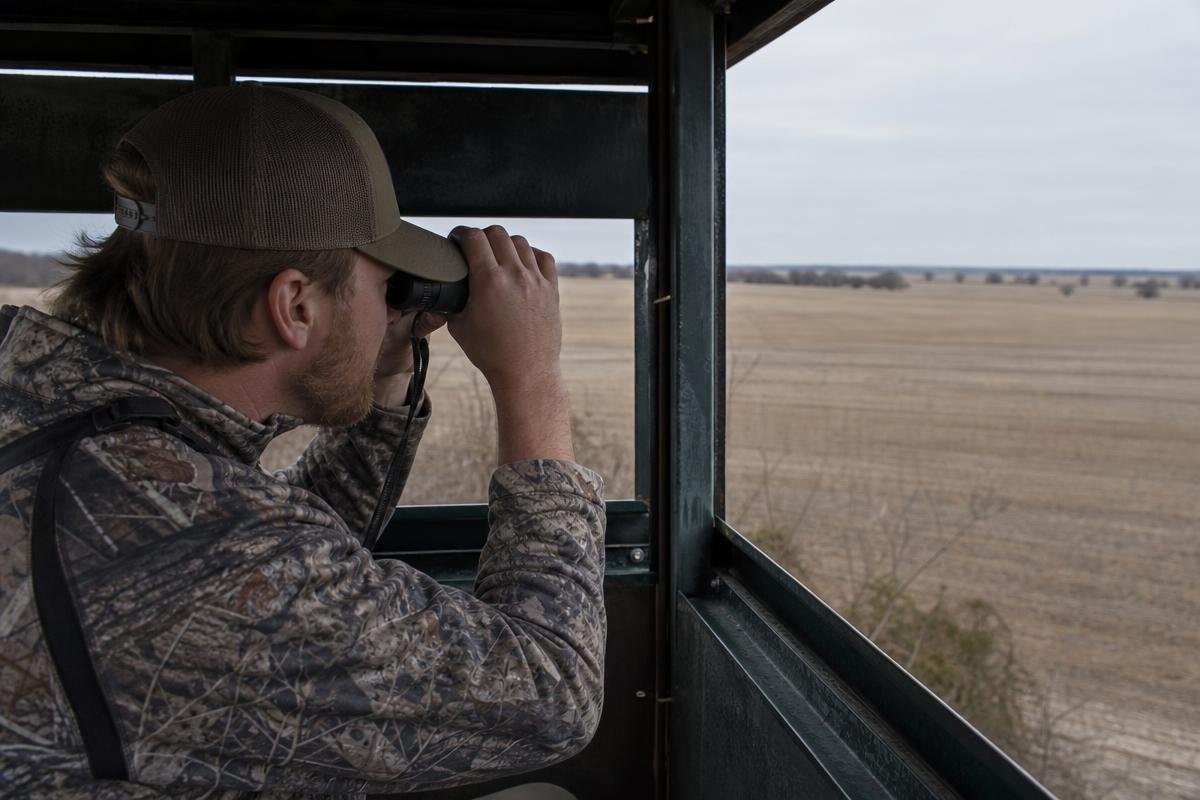
The 6.5 Creedmoor's ballistic capability and your ethical hunting range are two different numbers. The cartridge can stay supersonic past 1,000 yards. That does not mean you should be shooting deer at 1,000 yards. 6.5 Creedmoor effective range for hunting is determined by your ability to place a shot, not by what the cartridge can physically do.
The 500-Yard Practical Ceiling for Most Hunters
A 140-grain 6.5 CM load at 2,700 fps retains roughly 1,600 ft-lbs of energy at 500 yards and carries about 44 inches of drop from a 200-yard zero. You can see those figures in the comparison table above. The energy is there. The problem is most hunters do not shoot enough to execute that shot cleanly under field conditions.
Hunters who shoot seasonally should hold themselves to 300 to 400 yards. That is an honest number. Pushing to 500 yards requires consistent range time, a quality rangefinder, and the ability to read wind accurately before the shot. If you are not doing all three, 500 yards is not your range.
How Wind and Terrain Change the Equation
Wind is where the 6.5 Creedmoor's high BC helps, but it does not eliminate the problem. A 15 mph full-value crosswind still moves a 140-grain bullet roughly 10 inches at 500 yards. That is a miss or a wounded animal on a deer-sized target if you do not account for it.
Hunters around Denison and the Red River corridor know this firsthand. Strong north winds push down from Oklahoma regularly, especially during November deer season. Open agricultural fields near the river bottoms give you the shooting lanes for a long shot, and those same fields funnel wind directly across your path. Generic drop charts will not save you there.
Load your specific ammunition's data into a ballistic app and use it.
Not sure which bullet weight or upper fits your hunt? Tell us your target game and your realistic max range, and we will recommend the right build. Call (888) 706-0633.
Choosing the Right 6.5 Creedmoor Hunting Load
Picking the right load matters as much as picking the right cartridge. The 6.5 Creedmoor is capable, but only if you put a hunting bullet in front of that powder charge. Match ammo shoots tight groups. That does not make it a hunting load.
Bullet Construction Matters More Than Brand
Do not use ELD-M or BTHP match bullets for hunting. They are designed for accuracy at distance, not terminal expansion on game. On a deer or hog, a match bullet may fail to expand at all, or fragment unpredictably. Either outcome is unacceptable. Use a bullet built to kill cleanly.
Four constructions worth knowing for deer and larger game:
- Hornady ELD-X with InterLock band: controlled expansion across a wide velocity range, good choice for shots inside 500 yards
- Federal Terminal Ascent: bonded core with a solid shank rear, holds together at close range and expands reliably at long range
- Barnes LRX: monolithic copper, no lead core to separate, excellent for hog and black bear where deep penetration matters
- Nosler AccuBond: traditional bonded design, proven on deer and pronghorn at moderate to long range
Recommended Bullet Weights by Game and Range
Grain weight changes the equation depending on what you are hunting and how far. Understand what the 6.5 Creedmoor is built for before you settle on a load.
- 120 to 129 grain: deer under 300 yards; flatter trajectory, reduced recoil, practical for youth hunters or recoil-sensitive shooters during Texas deer season
- 140 to 143 grain ELD-X or Terminal Ascent: deer and pronghorn from 300 to 500 yards; higher BC retains energy and resists wind drift
- 140 to 143 grain bonded or monolithic only: elk and black bear; limit shots to 400 yards; shot placement is critical at this weight class
The 143-grain Terminal Ascent is a strong all-around pick for North Texas hunters who may face a 60-yard shot in the Red River timber one morning and a 350-yard field shot the next afternoon. Questions about 6.5 Creedmoor loads or uppers? Call us at (888) 706-0633 and we will point you in the right direction.
How Does 6.5 Creedmoor Compare to Other Hunting Cartridges?
No cartridge does everything. The 6.5 Creedmoor is a strong all-around hunting round, but how it stacks up depends entirely on where you hunt and what you're shooting at. Here's a straight comparison against three cartridges hunters ask about most.
6.5 Creedmoor vs .308 Winchester for Hunting
The .308 Winchester has a deeper bench. More hunting loads, more rifle options, and more stopping authority at close range on heavy-bodied animals. If you're hunting tight timber inside 200 yards, the .308 is a perfectly rational choice and there's no compelling reason to switch.
Past 300 yards, the 6.5 Creedmoor pulls ahead. Its high-BC 140-grain bullets drift less in wind and drop less over distance, as the comparison table above shows. Recoil runs roughly 12 ft-lbs compared to 15 to 17 ft-lbs for a comparable .308 load. For deer across open agricultural fields where shots stretch to 300 or 400 yards, that difference is measurable, not theoretical.
6.5 Creedmoor vs 7mm-08 Remington
These two are close. Both run in short-action rifles. Both produce mild recoil. Both are effective deer cartridges. The 6.5 Creedmoor edges the 7mm-08 in ballistic coefficient with 140-grain loads and has broader ammo availability heading into 2026. If you're already invested in 7mm-08 brass and dies, switching isn't necessary. For a head-to-head breakdown, see this 7mm-08 vs .308 Winchester hunting comparison for additional context on short-action tradeoffs.
6.5 Creedmoor vs .300 Win Mag: When More Is Actually More
The .300 Win Mag delivers roughly 3,500 ft-lbs at the muzzle versus approximately 2,700 ft-lbs for the 6.5 Creedmoor. On elk, moose, or large bears in steep country, that extra energy matters. The tradeoffs are real: recoil exceeds 25 ft-lbs, rifles run heavier, and ammo costs more per round.
The 6.5 Creedmoor is not a replacement for the .300 Win Mag on large, heavy game. They are different tools. On deer-sized animals out to 500 yards, the Creedmoor is more than enough. For a bull elk at 400 yards in rough terrain, the .300 Win Mag earns its place. Read more about how .300 Win Mag compares for long-range hunting before making that call.
If you're building an AR-platform rifle around the 6.5 Creedmoor, browse our 6.5 CM upper lineup to find the right configuration for your hunt.
Hunting with 6.5 Creedmoor in North Texas: What Local Hunters Should Know
If you hunt the area around Denison and Sherman, the 6.5 Creedmoor fits this country well. The terrain here demands a cartridge that handles both tight timber and wide-open fields without making you switch rifles mid-season. The 6.5 Creedmoor does exactly that.
Terrain and Shot Distances in the Area
Hunters leasing land in Cooke and Fannin counties see both terrain types regularly. The cedar and post-oak breaks along the river bottoms compress shots to under 150 yards. Open agricultural fields and food plots on the same lease can push your 6.5 Creedmoor effective range hunting scenarios out to 300 or even 400 yards.
The 6.5 Creedmoor handles that spread without complaint. It is not over-gunned for a 90-yard timber shot, and its flat-shooting nature means you are not dialing in heavy corrections for a 350-yard field crossing. Hunters building or upgrading an AR-platform rifle for the season can check out our 6.5 Creedmoor uppers to get set up before opener.
Recoil is mild enough that younger hunters and newer centerfire shooters handle it well. That matters for families hunting together out of Denison and Sherman.
Deer Season Considerations for This Region
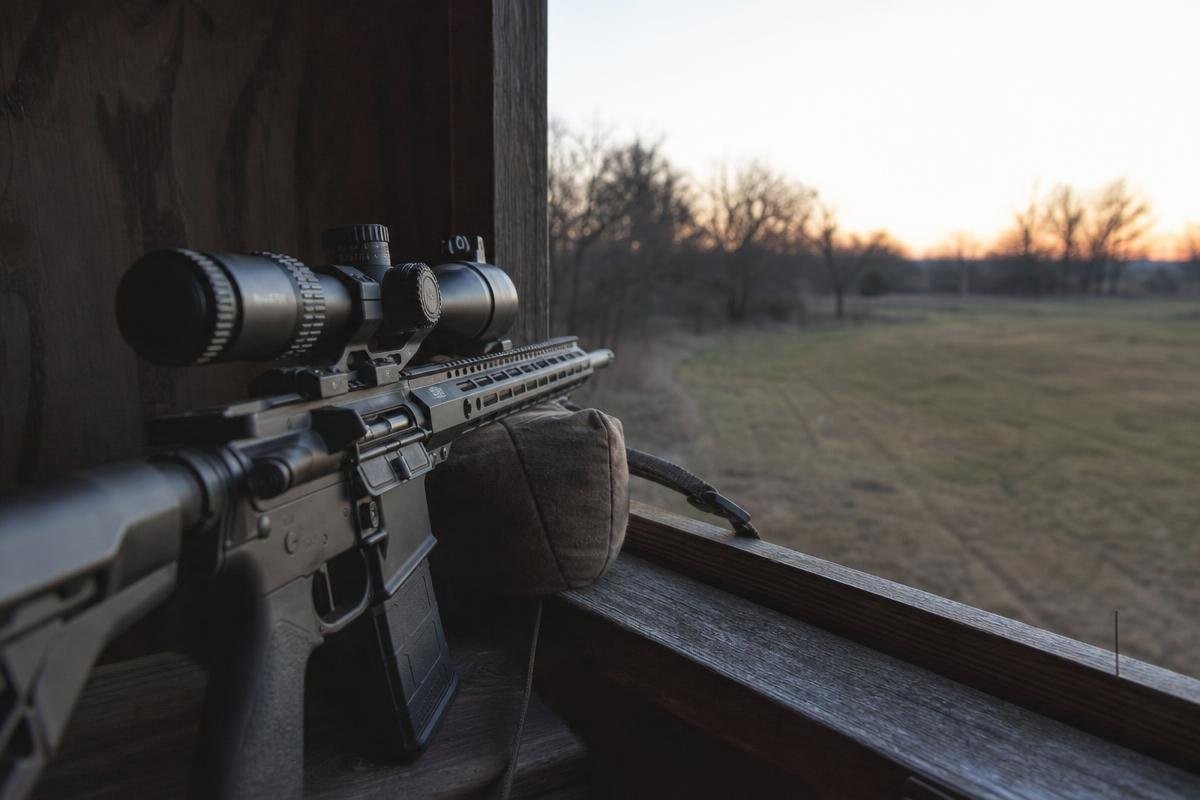
General deer season in this part of the state typically opens in early November. Strong north winds pushing down from the Oklahoma direction are a consistent factor on elevated stands overlooking open fields. Wind drift at 300-plus yards is real with any cartridge, and the 6.5 Creedmoor's high ballistic coefficient helps, but you still need to account for it.
Always confirm current season dates and bag limits directly with TPWD before you head out. Regulations can change year to year. We are based at 2022 S Crockett St, Sherman, TX 75090, and we are happy to talk through 6.5 Creedmoor deer hunting setups with you in person.
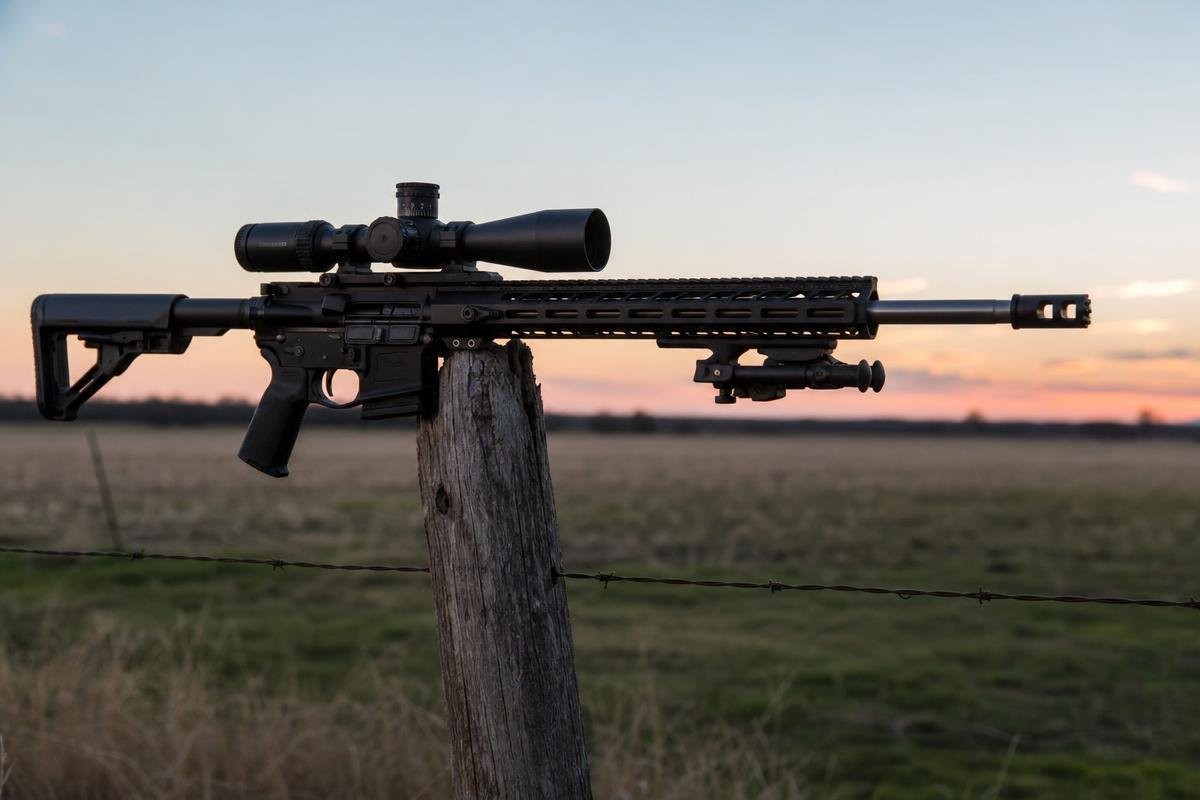
If you are building or upgrading an AR-platform rifle for the upcoming deer season, AR15Parts.com carries 6.5 Creedmoor complete upper receivers ready to drop onto your existing lower. Questions about fit or compatibility? Call us at (888) 706-0633 or stop by 2022 S Crockett St, Sherman, TX 75090.