350 Legend vs 30-30 for deer hunting: ballistics, recoil, range, and platform options compared. Build your AR upper at AR15Parts.com. Call (888) 706-0633.
Two cartridges dominate deer camp conversations across North Texas: the 350 Legend and the 30-30 Winchester. One is a century-old lever-gun legend. The other is a modern straight-wall cartridge that has taken the deer hunting world by storm since 2019. If you are comparing these two deer hunting rounds for a build or a hunt in the Denison area, this breakdown covers velocity, recoil, effective range, and real-world terminal performance so you can make the right call before season opens.
Ready to build an AR upper chambered in 350 Legend? At our Sherman shop we build to order, headspace, and function-check every upper before it ships to your door. No FFL required for uppers.
350 Legend vs. 30-30: Two Deer Cartridges, One Real Question
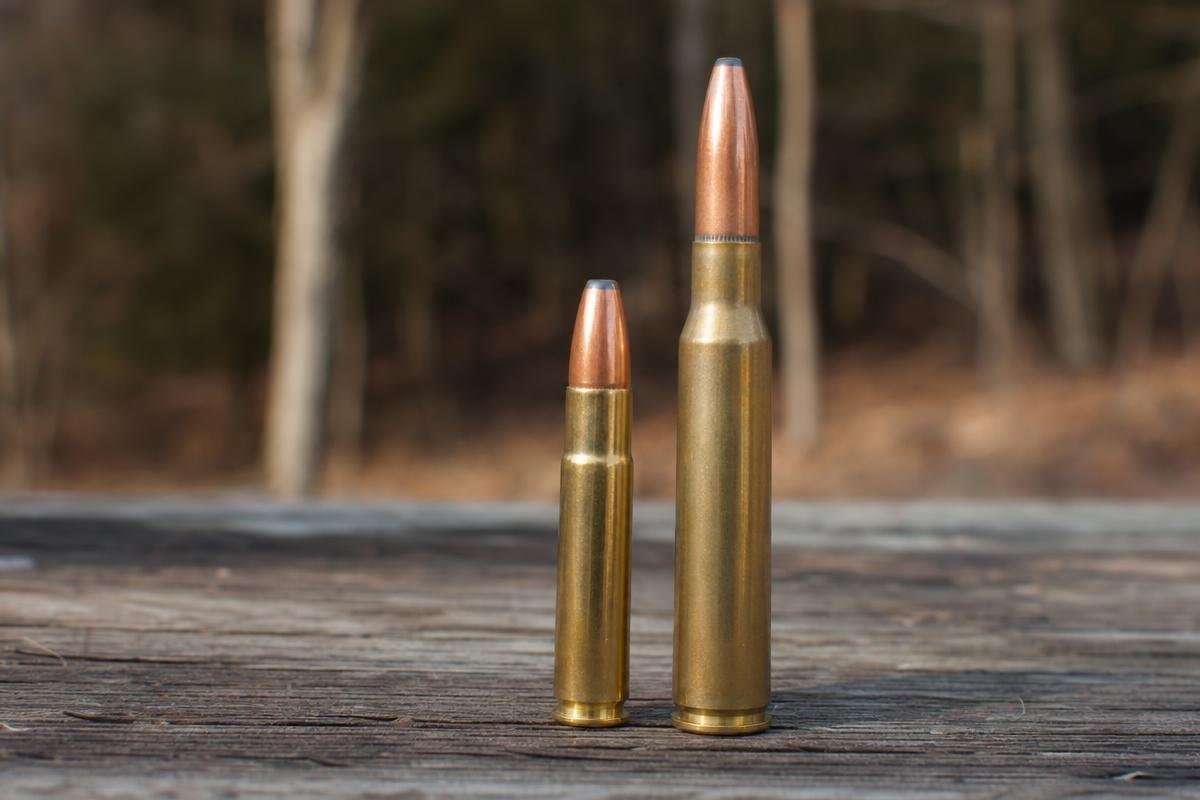
If you hunt whitetail in the Denison area, this debate is not abstract. Creek-bottom timber along the Red River corridor, open pasture, cedar breaks, the terrain here demands a cartridge that actually fits the shot. The 30-30 Winchester has been punching deer tags since 1895. The 350 Legend showed up in 2019 and changed the conversation entirely. Both work. The question is which one works for you.
The single biggest design difference is the platform. The 30-30 lives in lever-action rifles. The 350 Legend runs natively in an AR-15, which means you can drop a 350 Legend upper onto your existing lower and be ready for the season without buying a new rifle. That one fact changes how a lot of North Texas hunters look at this comparison.
Here is a breakdown of ballistics, effective range, recoil, platform options, and where each round is legal. By the end, you will know exactly which round fits your hunt and your setup.
Cartridge Origins and Design Philosophy
The 30-30 Winchester: A Lever-Action Legacy. The 30-30 Winchester arrived in 1895 as the first American sporting cartridge designed specifically for smokeless powder. That is not a small distinction. Smokeless powder changed everything about pressure curves and case design, and Winchester built the 30-30 from the ground up to handle it. The rimmed case was a deliberate choice for reliable extraction in lever-action rifles, and that same rim is exactly why the cartridge never migrated to bolt-action or semi-automatic platforms in any meaningful way.
The tubular magazine on a lever gun creates a second constraint. Bullet tips sit directly against the primer of the round in front. That forces the 30-30 into flat-nose and round-nose projectiles at .308-inch diameter. Standard factory loads are 150-grain at roughly 2,390 fps from a 20-inch barrel, or 170-grain at roughly 2,200 fps, according to Winchester factory data. Both have taken whitetail across North America for over a century, including generations of hunters working the cedar breaks and creek bottoms of this region.
The 350 Legend: Built for the Straight-Wall Era. Winchester introduced the 350 Legend in 2019 to solve a specific regulatory problem in the Midwest, where several states limit deer hunters to straight-wall cartridges during certain seasons. The cartridge was engineered to meet those rules while still delivering genuine deer-hunting performance.
That is the design context, not a concern for the Texas hunter, since our seasons carry no such restriction. Its semi-rimless case headspaces on the case mouth, which makes it compatible with AR-15 platforms and standard bolt-action actions.
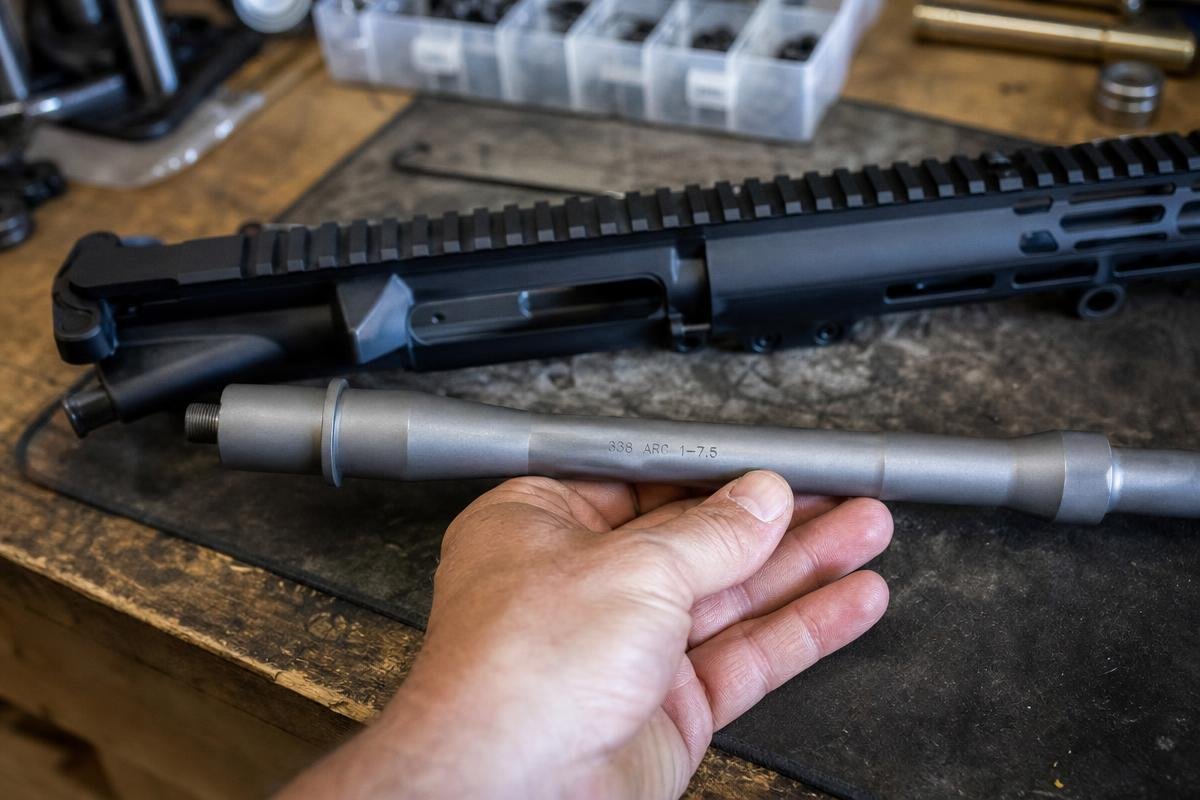
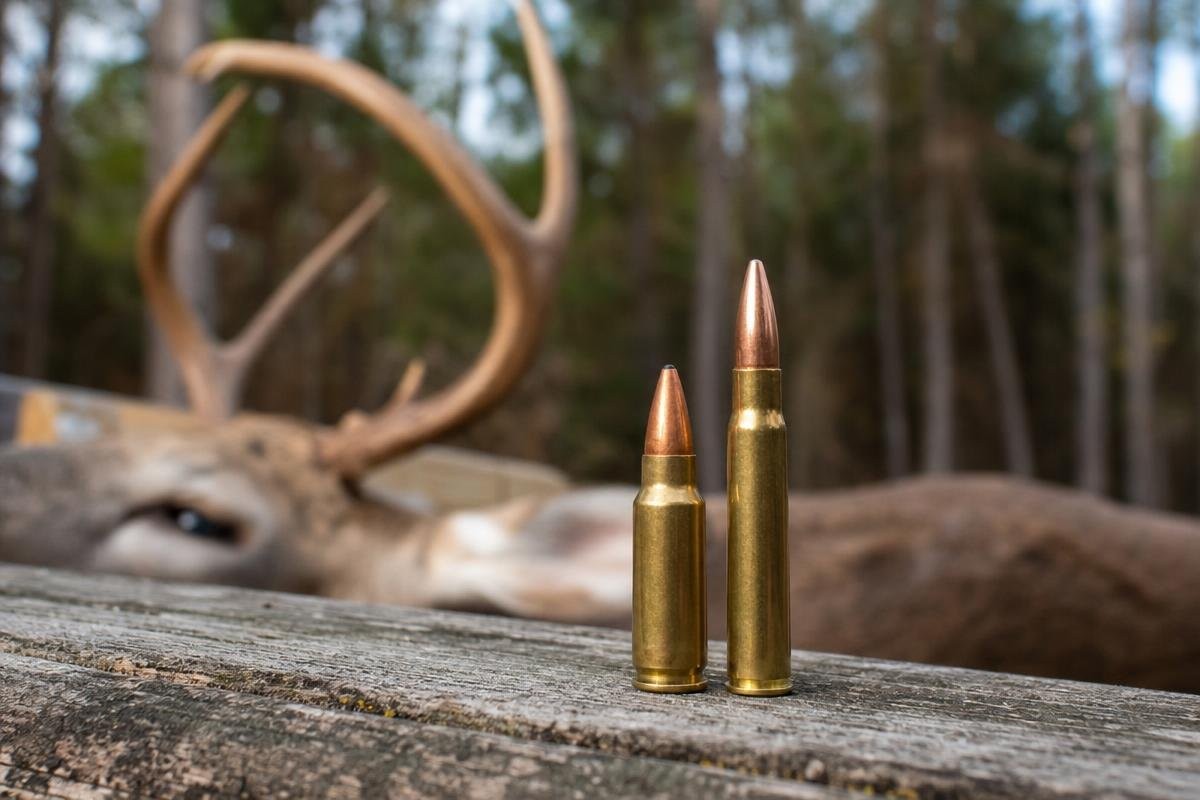
Bullet diameter is .357 inches. The 145-grain load runs roughly 2,350 fps at the muzzle. The 180-grain load drops to around 2,100 fps but carries high sectional density for reliable penetration on deer-sized game. Low recoil was a stated design goal, and Winchester hit it. If you are building an AR-15 for 350 Legend deer hunting, 350 Legend barrel options matter more than most shooters expect, since twist rate and chamber spec directly affect how each load performs downrange.
Ballistics Comparison: 350 Legend vs 30-30 Velocity, Energy, and Drop
How do the 350 Legend and 30-30 compare in velocity and energy? The numbers are closer than most people expect. According to published ballistics tables, a 30-30 150-grain load leaves the muzzle at roughly 2,390 fps with about 1,900 ft-lbs of energy. A 350 Legend 145-grain load runs approximately 2,350 fps and 1,778 ft-lbs at the muzzle. The 30-30 starts with a slight energy advantage.
At 200 yards, that advantage flips. The 350 Legend 145-grain load retains around 1,900 fps and 1,163 ft-lbs. The 30-30 150-grain drops to roughly 1,850 fps and 1,140 ft-lbs. The reason is bullet shape. The 30-30's tubular magazine forces flat-nose or round-nose bullets, which bleed velocity faster. The 350 Legend can run more aerodynamic bullets from a box magazine, giving it a better ballistic coefficient and slightly better downrange retention.
The 350 Legend 180-grain load is worth noting too. It starts at around 2,100 fps and 1,762 ft-lbs. Slower muzzle velocity, but that heavier bullet hits hard at close range.
What is the effective range of the 350 Legend for deer? Plan on 200 yards as the honest practical ceiling, and this is where the 350 Legend earns a real edge over the 30-30. Zeroed at 100 yards, a 30-30 150-grain load drops approximately 7 to 8 inches at 200 yards, per published ballistics tables. The 350 Legend drops closer to 5 to 6 inches at the same distance. That is a meaningful difference if you are holding dead-on without dialing.
Past 200 yards, both cartridges tell the same story: energy drops below the commonly cited 1,000 ft-lb threshold for ethical whitetail kills. Neither round is a 300-yard deer cartridge. If you need more reach, that is a different conversation entirely, one better suited to cartridges like 7mm-08 or .308 Winchester.
Around here, open pasture senderos and food plots rarely push shots past 175 yards. Both cartridges handle that distance cleanly. The 350 Legend's flatter arc gives you a small margin of error at the far end. If you are running a 350 Legend upper on an AR-15 platform, that trajectory advantage is easy to put to work.
Want to match a barrel and twist rate to your favorite hunting load? Get a custom build quote from our team and we will spec a 350 Legend upper for the shots you actually take.
Recoil, Shootability, and Follow-Up Shots
Does the 350 Legend have less recoil than the 30-30? Yes, and by a noticeable margin. The 350 Legend generates roughly 8 to 9 ft-lbs of recoil energy in a typical rifle. The 30-30 produces around 10 to 12 ft-lbs in a lever-action. For reference, a .308 Winchester hits close to 20 ft-lbs. Neither of these rounds is going to punish you, but the Legend is the milder of the two.
The numbers alone do not tell the full story, though. The 30-30 in a lever-action delivers a sharper, more abrupt recoil impulse. The 350 Legend in a gas-operated AR-15 spreads that impulse across a longer action cycle. The felt recoil ends up softer than the raw energy figures suggest. If you are putting in an all-day carry through cedar breaks and creek-bottom timber, that difference adds up by the end of the day.
The cartridge that lets you shoot well under field conditions beats the one with the bigger number on the box.
For new shooters, youth hunters, or anyone who is recoil-sensitive, the 350 Legend in an AR-15 platform is the easier rifle to shoot well. The semi-automatic action also gives you a faster, more consistent follow-up shot. With a lever gun, your second shot depends on how smoothly you cycle the action under pressure. With an AR-15, you stay on target and fire again without breaking your cheek weld.
For 350 Legend deer hunting in tight creek-bottom shots where a second look matters, that speed is real. A complete AR-15 upper in 350 Legend gives you that advantage on a platform most deer hunters already know how to run.
Platform Options: Lever Gun vs AR-15
The 30-30 and the Lever-Action Rifle. The 30-30's rimmed case and tubular magazine design tie it almost exclusively to the lever-action platform. Bolt-action 30-30 rifles exist, but they are uncommon. The lever gun is the 30-30's home, and that comes with real trade-offs. Tubular magazines require flat-nose or round-nose bullets, which limits ballistic coefficient compared to spitzer projectiles. Follow-up shots are slower than a semi-automatic.
Traditional lever guns also make optics mounting awkward, with most requiring side-mount or scout-scope solutions to clear the action. None of that makes the lever gun a bad choice. It is a proven deer rifle. But it is a single-purpose tool built around one cartridge family.
The 350 Legend in an AR-15 Lower. Winchester engineered the 350 Legend from the ground up to run in a standard AR-15 lower receiver. It uses a modified extractor on a standard bolt face. That means if you already own an AR-15 lower, you can add a 350 Legend upper and have a legal deer rifle without buying a complete new gun. You will need dedicated 350 Legend magazines. That is the only additional component beyond the upper itself.
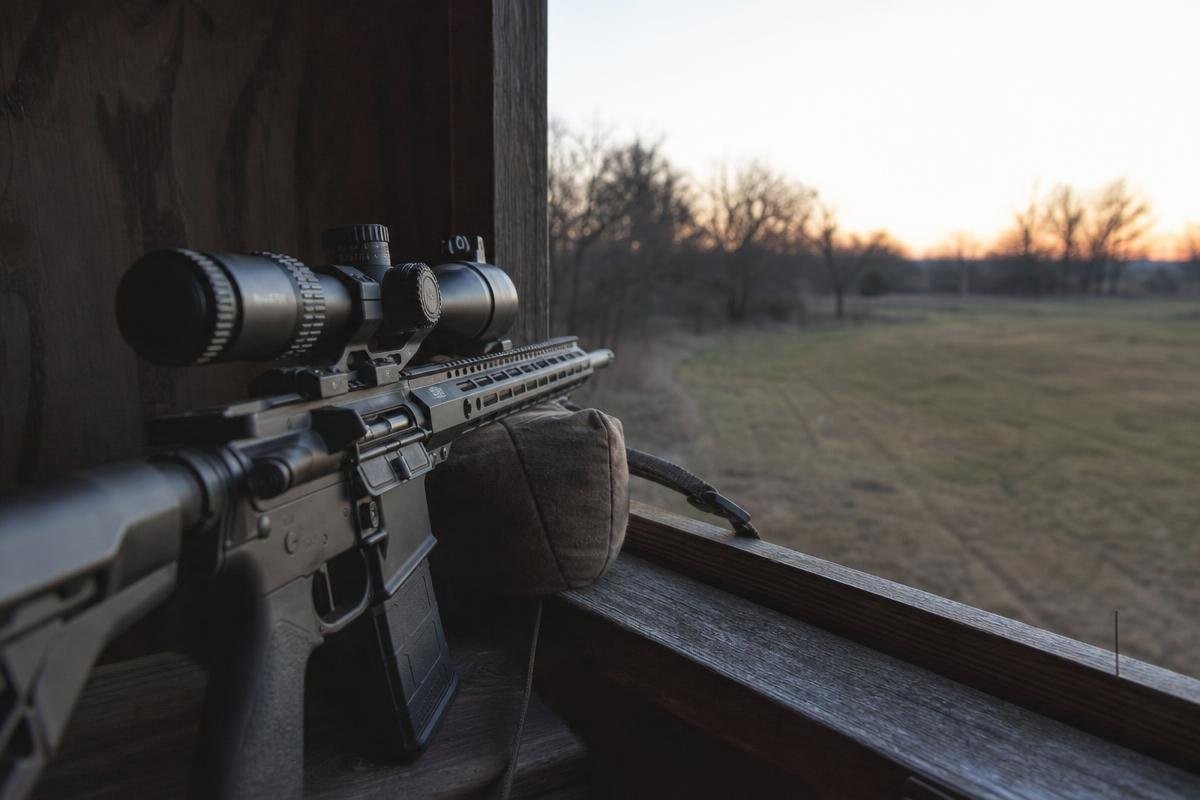
The AR-15 platform brings real advantages to the deer stand. You get a full Picatinny rail for any optic you want to run. Modular handguards let you add a bipod or light. Adjustable stocks fit different shooters and different shooting positions. Follow-up shots are faster. For deer hunters who already run an AR-15 lower for other purposes, converting to a hunting-legal 350 Legend setup is a straightforward and cost-effective move.
If you are starting from scratch and want the complete package, our complete AR-15 rifles give you a ready-to-hunt platform without piecing together components one at a time. Our 350 Legend upper guide covers barrel and twist-rate selection in detail.
Already have a lower? Drop a 350 Legend upper on it and you are ready for opening day. Call us at (888) 706-0633 and we will help you spec the right build before the season opens.
Straight-Wall Cartridge Regulations: Where Each Round Is Legal
This is where the two cartridges split hard. The 30-30 Winchester is a bottlenecked cartridge. Ohio, Michigan, Indiana, Iowa, and parts of Illinois restrict deer hunting to straight-wall cartridges only. In those states, the 30-30 is simply off the table. It does not qualify. The 350 Legend was built specifically to fill that gap, and that single regulatory fact explains most of its explosive growth in the Midwest.
If you hunt in a straight-wall-only zone, the 350 Legend is the direct answer. There is no workaround for the 30-30. A 350 Legend upper on your AR-15 gets you into those states legally, with a flat-shooting round that handles whitetail at typical timber distances without issue.
For hunters in our area, the picture is simpler. Texas and Oklahoma carry no straight-wall restriction, and both cartridges are legal for whitetail on either side of the Red River. If you are hunting creek bottoms west of Sherman or working pasture ground closer to the river, your cartridge choice comes down to ballistics and platform preference, not a regulation map.
One important note: regulations vary by state, zone, and season. Always confirm current rules with your state wildlife agency before you head out.
Ammunition Availability and Cost
The 30-30 Winchester has been in continuous production since 1895. You can find it at virtually every feed store, sporting goods shop, and big-box retailer across North America. Federal, Remington, Winchester, and Hornady all load it. Standard hunting rounds run roughly $1.50 to $2.50 per round. Rural co-ops in Sherman, Pottsboro, and Van Alstyne reliably keep it on the shelf year-round.
The 350 Legend is newer, introduced in 2019, but distribution has improved fast. Winchester, Federal, Hornady, and Remington all produce loads for it. Pricing lands in the same range, around $1.50 to $2.50 per round for standard deer loads. The gap is in rural availability. Smaller stores in more remote spots may not stock it consistently. If you are planning 350 Legend deer hunting this season, call ahead before you make the drive. Larger sporting goods stores and online retailers fill the gap easily, and stocking a few boxes before season opens is smart practice.
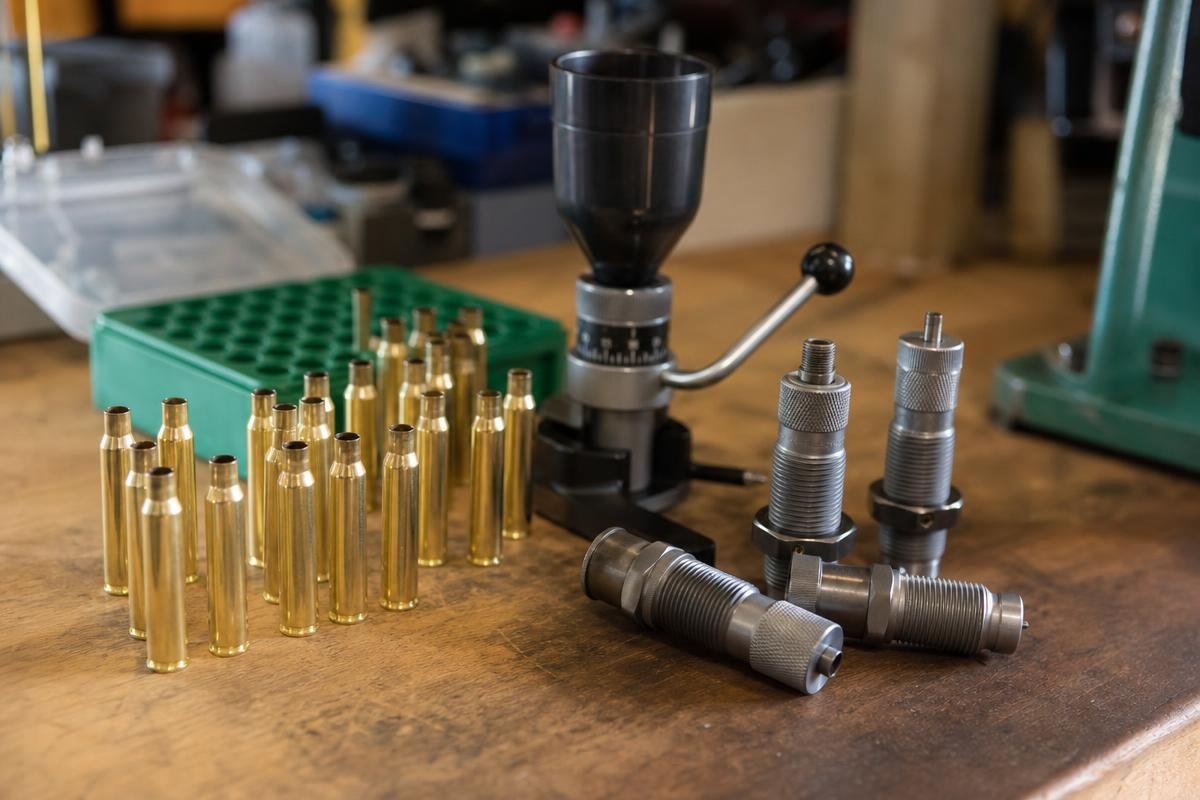
Reloading is straightforward for both. The 350 Legend uses .357-inch bullets, the same diameter as .357 Magnum and .38 Special, so component availability is excellent. The 30-30 uses .308-inch bullets, equally common. Neither cartridge will give you trouble sourcing brass, bullets, or dies. If you are ready to build your platform and want to run a 350 Legend upper on an AR-15, we have options assembled and function-checked in our shop before they ship to your door.
Hunting in North Texas: Which Cartridge Fits the Terrain?

The Cross Timbers country running through this part of North Texas gives you every kind of shot in a single morning. You might push a buck out of a cedar draw at 60 yards, then watch another cross an open food plot at 150. Both cartridges handle that range, but they handle it differently.
The 30-30 has been taking whitetails out of creek-bottom timber in this part of the country for generations. It earns that reputation in tight cover where shots stay inside 100 yards. Past that, bullet drop and limited energy become real factors you have to account for.
The 350 Legend stretches that envelope. At 150 to 175 yards on a sendero or field edge, it carries enough energy to anchor a deer cleanly, and the flat trajectory makes holdover straightforward. Drop it in a ready-to-hunt AR-15 platform and you also get faster follow-up shots and a lighter rifle for all-day carries through rough country.
One thing that does not change your decision here: both cartridges are legal for deer in Texas and Oklahoma. No straight-wall restrictions apply on either side of the Red River. If you run a lease near Pottsboro or cross over into Bryan County for a late-season hunt, you are covered with either round.
For mixed terrain where shot distance is unpredictable, the 350 Legend gives you more margin. The 30-30 is still a proven tool in the cedar breaks. Know your ground, know your shots, and pick accordingly.
If you are ready to build a 350 Legend hunting setup on your existing lower, AR15Parts.com has 350 Legend uppers headspaced, assembled, and function-checked before they ship to your door. No FFL required. Call us at (888) 706-0633 or browse our full upper selection online. We are based in Sherman, TX at 2022 S Crockett St, right in the middle of the country these cartridges were built to hunt.
Ready to Get Started with AR15Parts.com?
Call (888) 706-0633 to speak with our team directly. We're ready to answer your questions, walk you through your options, and help you find the right solution for your needs. Whether you're just starting to plan or ready to move forward, we'll make the process simple and stress-free.
Reach out today and let's talk about how we can help.