The 7.62x39 vs 308 question comes up constantly, because both cartridges fire a bullet of roughly the same caliber yet behave like completely different tools. One is a short, intermediate round born in an assault rifle. The other is a full-power rifle cartridge built for long shots and big game.
In an AR, the difference goes beyond ballistics. The 7.62x39 runs on an AR-15 sized upper, while the 308 Winchester needs a larger AR-10 platform. Our editors break down what that means for your lower, magazines, recoil, effective range and day-to-day shooting, so you can pick the upper that fits the job you actually have in mind.
Already know which way you are leaning? Start with complete, ready-to-run options.
Key Takeaways
- A 7.62x39 upper fits a standard AR-15 lower, while a 308 upper requires a dedicated AR-10 style lower receiver.
- The 308 Winchester is a full-power cartridge with far more reach and energy, while the 7.62x39 is an intermediate round best suited to shorter distances.
- Recoil, rifle weight and ammunition weight all favor the 7.62x39, which makes it easier to carry and shoot quickly.
- Each cartridge needs its own caliber-specific magazines, because neither round feeds reliably from standard 5.56 magazines.
- Choose the 7.62x39 for brush hunting, plinking and compact builds, and choose the 308 for longer-range hunting and precision work.
Two Cartridges With Very Different Origins
Both rounds use bullets in the .30 caliber family, which is why people compare them so often. The similarity mostly ends there. The numbers in each name tell part of the story: the 7.62x39 has a 39mm case, while the 308 Winchester is the commercial cousin of the 7.62x51 NATO with its 51mm case.
The 7.62x39 in Brief
The 7.62x39 was developed in the Soviet Union during the 1940s and became famous as the chambering of the SKS and AK family of rifles. It is an intermediate cartridge, meaning it sits between pistol rounds and full-power rifle rounds in size and power. It was designed for practical fighting distances rather than long-range precision.
That short, stubby case is exactly what makes it workable in an AR-15 sized receiver. It fits within the dimensions the AR-15 was built around, although it still needs a few caliber-specific parts to run well.
The 308 Winchester in Brief
Winchester introduced the 308 commercially in the early 1950s, closely tied to the military development of the 7.62x51 NATO. It quickly became one of the most popular hunting cartridges in North America and a standard choice for precision rifles. If you want the details on the military and commercial versions, read our parent shop's breakdown of 308 vs 7.62x51 NATO.
The 308 case is simply too long for an AR-15 magazine well and receiver. That is why most semi-auto ARs in 308 use the larger AR-10 pattern.
7.62x39 vs 308 in the Upper Receiver
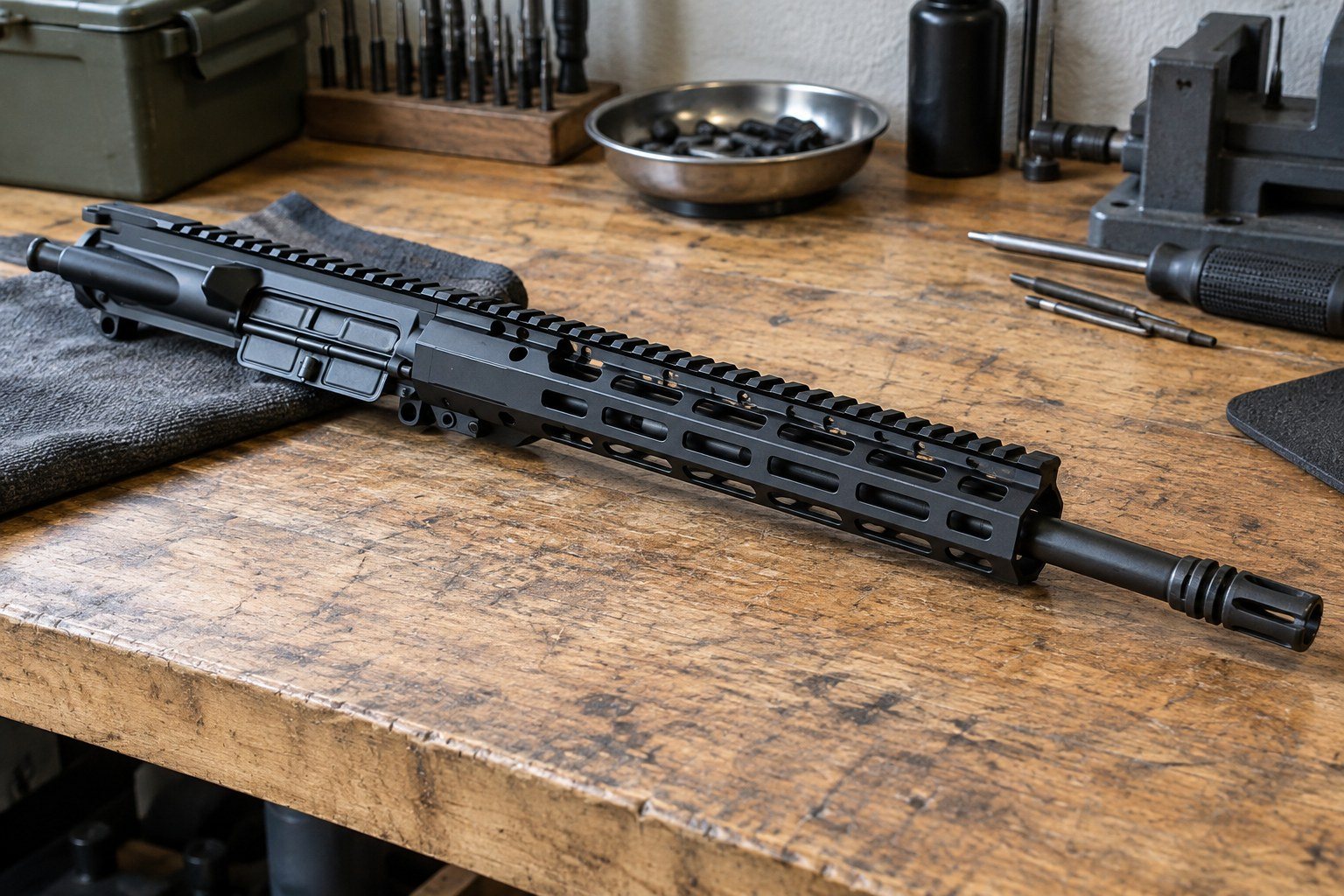
This is the biggest practical difference for builders. The cartridge you choose decides which lower receiver you need, which bolt carrier group goes in the upper and which magazines you buy.
Platform and Lower Receiver Compatibility
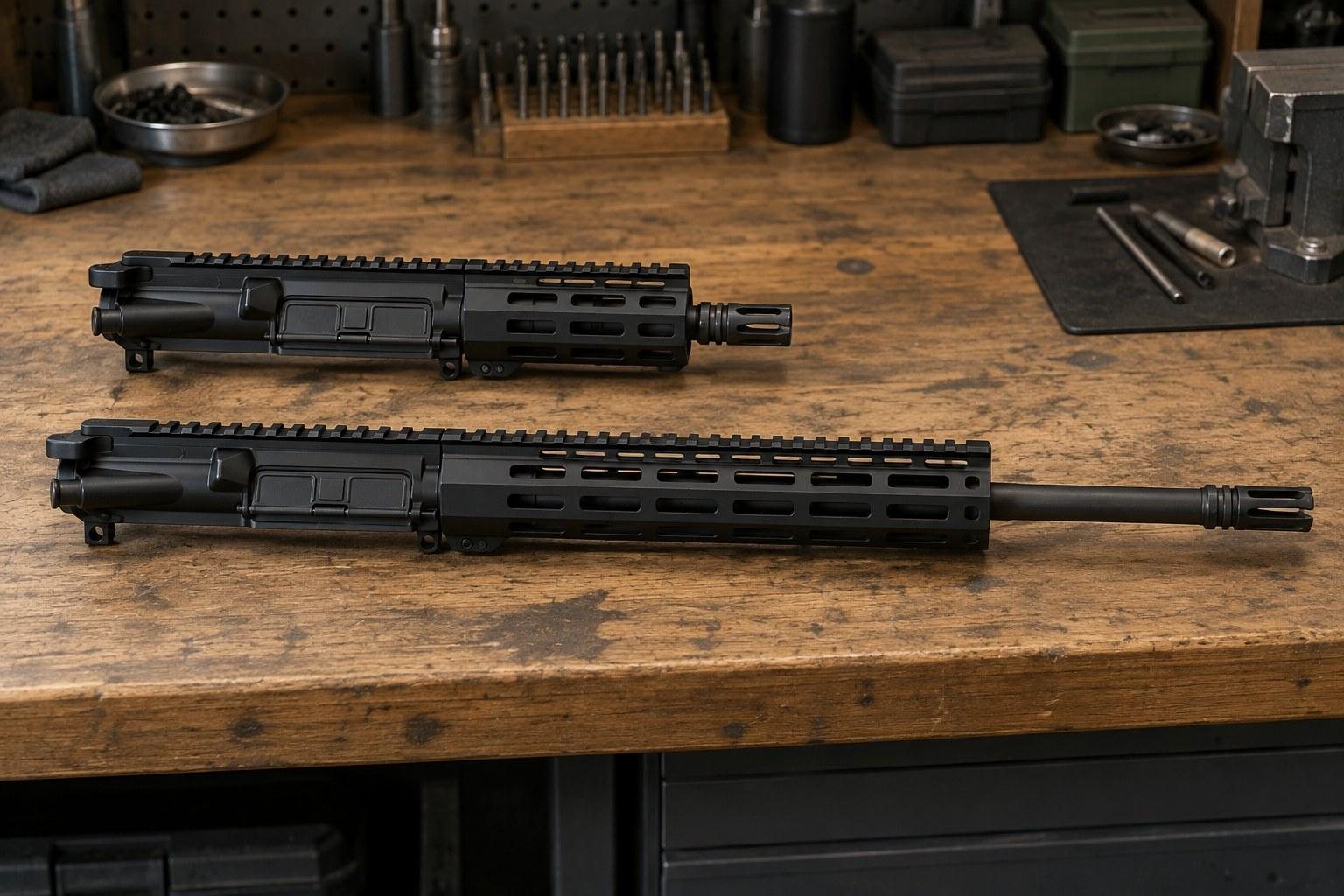
A 7.62x39 upper pins onto a standard mil-spec AR-15 lower. That is a major advantage if you already own an AR-15, because you can add a second caliber without buying a new lower. 7.62x39 AR uppers are commonly available with 10.5 and 16 inch barrels, offered both as stripped-to-the-barrel uppers and as complete uppers with a BCG and charging handle.
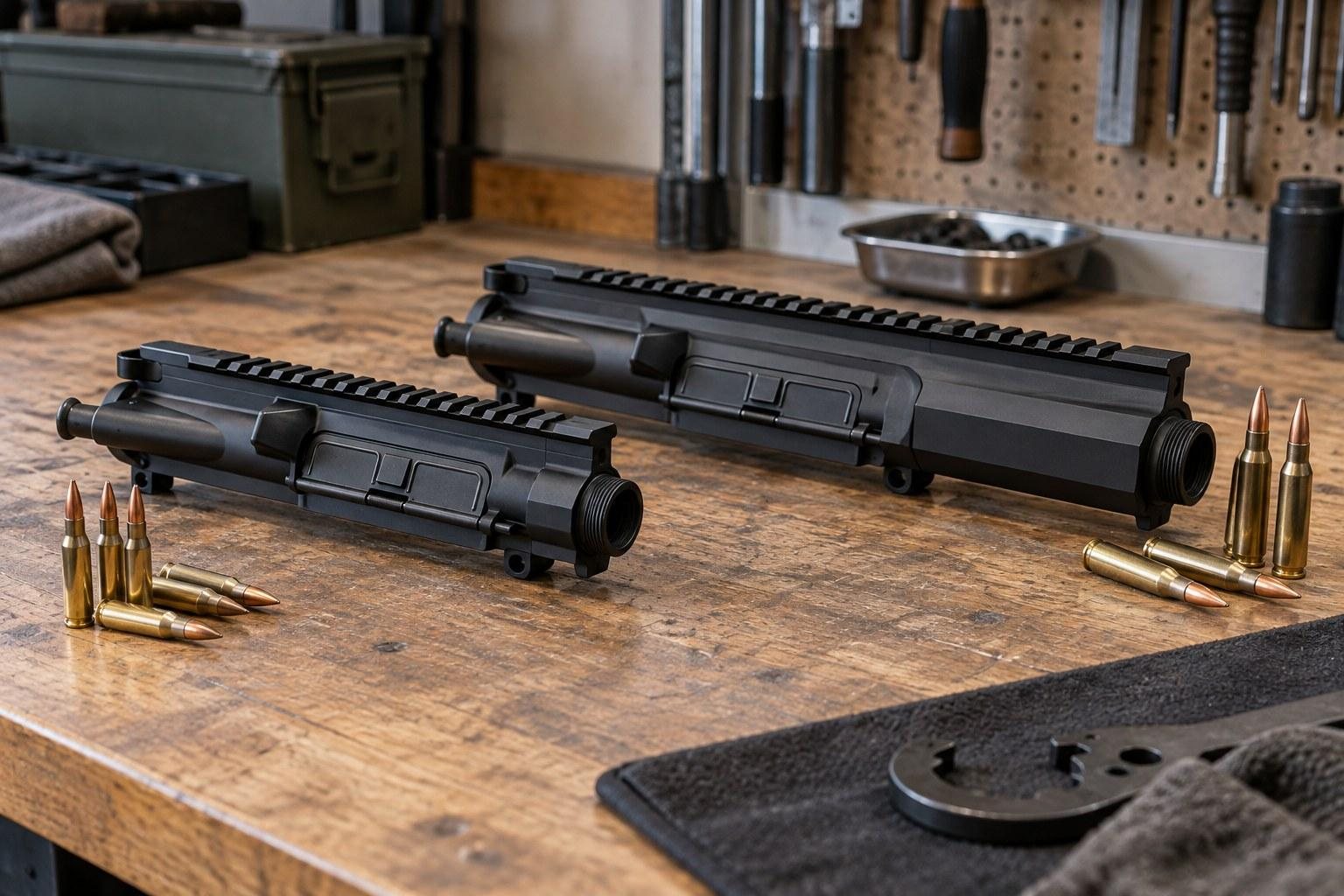
A 308 upper is larger in every dimension. It pairs with an AR-10 style lower, and AR-10 patterns are not all identical, so you should confirm your lower's compatibility with the upper manufacturer before you order. Our AR-10 308 upper buying guide covers those fitment questions in more detail.
Bolt, Extractor and Feeding
The 7.62x39 case has a larger rim diameter than the 5.56 case, so it uses a caliber-specific bolt. A 7.62x39 upper is not a matter of swapping only the barrel on a 5.56 rifle. Buying a complete upper avoids guesswork, since the bolt and barrel are matched.
Most 308 ARs use an AR-10 bolt carrier group that is larger and heavier than its AR-15 counterpart, and most major parts from one platform do not cross over to the other.
Magazines
Both cartridges need dedicated magazines. The tapered 7.62x39 case is the reason: it feeds best from a curved magazine shaped for it, not from a standard 5.56 magazine. 7.62x39 magazines are commonly available in 10 and 30 round versions. A 308 rifle needs AR-10 compatible 308/7.62x51 magazines, and those must match your lower's pattern.
Want to see how other cartridges stack up against the 308 before you commit?
Ballistics, Range and Terminal Performance
On paper, the 308 wins on almost every ballistic measure. It carries a heavier powder charge, usually launches heavier bullets and holds energy far longer downrange. The real question is whether you need that extra performance.
Velocity and Energy
Common 7.62x39 loads launch bullets that are lighter and slower than typical 308 hunting loads, and the 308 delivers substantially more energy at the muzzle and beyond. Exact numbers vary widely by bullet weight, construction and barrel length, so check the published data for the specific load you plan to shoot. Ammunition makers list velocity and energy on the box and their websites, and that is the only figure that applies to your rifle.
Trajectory and Effective Range
The 7.62x39 has a looping trajectory compared with the 308. Its bullets lose velocity faster and drop more as distance grows, which is why most people treat it as a short to moderate range cartridge. In thick woods, brush and typical deer stand distances, that limitation rarely matters.
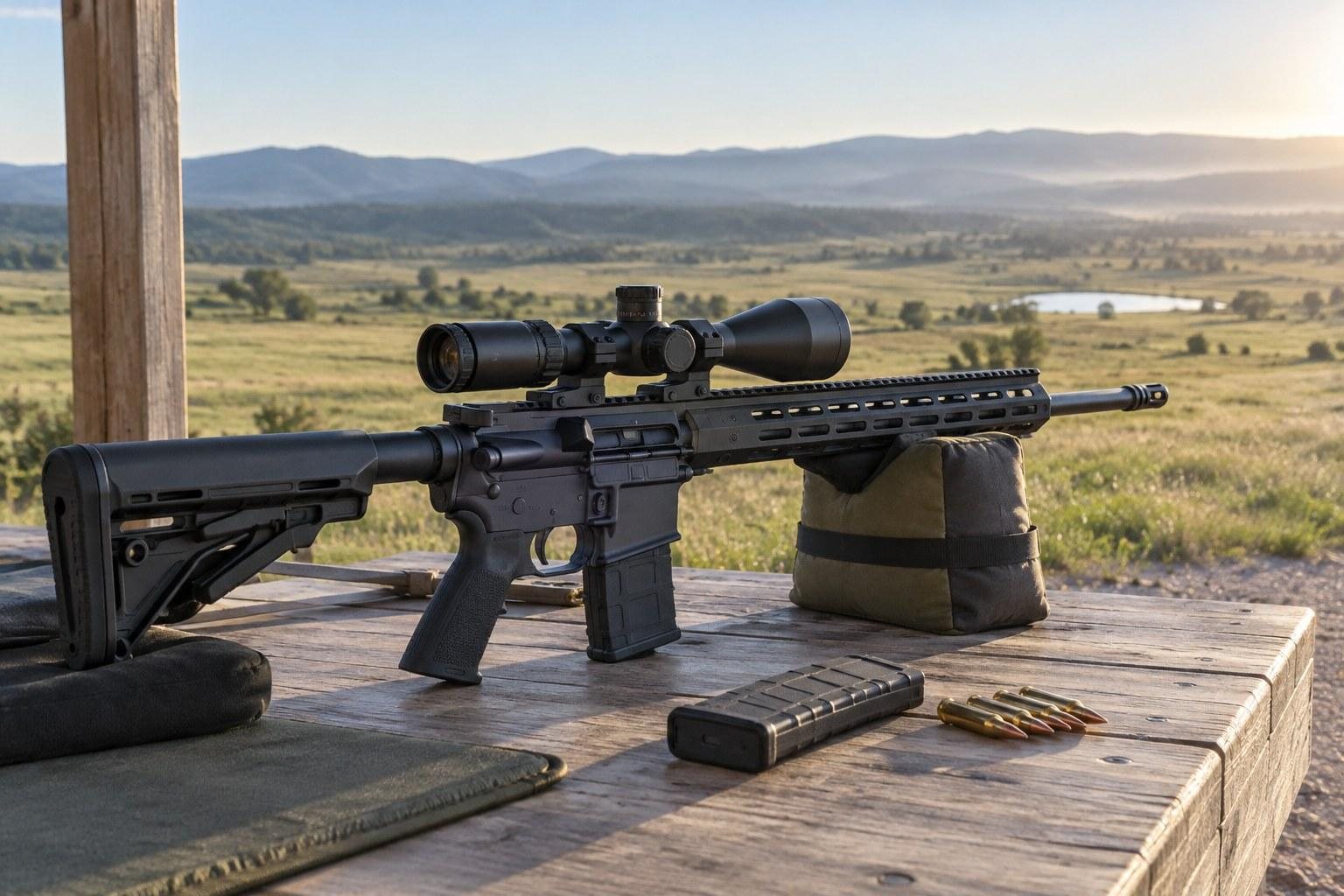
The 308 shoots flatter and bucks wind better, especially with heavier, higher ballistic coefficient bullets. It is well suited to open country, longer hunting shots and steel target work at extended distance.
Hunting Suitability
With a quality expanding bullet and sensible distances, the 7.62x39 is used for deer-sized game and hogs. The 308 handles the same game at longer range and with more margin, and it is also used on larger animals such as elk with appropriate bullets and shot placement. Always confirm your state wildlife agency's rules on legal cartridges, magazine capacity and semi-auto use before the season.
For a closer look at both rounds in the field, see our parent shop's article on hunting with the 7.62x39.
Side by Side Comparison
This table summarizes the practical differences to weigh when choosing between the two uppers.
| Factor | 7.62x39 Upper | 308 Upper |
|---|---|---|
| Platform | AR-15 size | AR-10 size |
| Lower receiver | Standard AR-15 lower | AR-10 style lower (check pattern) |
| Cartridge class | Intermediate | Full-power rifle |
| Case length | 39mm | 51mm |
| Recoil | Mild | Noticeably heavier |
| Practical range | Short to moderate | Moderate to long |
| Rifle weight | Lighter | Heavier |
| Magazines | Dedicated 7.62x39 magazines | AR-10 pattern 308 magazines |
| Common barrel lengths | 10.5 and 16 inch | 16, 18, 20 and 24 inch |
| Best fit | Brush hunting, plinking, compact builds | Open-country hunting, precision, long range |
Recoil, Weight and Handling
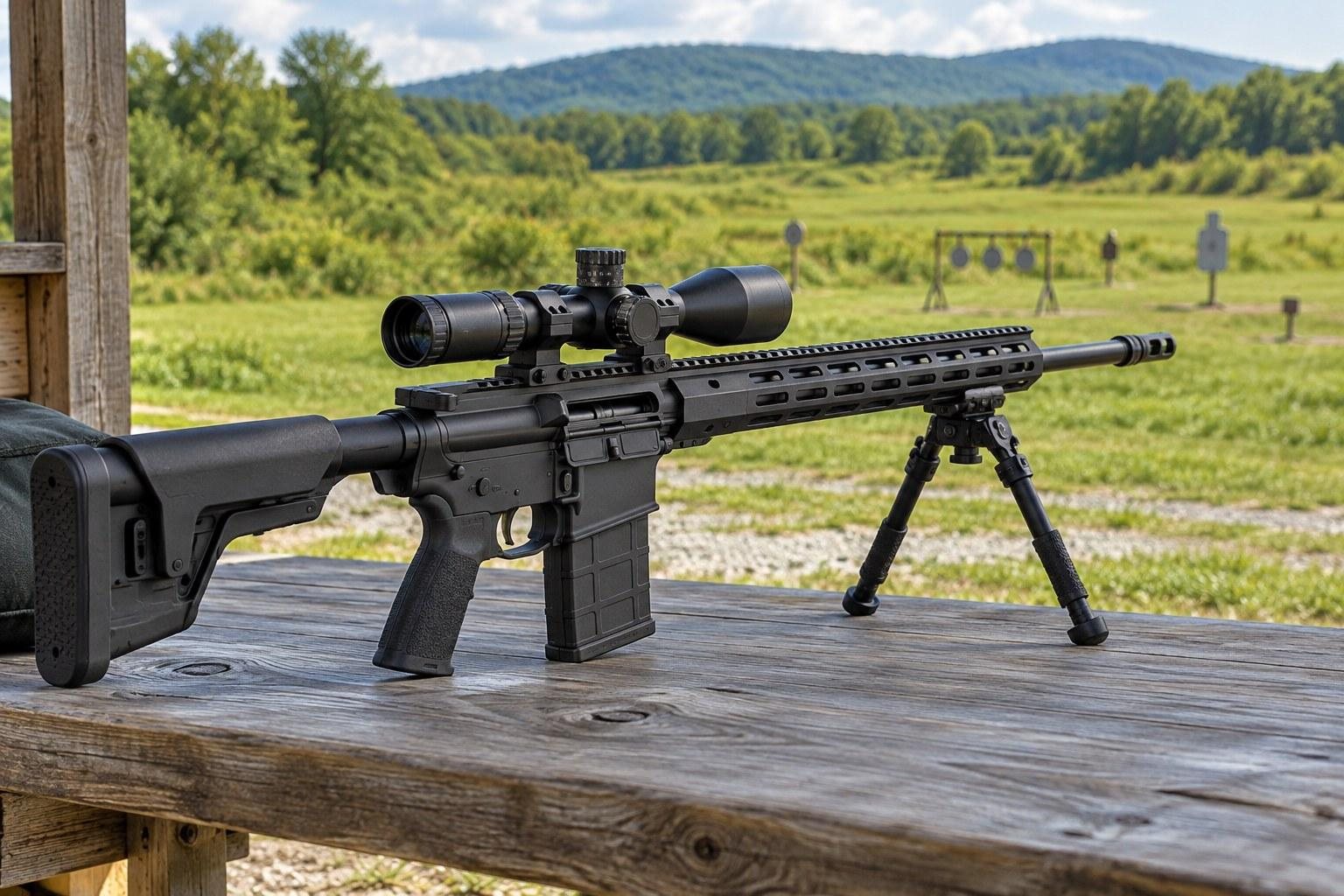
How a rifle feels after a full day at the range or in the woods matters as much as the numbers on a ballistic chart. Here, the smaller cartridge has a clear edge.
Shooting Comfort
The 7.62x39 recoils more than a 5.56 but far less than a 308. Follow-up shots are quick, and newer shooters generally handle it well. The 308 delivers a firmer push, and while a heavier rifle and a good muzzle device help, it remains a more demanding cartridge to shoot fast.
Carry Weight
Because the AR-10 receiver, bolt carrier and barrel are all larger, a 308 rifle is heavier than a comparable 7.62x39 build. The ammunition is heavier and bulkier too. If you hike long distances or want a light truck or ranch rifle, that weight difference adds up fast.
Barrel Length and Compact Builds
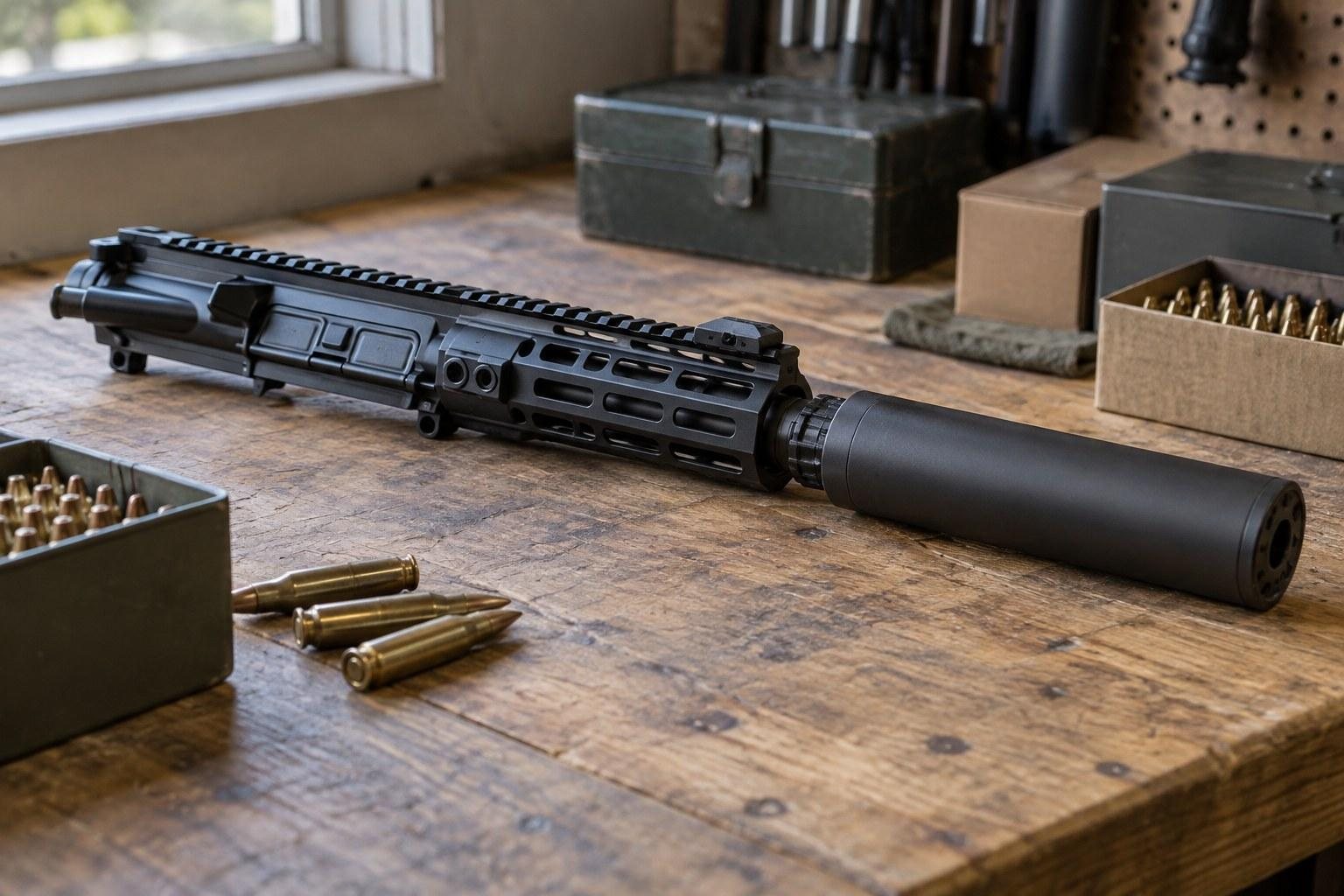
The 7.62x39 has a reputation for working well in shorter barrels, which suits compact builds. Keep the law in mind: a rifle barrel under 16 inches on a rifle, or an overall length under 26 inches, makes a short-barreled rifle that requires ATF registration under the National Firearms Act. Since January 1, 2026 the federal tax on SBRs is $0, but registration is still required, and state and local laws vary.
Barrels, Accuracy and Cost of Ownership
The barrel you pick shapes how either upper performs. The two calibers tend to attract very different barrel designs.
What the Barrels Look Like
7.62x39 barrels are commonly heavy-profile, chrome-lined 4150 barrels with a parkerized finish, a 1:10 twist and 5/8x24 muzzle threads, often offered in 10.5 and 16 inch lengths. That setup favors durability and steady shooting over pure precision.
308 uppers commonly use barrels from makers such as Ballistic Advantage, Wilson Combat and Shaw, ranging from 16 inch up to 24 inch, with a 1:10 twist and 5/8x24 threads. Fluted stainless and bull profiles are common options aimed at accuracy and longer shots.
Accuracy Expectations
The 308 is widely used in precision rifles and benefits from a broad selection of match-grade ammunition. The 7.62x39 is typically shot with practical, general-purpose ammunition, and many shooters treat it as a working rifle rather than a tack driver. Your results depend on the barrel, the load and your optic, so test a few loads before judging either one. A careful barrel break-in routine is optional, but it helps you learn how a new barrel settles in.
Ammunition and Running Costs
Ammunition prices move constantly, so we will not quote figures here. In general, 7.62x39 has a reputation as an affordable plinking round, while quality 308 hunting and match ammunition tends to cost more per shot. Check current prices from several retailers before deciding, since availability shifts over time.
Which Upper Should You Choose?
When you narrow the 7.62x39 vs 308 decision down to how you will use the rifle, the answer usually becomes clear.
Choose a 7.62x39 Upper If
- You already own an AR-15 lower and want a second caliber without a new lower.
- Your shots are mostly in woods or brush at shorter distances.
- You want low recoil, light weight and a compact, handy rifle.
- You plan to shoot a lot and want an economical plinking round.
Choose a 308 Upper If
- You hunt open country where longer shots are common.
- You want a precision rifle for steel or long-range targets.
- You hunt larger game and want more energy and margin.
- You already own, or plan to buy, an AR-10 style lower.
Before you install any upper, make sure the firearm is unloaded, follow the manufacturer's instructions and talk to a qualified gunsmith if you are unsure about fit or function. Complete uppers from AR15Parts.com are assembled in-house, headspaced and function-checked before they ship.
Still comparing the 308 with other options? Our editors also cover the 6.5 Grendel vs 308.