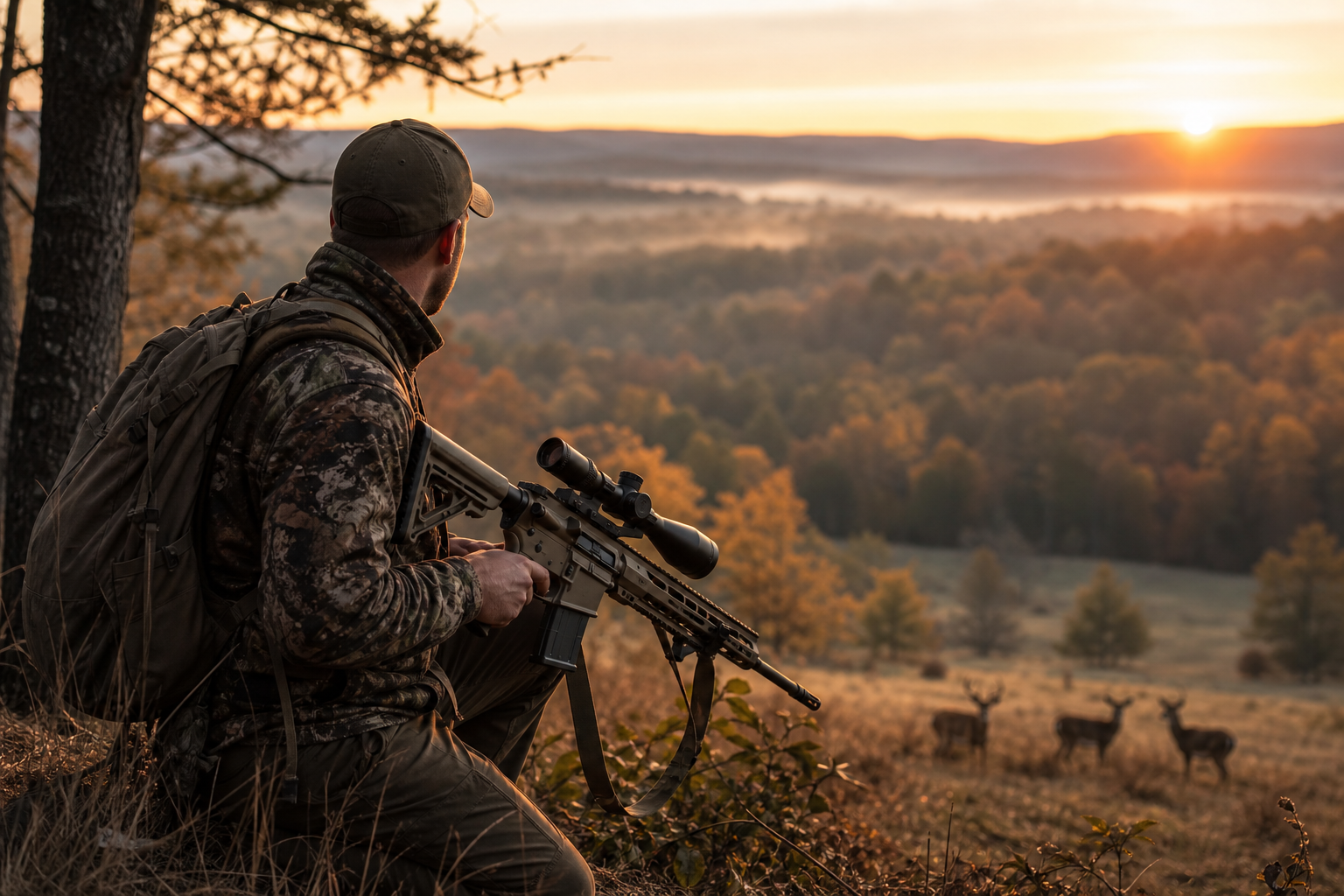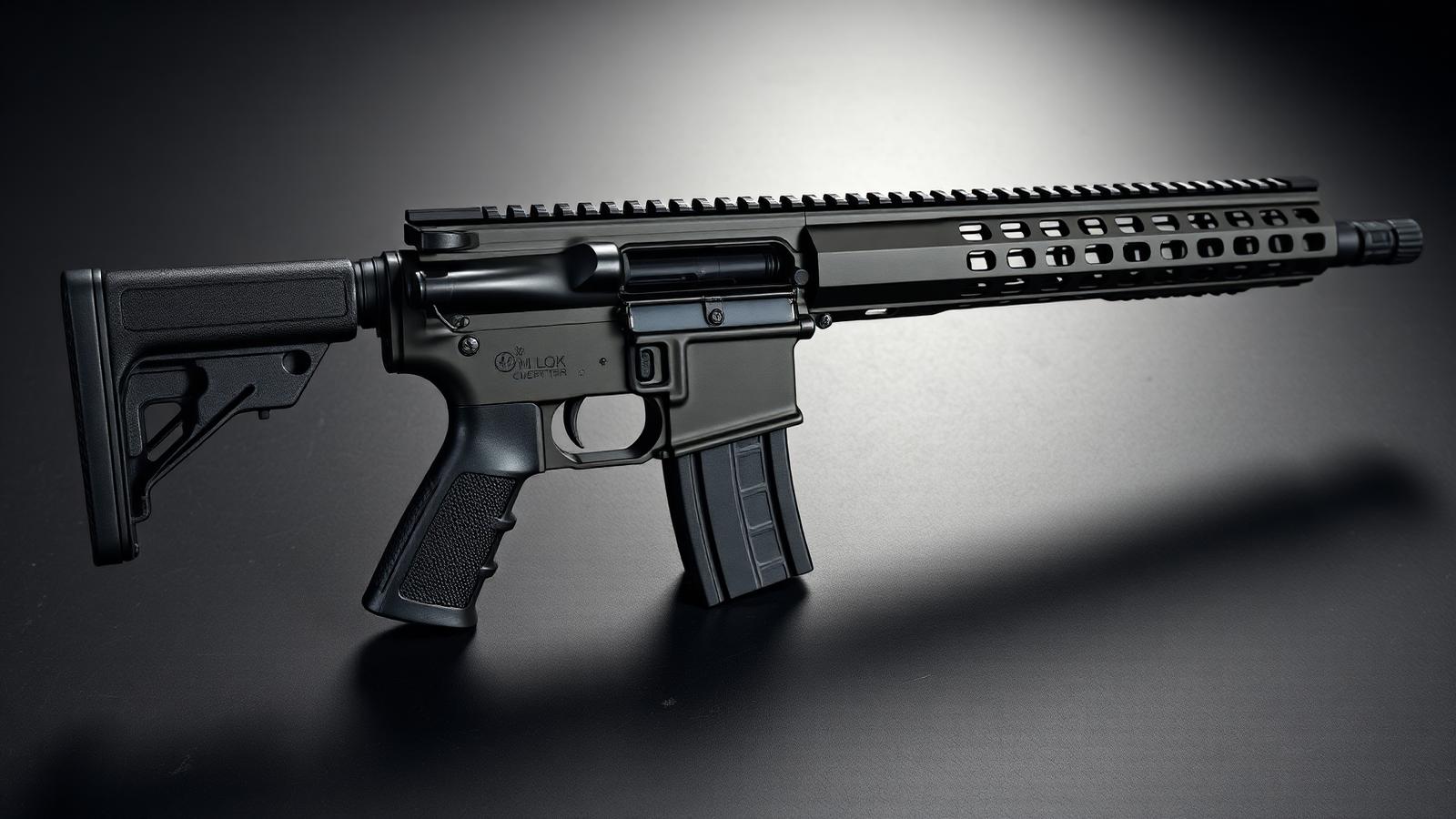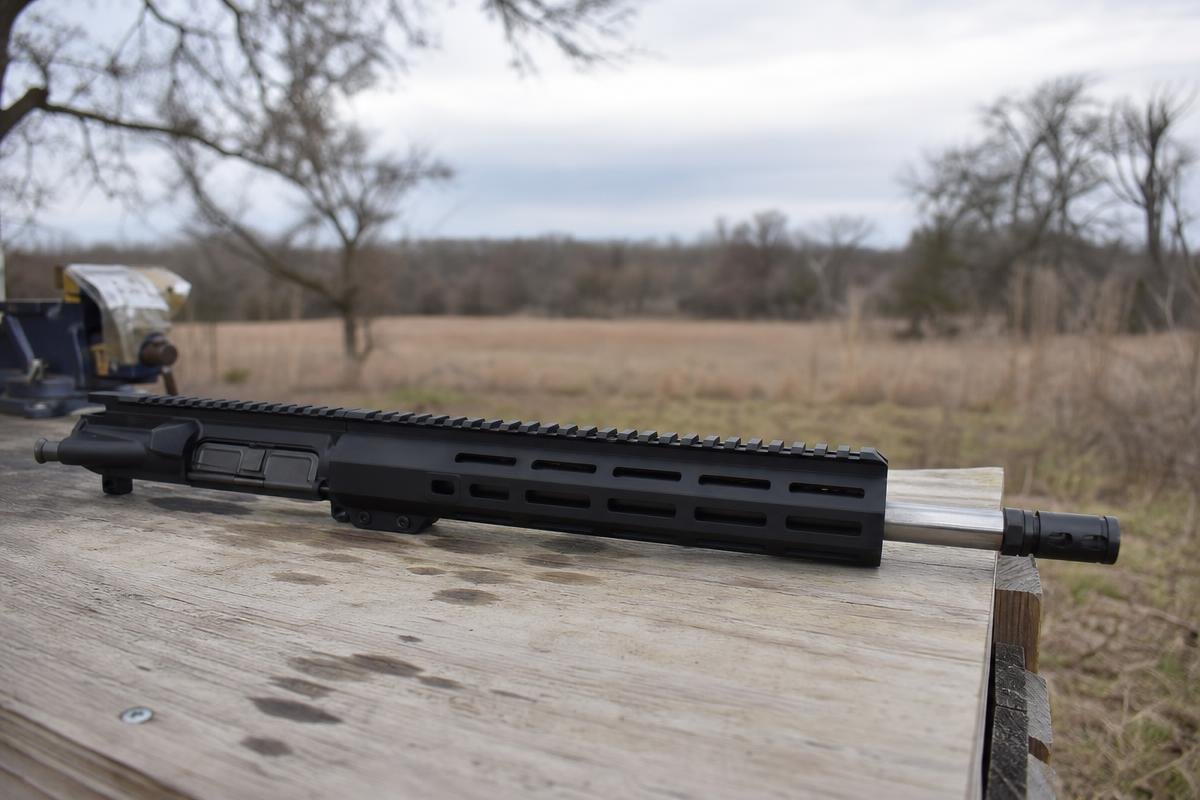
If you're hunting hogs in the Red River bottomlands or running a precision tactical build, the 338 ARC delivers something most AR-platform cartridges can't: genuine 500-yard capability out of a standard AR-15 lower. AR15Parts.com, based in Sherman, builds complete 338 ARC uppers to order using barrels from Ballistic Advantage, Faxon, and Wilson Combat.
Each one is assembled, headspaced, and function-checked in our shop before it ships directly to your door, no FFL required. These are among the top 338 ARC uppers for hunting and tactical builds available online, and none of them come pulled off a shelf. Ready to build your 338 ARC upper? Tell us your specs and we'll get it done.
Why AR15Parts.com Builds These to Order
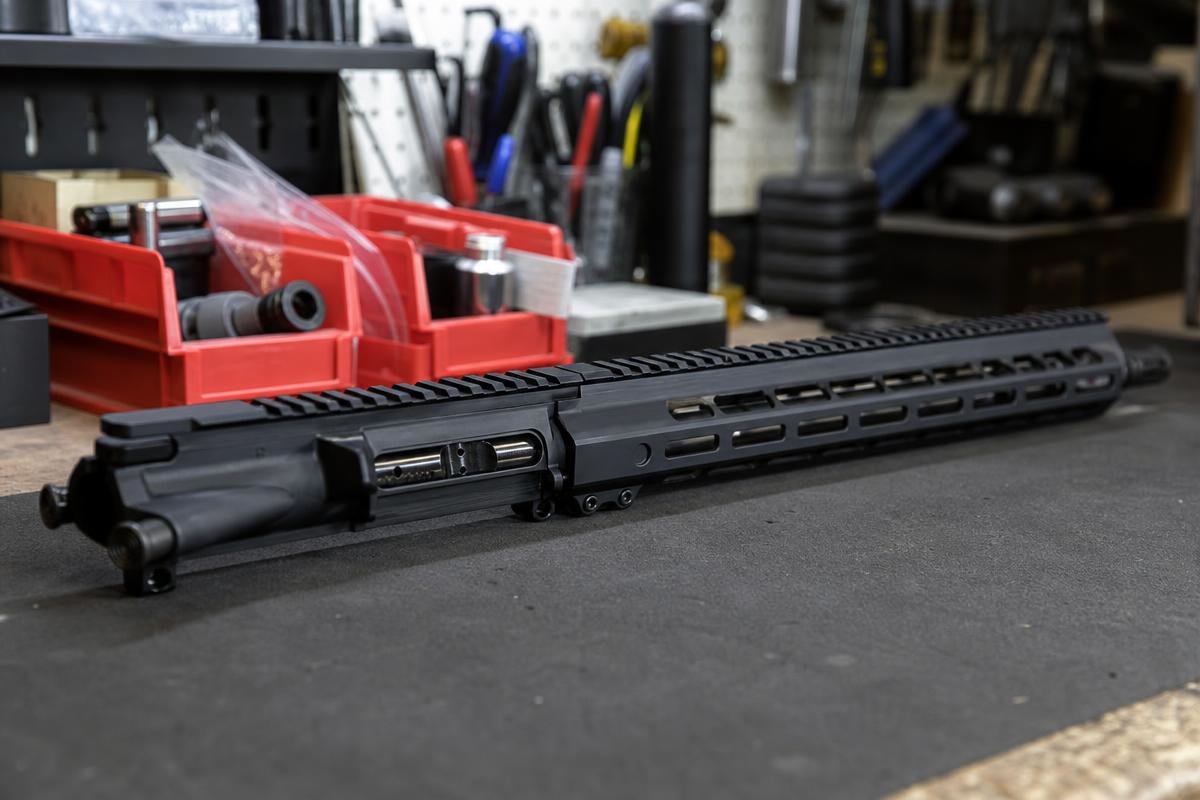
AR15Parts.com builds complete 338 ARC uppers to order for hunters and precision shooters who want real long-range capability on a standard AR-15 platform. Hornady developed the 338 ARC to push .338 caliber bullets from 185 to 300 grains, bridging the gap between 6.5 Creedmoor and .338 Lapua without requiring a proprietary rifle. It has drawn serious attention in recent years from both whitetail and hog hunters across North Texas and from tactical precision shooters who need a hard-hitting, magazine-fed option past 500 yards.
Here you'll find how hunting and tactical builds differ in barrel length, gas system, and handguard selection. We assemble each upper to your specifications, then verify it in-house before it leaves the bench, so what arrives at your door is a proven working unit rather than a box of parts.
What Makes the 338 ARC a Strong Choice for Hunting and Tactical Use?
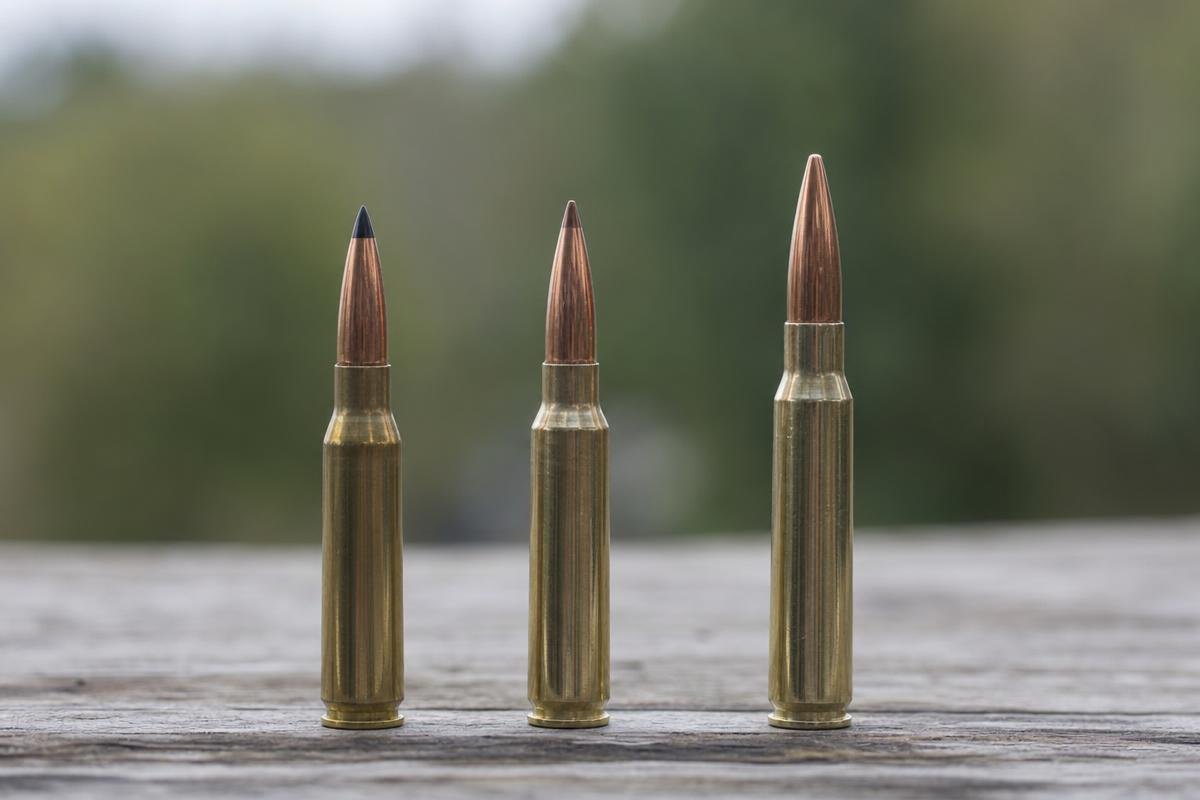
The .338 ARC was designed from the ground up to push a large-diameter bullet to genuine long-range velocities from an AR-platform upper. A 250-grain .338 projectile leaves an 18-inch barrel at roughly 2,550 fps and still carries over 1,800 ft-lbs of energy at 500 yards. That matters in Grayson County, where the open pastures and flat terrain near Hagerman National Wildlife Refuge make 300 to 500-yard shots on feral hogs and whitetail a realistic scenario, not an edge case.
Ballistics That Work Past 500 Yards
The 6.5 Creedmoor shoots flatter at moderate distances and carries a lighter bullet, which helps in wind. But past 400 yards, the 338 ARC's higher sectional density and superior ballistic coefficient deliver more retained energy on target. The .308 Win offers wider ammunition availability and a lighter overall platform. Where the .308 starts losing steam past 400 yards, the 338 ARC keeps pushing.
For hunters asking whether the cartridge justifies the cost over a .308 AR-10 they already own, the honest answer is this: if your shots stay inside 300 yards, the .308 is fine. If you're shooting across open pasture at 400 to 500 yards, the 338 ARC is the better tool. Our complete 338 ARC uppers are built around that extended-range capability.
If you want to see how the platforms stack up side by side, our .308 Win uppers page lays out the barrel and configuration options for context on velocity and gas system tradeoffs.
The Magazine Compatibility Question
This is where the cartridge asks something of you. It uses dedicated 338 ARC magazines (STANAG-compatible). Hornady produces them, and a small number of aftermarket manufacturers are catching up. Availability is improving but still more limited than what you find for .308 or 6.5 Creedmoor. That is a real consideration before you commit to the platform.
It is not a dealbreaker, but go in with clear expectations. Stock up on dedicated magazines when you order your upper so you are not chasing them down later. Ready to order your upper with dedicated magazines? Contact us to bundle your build so everything arrives together.
Hunting Builds: What to Look for in a 338 ARC Upper
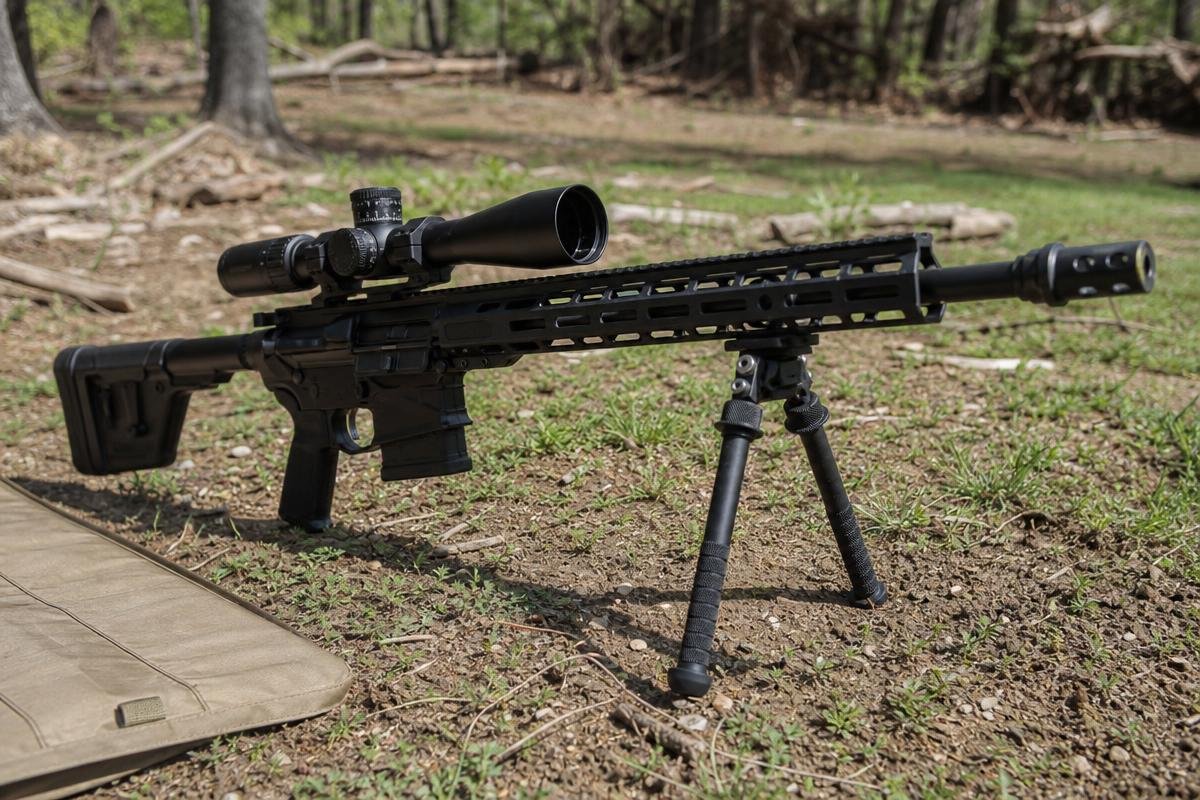
Building the best hunting upper starts with three decisions: barrel length, handguard profile, and gas system. Get those right and you have a rifle that shoots flat past 300 yards, cycles reliably with heavy hunting loads, and doesn't punish you on a long stalk. Get them wrong and you're fighting the gun instead of the game.
Barrel Length and Twist Rate for Hunting
For whitetail and feral hogs in Grayson County, an 18-inch barrel is the right call. You get near-full velocity with a 250-grain projectile, which is exactly what you need for ethical kills on deer in creek-bottom fields or hogs out past 300 yards on open ranch ground. A 20-inch barrel adds 50 to 80 fps, but it becomes a liability in dense brush on a stalk.
Twist rate depends on your load. A 1:10 twist stabilizes 250 to 300-grain hunting bullets, which covers most whitetail and hog applications. If you're running lighter 185-grain predator loads for coyotes, a 1:8 twist handles those better. We stock barrels from Faxon and Ballistic Advantage, and both are available in the twist rates that match real hunting use. See our complete 338 ARC uppers to check current barrel configurations.
Handguard and Profile Choices for Field Use
A free-float M-LOK handguard in the 15-inch range is the practical choice for a hunting build. It clears the gas block, gives you a solid bipod attachment point, and lets you run a sling without putting pressure on the barrel. That matters for accuracy at distance. Pair it with a lightweight pencil or government-profile barrel and your scoped rifle stays under 9 pounds, which is manageable on a long walk across the open pasture around the Eisenhower State Park area.
Gas System Length: Matching the Barrel
An 18-inch 338 ARC barrel requires a rifle-length gas system, which means a 15-inch gas tube. The longer dwell time slows bolt velocity, reduces felt recoil, and gives heavier .338 projectiles time to fully exit the barrel before the bolt starts moving. That combination matters for reliable cycling with 250-grain and heavier hunting loads.
A mid-length gas system on an 18-inch barrel can work, but it requires a heavier buffer to tame bolt speed. If you want a simpler, more predictable setup, go rifle-length from the start. If you're comparing this platform against other long-range AR options, our 308 Win complete uppers give you a useful point of reference on gas system tradeoffs at similar barrel lengths. Want help matching barrel length, twist, and gas system to your hunting ground? Call us and we'll spec it with you.
Tactical Builds: Configuring a 338 ARC Upper for Precision and Duty Use
A tactical build is a different animal than a hunting setup. You are building for repeatable precision at distance, hard use, and in many cases a suppressor host. The wide, flat pasture country of northern Grayson County makes 800-plus yard precision shooting realistic for North Texas shooters. That range demands specific choices in your 338 ARC upper receiver configuration.
Barrel Length Tradeoffs for Tactical Roles
Hornady developed the cartridge around a 24-inch test barrel. In the real world, 18 and 20-inch barrels are the practical ceiling for a tactical platform. A 16-inch barrel costs you 100 to 150 fps over an 18-inch, and that difference compresses your supersonic envelope noticeably past 800 yards. For a dedicated precision role, 18 inches is the minimum. Twenty inches gives you the full velocity window without building a rifle that handles like a fence post.
BCG Selection and Coating for Hard Use
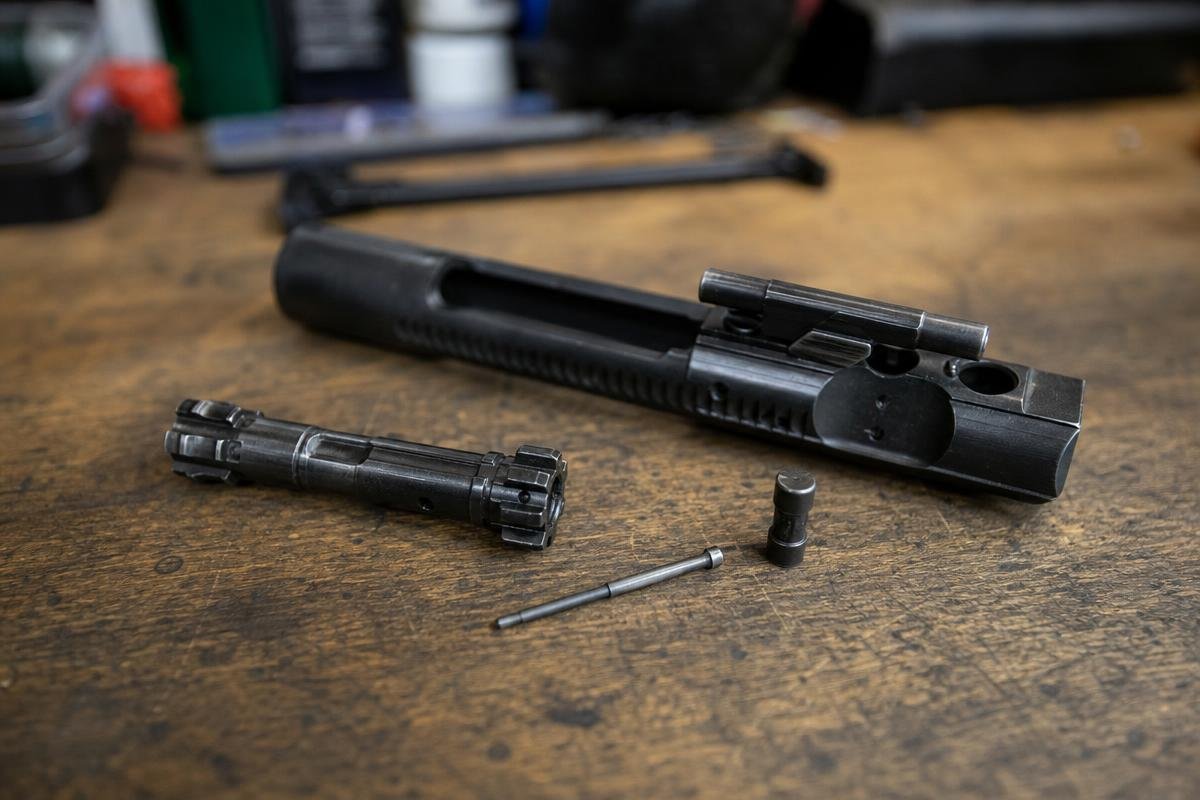
The 338 ARC requires a dedicated bolt. It does not run on a standard .308-compatible bolt carrier group. Get that right before anything else. For coating, you have three real options. Nitride (salt bath) gives solid corrosion resistance at the lowest cost and holds up well in field conditions. Nickel boron runs cleaner and wipes down faster after a long range session.
DLC (diamond-like carbon) is the hardest wear surface available and the right call for a duty or high-round-count build. For a full breakdown of how these coatings compare, our AR-15 BCG coating guide covers each option in detail.
Muzzle Device Choices: Brake vs. Suppressor-Ready
The 338 ARC generates more felt recoil than .308 Win and less than .338 Lapua. A quality muzzle brake reduces felt recoil by 30 to 40 percent. That matters when you are calling your own shots at distance. For suppressor-ready builds, 5/8x24 is the standard thread pattern on these barrels.
You can run a direct-thread suppressor or a muzzle brake with a quick-detach mount and cover both roles. If you are planning a suppressed setup, read through our notes on 338 ARC suppressor host configuration before you spec the muzzle device.
Pick your role first. Then build backward from it.
How We Build 338 ARC Uppers to Order
Every complete upper we ship starts on a workbench in Sherman, Texas, not in a warehouse fulfillment center. AR15Parts.com builds each upper to your exact specifications, not pulled off a shelf. That distinction matters when you are running a cartridge with the chamber tolerances the 338 ARC demands.
Assembly, Headspacing, and Function-Check Process
We headspace every upper with go and no-go gauges cut specifically for the 338 ARC chamber. If it does not pass, it does not ship. After headspacing, we function-check the bolt to confirm it locks, extracts, and ejects correctly. You receive an upper that has already been proven to work before it reaches your door.
This is not a drop-ship operation. We build and test each upper in-house, then ship complete uppers directly to customers across Texas and beyond. No FFL required. The upper ships straight to your door.
Component Brands and Configuration Options
We source barrels from Faxon, Ballistic Advantage, and Satern. These are the names serious builders trust for consistent chamber dimensions and accurate rifling. Handguards are available in 12-inch, 15-inch, and 17-inch M-LOK configurations to match your intended use, whether that is a compact hog hunting setup or a full-length precision build.
When you order, you choose the barrel length: 16, 18, or 20 inches. You pick the profile, lightweight, government, or heavy. You select the finish, nitride or stainless. If you want a full build instead of just a top end, browse our complete rifles page. We also carry complete AR uppers in 19-plus calibers if you are comparing the 338 ARC against other options before you commit.
Ready to spec out your 338 ARC upper? Call us at (888) 706-0633 and we will walk you through every configuration option before you order.
338 ARC vs. Other Long-Range AR Cartridges: Picking the Right Upper
Not every long-range cartridge fits every build or every shooter. Here is a straight comparison so you can pick the right upper without second-guessing yourself later.
338 ARC vs. 5.56 NATO
The 5.56 NATO runs in a standard AR-15 lower, costs far less per round, and is the right call for close-range predator control and high-volume shooting. Past 500 yards, the picture changes. The 338 ARC carries significantly more energy downrange and holds a better ballistic coefficient at distance. The tradeoff is real: the bigger cartridge requires a standard AR-15 lower, heavier magazines, and a higher per-round cost.
Decision: Choose 5.56 for coyotes inside 300 yards. Choose 338 ARC when you need terminal performance at distance on larger animals or hard targets.
338 ARC vs. 6.5 Creedmoor
The 6.5 Creedmoor has a high ballistic coefficient and is cheaper to feed. It handles deer-sized game inside 400 yards without issue. Where the 338 ARC separates itself is terminal energy on large hogs and elk-class animals past 400 yards in open terrain. Think flat pasture country west of Denison near the Hagerman refuge, where 400 to 500 yard shots are realistic.
The bigger bore hits harder at that range. Is it worth the platform cost? If you are hunting large game at distance, yes. If you are shooting deer inside 400 yards, the 6.5 Creedmoor is a more economical choice.
Decision: 6.5 Creedmoor for deer at moderate range. The best hunting configuration of the 338 ARC earns its keep on large hogs and heavier animals where energy retention matters most.
338 ARC vs. 308 Win
The .308 Win is the most available and affordable AR-10 cartridge on the market. Our 308 Win complete uppers are a popular choice for that reason. The 338 ARC exceeds the .308 in ballistic coefficient and retains more energy at extended range. The .308 makes more sense when ammunition cost and availability are the priority, or when shots stay inside 400 yards. For a tactical build pushing past that, the bigger bore wins on raw ballistic performance.
Decision: .308 Win for budget-conscious builds and general use. 338 ARC when long-range performance is the requirement, not the bonus.
338 ARC in North Texas: Hunting and Long-Range Shooting Context
The terrain around Denison is built for this cartridge. Open pastures, creek-bottom fields, and the flat ground near the Hagerman National Wildlife Refuge outside Pottsboro put hunters at 300 to 500 yards on a regular basis. Feral hogs, coyotes, and deer are the primary targets in this part of Grayson County, and the cartridge handles all three cleanly. The 250-grain load carries enough energy for clean kills on deer past 400 yards, which is a realistic shot on the open ground here.
The country north of Denison toward the Red River runs wide and flat. Hog hunters working that ground will tell you that 400-yard shots happen before breakfast. A 308 Win upper gets the job done inside 300 yards, but the 338 ARC gives you a meaningful edge at distance without stepping up to a different platform.
If you want a full breakdown of how the cartridge performs in the field, read our complete 338 ARC upper page for specs and configuration options.
We ship directly to customers across the Dallas, Fort Worth, Plano, and Frisco corridor, roughly 75 miles south of us. No FFL required. Order online, and it ships to your door.
Ready to order? Call us at (888) 706-0633 or browse our complete lineup of 338 ARC uppers for hunting and tactical builds. Every upper we ship is verified in our Sherman shop before it leaves the door, built to your exact specifications, not pulled off a shelf.