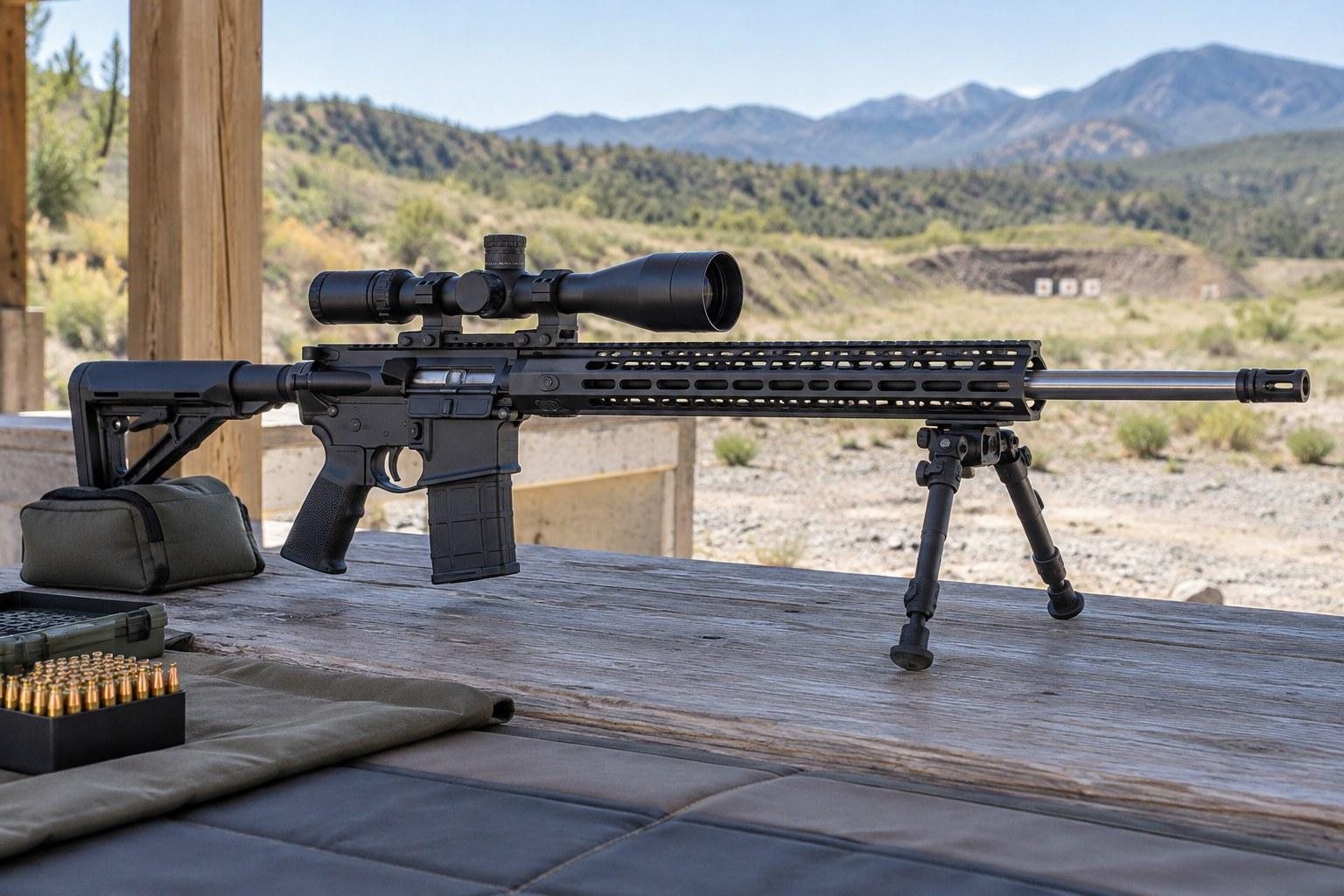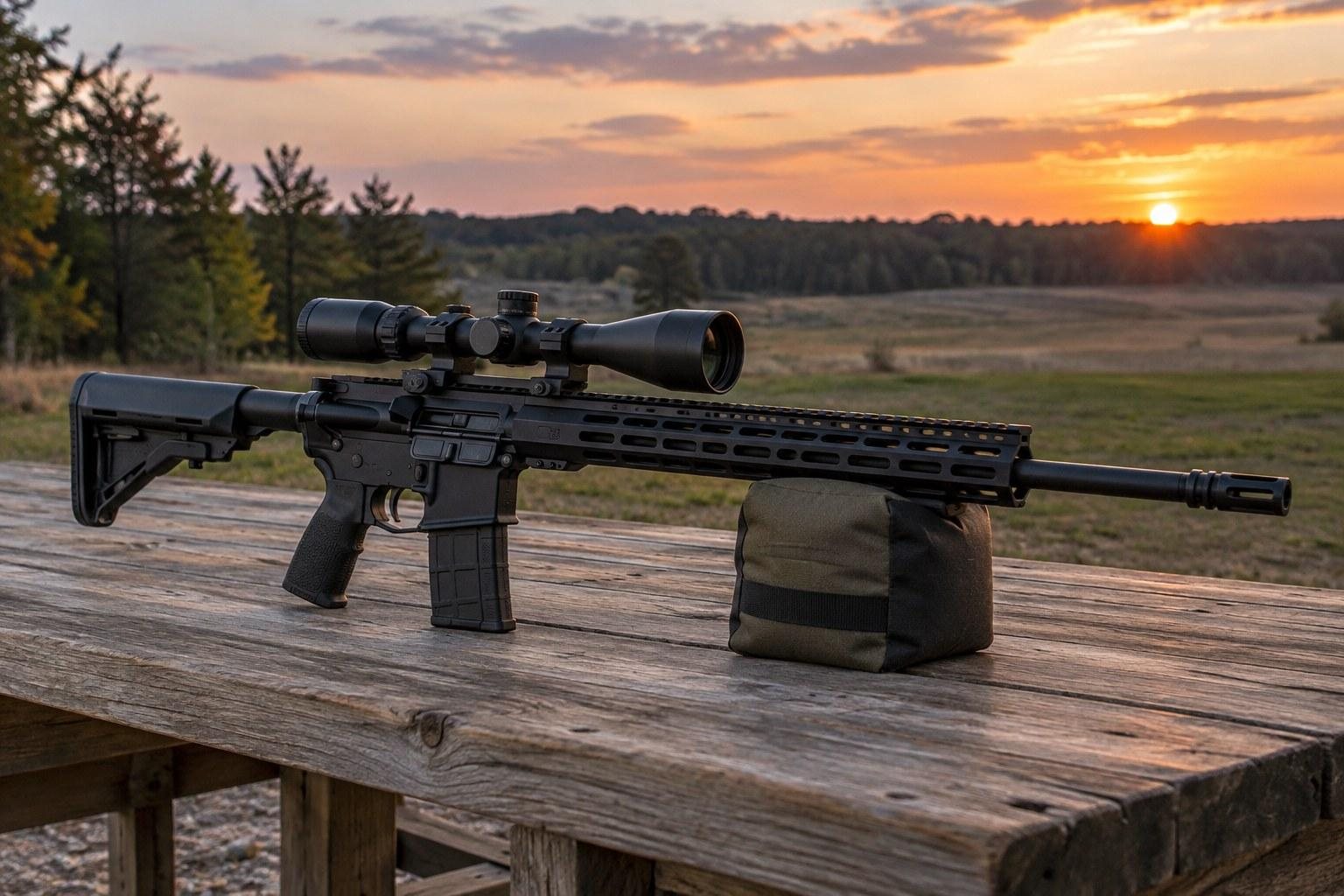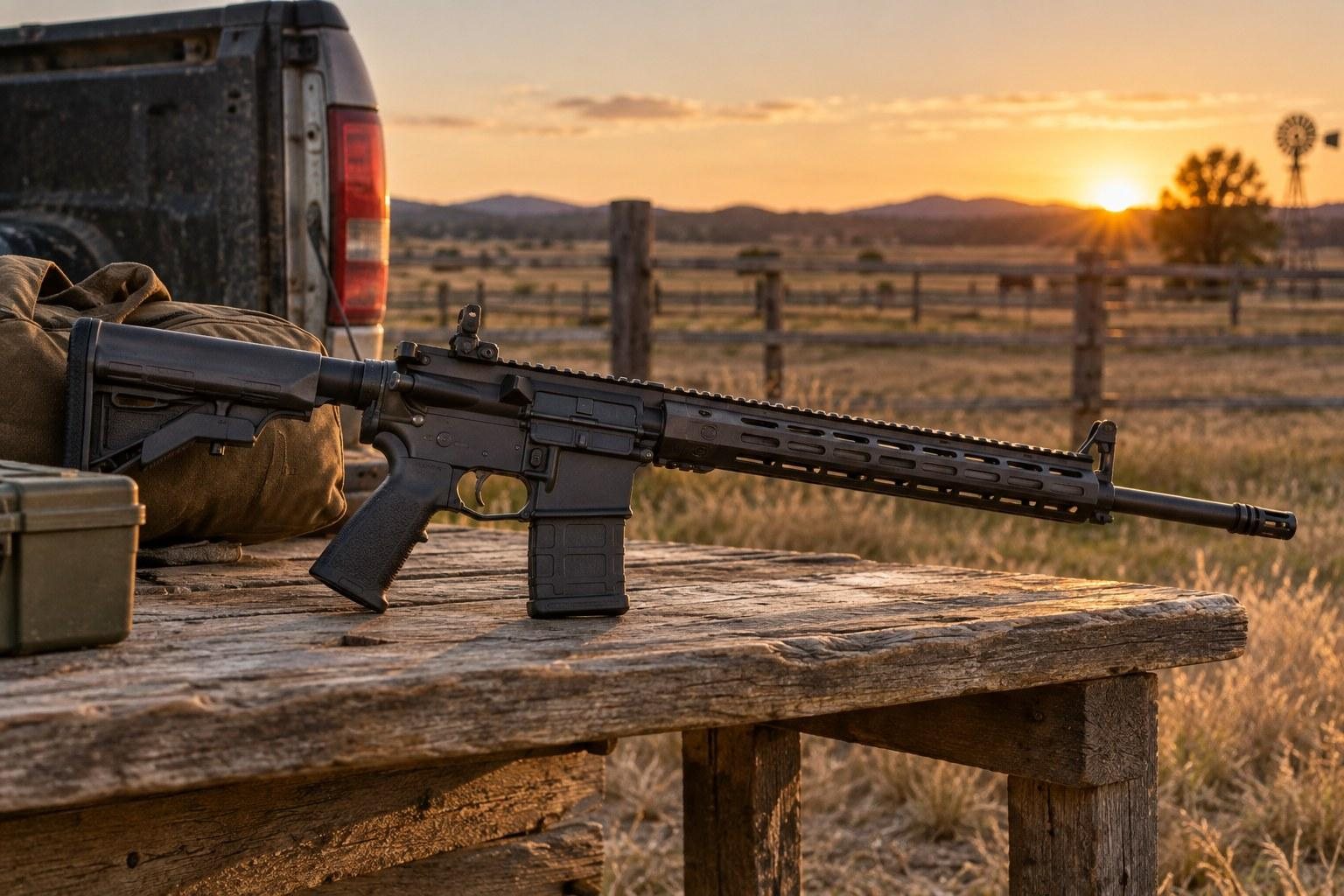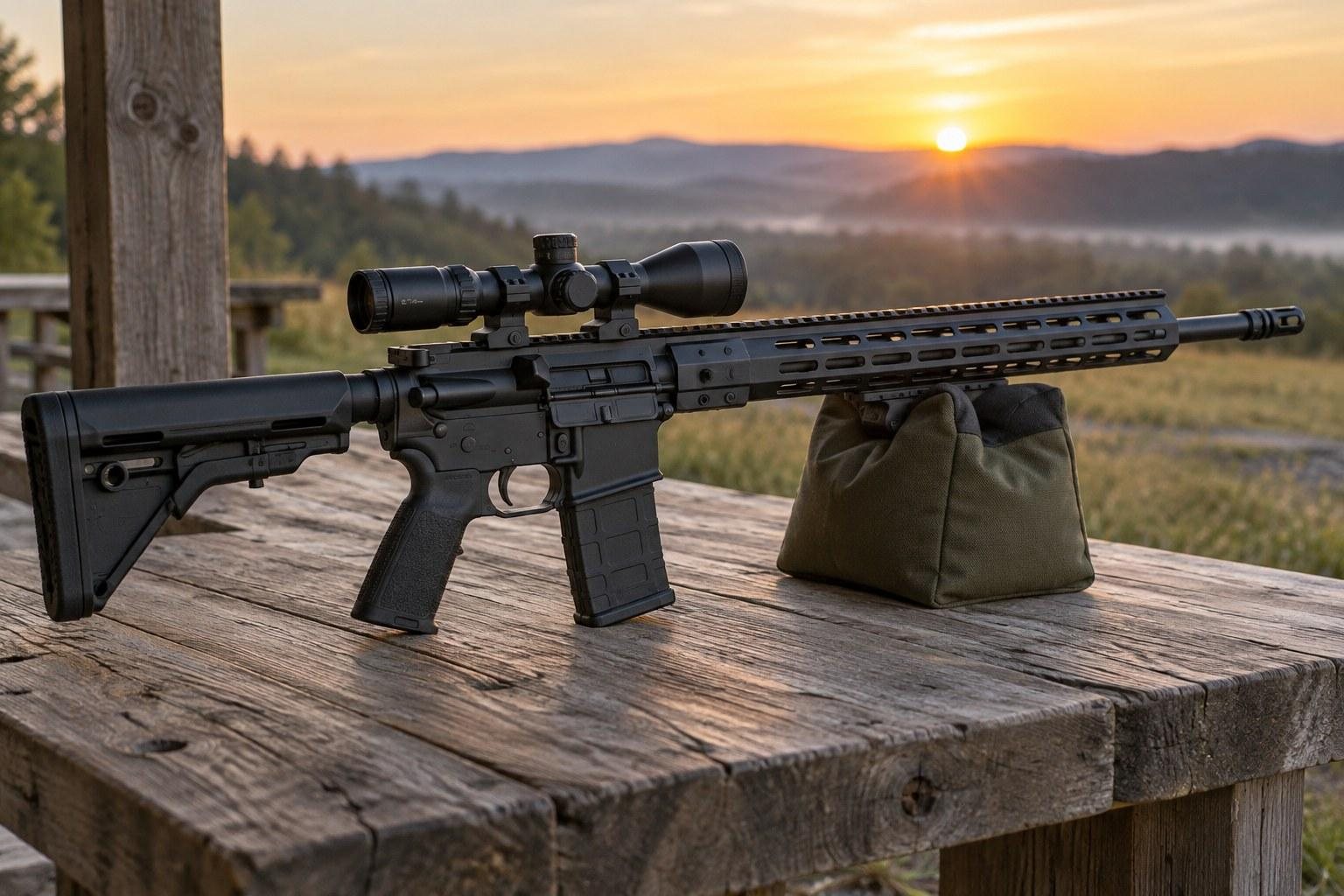
A lightweight upper is one of the simplest ways to make a long day in the field easier on your body. Most of an AR-15's weight sits in the upper half of the rifle, so the barrel, handguard and muzzle device you choose decide how the gun feels after hours of carrying it.
Our editors look at where that weight actually lives, which components trim it without hurting accuracy, and where shaving ounces stops making sense. You will also see how to match a lighter setup to the cartridge and game you hunt, and how to keep the rifle steady when the shot finally comes.
Comparing complete uppers before your next season? Start with our complete upper coverage.
Key Takeaways
- The barrel is usually the heaviest single part of an AR-15 upper, so barrel profile matters more than any other weight decision.
- Thinner or fluted barrels and shorter free-float handguards are the most practical ways to build a lighter hunting upper.
- A lighter rifle is easier to carry and shoulder quickly, but it can feel livelier under recoil and less steady offhand.
- Cartridge choice and barrel length should be settled first, because they shape every weight decision that follows.
- A sling, a bipod or shooting sticks and a sensible optic often matter as much as the upper itself on a long hunt.
Where the Weight in an AR-15 Upper Really Comes From
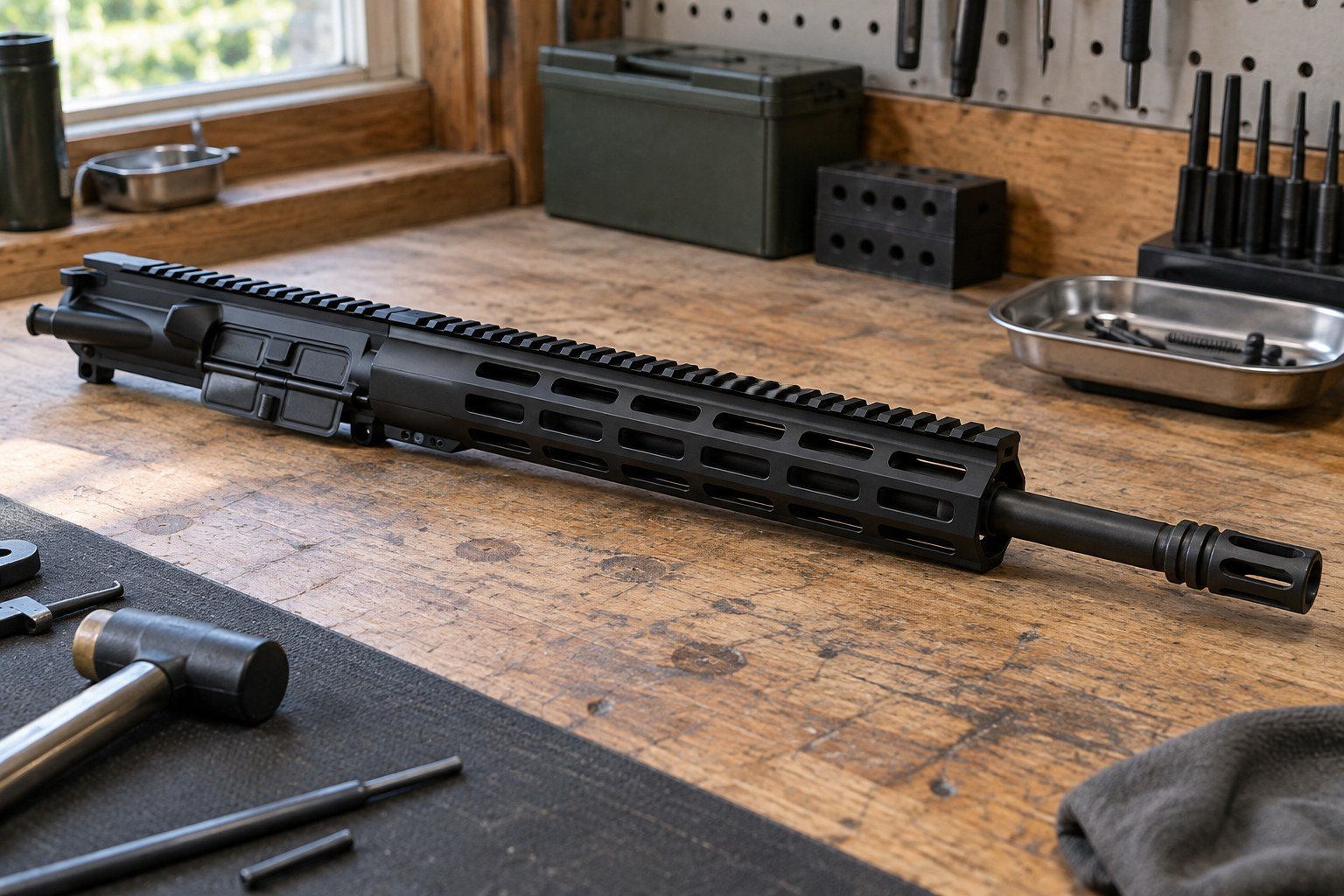
Hold a bare barrel next to a complete upper, and the answer becomes obvious. The barrel is a long steel tube, and its outside diameter and length do most of the work on the scale.
Everything else adds up too. The handguard, muzzle device, gas block, bolt carrier group and optic mount each contribute, and a hunter often adds a scope, rings and a sling on top.
The Barrel Comes First
Barrel makers describe their contours with profile names such as pencil, government, medium, heavy, SPR and bull. Heavier profiles carry more steel along the length of the barrel, which helps them resist heat during long strings of fire. Lighter profiles carry less steel, which a hunter feels on every mile of a long walk.
For a deeper look at how each contour behaves, see our AR-15 barrel length guide, which pairs well with any profile decision.
Handguards, Muzzle Devices and Small Parts
A long quad rail with picatinny on every face adds bulk that a hunter rarely uses. A slim M-LOK or KeyMod free-float rail gives you attachment points only where you need them.
Muzzle devices vary as well. A compact brake or a simple flash hider is lighter than many large multi-port designs, and the difference shows up right at the end of the rifle, where weight feels heaviest when you hold the gun out in front of you.
Why a Lightweight Upper Matters on Long Hunts
Hunting is mostly carrying. Whether you are still-hunting timber, glassing open country or walking field edges for coyotes, the rifle spends far more time on your shoulder or in your hands than it does on target.
Less Fatigue Over Hours and Miles
Every ounce you carry is an ounce your shoulders, arms and back have to manage all day. A lighter rifle lets you stay focused on glassing and moving quietly instead of shifting the sling every few minutes.
Fatigue also affects shooting. A hunter who is less worn out at the end of the day is better able to settle into a steady position and make a clean, ethical shot.
Faster Handling When the Moment Comes
Weight hanging out toward the muzzle makes a rifle slower to swing and harder to hold on a moving animal. Trimming weight at the front of the upper improves balance, so the rifle comes up and settles more naturally.
That matters in thick cover, where shots are close and fast, and in stands or blinds, where you need to move the muzzle without bumping walls or rails.
Want to see which configurations work well for the field?
Components That Trim Weight Without Hurting Accuracy
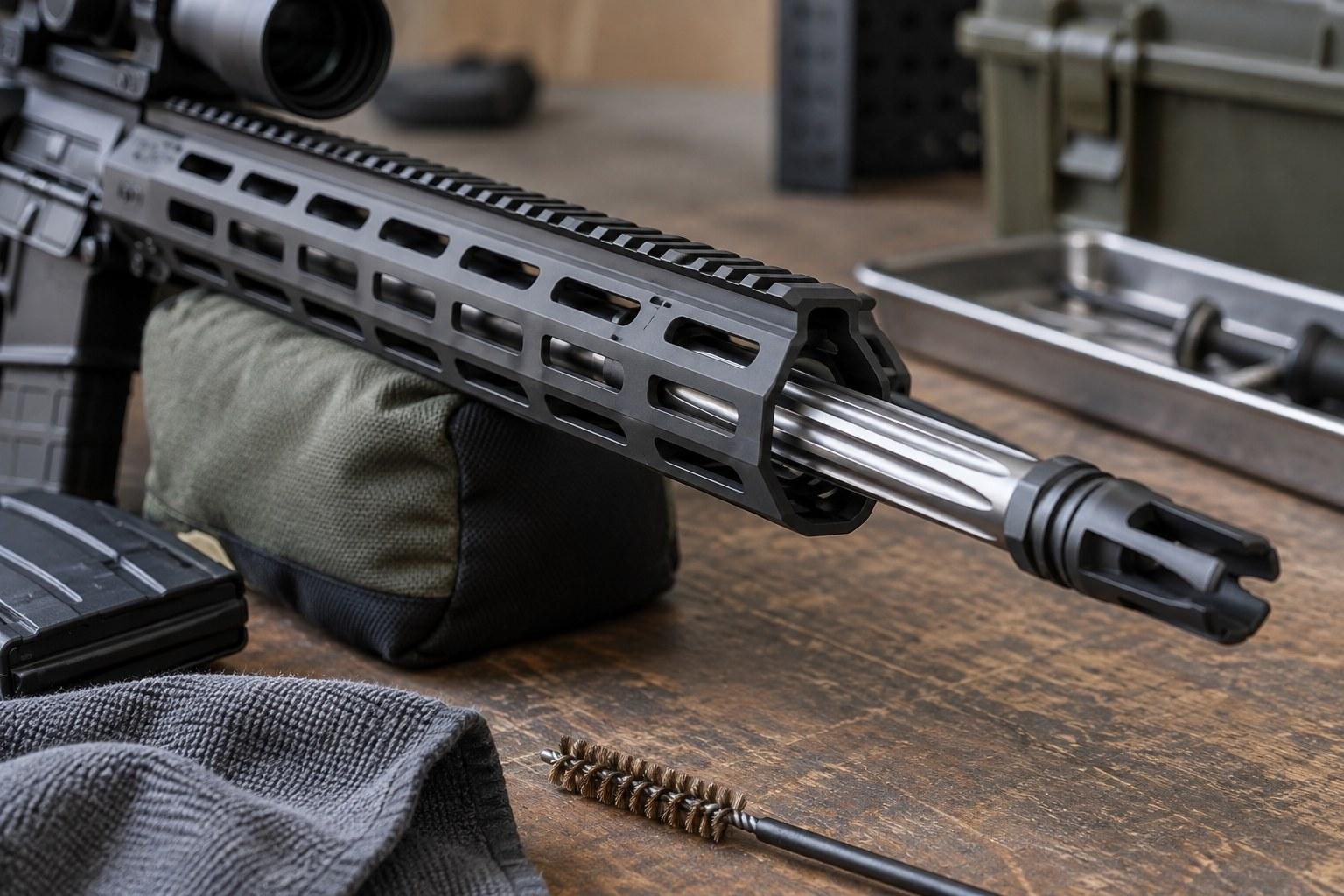
The goal is a lightweight upper that still shoots well enough for ethical hunting. That means saving weight in the right places rather than chasing the lowest number on a scale.
Barrel Profiles and Fluting
Fluting removes material from the outside of a barrel by cutting grooves along its length. It lets a barrel keep a larger outside diameter for stiffness while carrying less steel than a solid barrel of the same contour.
Fluted barrels are available in several AR-15 calibers, including 5.56 NATO, 300 Blackout and 6.8 SPC II, along with other chamberings. You can browse the full selection on the AR-15 barrel category page.
Slim Free-Float Handguards
A free-float handguard attaches to the barrel nut instead of touching the barrel, so pressure from a sling, bipod or rest is not transferred to the barrel. That helps keep your point of impact consistent when you shoot off a pack or shooting sticks.
Lightweight free-float rails are commonly available in M-LOK and KeyMod in a range of lengths, often from around 10 to 15 inches. Our free-float vs drop-in handguard comparison explains the tradeoffs in more detail.
Compact Muzzle Devices
A muzzle device is the last part of the upper, and it sits where weight is felt most. If your cartridge has mild recoil, a small brake or flash hider is usually all a hunting rifle needs. Browse muzzle devices with that in mind, and check our muzzle device guide for how each type works.
| Component | Lighter Option | Heavier Option | Hunting Tradeoff |
|---|---|---|---|
| Barrel profile | Pencil, government or fluted | Heavy, SPR or bull | Lighter barrels carry easier but heat up faster during long strings |
| Barrel length | 16 inch | 20 to 24 inch | Shorter is handier, longer can add velocity with some cartridges |
| Handguard | Slim M-LOK or KeyMod, shorter length | Long quad rail | Slim rails save bulk but offer fewer mounting points |
| Muzzle device | Compact brake or flash hider | Large multi-port brake | Small devices tame less recoil but keep the muzzle light |
| Optic | Compact variable or red dot | Large long-range scope | Bigger glass helps at distance but adds weight up high |
Tradeoffs to Weigh Before Going Ultralight
A lighter rifle is not automatically a better hunting rifle. Removing weight changes how the gun shoots, and a few tradeoffs deserve an honest look.
Felt Recoil and Muzzle Rise
Mass helps absorb recoil. A lighter rifle chambered for the same load will generally feel livelier, and the muzzle may jump more, which can make it harder to watch your shot through the scope.
With mild cartridges this is rarely a problem. With heavier-recoiling AR-10 cartridges, a little extra weight or an effective brake can make the rifle more pleasant to shoot.
Heat and Long Strings of Fire
Thin barrels heat up faster than thick ones. Hunters typically fire only a few rounds at a time, so this matters less in the field than on the range, but expect a light barrel to need cooling breaks during sight-in sessions.
Steadiness Offhand
Some hunters find a very light rifle harder to hold still when standing. Practice from field positions and use a rest whenever you can. A lighter rifle paired with good technique beats a heavy rifle you are too tired to hold.
Matching a Lighter Upper to Your Cartridge and Game
Cartridge choice should come before weight decisions. The round you need for your game, distance and state rules determines barrel length, gas system and whether you are on an AR-15 or AR-10 platform at all.
AR-15 Hunting Cartridges
The AR-15 platform is chambered for several cartridges that hunters use for deer, hogs and predators. Complete uppers are commonly available in calibers such as 6.5 Grendel, 300 Blackout, 350 Legend, 6mm ARC and 5.56 NATO, and 16 inch options are common across those categories.
Our deer hunting caliber guide for AR platforms can help you narrow the field before you think about ounces.
AR-10 Considerations
AR-10 rifles in cartridges like 308 Winchester and 6.5 Creedmoor are larger and heavier by nature. Saving weight still helps, but the gains are proportionally smaller, and recoil management becomes a bigger factor. Always check your state wildlife agency's regulations for legal hunting cartridges, magazine capacity and seasons, since rules vary by state.
Barrel Length and the NFA
Going shorter is a tempting way to save weight. Keep in mind that a barrel under 16 inches on a rifle, or an overall length under 26 inches, makes a short-barreled rifle, which requires ATF registration. Since January 1, 2026 the federal tax on SBR registration is $0, but registration is still required, and state and local laws vary. A pinned and welded muzzle device can bring a barrel to the 16 inch minimum. See ATF's National Firearms Act page for details.
Building and Carrying a Lighter Hunting Rifle
The upper is only part of the system. How you set up and carry the rifle can make a heavy gun manageable or a light one even easier.
Choosing the Rest of the Kit
- Optic: pick magnification that fits your realistic shot distances rather than the biggest scope you can find.
- Sling: a padded, adjustable sling spreads weight across your shoulder and doubles as a shooting aid.
- Rest: shooting sticks or a light bipod help steady a lighter rifle when you take the shot.
- Stock: a lighter AR stock can balance the rifle once the front end is trimmed.
Safety and Assembly
Before swapping a barrel, handguard or muzzle device, make sure the firearm is unloaded and follow each component manufacturer's instructions and published torque specs. If you are unsure about any step, have a qualified gunsmith do the work. Complete uppers from AR15Parts.com are assembled in-house, headspaced and function-checked before they ship, which removes much of that guesswork.
A well-chosen lightweight upper will not make the mountain shorter, but it will make every mile feel a little easier.
Planning your own lighter hunting build? Our build and assembly articles walk through the details.