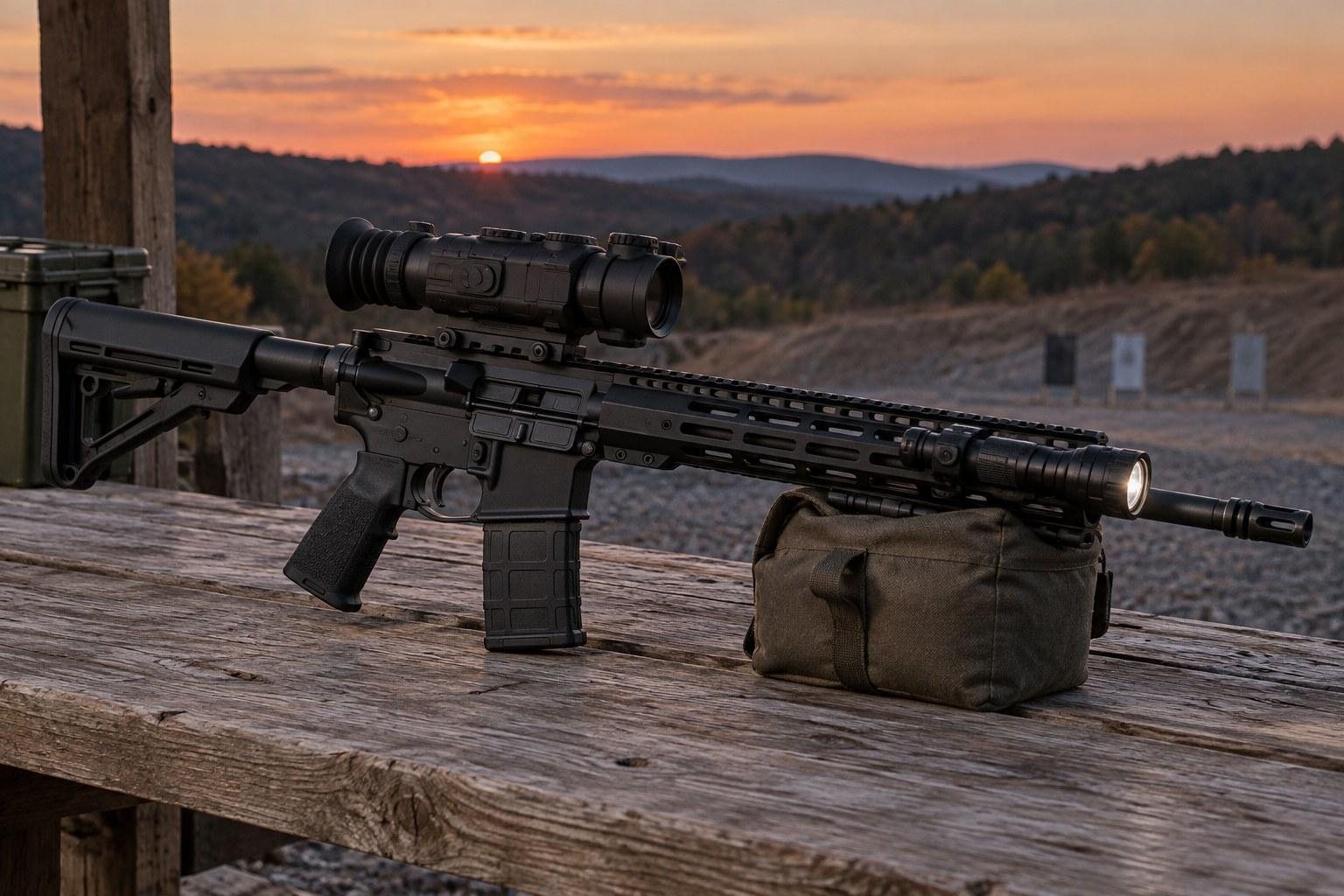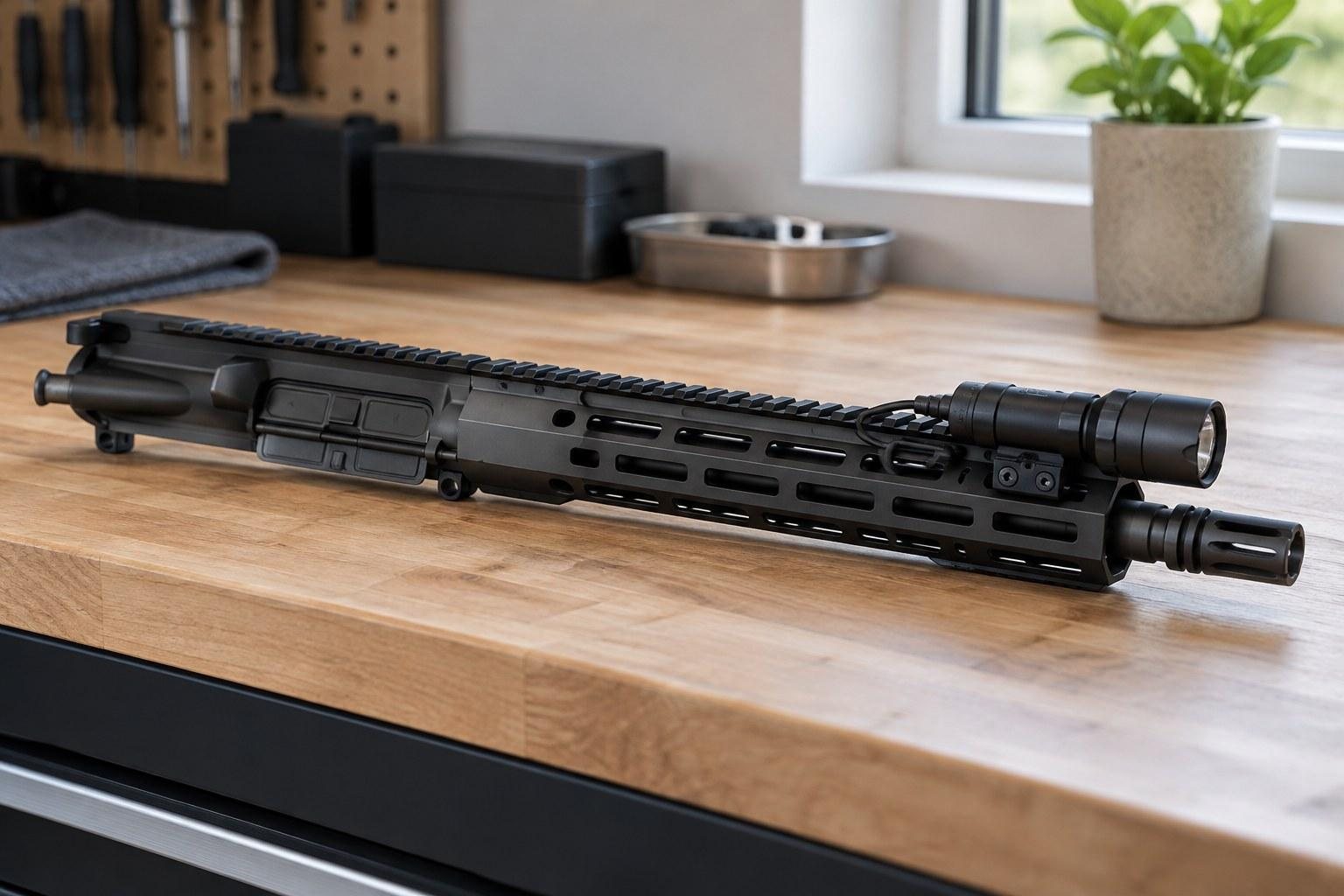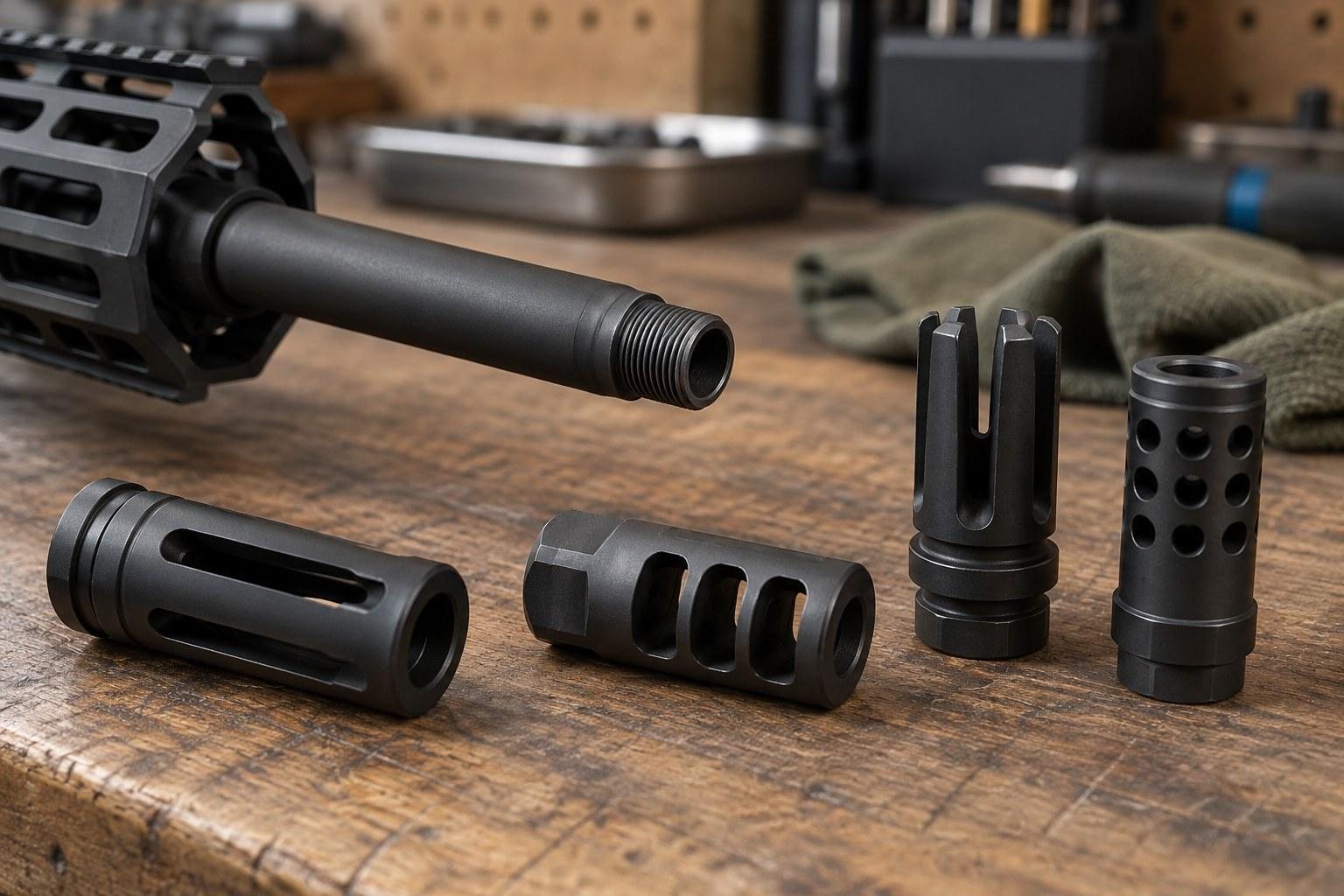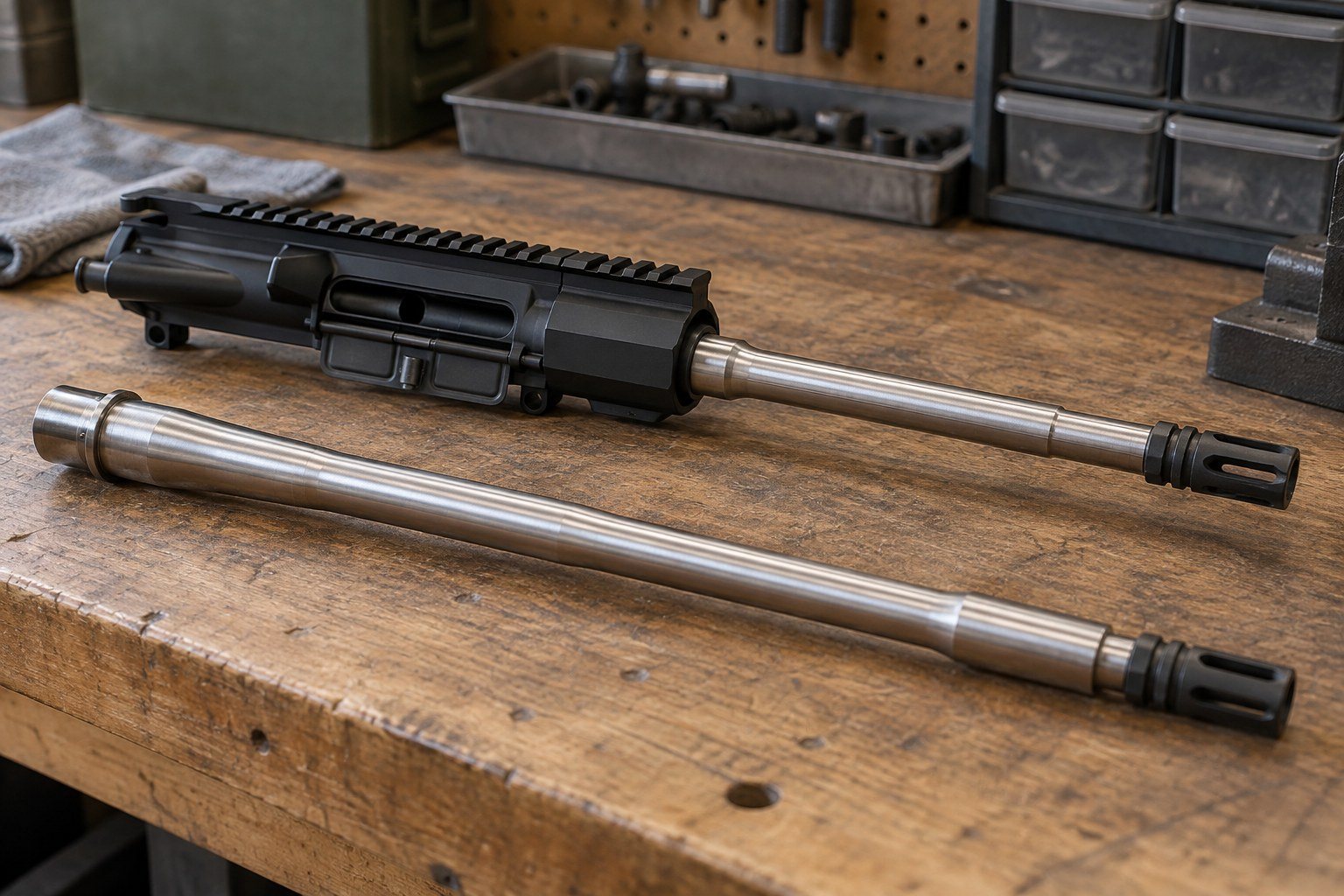
A 14.5 barrel looks like the obvious choice for a handy first AR-15, and it is a popular length for good reason. The catch is federal law: a rifle barrel under 16 inches makes a short-barreled rifle on a rifle unless the muzzle device is permanently attached to bring it to 16 inches. That one detail changes the paperwork, the parts list and the shopping process.
This guide breaks down how the two lengths compare for a first build and what "pinned and welded" really means. If you want the simplest path to a legal, reliable rifle, the answer may surprise you less than you think.
Want to see 16 inch options assembled and function-checked?
Key Takeaways
- Under federal law, a rifle barrel shorter than 16 inches creates a short-barreled rifle that must be registered with the ATF.
- A 14.5 inch barrel only counts as 16 inches when a muzzle device is permanently attached, typically pinned and welded, to reach that length.
- Since January 1, 2026 the federal SBR tax is $0, but registration is still required, and state and local laws vary.
- For a first build, a 16 inch upper is the most straightforward option because it needs no permanent muzzle work and no NFA paperwork.
- 14.5 inch options are less common than 16 inch uppers across most calibers, so check current listings before planning a build.
Why Barrel Length Matters on Your First AR-15
Barrel length affects how the rifle handles, how loud and bright it is, and how much velocity your cartridge can develop. Shorter barrels are quicker to move through doorways, vehicles and blinds. Longer barrels generally give the powder more time to burn, which tends to mean more velocity from the same load.
For a first build, though, the biggest difference between 14.5 and 16 inches is not ballistic. It is legal. That is why it is generally wise to settle the length question before you buy a single part.
The Handling Difference Is Small
A 1.5 inch gap is noticeable on paper but modest in the hand. A 14.5 inch barrel with a long flash hider ends up very close to a bare 16 inch barrel in overall length. Many shooters feel the difference more in balance and weight than in length.
The Legal Difference Is Large
A bare 14.5 inch barrel on a rifle (shoulder-stocked) is an NFA item. A 16 inch barrel on a rifle with a compliant overall length is not. Those two facts drive almost every recommendation below.
What the NFA Says About a 14.5 Barrel
The National Firearms Act defines a short-barreled rifle as a rifle with a barrel under 16 inches or an overall length under 26 inches. The ATF's NFA overview explains the registration process. If you put a 14.5 barrel on a rifle (shoulder-stocked) without the right muzzle work, you have built an SBR.
The $0 Tax Does Not Remove Registration
Since January 1, 2026, the federal tax on SBRs, SBSs and suppressors is $0 under the One Big Beautiful Bill Act. That makes the process cheaper, but it does not remove it. You still need an approved registration before you assemble the rifle in SBR form.
State and Local Laws Vary
Some states restrict or ban SBRs regardless of federal approval, and some regulate muzzle devices or other features. Nothing here is legal advice. Check your state and local laws, and talk with a qualified attorney or a licensed dealer if you are unsure.
How Pinned and Welded Muzzle Devices Work
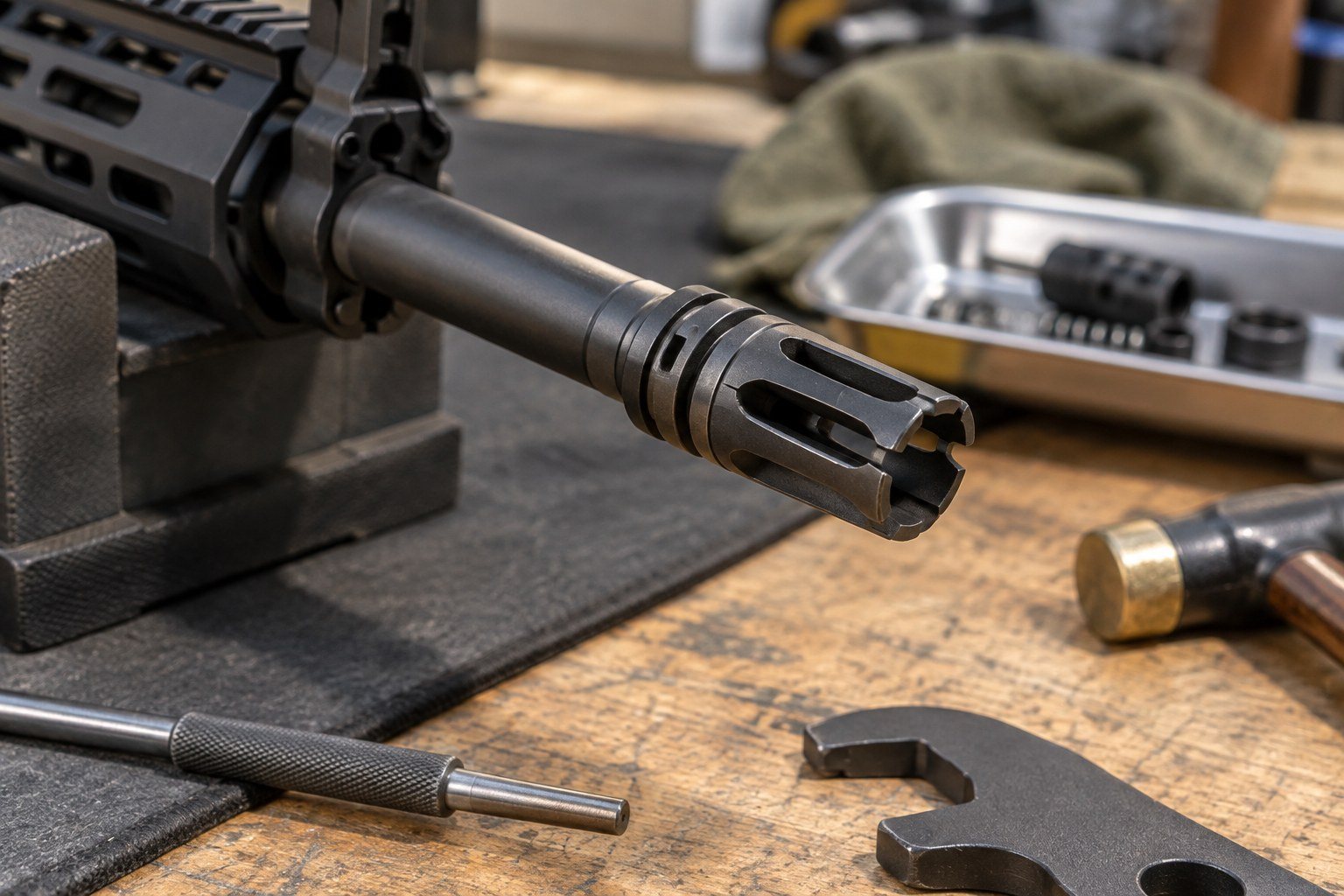
Barrel length is measured from the closed bolt face to the end of the muzzle. A muzzle device that is permanently attached counts as part of the barrel. That is how a 14.5 inch barrel becomes a 16 inch barrel in the eyes of the law.
What "Permanent" Means
A device that simply threads on with a crush washer is not permanent, because it can be removed with a wrench. The common method is to pin the device to the barrel and weld over the pin, or to fully weld the device in place. The ATF has addressed permanent attachment methods, so follow its guidance and have the work done by a qualified gunsmith rather than attempting it yourself.
Trade-offs of a Permanent Device
- You lose the ability to swap muzzle devices freely later.
- Some suppressor mounting systems depend on a specific muzzle device, so choose carefully before it is permanent.
- Barrel replacement later may mean replacing the device as well.
- The device must be long enough to reach 16 inches, so not every flash hider or brake will work.
Our muzzle devices guide covers how flash hiders, brakes and compensators differ, which helps if you plan to pin one permanently. You can also browse AR-15 muzzle devices to compare lengths and thread pitches.
Still sorting out lengths? Read our full barrel length breakdown.
Comparing 14.5 and 16 Inch Options
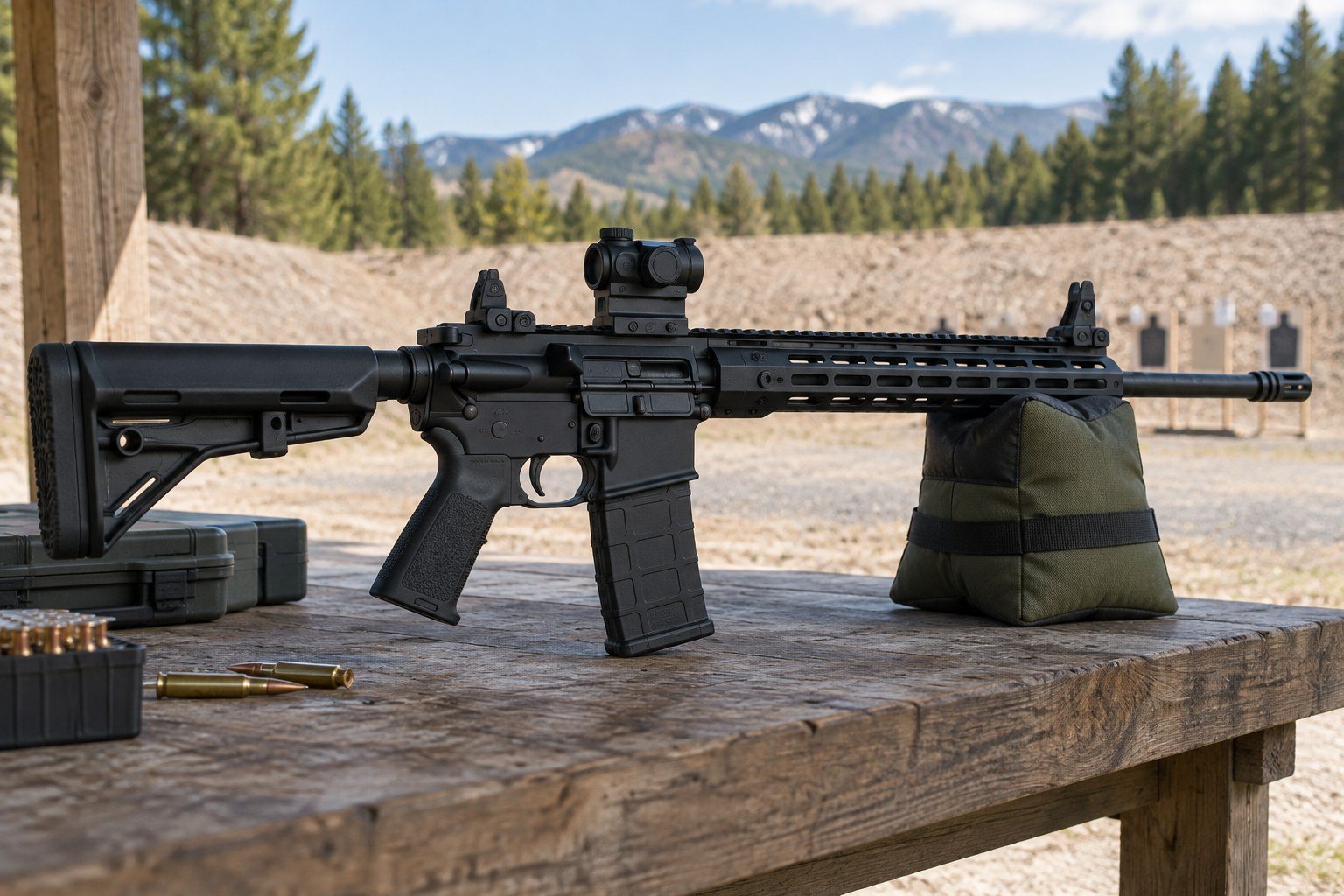
Before you plan a 14.5 build, it helps to know what is commonly available. A common pattern is that 338 ARC is more often offered in a 14.5 inch length, while popular first-build calibers like 5.56 NATO are more commonly found in 16 inch configurations.
| Option | 14.5 Inch | 16 Inch |
|---|---|---|
| Caliber availability | Fewer calibers, such as 338 ARC | Most common calibers, including 5.56 NATO |
| NFA status as a rifle | SBR unless a device is pinned and welded to reach 16 inches | Not an SBR if overall length is 26 inches or more |
| Muzzle device | Must be permanent to avoid SBR status | Can be swapped freely |
| Extra steps for a first build | Permanent muzzle work or ATF registration | None beyond normal assembly |
The 14.5 Inch 338 ARC Upper
A 14.5 inch 338 ARC upper typically uses a pistol-length gas system with a 0.750 inch low profile gas block and often ships with a threaded flash hider and crush washer rather than a pinned and welded device. A threaded device is not permanent, so on a rifle (shoulder-stocked) it is an SBR configuration unless you register it or have a qualified gunsmith permanently attach a device long enough to reach 16 inches.
Bare 338 ARC barrels are commonly available in a 14.5 inch length with a 1:8 twist and 5/8x24 muzzle threads, alongside 16 inch versions.
16 Inch Uppers Across Calibers
If you want 5.56, the 5.56 NATO uppers category commonly includes 16 inch builds, including M4 profile parkerized barrels and other stainless barrel options. A 16 inch upper avoids the permanent muzzle question entirely.
Is a 14.5 Barrel or a 16 Inch Upper Better for a First Build?
For most first builds, a 16 inch upper tends to be the simpler choice. It removes the legal step, keeps your muzzle device options open and gives you a versatile caliber selection. You can focus on learning assembly, zeroing and maintenance instead of paperwork.
When a 16 Inch Upper Makes More Sense
- You want a rifle you can assemble and shoot without NFA registration.
- You want to try different muzzle devices as you learn.
- You want 5.56 NATO or another caliber that is less commonly available in 14.5 inch.
- You live in a state that restricts SBRs.
When a 14.5 Inch Build Can Work
- You specifically want a compact 338 ARC rifle.
- You are willing to have a qualified gunsmith pin and weld a muzzle device to reach 16 inches, or to register the rifle as an SBR.
- You already know which muzzle device you want to keep long term.
If you go short, also read our SBR uppers overview to understand how registered short builds compare.
Other Parts to Plan Around Barrel Length
Barrel length affects gas system choice, handguard length and how the muzzle device lines up with the rail. Getting these right early saves reorders.
Gas System
Gas system length should match the barrel and cartridge. Mid-length systems are commonly paired with 14.5 to 16 inch barrels, while shorter uppers such as those chambered in 338 ARC often use a pistol-length gas system. Defer to the barrel manufacturer's specification. Our gas system length guide explains the trade-offs.
Handguard and Muzzle Fit
A rail that is too long can cover a pinned muzzle device or interfere with a suppressor. Measure from the receiver to the muzzle and check your device before you buy a handguard.
Assembly Safety
Always work on an unloaded firearm, follow each manufacturer's instructions, and see a qualified gunsmith if you are unsure about any step. Complete uppers from AR15Parts.com are assembled in-house, headspaced and function-checked before they ship, which removes much of the guesswork for a first build.
Ready to compare more first-build options?