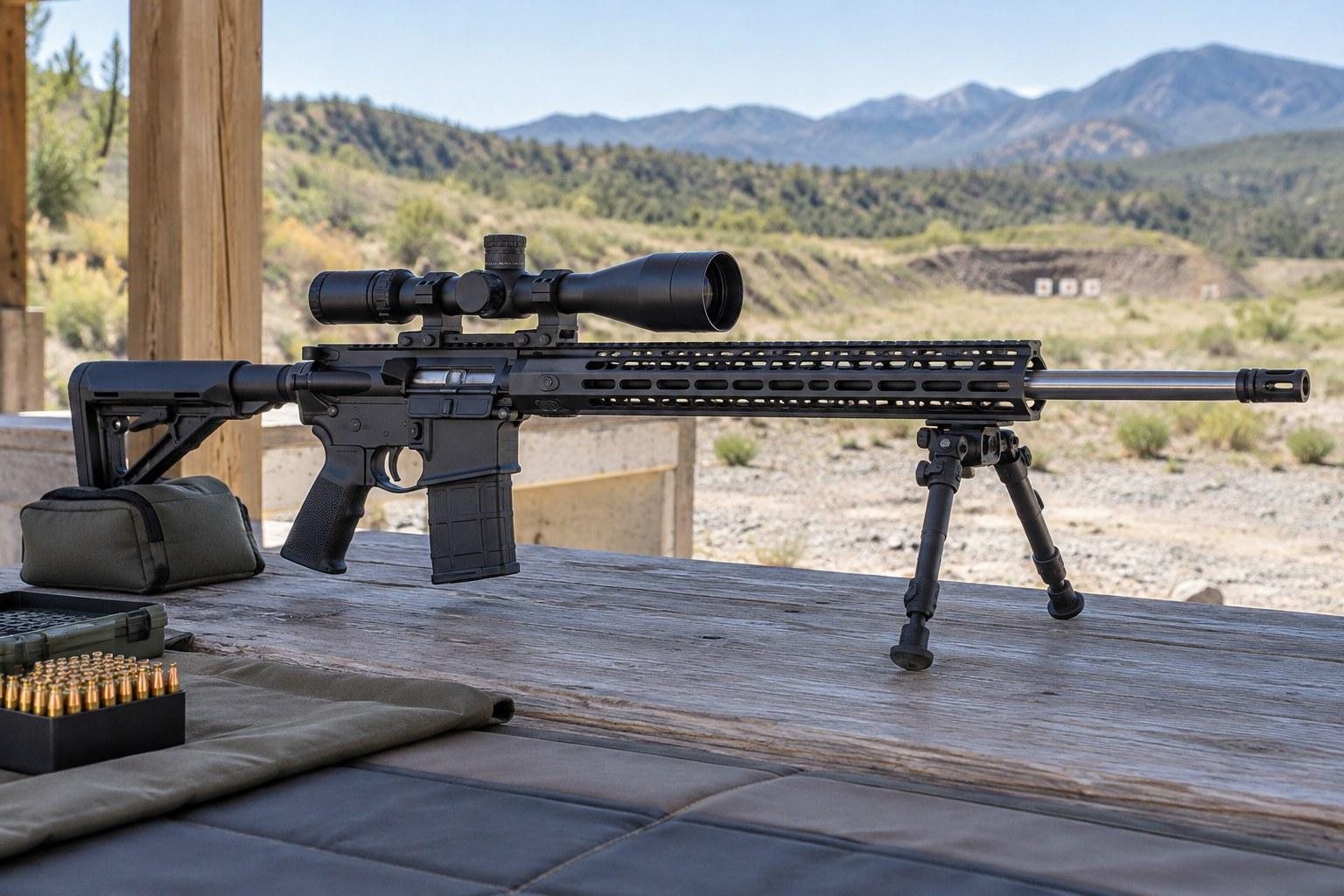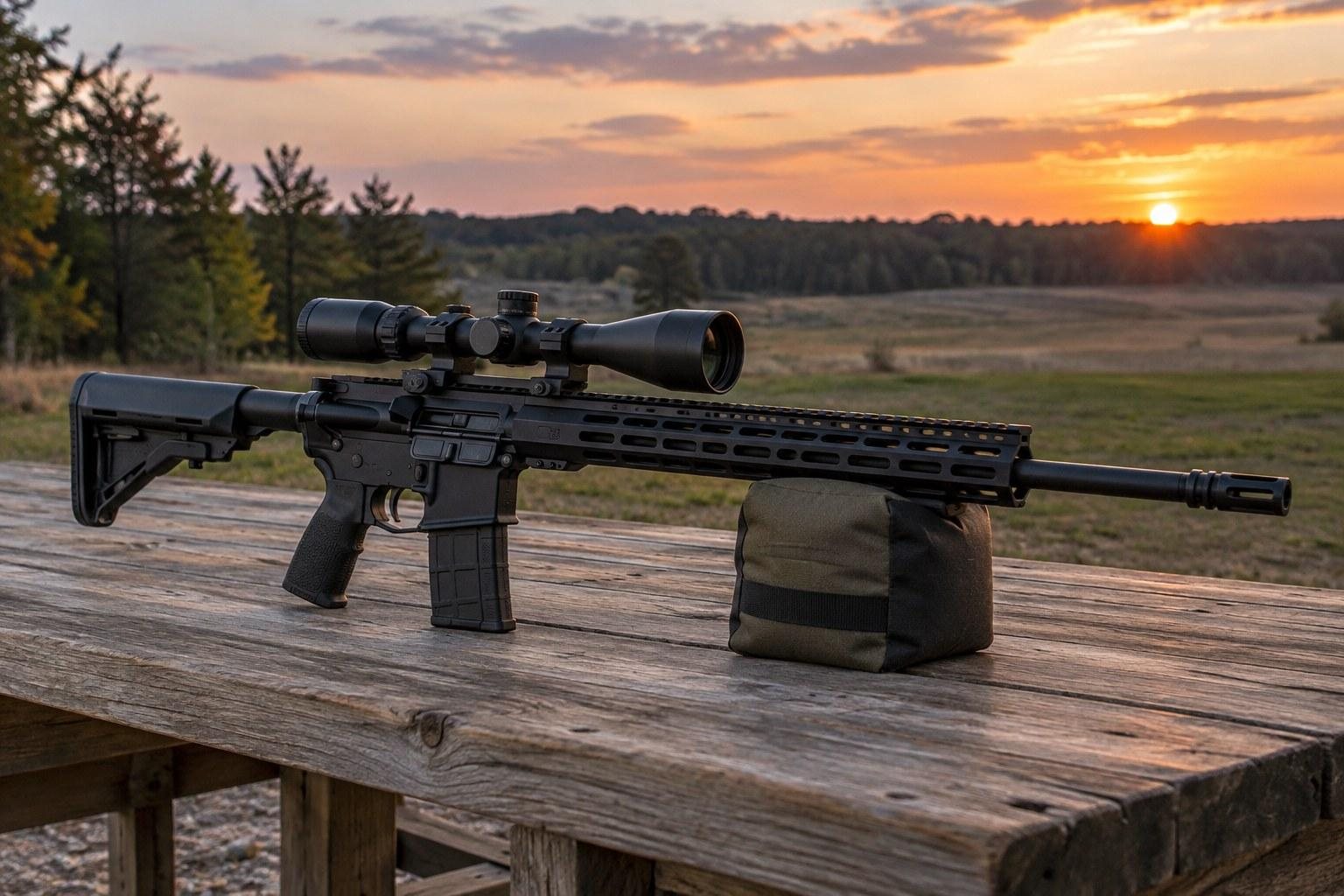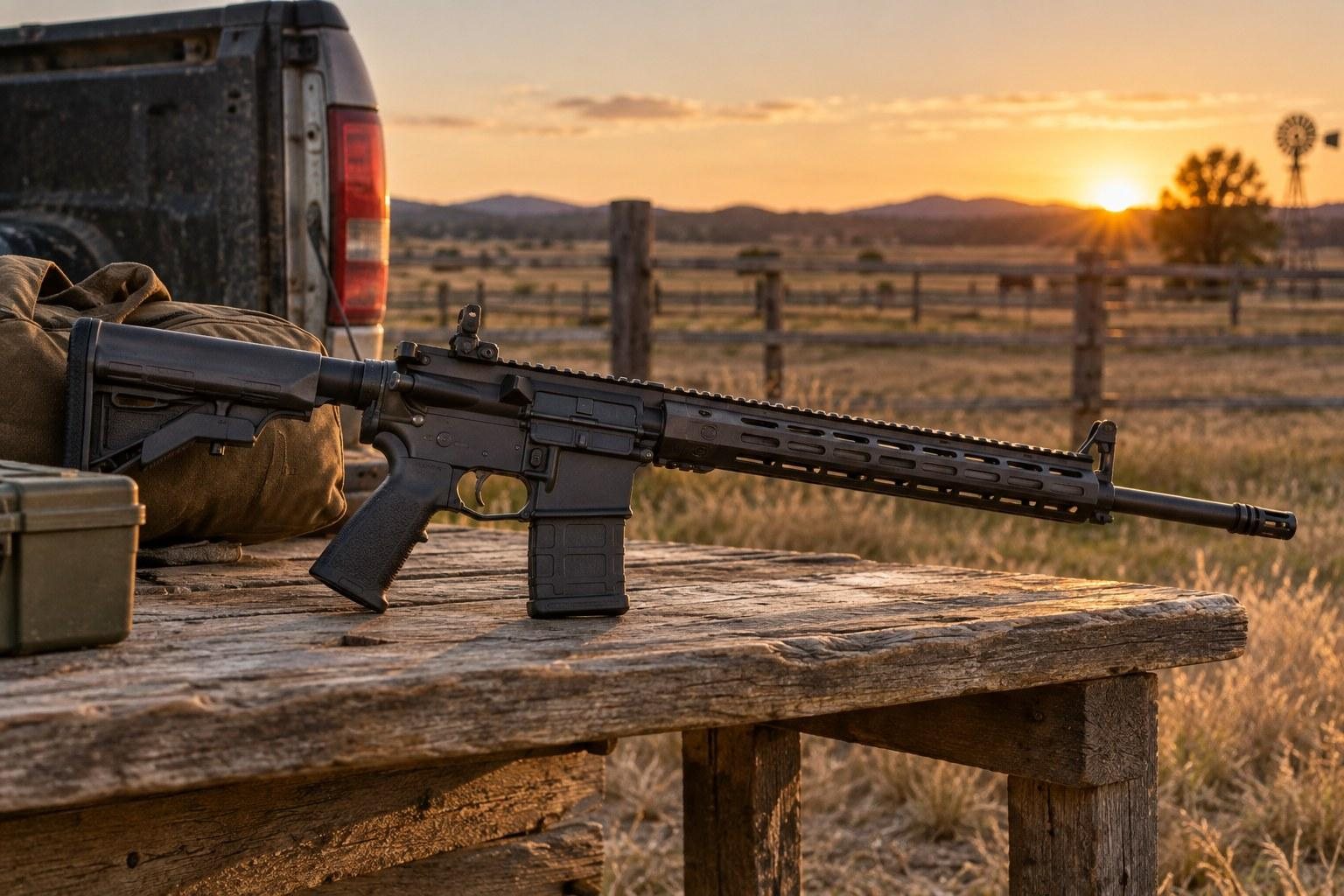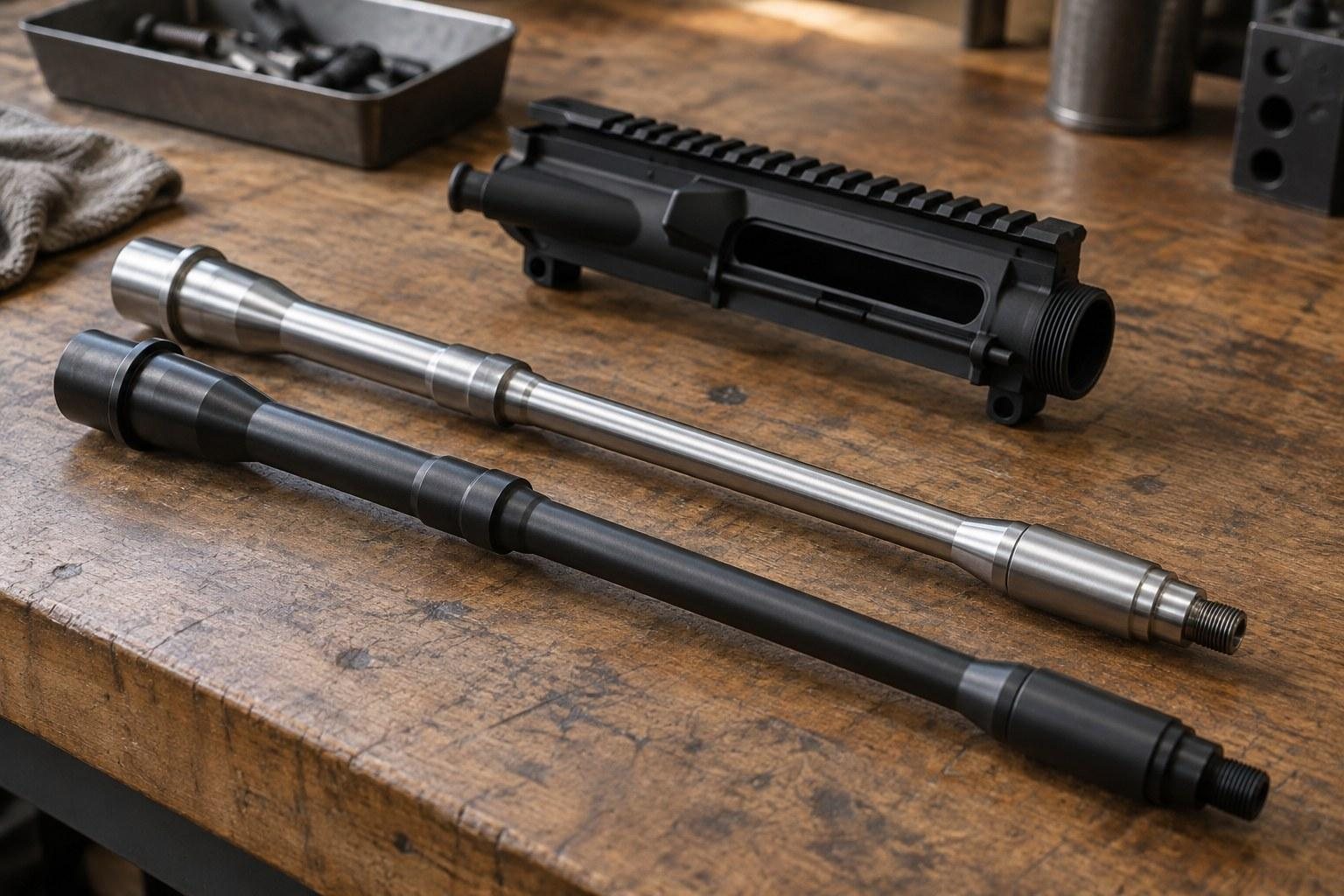
Browse complete uppers long enough and you will notice ballistic advantage barrels again and again. That is not an accident. The Florida barrel maker built its reputation on a simple idea: bring custom barrel features to high-volume CNC production, then back the result with a published accuracy guarantee.
This guide looks at what the company says about its manufacturing and how its barrel series differ. You will come away knowing what the series names mean, how the profiles compare, and how to decide whether one belongs on your next build.
Want to see how these barrels look on finished builds? Start with our complete upper coverage.
Key Takeaways
- Ballistic Advantage says it pairs custom barrel making practices with high-volume CNC production, which helps explain how widely its barrels are used.
- The company guarantees sub-MOA accuracy with factory match-grade ammunition, and it publishes exactly how it defines a sub-MOA group.
- Barrels are sorted into named series (Modern, Performance, Premium, Premium Black and Classic) built around different steels, finishes and profiles.
- Ballistic Advantage barrels are commonly available in calibers such as 22 ARC, 6mm ARC, 223 Wylde, 300 Blackout, 338 ARC, 6.5 Creedmoor and 308 Win.
- Always confirm caliber, gas system, gas block journal and thread pitch on the individual product listing before you order.
Where Ballistic Advantage Came From
Ballistic Advantage did not start as a giant factory. According to the company history page, founder Adam Wainio launched the business in 2008 in a garage in Altamonte Springs, Florida, doing custom work and barrels on a manual engine lathe and a Bridgeport mill.
From a Garage Lathe to CNC Production
The timeline the company publishes shows steady growth. In 2009 it bought its first Mazak CNC lathe and moved into a warehouse in Apopka, Florida. More CNC lathes followed in 2011, and by 2016 the company says it had nearly tripled the business and invested heavily in new blanking and turning machines.
In 2020 Ballistic Advantage built and moved into a larger facility to meet demand. That growth path matters to builders, because a barrel maker with deep production capacity is more likely to keep popular lengths and calibers available.
The Hanson Barrel and the Aero Precision Partnership
Two milestones stand out. In 2012 Clint Hanson joined the company and the first Hanson barrels were developed, a profile name you still see on product listings today. In late 2014 Ballistic Advantage partnered with Aero Precision to expand capability and capacity.
That partnership is one reason the brand name feels familiar. Aero Precision is a major name in AR receivers, so the two brands often appear in the same conversations about mid-range builds.
How Ballistic Advantage Barrels Are Made
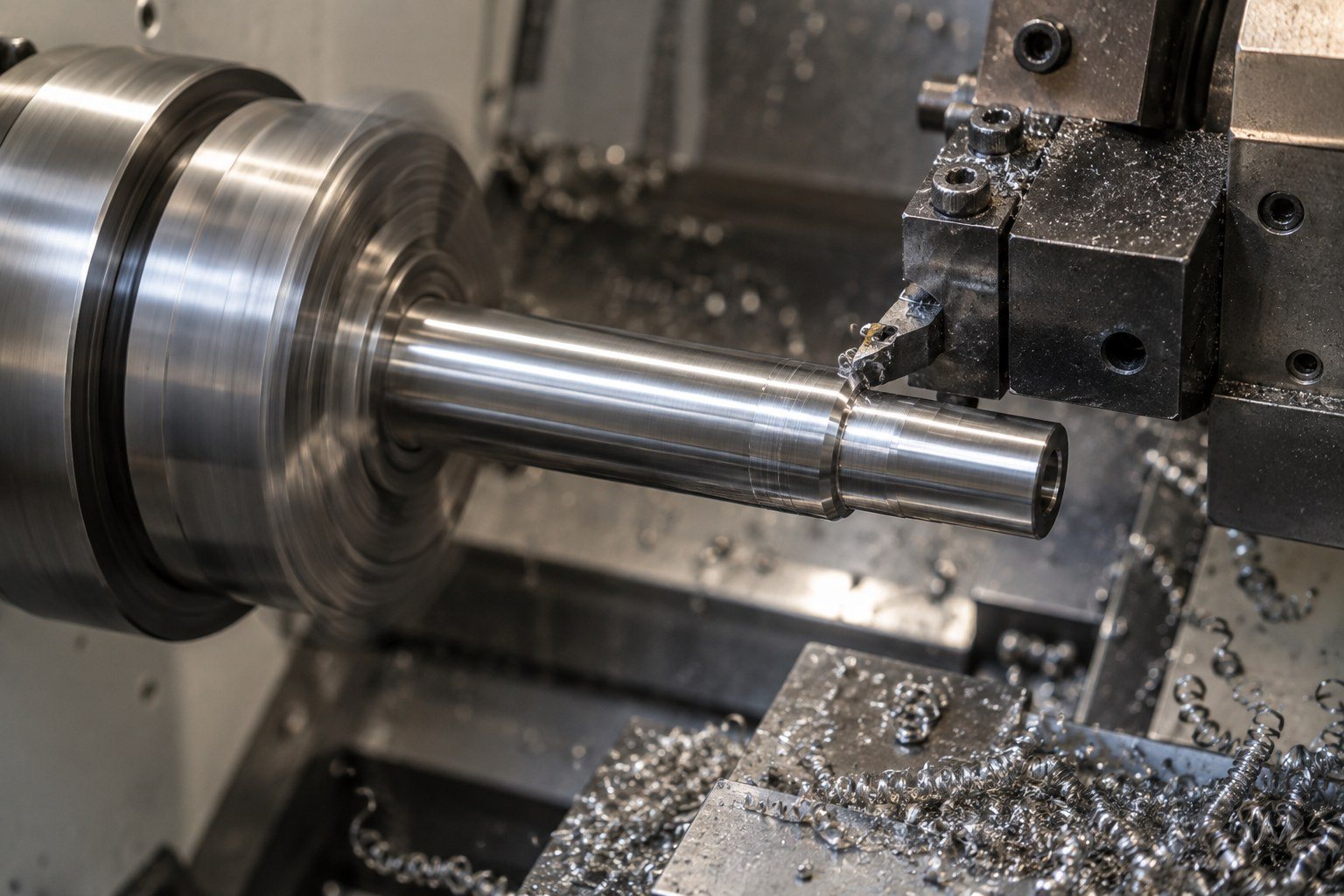
The company describes its process in plain terms on its manufacturing page. It starts with 416R stainless and chrome moly vanadium (CrMoV) barstock, which is cut to length, drilled, reamed and button rifled. If you want the background on how button rifling compares with other methods, read our cold hammer forged vs. button rifled comparison.
Tolerances the Company Publishes
Ballistic Advantage states that every production barrel carries match-grade tolerancing with bore uniformity of .0003 inch or better, and that it is normal to see barrels with less than .00015 inch of variation through the entire blank. Those are the manufacturer's own figures, so treat them as published targets rather than independent test results.
Quality Control Steps
According to the company, quality is checked through contact gauging, air gauging and laser light measurement. A dedicated QC department is backed by production support specialists who inspect parts during the process. Coating treatments are handled by outside services, and the fulfillment department runs another set of QC checks during assembly and final testing.
The company also says it delivers hundreds of thousands of barrels a year. Volume on that scale is the clearest explanation for why ballistic advantage barrels appear on so many uppers from so many builders.
Curious how barrel steel and finish choices affect long-term care? Our materials comparison covers the tradeoffs.
The Sub-MOA Guarantee in Plain English
Plenty of companies describe their barrels as accurate. Ballistic Advantage puts a definition behind the claim. The company states that all of its barrels are guaranteed to deliver sub-Minute of Angle accuracy with factory match-grade ammunition.
How the Company Defines Sub-MOA
Its published definition is a group of 1 inch or under at 100 yards, shot as a 3-shot magazine-fed group or a 5-shot single-loaded group, using factory match ammo. That is a specific, testable standard, which is more useful to a builder than a vague promise.
What the Guarantee Does Not Cover
Read the fine print with realistic expectations. The guarantee is tied to match-grade ammunition, so bulk range ammo may not shoot to that standard. Your optic, mounting, handguard, trigger and shooting fundamentals also affect group size. A quality barrel is the foundation, not the whole house.
Barrel break-in is another topic builders ask about. Ballistic Advantage publishes its own break-in guidance, and our AR-15 barrel break-in guide explains the general practice and the debate around it.
Ballistic Advantage Barrels by Series
The company groups its AR barrels into named series. Its series page lists Modern, Performance, Premium, Premium Black and Classic, each built around a specific combination of materials, finishes, profiles and performance characteristics. The table below covers three of the series builders encounter most often.
| Series | Material and Finish (as listed) | Example Listings on AR15Parts.com |
|---|---|---|
| Modern Series | QPQ-treated 4150 CMV | 300 Blackout DRP in short barrel lengths; 308 Win Tactical Government and Heavy profiles in common rifle lengths |
| Premium Series | Bead blast 416R stainless | 22 ARC SPR in common rifle lengths; 223 Wylde DMR and 6.5 Creedmoor Heavy in longer lengths |
| Premium Black Series | QPQ-treated 416R stainless (black exterior) | 6mm ARC SPR, 338 ARC Hanson in shorter lengths, and 308 Win Tactical Government in longer lengths |
Modern Series
Modern Series barrels are typically made from 4150 CMV steel with a QPQ surface treatment. Chrome moly vanadium is a common choice for general-purpose and duty-style barrels. The series commonly appears in short 300 Blackout barrels and in AR-10 pattern 308 Win barrels.
Premium and Premium Black Series
Both of these series use 416R stainless. The Premium Series keeps a bead blast stainless exterior, while the Premium Black Series adds a QPQ treatment for a black finish. In many listings the same length and profile is offered in both, so the choice often comes down to looks and finish preference.
Performance and Classic Series
The company also lists Performance and Classic Series barrels. These series are less commonly seen on complete uppers, so if one interests you, review the specifications on the manufacturer's site directly.
Profiles, Calibers and Gas Systems You Will See
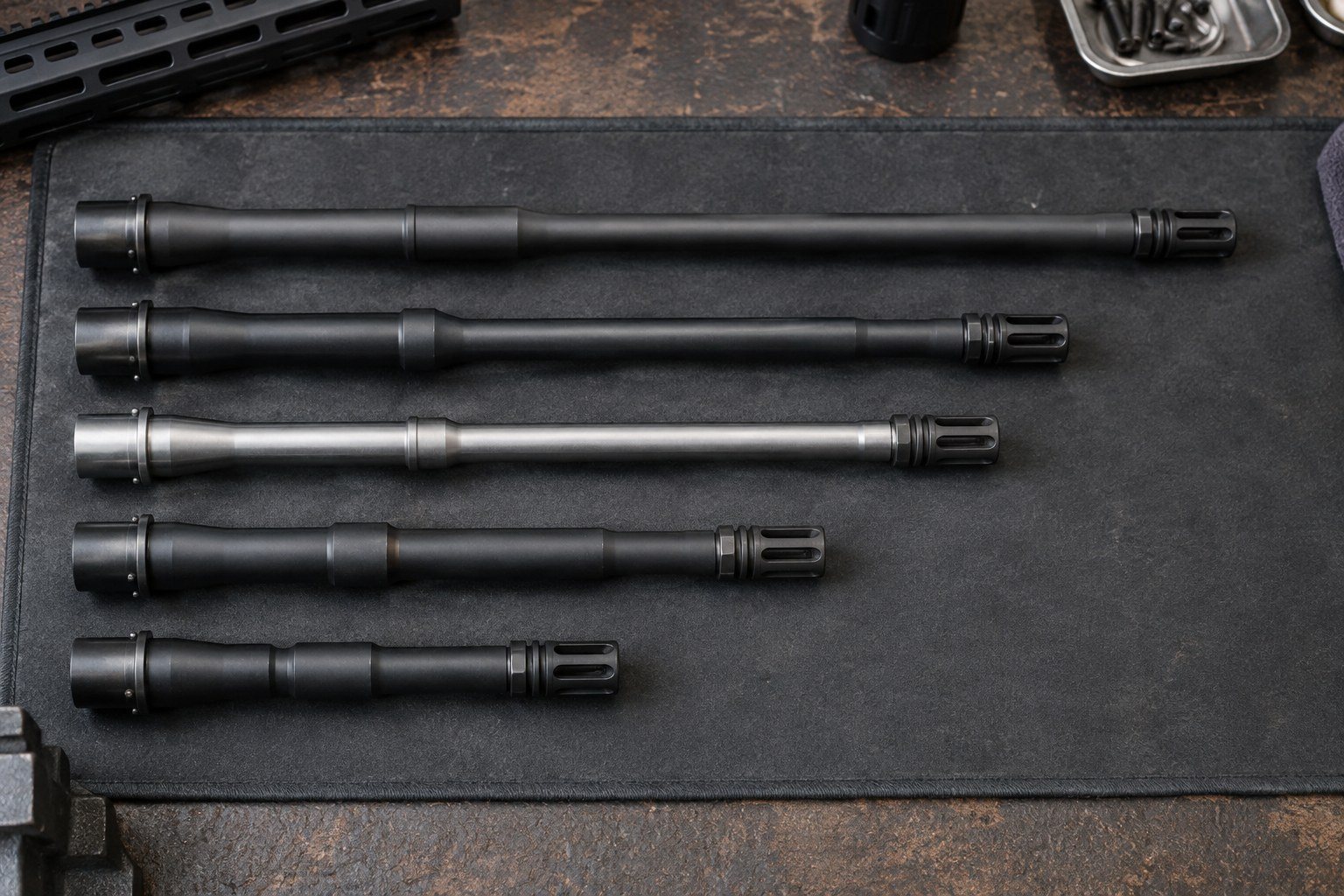
Series tell you about steel and finish. Profile tells you about weight and intended use. Ballistic Advantage profiles commonly include SPR, DMR, Hanson, Heavy, Bull, Tactical Government and DRP.
Common Profiles
- SPR: commonly offered in 16 and 18 inch lengths for 22 ARC and 18 inch for 6mm ARC and 223 Wylde, typically with a rifle-length gas system.
- DMR: typically offered as 20 inch barrels for 22 ARC, 6mm ARC and 223 Wylde, often with a rifle plus 1 inch gas system.
- Hanson: commonly offered for 338 ARC in 12.5 and 16 inch lengths with a pistol-length gas system.
- Heavy and Bull: longer, heavier options such as the 22 and 24 inch 22 ARC barrels. Gas block journal diameter commonly runs around .875 inch on 22 inch Heavy profiles and .936 inch on 24 inch Bull profiles.
- DRP and Tactical Government: the short 300 Blackout DRP barrels and the 16 and 20 inch 308 Win Tactical Government barrels.
For a deeper look at what profile shape does to handling, see the AR15Parts.com barrel profile guide.
Calibers Currently Listed
The newer ARC cartridges are one area where Ballistic Advantage is especially visible. The 22 ARC barrel selection commonly includes SPR, DMR, Heavy and Bull options from the brand, often with a 1x7 twist. The 6mm ARC barrel lineup often includes 18 inch SPR and 20 inch DMR barrels in both Premium and Premium Black.
For 223 Wylde, the brand's 18 inch SPR and 20 inch DMR barrels commonly carry a 1x8 twist and 1/2x28 threads. Twist matters for bullet weight, so our AR-15 twist rate guide is worth a read before you choose.
Gas System and Journal Matching
Gas system length and gas block journal diameter vary by profile. A 20 inch DMR with a rifle plus 1 inch system needs a matching gas tube, and a Heavy profile may need a larger gas block than an SPR. Check each listing, and follow the gas block maker's published installation specs.
Why Builders Choose Ballistic Advantage Barrels for Complete Uppers
Put the pieces together and the pattern makes sense. Builders want a barrel that is available in the caliber they need, documented clearly and backed by a stated accuracy standard. Ballistic Advantage checks each of those boxes, which is why ballistic advantage barrels are a common foundation for complete uppers.
Availability in New Calibers
When a cartridge like 22 ARC or 6mm ARC gains a following, builders need barrels in several lengths and profiles. 22 ARC uppers commonly include builds on Ballistic Advantage SPR barrels in both Premium and Premium Black finishes, offered in 16 and 18 inch lengths.
Consistent Documentation
Listings for these barrels often spell out length, steel, finish, twist, gas system and thread pitch right in the product title. That makes it easier to compare options and confirm compatibility before checkout.
Assembled and Checked Before Shipping
If you would rather not assemble an upper yourself, AR15Parts.com builds its complete uppers in-house, headspaces them and function-checks them before they ship. Shipping takes 3 to 5 business days. If you prefer to build, our headspacing guide explains why that step matters.
Safety Before You Swap a Barrel
Whether you build or upgrade, work on an unloaded firearm, follow the manufacturer's instructions and torque specs, and use a qualified gunsmith if you are unsure about any step. Never drill or modify a gas port.
A Note on Barrel Length and the Law
Several of the brand's barrels, such as the 8 and 10.5 inch 300 Blackout DRP and the 12.5 inch 338 ARC Hanson, are shorter than 16 inches. On a rifle, a barrel under 16 inches makes a short-barreled rifle under the NFA, which still requires ATF registration even though the federal tax has been $0 since January 1, 2026. State and local laws vary, so check them before you buy.
Want help picking the right length for your next upper? Our barrel length guide walks through the tradeoffs.