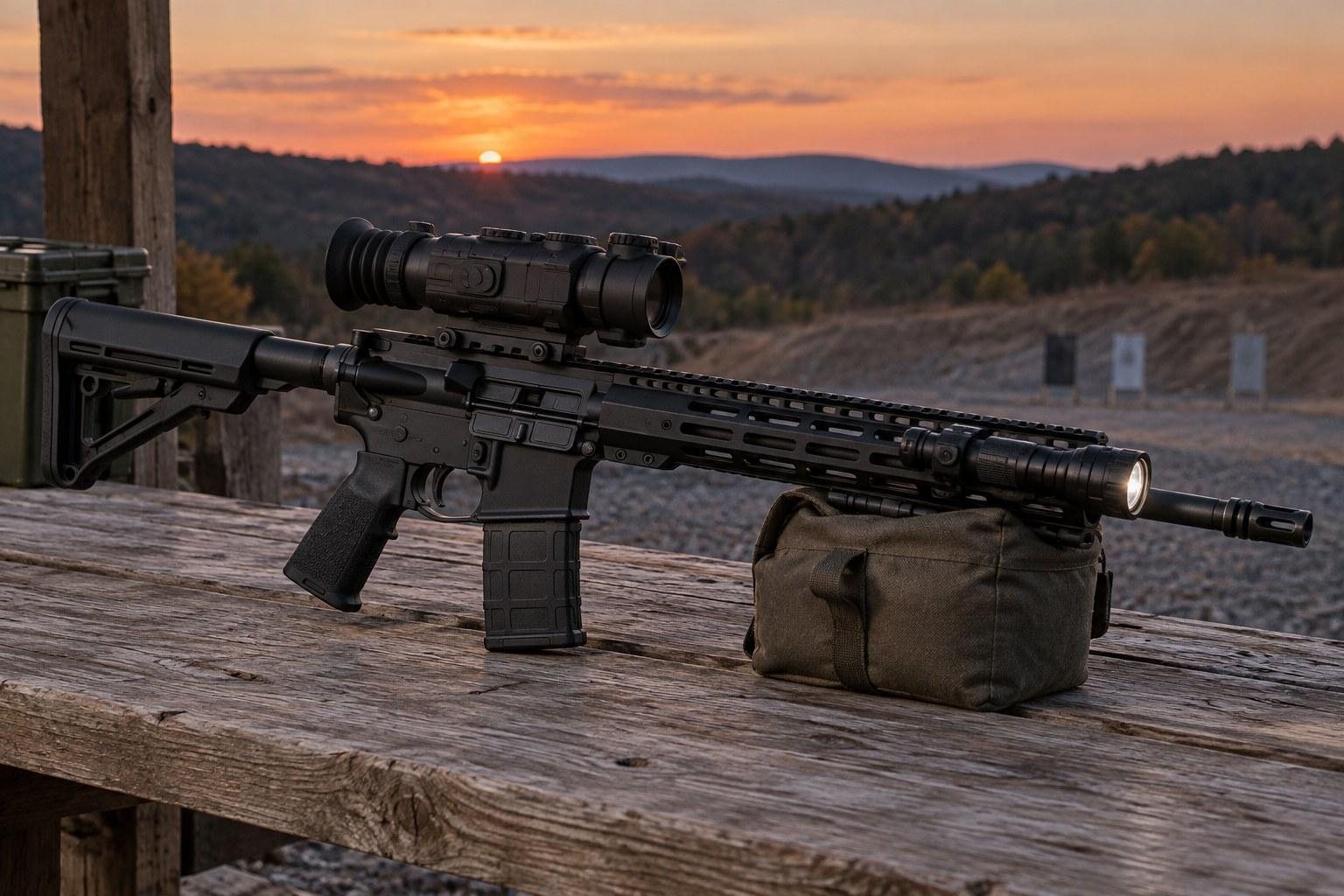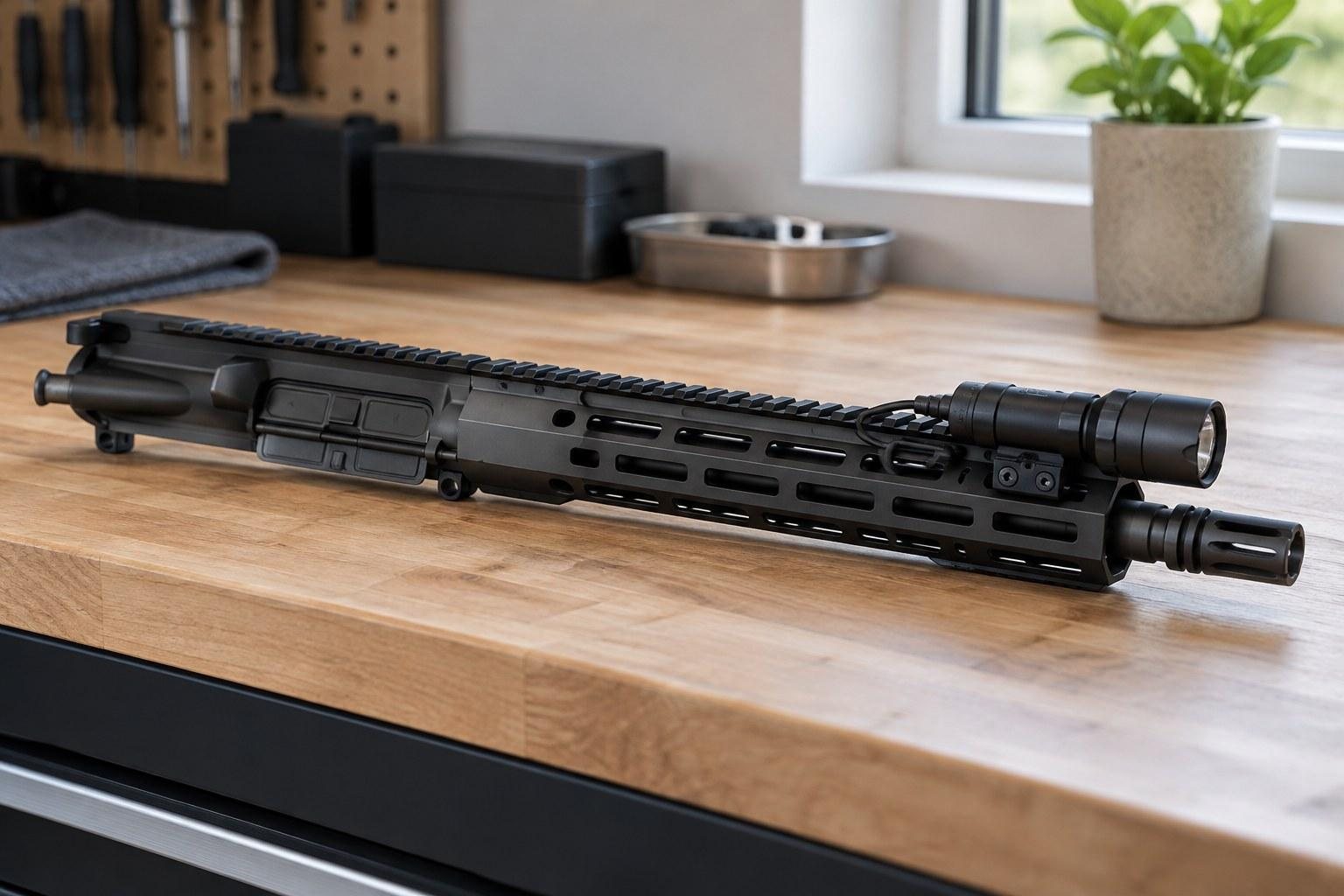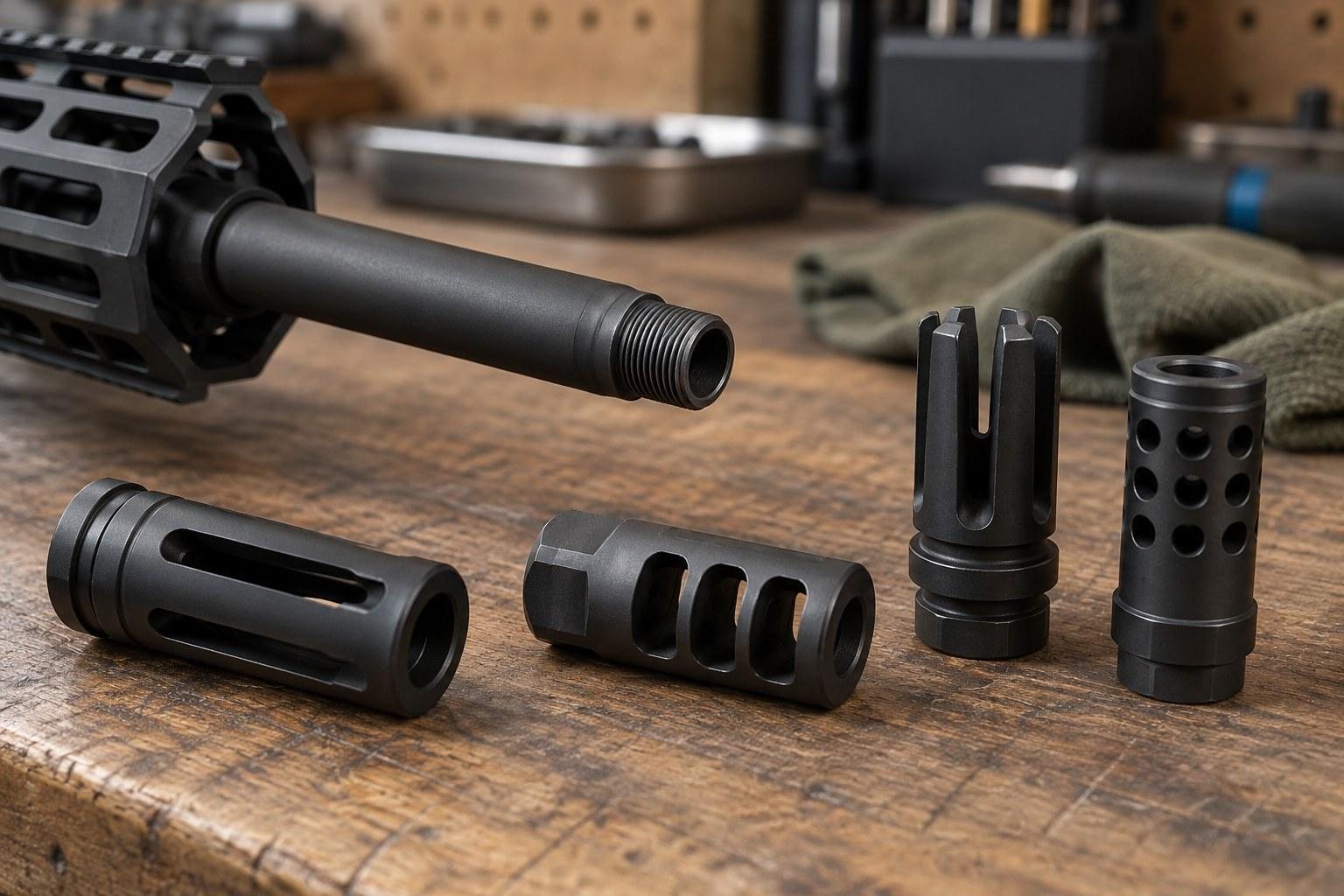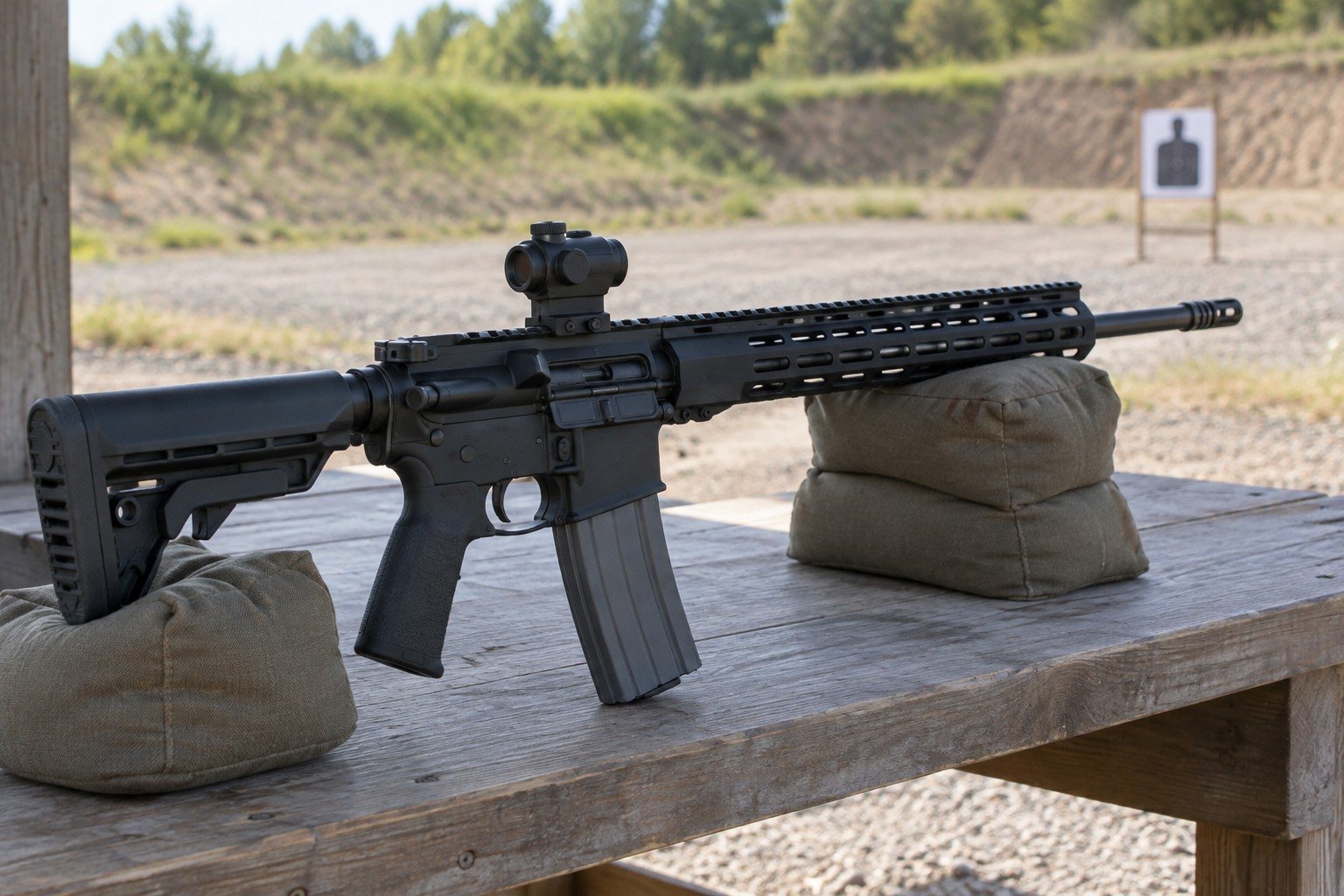
A 50 yard zero is one of the most popular ways to set up a carbine-length AR-15 upper, and for good reason. It lets a red dot or low-power optic keep your hits close to the point of aim from across a room out to the distances where most carbine shooting actually happens. It also needs only a short range lane to set.
Our editors break down why this zero pairs so well with 14.5 and 16 inch carbine uppers, what the bullet is really doing along its path, how to confirm the setup on paper, and where a different zero may serve you better. Every rifle and load is a little different, so treat the ideas here as a starting point and verify on your own target.
Shopping for a carbine that is ready to zero out of the box? Start with complete uppers at AR15Parts.com.
Key Takeaways
- Because the optic sits well above the bore on an AR-15, the bullet crosses your line of sight twice, once on the way up and again farther downrange.
- Zeroing at 50 yards places that second crossing much farther out, which keeps the bullet close to your aiming point across typical carbine distances.
- The zero is quick to set on a short range, but you should always confirm it at longer distance with your actual ammunition.
- Close-range shots land below the point of aim because of sight height, so practice holdovers for very short distances.
- Barrel length, bullet weight, velocity and optic height all shift the trajectory, so a ballistic calculator from your ammunition maker is the right tool for exact numbers.
What a Zero Really Means on an AR-15
Zeroing is simply adjusting your sight so that the point of aim and the point of impact match at one chosen distance. It sounds like a single point, but the bullet's path is a curve, and your sight picture is a straight line. Where those two meet is what defines your zero.
The Line of Sight and the Bullet Path
On an AR-15, the optic or iron sight sits noticeably higher than the bore because of the straight-line stock design and the flat-top upper receiver. To make the bullet meet your line of sight, the barrel is tilted very slightly upward relative to the sight. The bullet leaves the muzzle below the line of sight, rises to cross it, peaks, and then falls back across it again.
That means every zero actually has two crossing points: a near zero and a far zero. Choosing which distance you set at determines where the far crossing ends up.
Why the Near Crossing Matters
When you set your sight at a short distance where the bullet is still climbing, the far crossing moves farther downrange. That is the whole trick behind a short zero. You use a convenient distance to set the rifle, and the geometry gives you a useful second crossing at a longer range without walking out there to set it.
Sight Height Changes Everything
Sight height is the distance from the center of the bore to the center of your optic. A taller mount increases the angle between the bore and the line of sight, which shifts both crossing points. That is why two identical uppers with different optic mounts can print differently at the same distances. If you change mounts, re-zero.
Why the 50 Yard Zero Fits Carbine Uppers So Well
Carbine uppers are built for handling and versatility. A 14.5 or 16 inch barrel, a carbine or mid-length gas system and a red dot or LPVO is a common package, and that kind of rifle tends to be used inside a few hundred yards. A short zero matches that job.
A Flatter Effective Path Across Common Distances
With the far crossing pushed farther downrange, the bullet stays relatively close to your line of sight across the middle distances. For most common 5.56 and .223 loads from a carbine barrel, the bullet does not rise far above the dot between the two crossings. In practical terms you can hold center at many distances and still get hits on a reasonably sized target. Your ammunition maker's ballistic data will show exactly how far above or below the line your load travels.
It Is Easy to Set and Easy to Maintain
Plenty of ranges offer 50 yard lanes even when longer lanes are booked or unavailable. Groups at that distance are also less affected by wind, so you are mostly measuring the rifle and your fundamentals. That makes it simple to re-check your zero after swapping optics, removing a mount or changing ammunition.
It Works With Red Dots and Low-Power Optics
Red dots are typically used with a center hold, and a short zero suits that style well. Many LPVO owners also start with a short zero at 1x and then learn where their reticle holds fall at longer distances. If you are weighing magnified glass for your carbine, our low-power variable optic guide covers the main options.
Want to understand how barrel length affects velocity and handling before you pick a carbine? Read our barrel length breakdown next.
How Common Zero Distances Compare
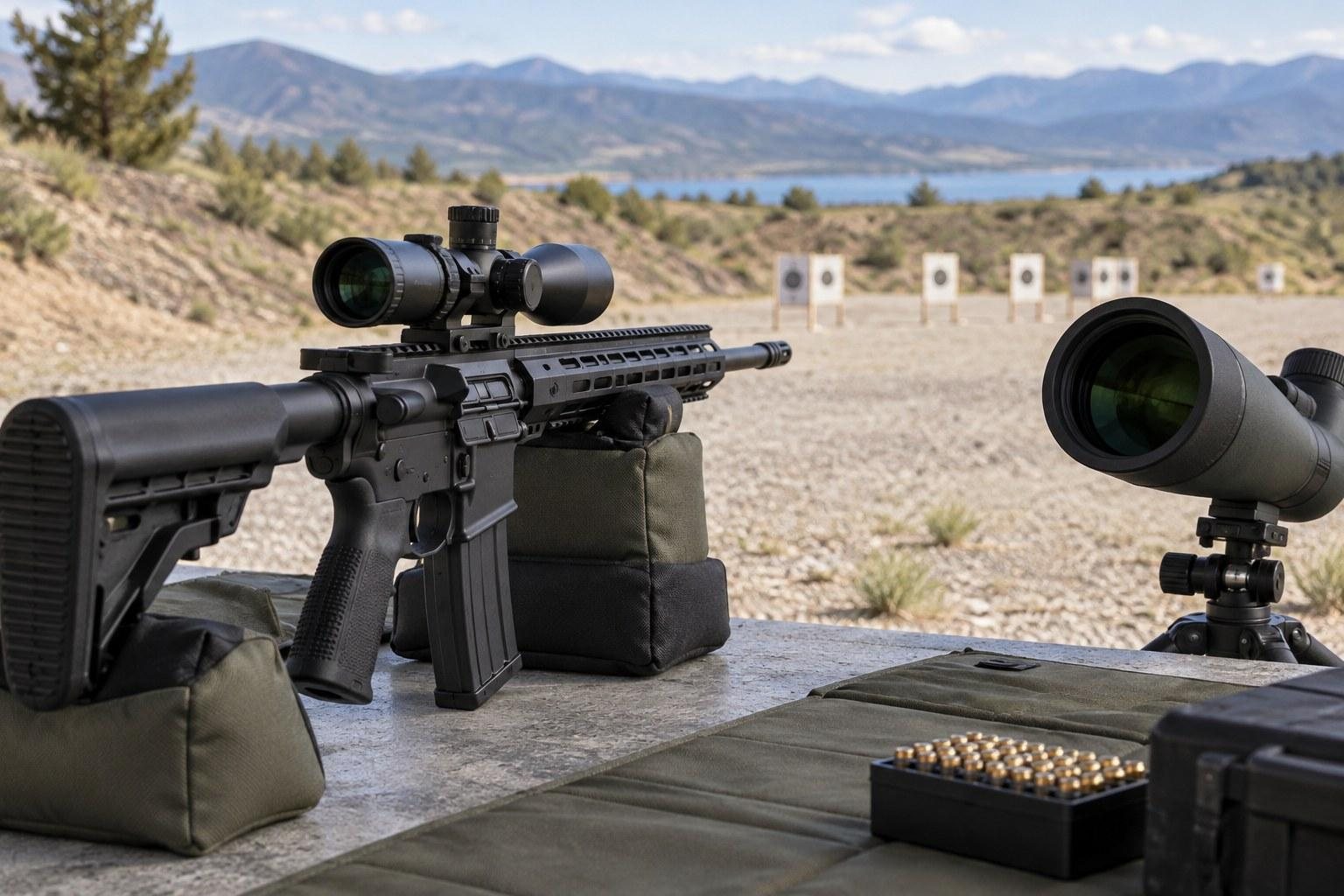
No zero is perfect for everything. The table below compares the usual options for a carbine upper in plain terms. Exact numbers depend on your barrel, load and sight height, so confirm with real data before you rely on any holdover.
| Zero Distance | Main Strength | Main Tradeoff | Good Fit For |
|---|---|---|---|
| 25 yards | Very short range needed to set | Small errors at 25 grow quickly at distance, so it often needs refining | Initial rough sighting before moving farther out |
| 50 yards | Far crossing lands well downrange, keeping hits near center at typical carbine distances | Shots inside a few yards land low because of sight height | General-purpose carbines with red dots or LPVOs |
| 100 yards | Precise point of impact at a common reference distance | Bullet drops below the line sooner at longer ranges | Magnified optics and slower, more precise shooting |
| Longer distances | Matches a specific known range | Larger rise above the line at middle distances | Dedicated longer-range uppers with dialed scopes |
Why Not Just Use 25 Yards
A 25 yard session is a fine way to get on paper, but every bit of error at that distance is magnified as you go farther out. Many shooters rough in at 25 and then finish the job at 50, which gives a more reliable result for the same carbine.
When 100 Yards Makes More Sense
If your carbine wears a magnified scope and you shoot mostly at known distances, a 100 yard zero can be easier to read with a ranging reticle. It is a valid choice. It simply behaves differently, so learn its holds the same way you would with any other zero.
How Barrel Length and Caliber Affect the Result
The same zero distance can produce noticeably different results depending on the upper. Velocity is the biggest variable, and both barrel length and caliber drive it.
14.5 Inch vs 16 Inch Barrels
A shorter barrel generally produces less velocity with the same load, which means a bit more drop at distance. The difference between common carbine lengths is real but modest for most practical shooting. Remember that a barrel under 16 inches needs a pinned and welded muzzle device to reach 16 inches, or it makes the rifle a short-barreled rifle that still requires ATF registration. Since January 1, 2026 the federal tax for that registration is $0, but registration is still required, and state and local laws vary. Check the ATF National Firearms Act page and your local rules before you build.
5.56 and .223 Wylde Carbines
This is where a short zero is used most, and it is why the setup is so closely associated with the AR-15. If you are choosing between chamberings, see our comparison of 5.56 vs .223 Wylde vs .223 Remington. You can also look at the 5.56 NATO uppers and .223 Wylde uppers to compare what carbine configurations are generally offered.
Heavier and Slower Calibers
Slower rounds such as 300 Blackout follow a more arched path, especially with subsonic ammunition. A short zero can still work, but the far crossing and the drop beyond it will be very different from a 5.56 carbine. Run your exact load through a ballistic calculator. If a 300 Blackout carbine is on your list, you can browse 300 Blackout uppers and compare them in our 300 Blackout vs 5.56 upper guide.
Twist Rate and Bullet Weight
Bullet weight changes velocity and how the bullet holds up downrange, and your barrel's twist rate affects which bullet weights stabilize well. Zero with the load you actually plan to use, and re-check if you switch bullet weights.
How to Set and Confirm the Zero
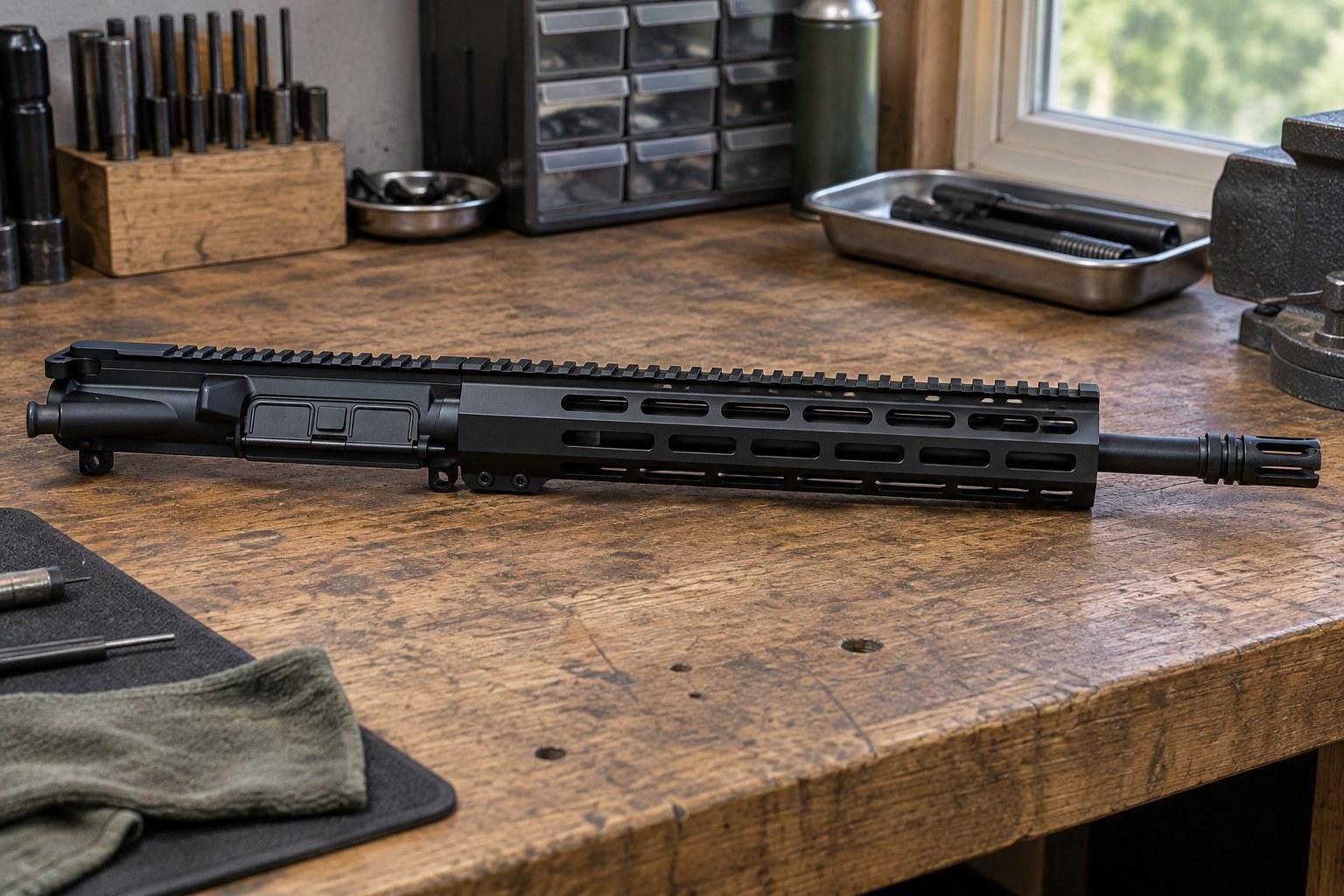
Always start with safety. Make sure the rifle is unloaded while you mount the optic, follow the optic and mount manufacturer's instructions and torque specs, and obey every range rule. If anything about the mount or upper seems off, have a qualified gunsmith look at it.
Step-by-Step Process
- Mount the optic securely and confirm it is tight per the manufacturer's spec.
- Set up a stable rest such as a bag or bench rest and use a target with a clear aiming point.
- Rough in at a short distance if needed so your shots land on paper.
- Move to 50 yards and fire a small, careful group with your chosen ammunition.
- Measure the center of the group relative to your aiming point and adjust the optic using its marked click values.
- Fire another group to confirm, and repeat until the group centers on your aim.
Reading Click Values
One minute of angle is about 1.047 inches at 100 yards, so it is roughly half an inch at 50 yards. Optics label their adjustment per click, often in MOA or MRAD, and values differ by model. Check your optic's manual so you know how many clicks to turn for a given correction.
Always Confirm at Distance
The math says the far crossing will be somewhere downrange, but your rifle decides where. Once you are centered at 50 yards, shoot at a longer distance and note where your group lands. That real-world confirmation is what you trust, not a chart.
Common Mistakes and Practical Tips
A short zero is simple, but a few habits can quietly undermine it.
Forgetting About Close-Range Offset
At very short distances, the bullet strikes below your dot by roughly the height of your sight over the bore. That matters for precise shots at close range. Practice with your rifle so you know how much to hold high at those distances.
Zeroing With One Load and Shooting Another
Different loads can shift the point of impact. If you change ammunition, confirm your zero again before relying on it.
Ignoring Your Backup Sights
If your carbine has backup iron sights, zero them too so they line up with the optic as closely as possible. That way you have a working sight if the optic fails.
Choosing the Right Upper From the Start
A quality carbine upper with a consistent barrel and a solid optic platform makes any zero easier to hold. Complete uppers from AR15Parts.com are assembled in-house, headspaced and function-checked before they ship. Browse the full range of AR-15 uppers by caliber when you are ready. Not sure whether to buy complete or build up a stripped receiver? Our stripped vs complete upper comparison walks through the tradeoffs.
Still sorting through twist rates and bullet weights for your carbine? Our twist rate guide explains the basics.