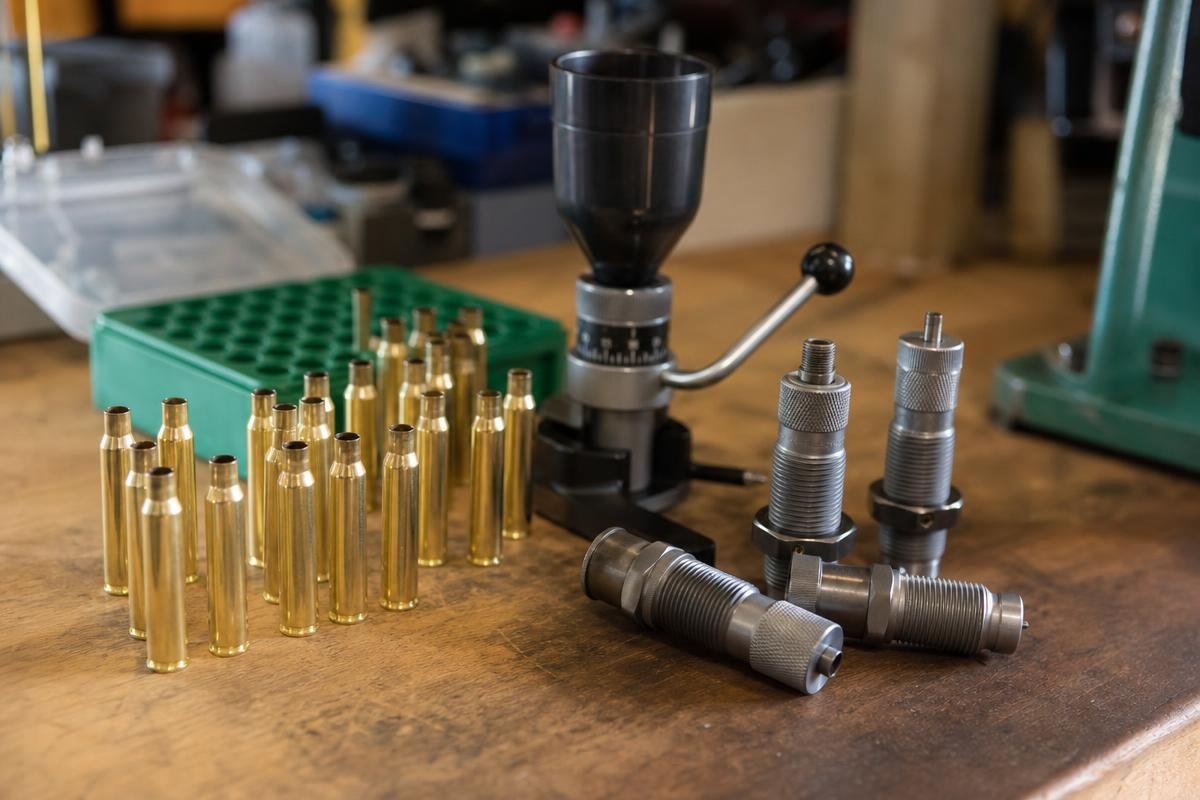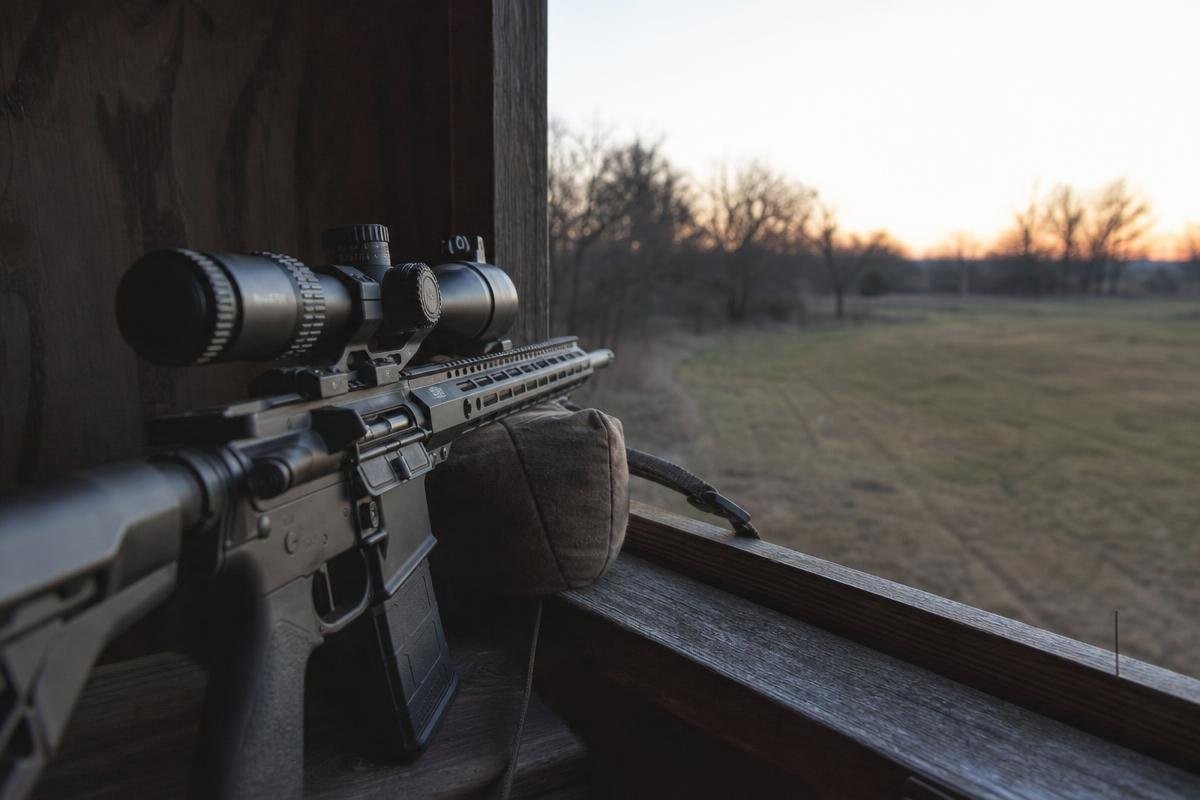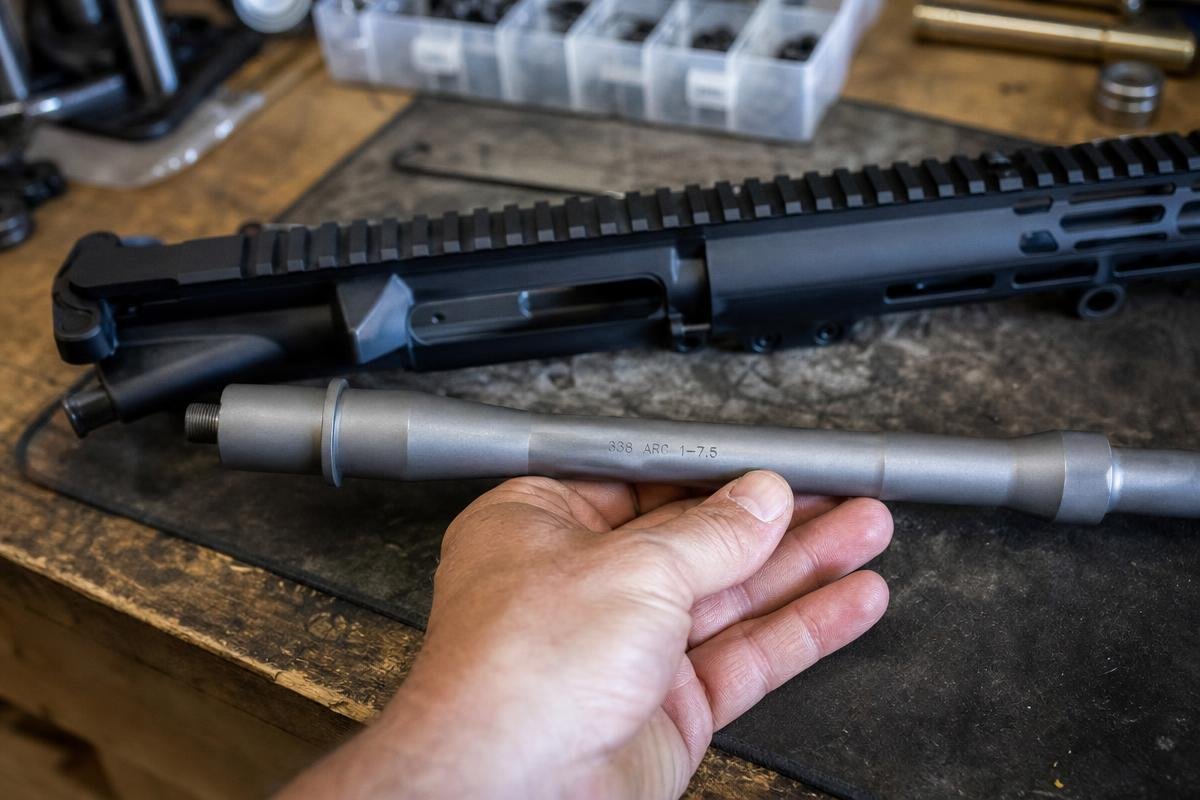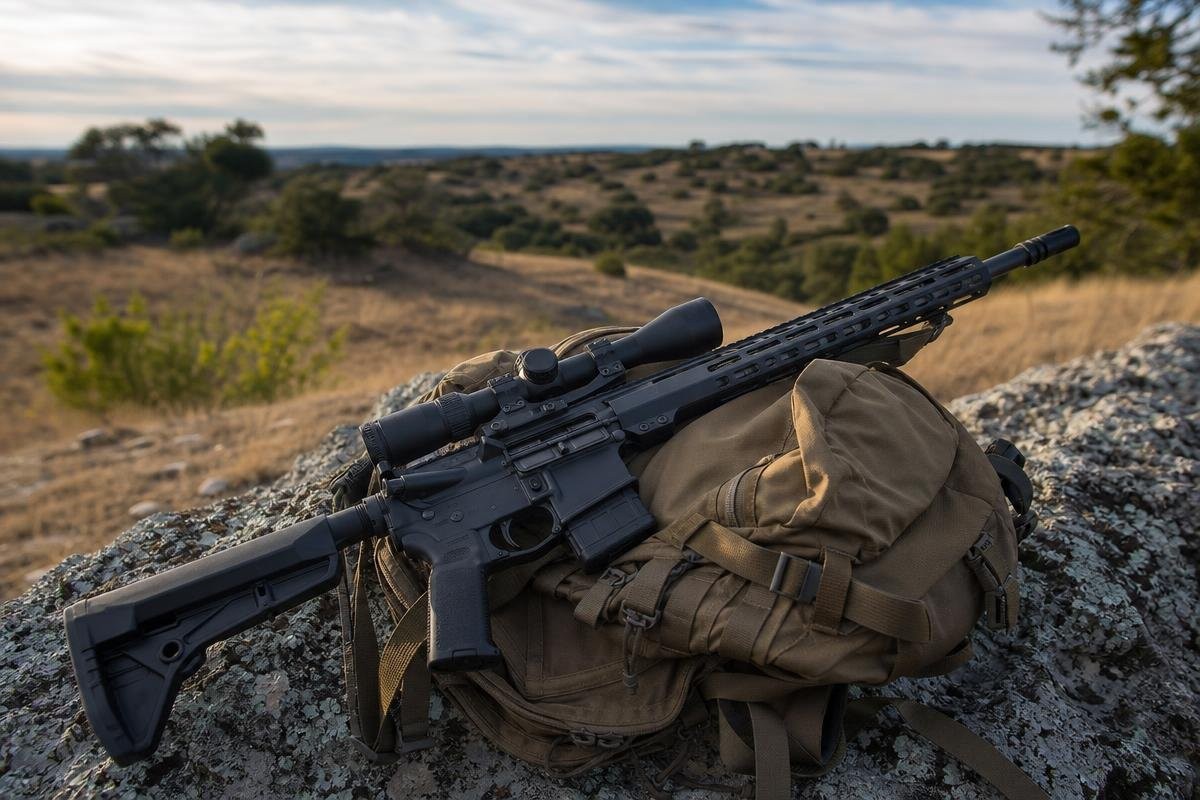
The 6.5 Grendel is one of the most capable AR-15 cartridges built for real-world hunting and long-range work. If you're asking what the 6.5 Grendel is good for, the short answer is this: deer, hogs, coyotes, and steel targets past 600 yards, all from an AR-15 lower you likely already own. Out here in North Texas, where open pasture shots near Lake Texoma push well past 300 yards, the Grendel earns its place where lighter varmint rounds start to fade. Ready to build a 6.5 Grendel upper for your next hunt? We build them to order and ship directly to your door.
What Is 6.5 Grendel Good For?
The 6.5 Grendel is a purpose-built intermediate cartridge designed to push past the effective range ceiling of common 5.56 loads while still running on the AR-15 platform you already own. It has been SAAMI standardized and adopted widely for hunting and precision work. If you want the raw velocity and energy numbers before reading further, start with our full breakdown of 6.5 Grendel ballistics.
Here you'll find the practical question: what is 6.5 Grendel good for, and where does it actually earn its place over other calibers. We cover deer and hog hunting, predator work, long-range target shooting, and what goes into a purpose-built AR-15 upper for each use. Straight answers, no filler.
Where Did the 6.5 Grendel Come From?
The 6.5 Grendel was developed by Arne Brennan, Bill Alexander, and Janne Pohjoispää in 2003, with Alexander Arms bringing it to market. The goal was specific: extend accurate, supersonic performance from the AR-15 well past the point where 5.56 NATO runs out of steam. SAAMI standardized the cartridge in 2011.
That's the real inflection point. Before standardization, components varied by manufacturer and interchangeability was inconsistent. After 2011, barrels, bolts, and magazines from different makers could be spec-matched with confidence.
The Design Problem It Was Built to Solve
5.56 NATO goes transonic around 1,340 fps, which happens at roughly 400 to 500 yards depending on barrel length and load. Once a bullet drops through that threshold, gyroscopic stability breaks down and accuracy degrades fast. That's not a shooter problem. That's a physics problem baked into the cartridge, and it is the single limitation the Grendel was engineered to fix.
The Grendel was built around high ballistic coefficient 6.5mm projectiles in the 100 to 130 grain range. From an 18-inch barrel, it stays supersonic past 800 yards. From a 24-inch barrel, past 1,000 yards. That is the specific ceiling the older cartridge couldn't clear, and the reason a new design made more sense than trying to patch the old one.
The parent case comes from the .220 Russian and 7.62x39 family. It uses a 0.442-inch bolt face, compared to the 0.378-inch face on a .223/5.56 bolt. That larger diameter is what allows the case to seat a heavier, higher-BC projectile while still fitting inside a standard AR-15 magazine well.
How It Fits Into the AR-15 Platform
Your existing lower receiver needs zero modification. The buffer, stock, trigger, and lower parts group all carry over as-is. What changes is the upper assembly: a dedicated Grendel barrel, a Grendel-specific bolt carrier group with the larger bolt face, and ASC or Alexander Arms pattern magazines. That's the complete list.
We get this conversion request regularly at our Sherman shop, just up the road from Denison. Hunters in the Grayson County area running open-pasture shots on whitetail, or working the creek bottoms for feral hogs, already own an AR-15. Swapping to a dedicated 6.5 Grendel upper is the straightforward path to a different performance envelope without buying a second rifle. A 6.5 Grendel AR-15 build starts with parts you likely already have on hand.
What Is 6.5 Grendel Actually Good For?
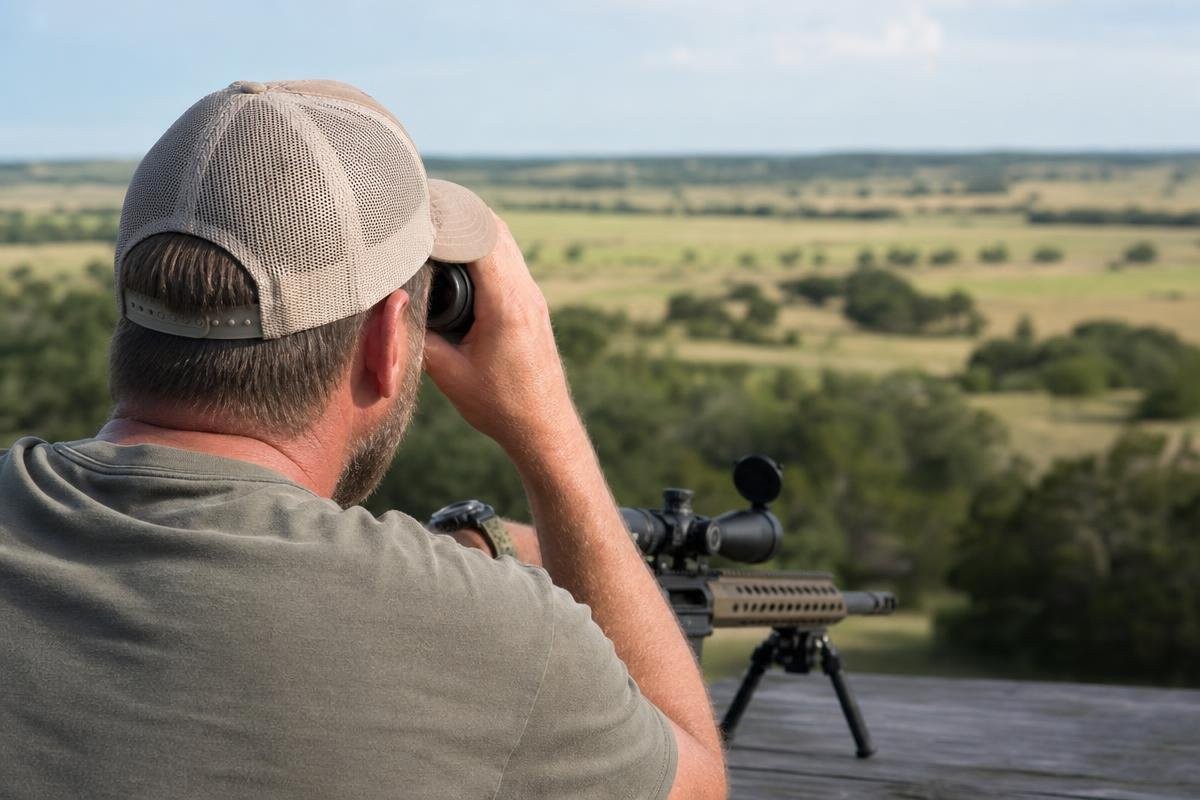
This cartridge earns its keep across several real-world applications, not just one narrow niche. It runs on the platform you already own, fits a standard-sized mag well, and delivers meaningfully more energy and a flatter trajectory at distance. Here is where that combination pays off.
Hunting: Deer, Hogs, and Predators
Yes, the 6.5 Grendel is more than enough gun for whitetail at 300 yards in Texas. A 123-grain load from an 18-inch barrel retains over 1,000 ft-lbs of energy at 300 yards, which exceeds the ethical hunting minimums recognized in most states. Load it with a 120-grain Hornady SST or a 123-grain Lapua Scenar and you have a flat-shooting, hard-hitting deer round that fits inside an AR platform. Read our full hunting breakdown for load-specific performance data.
For hunters around Grayson County and the Lake Texoma basin, open-pasture shots at 200 to 400 yards are common. The Grendel's advantages on those 200 to 400 yard pasture shots are real and measurable: it holds velocity, energy, and accuracy right through that window. Feral hog pressure in the river bottom land north of town is real and consistent.
On large hogs, the heavier, higher-BC projectile punches through shoulder bone in a way a 55-grain varmint bullet simply will not. Coyote hunters working the agricultural ground between Denison and Sherman get the same benefit: a flat trajectory and better wind resistance at ranges where the shot matters.
Want an 18-inch Grendel upper spec'd for whitetail and hogs? We'll build your hunting upper to order, headspaced and function-checked before it ships.
Long-Range Target Shooting and Competition
The 123-grain Scenar carries a G1 BC of 0.510 or better, and that number is what makes the difference at distance. Loaded from a 24-inch barrel, it leaves the muzzle near 2,580 fps and stays supersonic past 1,000 yards. Wind drift at 800 yards is dramatically reduced, holding a tighter call across the wide, gusty country typical of North Texas ranges.
The cartridge is legal in many PRS-style matches capped at 6.5mm, making it a legitimate competition option without moving to a larger platform. It also does not burn barrels the way larger 6.5mm cartridges do. For how it compares to the 6.5 Creedmoor at distance, the tradeoffs are worth understanding before you build.
General-Purpose and Defensive AR Builds
For a ranch rifle that needs to handle everything from a coyote at 350 yards to a hog at 50 feet, the Grendel covers the full spectrum well. It hits harder at close range and reaches further at distance. The trade-off is real: 6.5 Grendel complete uppers use dedicated magazines that typically hold 26 rounds versus 30 in a standard STANAG magazine, and the ammunition runs slightly heavier per round.
For a property owner running fence lines between Denison and Sherman who wants one rifle that does it all, that trade-off is easy to accept. If your priorities are one versatile upper over high round count, the Grendel is a sound general-purpose choice.
6.5 Grendel Pros and Cons: The Honest Breakdown
Here is the straight answer a lot of sites won't give you. The cartridge has real advantages, and it has real limitations. Knowing both before you buy saves you from a decision you'll regret. These are the tradeoffs, by the numbers.
What the Grendel Does Better
- Higher BC projectiles hold velocity further downrange. A 123-grain Grendel bullet carries significantly more energy past 400 yards than a 77-grain match load. That gap matters on open pasture shots common around Lake Texoma and Grayson County hunting land.
- Roughly half the wind drift at 600 yards. In the agricultural open country between Denison and Sherman, that difference is real. Wind doesn't care what cartridge you're running.
- Greater terminal energy on medium to large game. On feral hogs in the river bottomland, the Grendel's heavier bullet does more work at impact. A light varmint load at 300 yards on a 200-pound boar is a marginal choice. This cartridge is not.
- Stays supersonic further. From equivalent barrel lengths, the Grendel extends your effective supersonic envelope by a meaningful margin.
- Runs on your existing lower. Same lower receiver, trigger, and stock. You need a new upper, a new barrel, and a dedicated Grendel bolt carrier group. That's it.
Where the Grendel Falls Short
- Ammunition costs more. Quality brass-cased loads run $1.00 to $1.50 per round. Bulk brass-cased .223 runs $0.35 to $0.60. If you shoot a lot, that adds up fast.
- Availability is thinner locally. Every sporting goods store in the Denison-Sherman area stocks common AR ammo. Grendel brass-cased loads may require ordering online or planning ahead. That's a real practical consideration.
- Magazine capacity drops. You get 26 rounds versus 30 in a standard STANAG magazine.
- Recoil is noticeably heavier. It's mild compared to .308, but new shooters used to a lighter AR will feel it.
- Shorter barrel life. Expect 5,000 to 8,000 rounds before accuracy degrades, versus 10,000 or more from a lighter-recoiling AR barrel.
None of these are dealbreakers. They are tradeoffs. If your 6.5 Grendel uses center on hunting whitetail and hogs at distances where a varmint round runs out of gas, the cost and availability considerations are manageable. If you want a high-volume range cartridge, a lighter round still wins that argument. Questions about whether a Grendel build fits your hunting setup? Call us at (888) 706-0633 or reach out online. We'll give you a straight answer.
Building a 6.5 Grendel AR-15: What You Actually Need
A 6.5 Grendel AR-15 build is not a ground-up project for most shooters in the Denison and Sherman area. If you already own an AR-15 lower, you are most of the way there. The cartridge was designed to run on the standard platform, and the conversion is straightforward once you know which parts are dedicated and which carry over from your current rifle.
Upper Components: Barrel, BCG, and Handguard
Barrel length drives the decision for most hunters. An 18-inch barrel is the practical choice for whitetail and hog work on the open pasture and creek-bottom country around Grayson County. It balances velocity with a rifle you can still carry through timber. A 24-inch barrel squeezes out maximum velocity for long-range target work, but it is not a field gun. Twist rate matters too. A 1:8 twist handles 100 to 130 grain bullets well.
Go to 1:7.5 if you plan to run heavier 130-grain loads consistently. Pair your barrel length with the correct gas system. Mid-length works on 16 to 18 inch barrels; rifle-length on 20 to 24 inch barrels. Read our guide on choosing the right gas system length before you order.
The bolt carrier group is where the safety-critical spec lives. You need a dedicated bolt with a 0.442-inch bolt face. A 5.56 BCG will not headspace correctly in this chamber. Do not substitute it. This is not a preference issue; it is a safety issue. State it plainly and move on. Handguard selection is more flexible.
Any standard AR-15 handguard fits. For a 6.5 Grendel long range build, a free-float M-LOK rail eliminates barrel contact and tightens groups at distance. Check out our breakdown of M-LOK free-float handguard options if you are deciding between rail systems.
What Carries Over From Your Current Rifle
Your lower receiver, trigger group, pistol grip, stock, and buffer setup all carry over. A standard carbine buffer or H buffer both run reliably. The one additional purchase beyond the upper is a set of dedicated magazines, since standard 5.56 magazines do not feed this cartridge correctly. If you already own a lower, the upper swap is the direct answer. Our assembled and headspaced 6.5 Grendel uppers ship ready to drop onto your existing lower.
Every upper leaves our shop headspaced, assembled, and function-checked before it ships to your door. No FFL required. For help with stock selection on your converted build, we have a full guide on fixed, adjustable, and folding options.
6.5 Grendel in North Texas: Why It Makes Sense Here
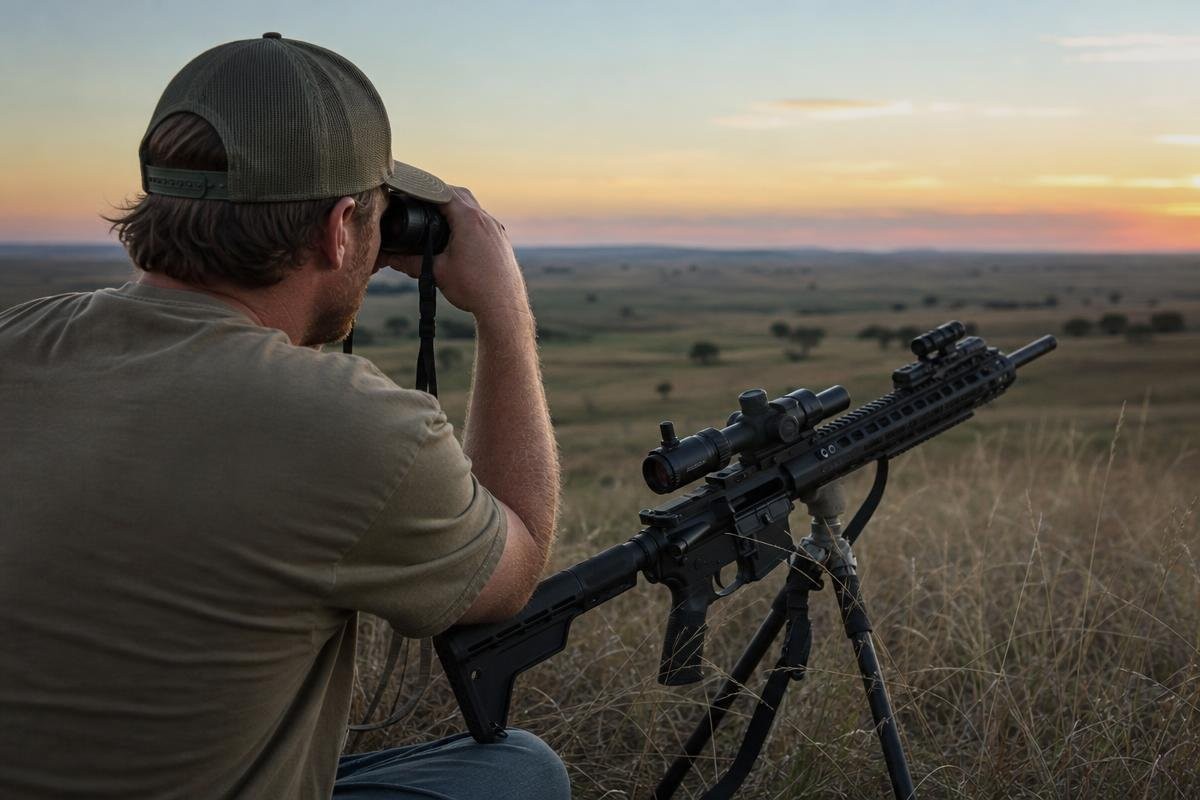
This cartridge fits the terrain around here better than most people realize. Open pasture land, creek bottom timber, and wide agricultural fields between the Red River basin and the Blackland Prairie push shots out past 200 yards routinely. That is exactly where the ballistic advantages covered earlier in this post start to matter in a real, practical way.
Whitetail hunters working open-pasture private land and public ground near the Texoma basin regularly see shots in the 200 to 400 yard range across field edges and creek bottoms. An 18-inch upper running 123-grain match or hunting ammunition handles that distance with authority. Hog hunters in the Red River bottom timber north of town face a different problem: heavy animals, thick cover, and shots that open up fast once hogs break into a clearing. The cartridge's terminal performance on 150 to 300 pound animals past 150 yards is a genuine advantage, not a marketing claim.
Coyote hunters running the agricultural fields in this part of the state also get real benefit from the flat trajectory and reduced wind drift. Wide open country with a crosswind is where a light bullet drifts and the Grendel holds. These are the three most common 6.5 Grendel uses we hear about from customers who walk through the door after a morning hunt.
We are based in Sherman at 2022 S Crockett St, Sherman, TX 75090, a short drive from the Denison area, and we've built and shipped Grendel uppers to North Texas hunters and range shooters alike. If you have questions about a build for your specific hunting setup, call us at (888) 706-0633. Our team can walk you through barrel length, twist rate, and ammunition selection for the conditions you are actually hunting. You can also browse our 6.5 Grendel uppers built and shipped from Sherman and see what we have assembled and ready to go.
Browse our complete 6.5 Grendel upper selection, or call us at (888) 706-0633 with build questions. Our shop is at 2022 S Crockett St in Sherman, a short drive from Denison, and we are happy to talk through the build before you order.